• walking in nature

Caribbean Health Warriors: Early Warning Systems in the Fight Against Dengue

Dengue fever has long been a recurring menace, particularly challenging for small island developing states (SIDS) vulnerable to climate change impacts. However, early warning systems (EWS), leveraging advanced mathematical models that predict disease outbreaks, have emerged as powerful tools, enabling Health Officials and Caribbean communities to respond proactively and effectively.

— September 2025 —

Expert Perspectives

Dr. Laura Lee Boodram, head of the Caribbean Regional Field Epidemiology and Laboratory Training Programme at the Caribbean Public Health Agency (CARPHA), describes the EWS as "a very sophisticated mathematical model that uses our health surveillance data to potentially predict when an outbreak might occur in the future."

This predictive capability is critical, given the resource constraints commonly experienced in SIDS. Avriel Diaz, Executive Director of the Global Council for Science and Environment, emphasises this point: "In small island developing countries where resources are usually limited, both financially and in terms of personnel, the EWS allows ministries of health to have a better lead time.", which is crucial to adapting a proactive approach to preventing outbreaks.

testing
cleaning

Barbados: A Case Study

In Barbados, a pivotal initiative in 2018 marked the early days of these predictive efforts. Dr. Leslie Rollock, Senior Medical Officer of Health at Barbados' Ministry of Health and Wellness, recounts that a researcher identified a clear relationship between dengue outbreaks, temperature, and rainfall patterns. "The occurrence of outbreaks interacted with temperature and rainfall," Rollock notes, adding that a  mathematical function of this climate and health relationship between the three could forecast likely outbreaks.

Building on this discovery, the Ministry, along with the Caribbean Institute of Meteorology and Hydrology (CIMH), the Barbados Meteorological Service, and international partners like the Barcelona Supercomputing Centre (BSC), began to develop a comprehensive early warning framework. Prof. Rachel Lowe, Global Health Resilience Group Leader at BSC recalled "We've been building this modelling approach into a co-creation process to provide operational early warnings of dengue risk several months in advance,"

The effectiveness of this integrated approach was evident during the ICC-T20 cricket matches in the Caribbean with Dr. Boodram highlighting this as a regional success story, noting that proactive measures based on early predictions prevented any dengue outbreaks.

testing
health workers

Community Engagement and Awareness

With the great preventative insights gained through the continual development of the EWS, these efforts are underpinned as part of a broader purpose with the Green Climate Fund (GCF) and the Pan American Health Organization (PAHO) directly targeting the reduction of climate-related health risks across the Caribbean and increased awareness and the issues.

According to PAHO’s 2022 “Public Understanding of Climate Change and Health in the Caribbean”, while there is limited public awareness, Healthcare providers and officials are the most trusted sources of information on climate-related health risks, making them key communicators and advocates in this cause.

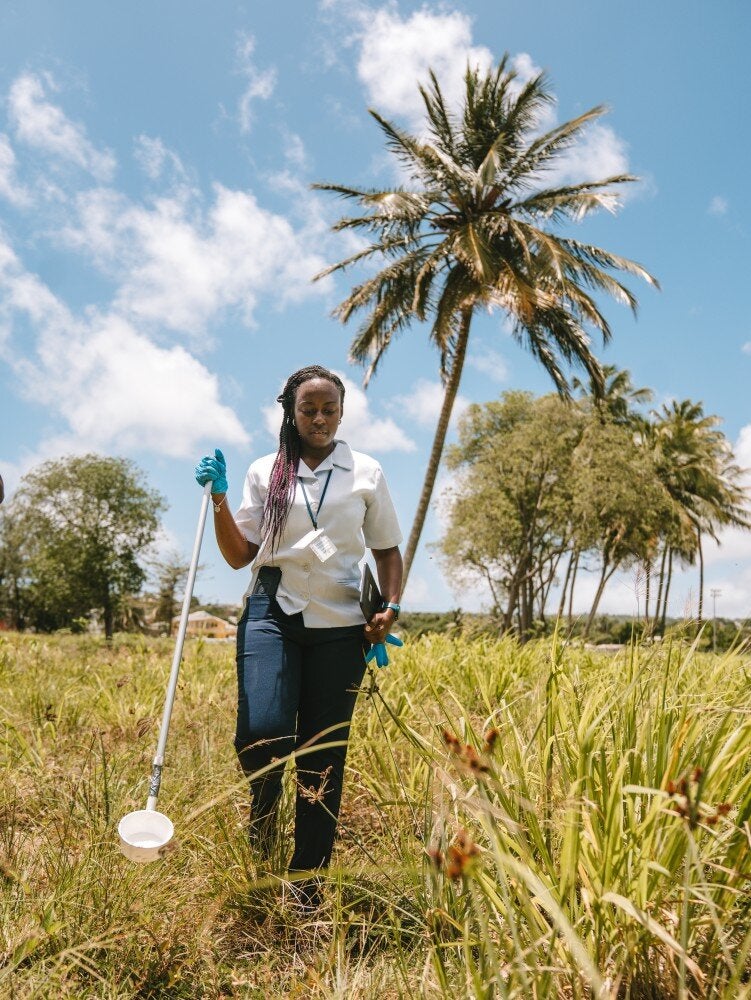
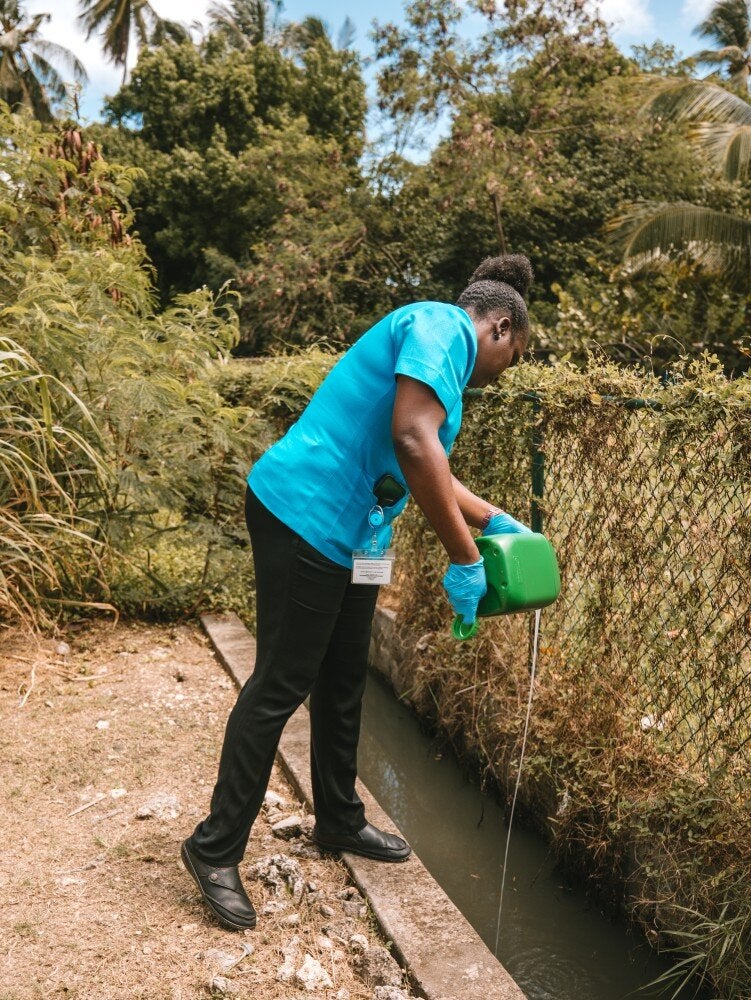
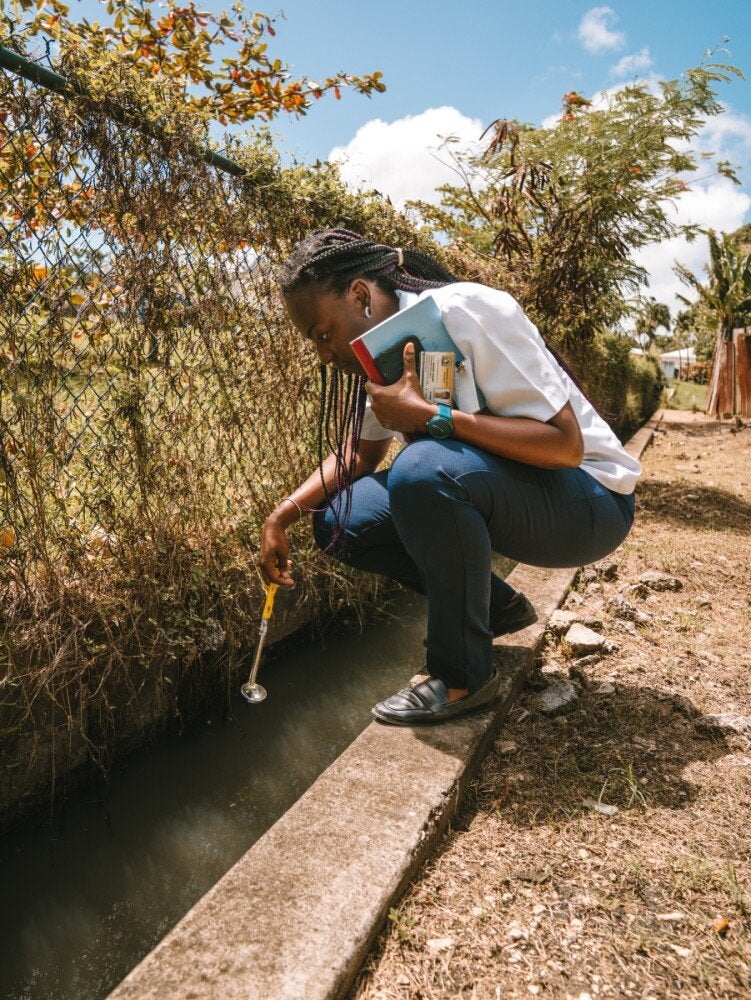
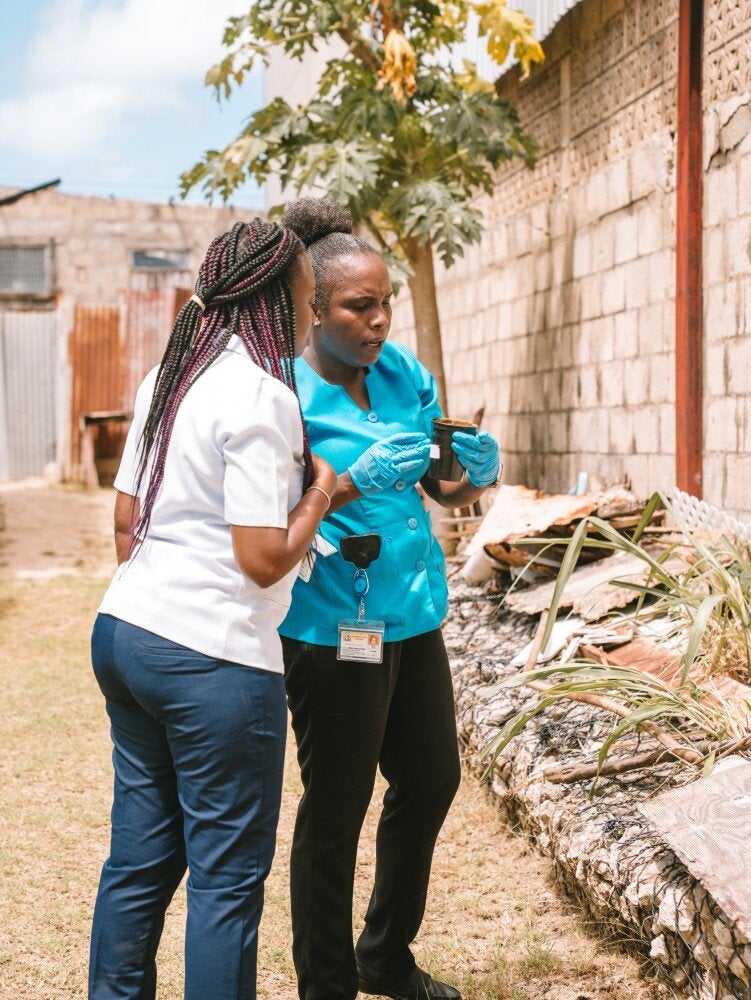
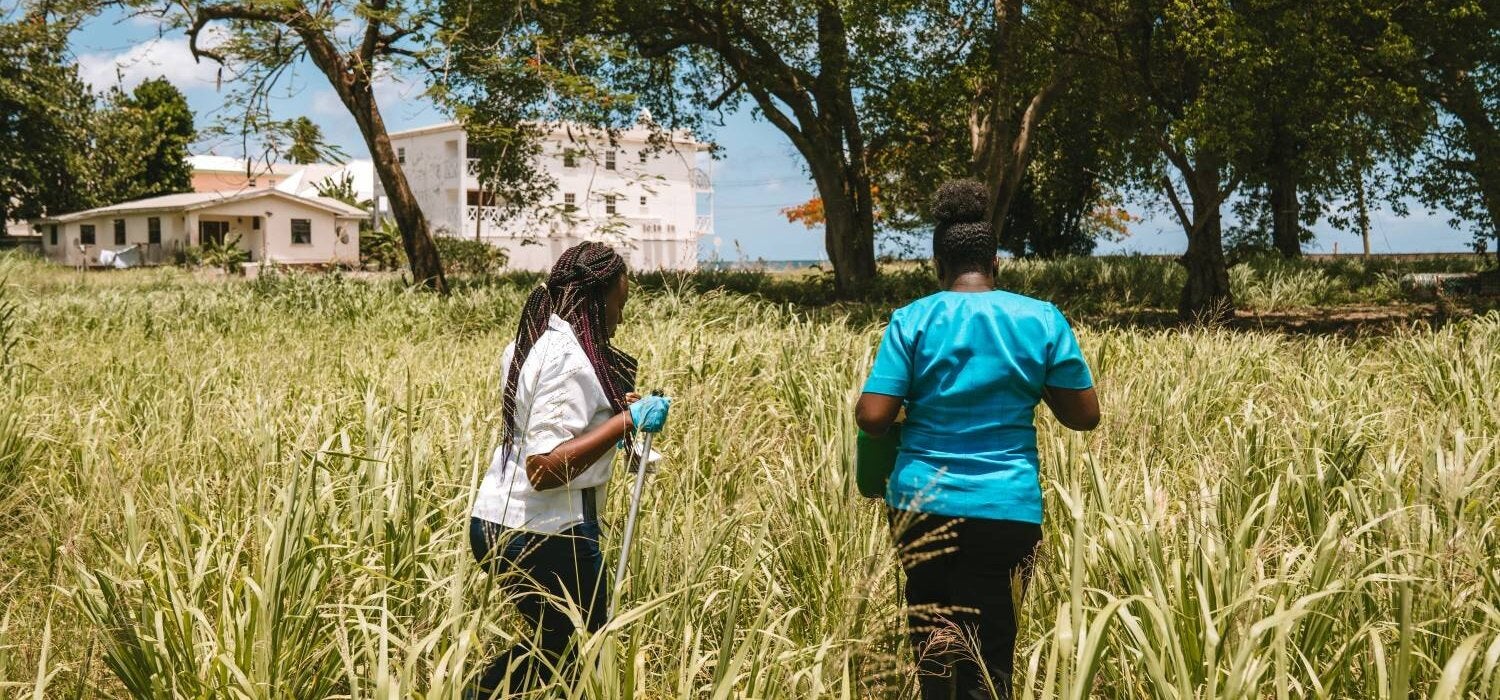
Their involvement ensures that critical messages are received and acted upon by the public, which is especially important given the need for community-wide engagement. In Barbados, Dr. Rollock emphasised that the Ministry actively encourages residents to inspect their properties for water-collecting sites, identify mosquito larvae, and either eliminate these breeding grounds or report them to the Environmental Health Department.

Overcoming Challenges and Future Prospects

Consequently, implementing EWSs and related outreach activities have become essential in bridging the existing knowledge gap that is essential to reducing the number of outbreaks.

The emphasis on local involvement is critical, especially as the region confronts practical challenges in scaling up its EWSs. Despite hurdles such as coordinating disparate stakeholders and automating data analysis, optimism remains high. Barbados' innovative, integrated EWS offers a promising model for the region. As CARPHA prepares to extend this successful approach to countries like Grenada and St. Lucia, EWSs are emerging as essential frontline tools.

By empowering both communities and trusted healthcare providers, the Caribbean is not only strengthening its response to dengue but laying the groundwork for a more resilient, climate-aware public health system, one capable of meeting future challenges head-on.