A new model for nursing education
With support from the Pan American Health Organization (PAHO) and the University of São Paulo’s Ribeirão Preto School of Nursing, a PAHO/WHO Collaborating Centre for Nursing Research Development in Brazil, the Ministry of Health of Guyana launched a comprehensive reform of nursing education in 2022. A national steering committee was established to guide implementation and coordinate efforts between academic institutions and health authorities.
At the core of the reform is a standardized, competency-based hybrid learning model, introduced through a full review and update of the national nursing curriculum. Throughout the process, PAHO provided technical support – helping to modernize the curriculum, strengthen faculty capacities, and foster collaboration with regional academic partners.
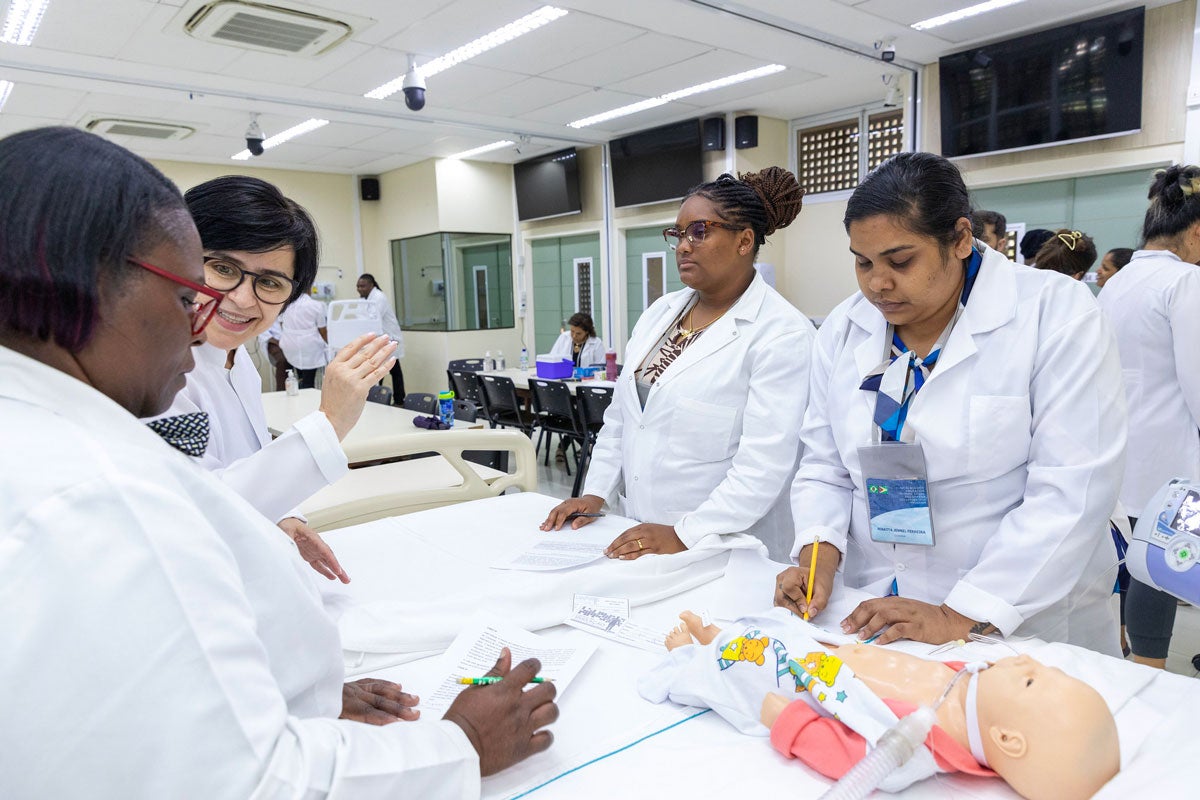
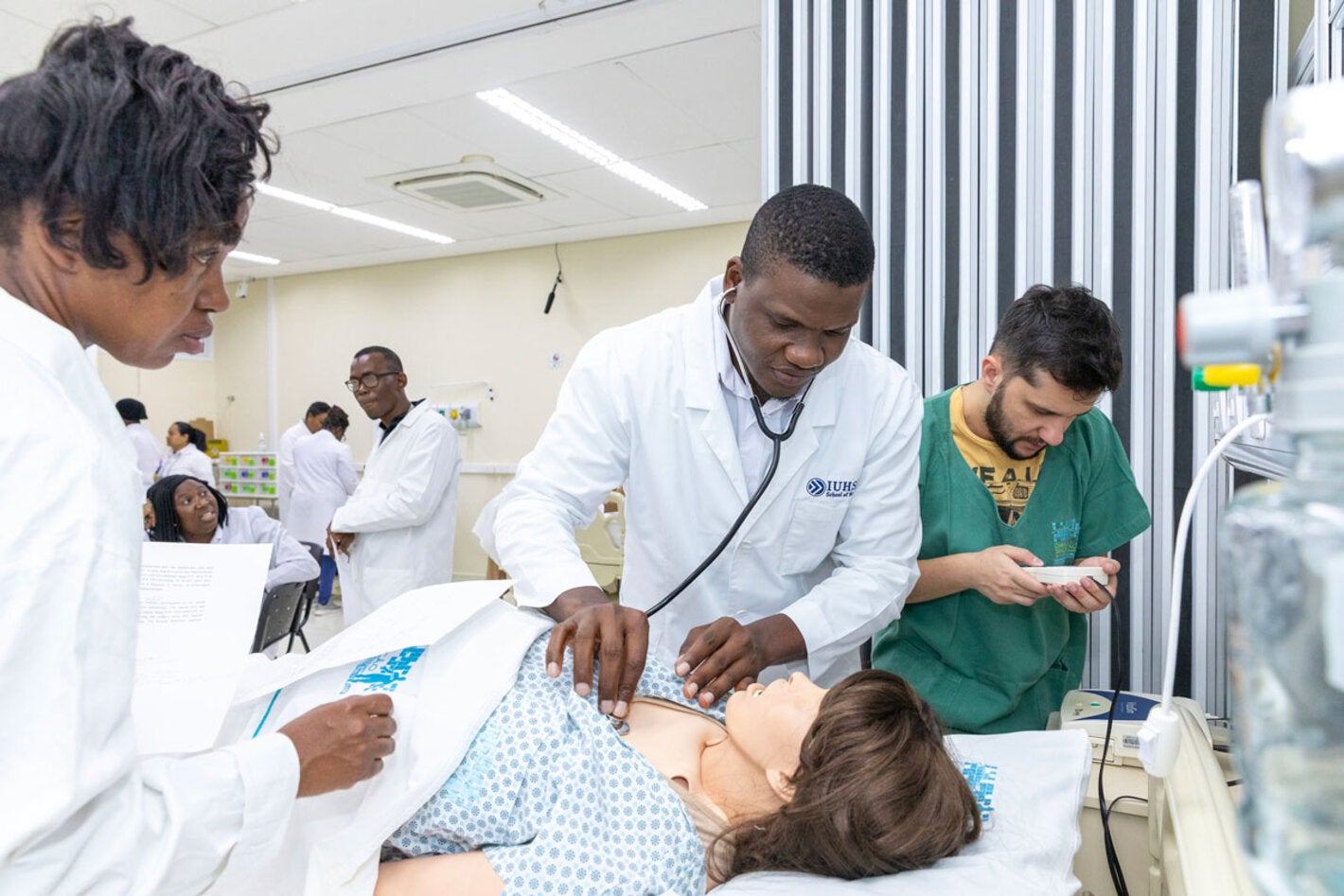
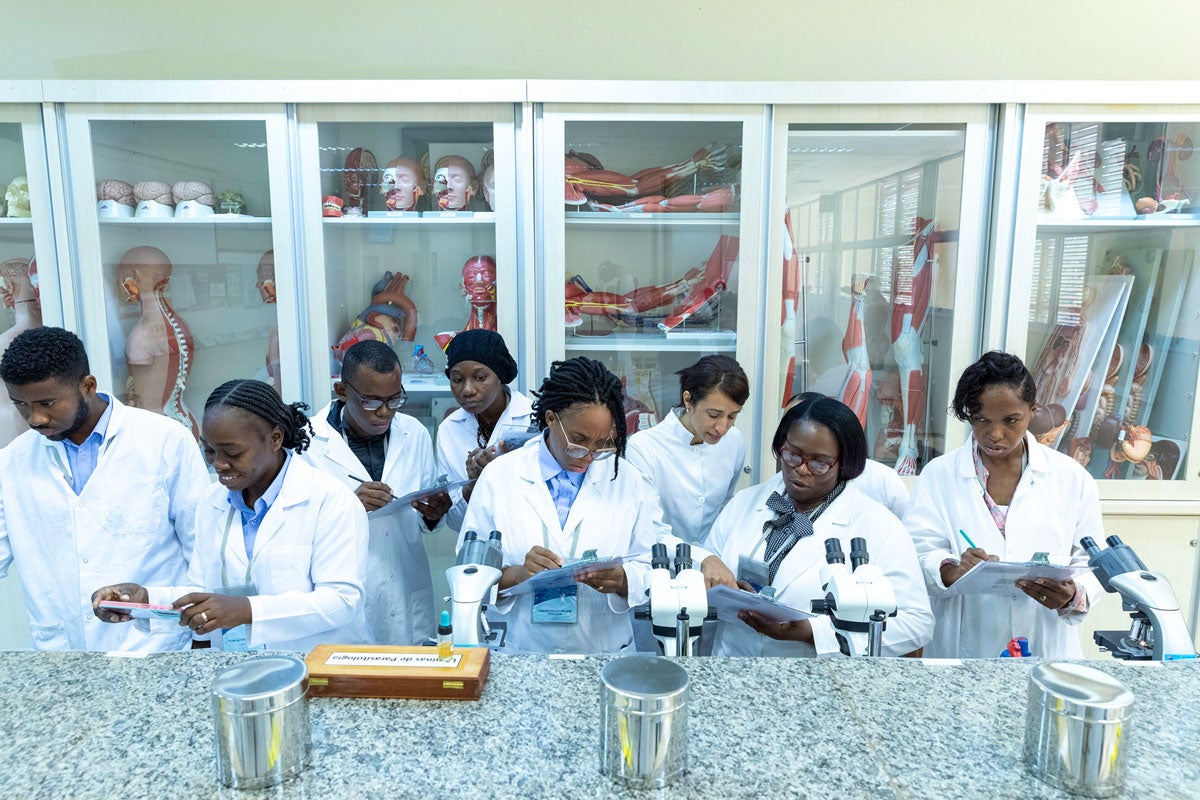
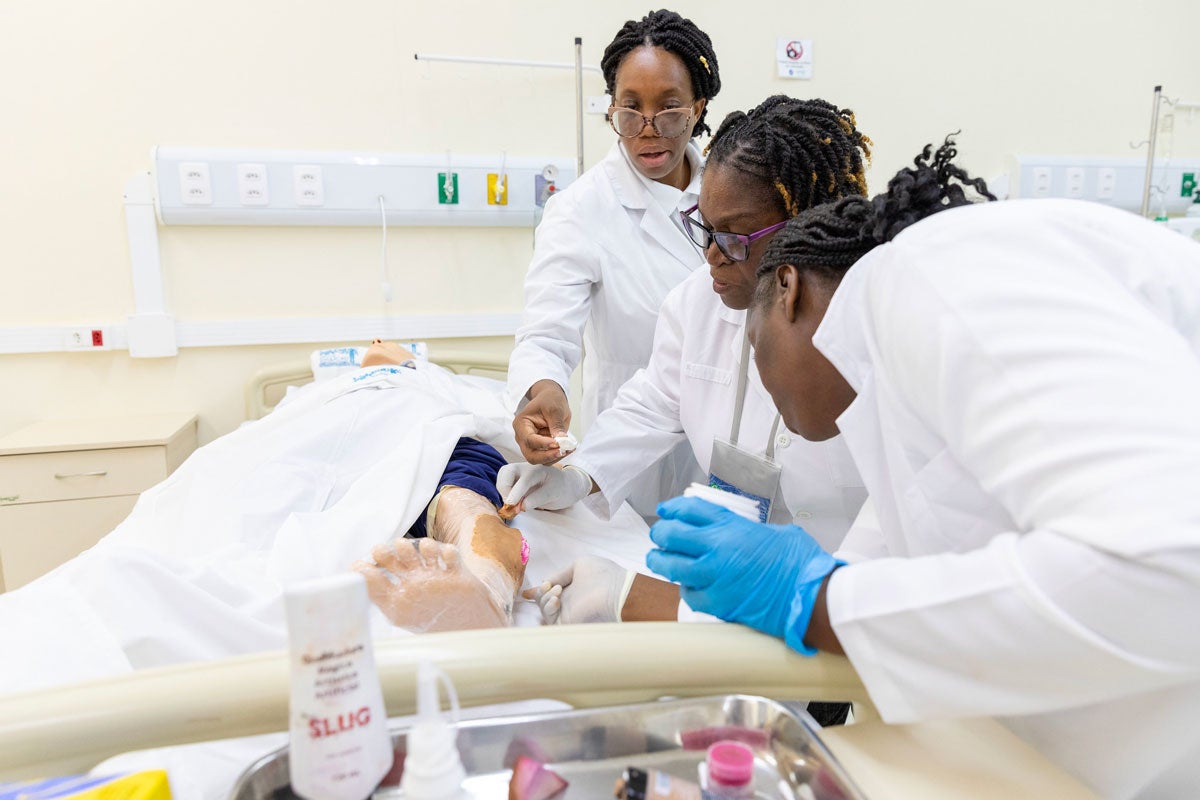
Under the new model, theoretical instruction is delivered online, allowing students across the country to access the same high-quality content. The curriculum spans 27 courses across the three-year program and is combined with virtual tutorials, hands-on training in simulation laboratories, and supervised clinical placements in health facilities.
“More people from hinterland areas, who would not ordinarily have the opportunity, are now able to pursue the program within their own communities,” explains Lester Christian, nursing tutor and coordinator of the professional nursing program for Guyana’s Ministry of Health. “It allows us to train more people and fill the gap in our country’s nursing workforce.”
Since the launch of the program in 2023, more than 2,100 students have enrolled across two cohorts. In 2026, approximately 650 new nurses are expected to graduate, significantly strengthening the country’s workforce. Ventura, Director of the PAHO/WHO Collaborating Centre at Ribeirão Preto School of Nursing. “This training course reflects a shared commitment to elevating healthcare education throughout the Region.”
“Under the hybrid approach, it is even more important that students experience real-world scenarios in a safe environment,” added Lester Christian. “These simulations let nursing students think critically, make good clinical judgments, and become competent, before entering the health system, and are a significant improvement to the quality of education we are delivering.”