From Classrooms to Care Homes: Caribbean Voices on the Frontline of Climate and Health
From Classrooms to Care Homes: Caribbean Voices on the Frontline of Climate and Health
September 2025
Caribbean elders and teenagers are discovering they have more in common than the same area codes, as both face the brunt of a rapidly heating climate. Identified by the Green Climate Fund (GCF) Caribbean Readiness project as “secondary target” populations, these groups often lack the means or agency to adequately adapt to rising temperatures, therefore increasing the risk of illness and even death.
Local Leadership in Action
In response, two Climate Change and Health Leadership Fellows, Dr. Nyoni Winchester in Grenada and Mr. Nayan Persaud in Guyana, are showing how tailored, community-level action can make a difference. Together, Persaud and Winchester underscore the need for a more holistic perspective on climate and health; one that empowers the young and elderly to understand and play their part in protecting our planet and, by extension, themselves.
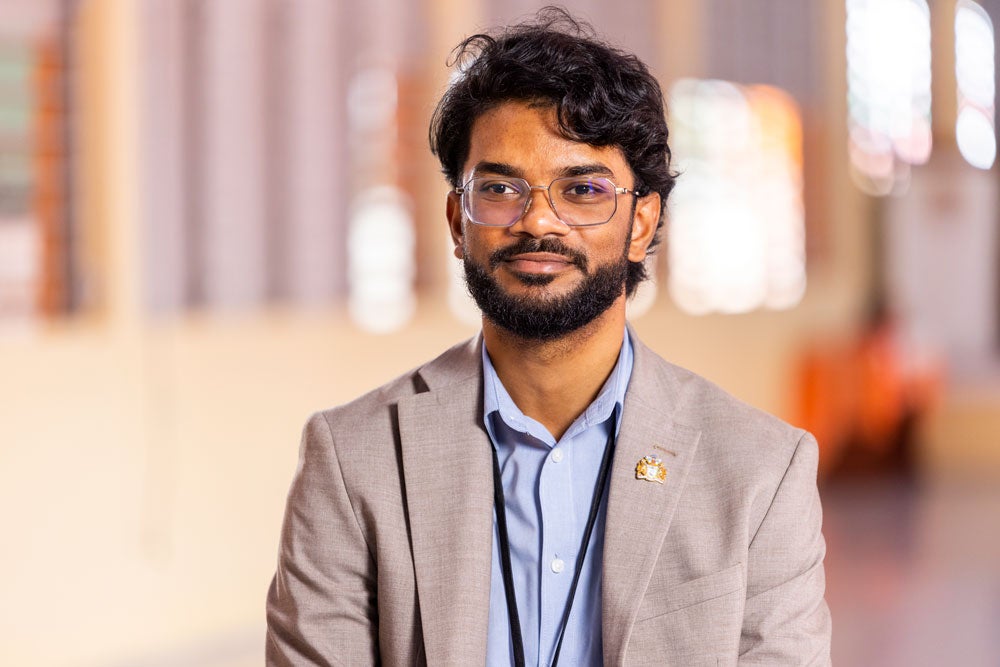
Mr. Nayan Persaud, Guyana
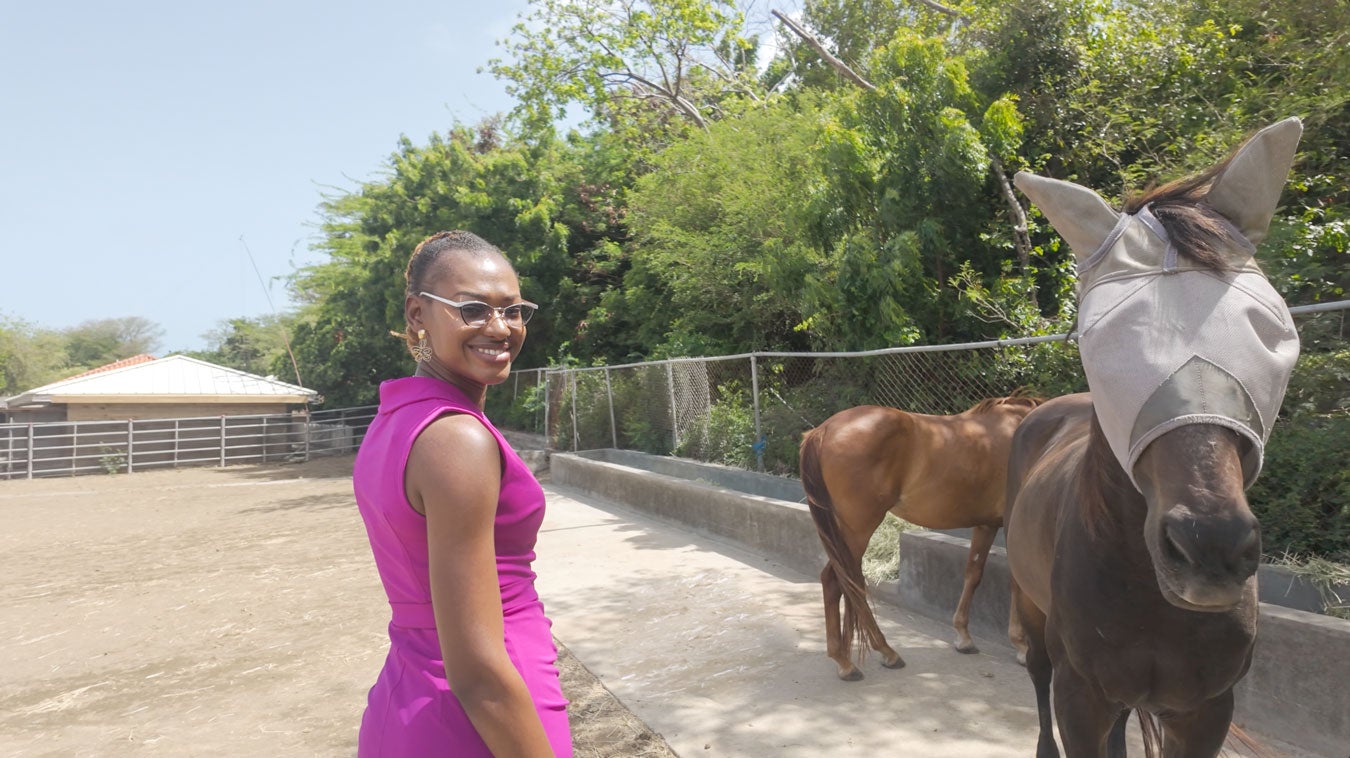
Dr. Nyoni Winchester, Grenada.
Winchester, a Livestock Veterinarian, and lecturer at St. Georges University in Grenada, used her fellowship to host Grenada’s first Heat-Threshold Development Symposium in November 2023. Winchester turned those discussions into direct help for care facilities, gaining funding to buy standing fans for an under-ventilated elderly home. She recalled, residents “were very happy and elated just to receive a simple standing fan, just to provide some cool air.” The comfort gain is more than cosmetic, as many residents live with hypertension, respiratory or renal disease, and “that combined with heat stress… makes it very difficult for them to cope,” Winchester adds.
Dr. Nyoni Winchester is a livestock veterinarian, and lecturer at St. Georges University in Grenada.
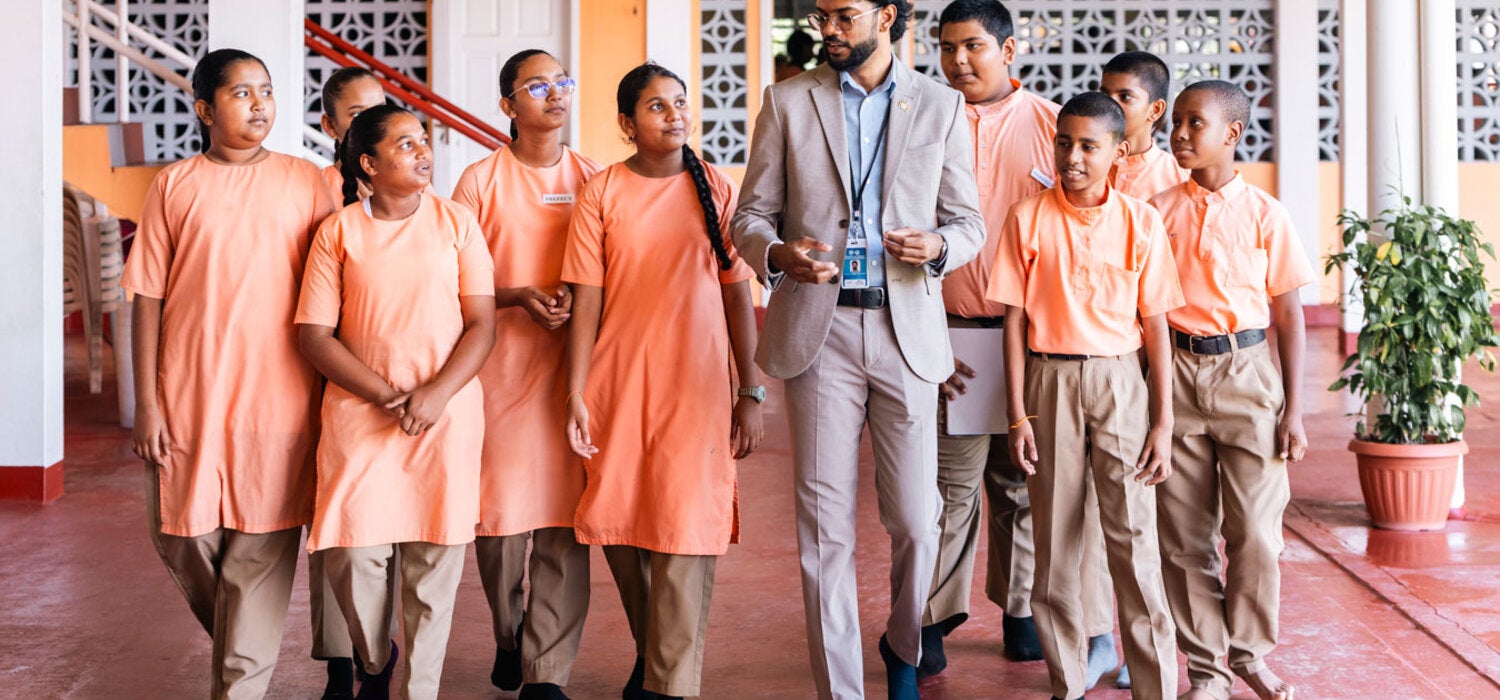
Just over 700 kilometres south of Grenada, Nayan Persaud, Director of Environmental Health at the Ministry of Health Guyana in Georgetown, piloted a climate and health literacy curriculum at Saraswati Vidya Niketan (SVN), as part of his fellowship.
A Holistic Approach to Climate Education
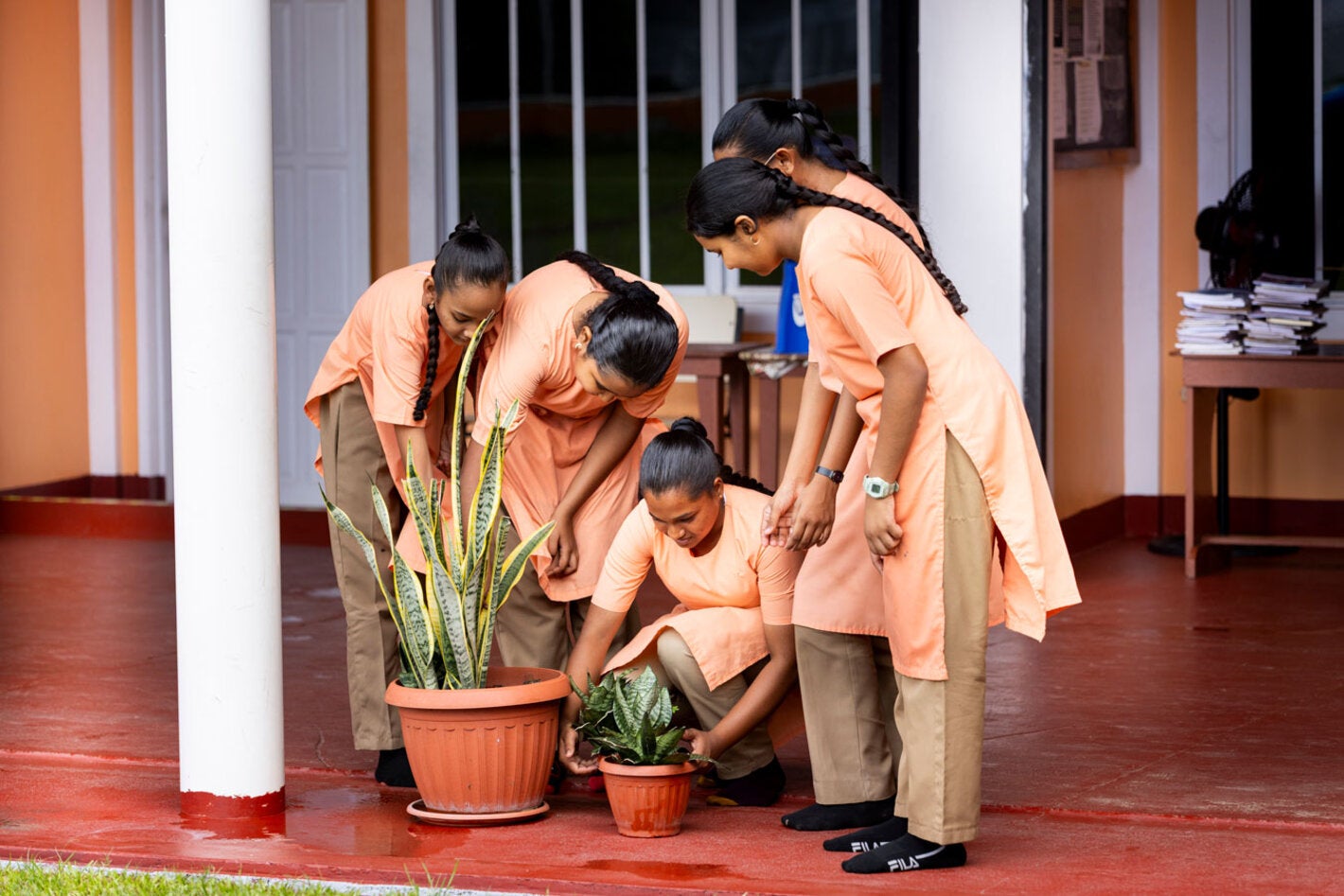
Persaud’s goal is to ensure that students leave high school with the understanding that “everybody has a responsibility to protect our planet and to ensure health is also protected in that process.” The curriculum is integrated into existing subjects rather than delivered as a standalone course, allowing for a more holistic approach to engaging students such as the school pairing classroom theory with practical upgrades. “Every classroom in this school is air-conditioned. Every student has access to water… At this school, there is no bottled water being sold,” Persaud explains, while pointing to the filtration stations pupils now use to refill personal bottles.
A former SVN student himself, Persaud emphasises that this addition to the curriculum at his alma mater encourages students to think beyond immediate concerns like careers or financial stability, and to consider their role in protecting the planet. As Winchester points out, that planet is also home to animals; often forgotten when times get tough. Heat stress, she notes, disrupts animals’ feed and water intake, reduces productivity, and hinders healthy breeding and growth.
With these concerns, Winchester’s next step is to translate the recommendations coming out of the Heat Symposium into Grenada’s first Heat-Threshold Policy Brief for the Ministry of Health, a document that will trigger warnings when the “feels-like” temperature reaches levels dangerous to human and animal health. Winchester argues that the right thresholds can spur simple but life-saving behaviours like “staying in the shade, drinking water regularly, wearing cool clothing, or shifting daily activities to cooler hours.”
Scaling Impact Across the Region
Persaud hopes that this climate change and health curriculum model will be adopted across Guyana and the wider Caribbean, as more schools seek effective ways to educate and create more comfortable learning environments in increasingly hotter climates. But while students are becoming more informed and empowered, significant gaps remain in how different generations perceive and respond to climate-related health risks, leaving ample room for improvement.
Bridging Generational Gaps through Community Action
A 2022 PAHO survey on Public Understanding of Climate Change and Health in the Caribbean”, found that many Caribbean youth under 19 struggle to connect climate risks with everyday health threats such as contaminated food, infectious disease, and mental health stress. The elderly, meanwhile, may not recognise heat as a medical danger until symptoms appear. That’s why Winchester and Persaud are focused on making climate risks relatable and actionable. From moving farm chores to earlier hours to carrying reusable water bottles during commutes, their interventions help translate climate data into simple, protective behaviours.
Building on the GCF Caribbean Readiness project’s finding that health professionals and community leaders are among the region’s most trusted messengers, Winchester and Persaud ground scientific evidence in everyday solutions and deliver them through their own respected local voices, demonstrating how Caribbean societies can both shield their most vulnerable and help communities adapt to a changing climate.