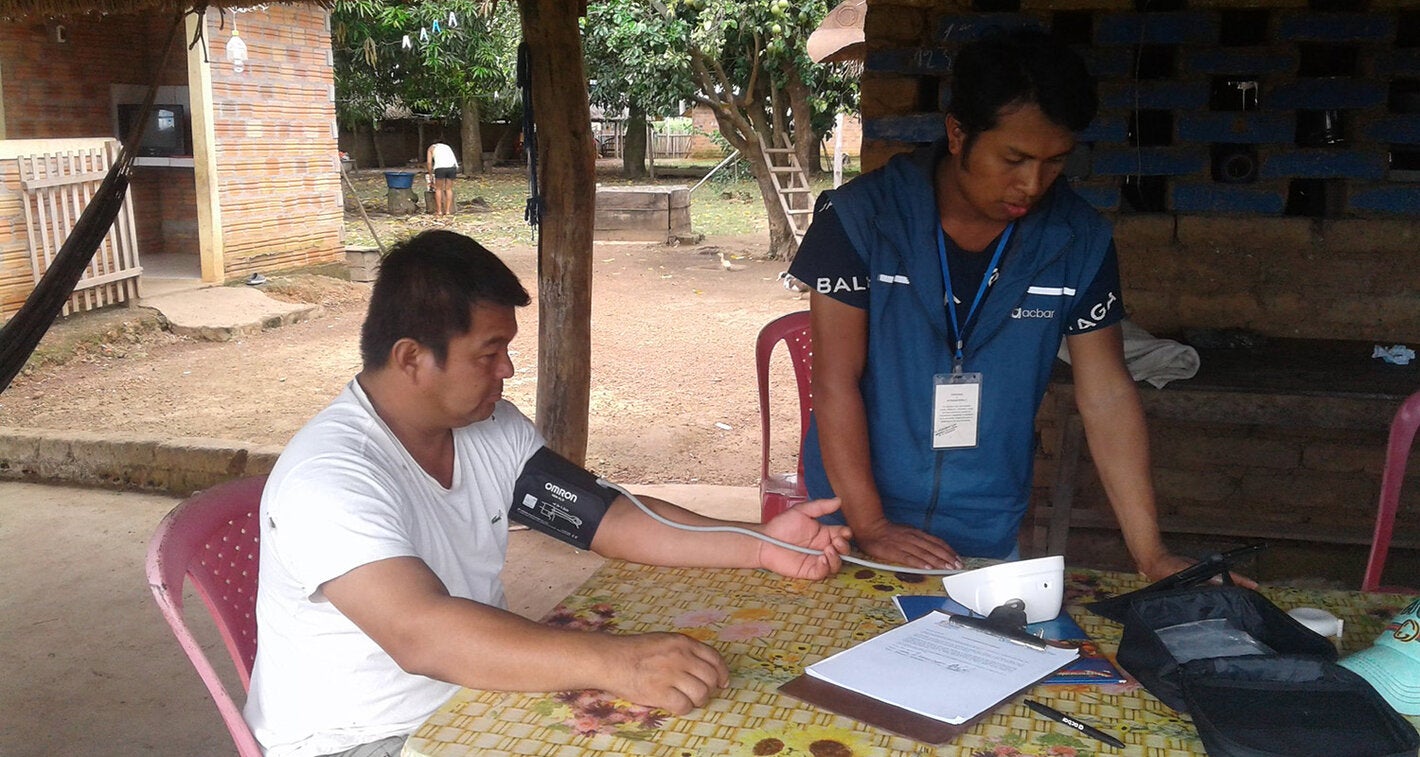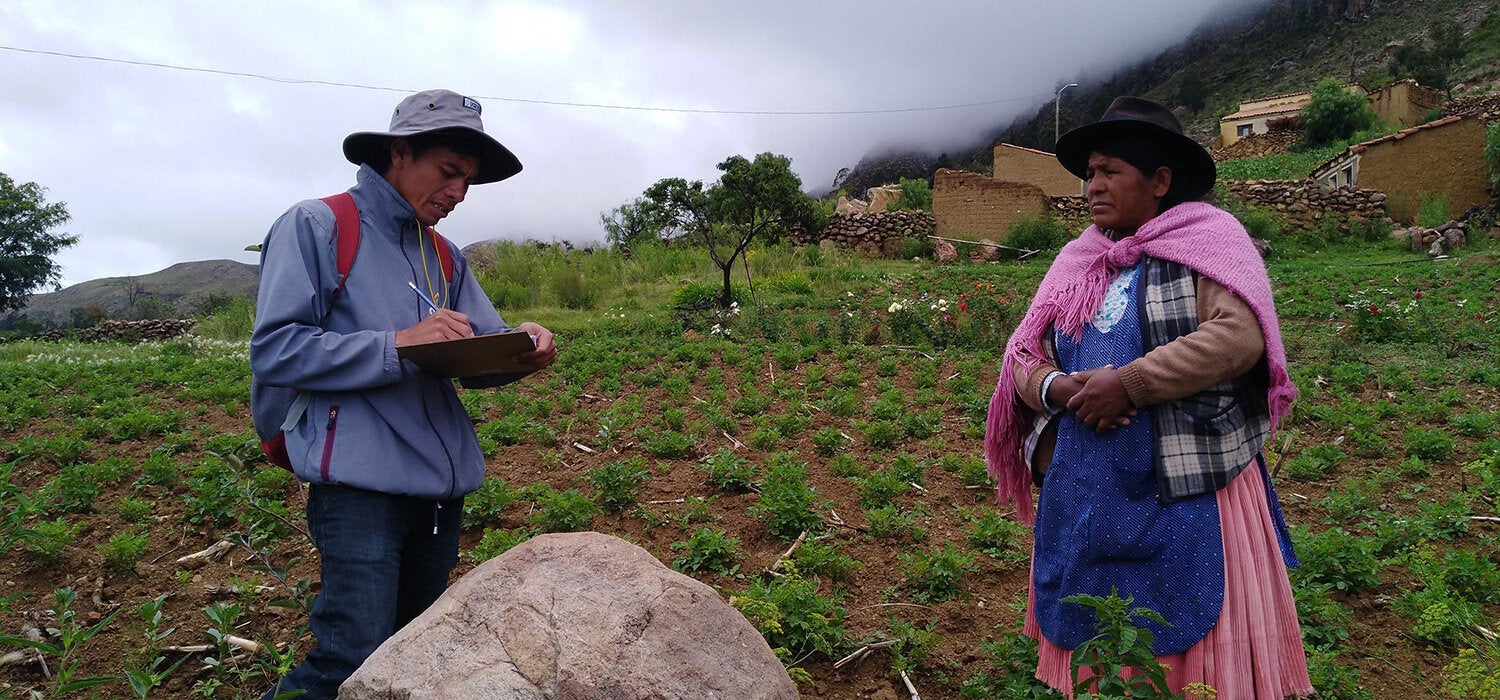
• man with clipboard interviews local resident
    PAHO/WHO
    Credit

Counting what can't be seen: How PAHO helps countries understand noncommunicable diseases

A national survey in Ecuador shows how PAHO supports countries across the Americas in generating the data needed to better understand noncommunicable diseases and inform public health policies.

— August 2026 —

Noncommunicable diseases (NCDs), such as diabetes, cancer, and cardiovascular diseases, are the leading cause of death and disability in the Americas. Yet in many countries, it remains difficult to know how many people are living with these conditions, how many remain undiagnosed, and what barriers they face in accessing care.

Unlike many infectious diseases, NCDs are often not included in surveillance systems capable of providing a complete picture of their impact. As a result, many countries lack sufficient data to understand their true burden and effectively guide prevention and care policies.

In 2025, the Pan American Health Organization (PAHO) supported Ecuador in implementing a national survey based on a sample of nearly 6,700 households spread throughout the country, including remote areas and the Galápagos Islands. The experience is part of a broader regional effort by PAHO to help countries measure the burden of noncommunicable diseases.

Sonia Quezada, PAHO/WHO Representative in Ecuador, emphasized the importance of this work: "Noncommunicable diseases represent one of the greatest threats to the health and development of our countries. Having reliable, up-to-date information is essential for guiding public policies and allocating resources more effectively."
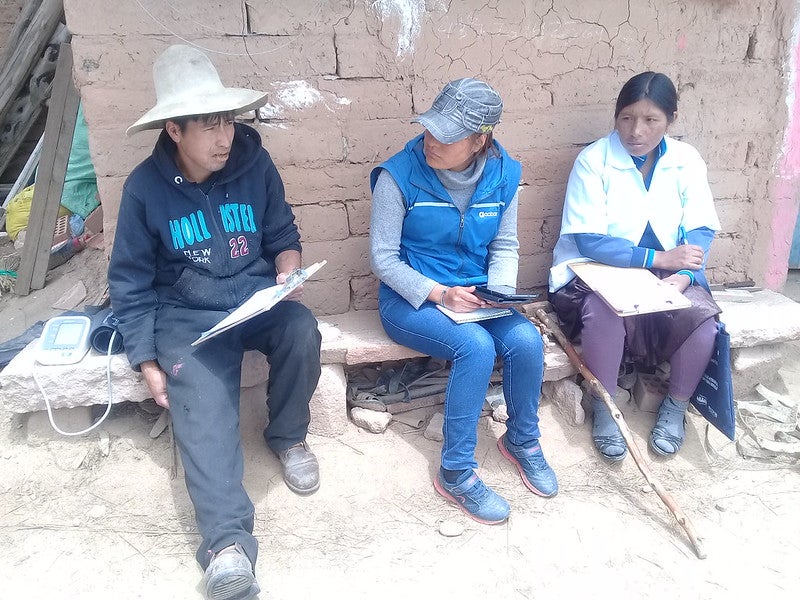
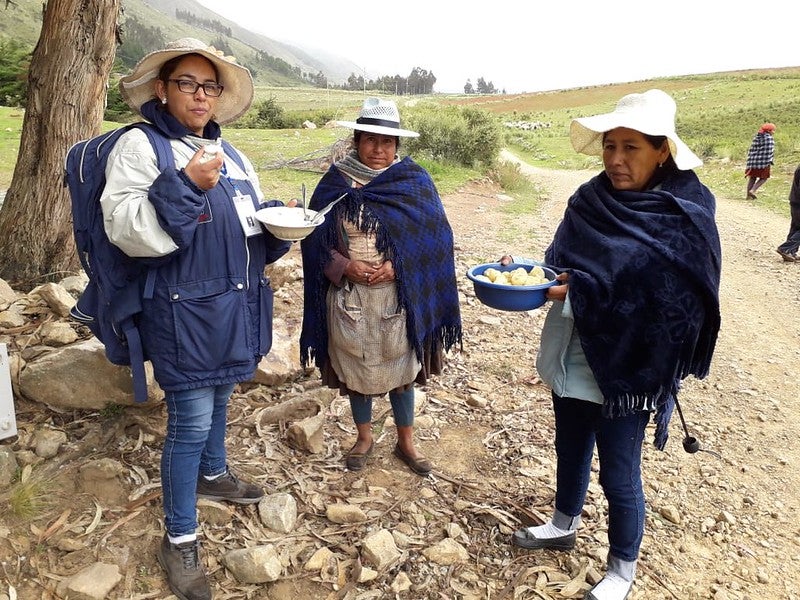
conducting interview
Teams of surveyors conduct interviews and health measurements as part of the national surveys supported by PAHO. The information collected helps to better understand the impact of non-communicable diseases and guide evidence-based public policies.

Door to door, one data point at a time

Known as STEPS, a standardized methodology developed by WHO and used in dozens of countries, the survey combines questionnaires with physical measurements and biochemical tests, including blood pressure, height, weight, blood glucose, and cholesterol, to collect comparable data on the main risk factors for noncommunicable diseases.

Over a two-month period, teams of survey workers traveled across Ecuador, going door to door to conduct interviews. The effort required close coordination with the Ministry of Public Health (MSP) and the National Institute of Statistics and Census (INEC).

"The biggest challenge is reaching selected areas and ensuring that people participate," explains Nataly Mendoza, a Sociodemographic Statistics Analyst at INEC. "Teams are mobilized to the country's most remote and dispersed communities where they must build trust in a context where insecurity already makes some people reluctant to open their doors or share information.”

To ensure the results are representative, the survey must achieve adequate participation across all selected geographic areas and population groups. This requires public information campaigns, coordination with local authorities, and continuous monitoring of fieldwork.

Despite these challenges, Mendoza believes the effort is worthwhile. "It is always important to invest in research and generate data. If we don't collect information, we don't have the evidence needed to develop public policy."

Reaching remote communities
Reaching remote communities, building trust, and ensuring a representative sample are part of the work that makes it possible to produce reliable data on the population's health. Behind every piece of data, there's a coordinated effort between national authorities, participating communities, and PAHO.

A system behind the data

Population-based surveys supported by PAHO help identify risk factors, understand barriers to care, and capture information about people who may never come into contact with the health system. They complement information generated through health facilities and together provide a more complete picture of noncommunicable diseases and their risk factors.

In addition to national household surveys, PAHO supports countries in conducting school-based and telephone surveys, as well as strengthening health information systems in health facilities.

In recent years, these tools have generated evidence to help evaluate public policies. In Uruguay, a telephone survey found that nearly 80% of respondents support banning the sale of ultra-processed foods in schools. In the field of mental health, school-based surveys have also helped identify challenges that are difficult to capture through other means, including bullying and cyberbullying.

"If data are not being used to guide policies and interventions, then we are not doing enough to conduct public health surveillance," explains Roberta Caixeta, PAHO Regional Advisor on Surveillance, Prevention, and Control of Noncommunicable Diseases.

PAHO is currently supporting the implementation of a national survey in Suriname, while Guatemala and Honduras are planning similar surveys in 2027, expanding the evidence available to inform public health policies.

National surveys combine questionnaires with physical measurements and biochemical tests to gather information about non-communicable diseases and related risk factors.

From data to action

For Ecuador's Ministry of Public Health, having up-to-date information makes a big difference.

"It allows us to make timely decisions, both in the delivery of health services and in public policies related to noncommunicable diseases," explains Ana Gutiérrez, National Director of Prevention and Control Strategies.

The data help identify gaps and guide concrete actions, from prevention programs to regulatory measures and new treatment options.

"Having up-to-date data allows us to make evidence-based decisions—better decisions that benefit the population," says Gutiérrez.

In a context where these diseases often progress silently, acting early is essential.

"The greatest challenge is that they are often detected too late, when complications have already developed," she warns. "This affects not only people's health, but also the economies of families and of the country."

The trained teams, digital tools, and experience gained through the survey will strengthen Ecuador's capacity to continue monitoring noncommunicable diseases over time. Behind every data point is a public health decision, and better data help countries make better decisions.