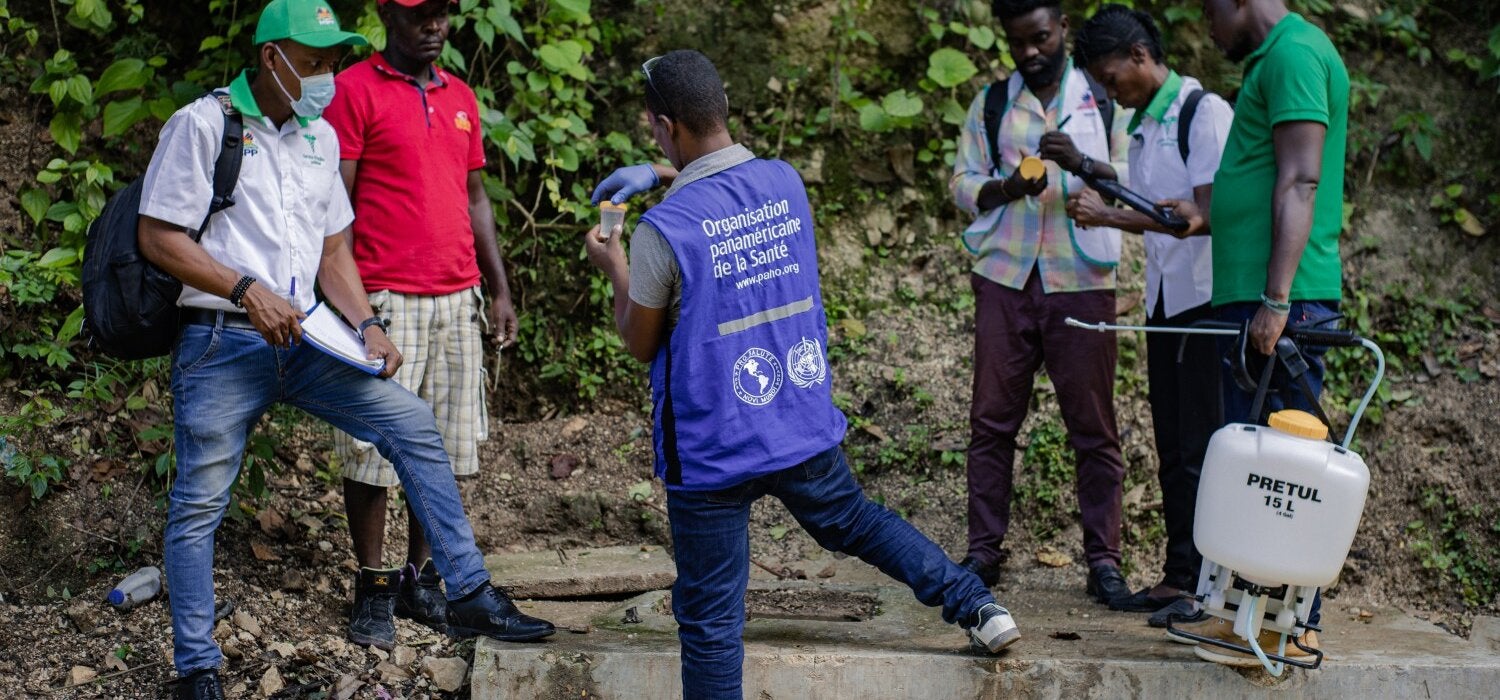
• testing water for cholera in haiti

The fight against cholera in Haiti: Communities, government, and health partners work together to save lives

When Modeline left her home early that Tuesday morning to sell goods at the market, she had no idea it would be the last time she saw her young daughter alive.

— November 2025 —

“She had diarrhea and was vomiting a bit,” Modeline recalls quietly. “But it seemed to stop. The next day, I thought she was getting better. When I came back from the market, they told me she was gone.”

Her story is one of many in Pétion-Ville, a densely populated commune in the hills above Port-au-Prince that has become the center of the most recent cholera flare-up in Haiti. After more than ten weeks without a confirmed case, the country reported a new outbreak in September 2025. Between September 7 and November 9, 372 suspected cases were identified in Pétion-Ville, including 75 confirmed, and 17 deaths.

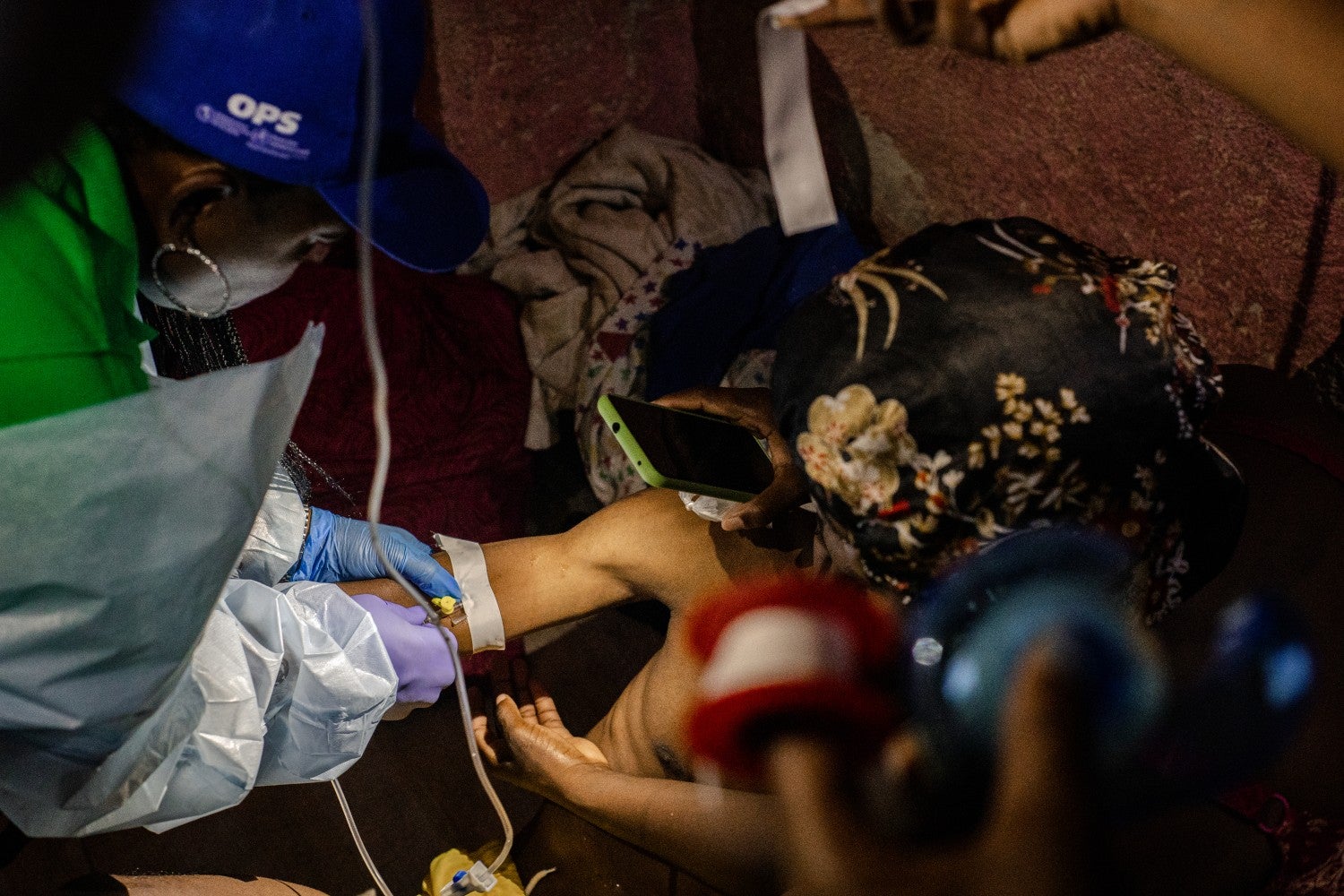
nurse inserting IV in patient's arm

A resurgence amid the rainy season

The current cholera epidemic, which began in October 2022, has affected over 93,000 people across Haiti. Health authorities link the recent surge in cases to seasonal rains that contaminated water sources, coupled with overcrowding and inadequate sanitation in urban areas. Although Hurricane Melissa did not make direct landfall in Haiti, the storm brought heavy rains and flooding that damaged water and sanitation infrastructure, further increasing the risk of transmission among vulnerable communities.

“The lack of proper sanitation facilities and access to safe water makes it easy for cholera to spread,” explains Pierre Jacmel, president of the Pelerin 5 community committee, a neighborhood in the hills above Port-au-Prince. “People use the same water for everything, washing, cooking, even waste disposal. The small water catchment broke, and now runoff water mixes with what people drink.”

Jacmel and his committee immediately alerted the Ministry of Public Health and Population (MSPP) and its partners of the presence of suspected cholera cases and deaths in the community. A rapid response team was deployed to the area.

“They came, disinfected the affected houses, and started looking for ways to repair our water systems,” Jacmel says. “But we still need more help.”

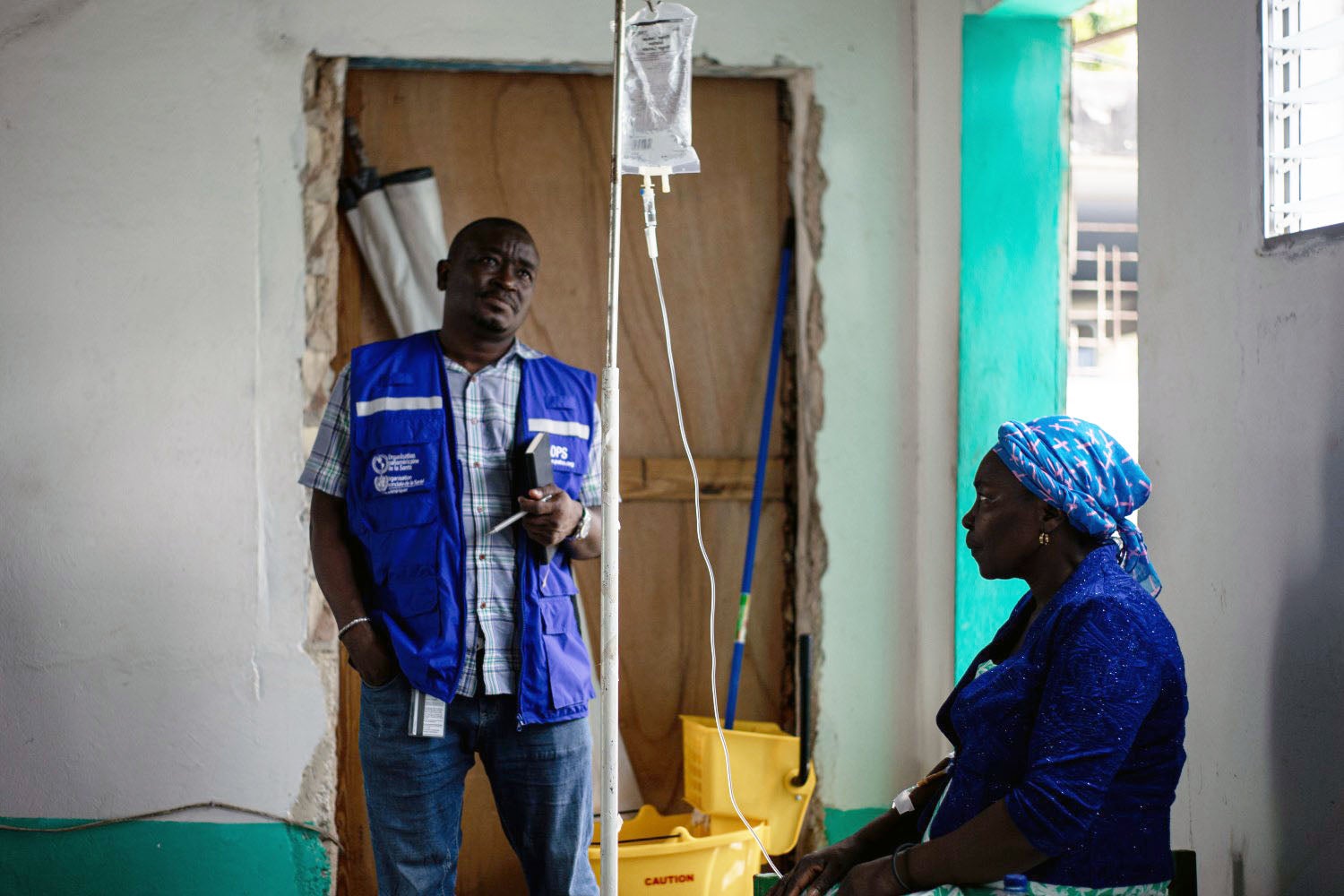
PAHO health worker

Coordinated response and community engagement

With financial support from the European Union (DG ECHO), the Pan American Health Organization/World Health Organization (PAHO/WHO) has been supporting the MSPP-led national response. Under the leadership of the reactivated National Cholera Task Force, teams have strengthened epidemiological surveillance, rapid response activities, and provided essential medical supplies for care and prevention, including oral rehydration salts, medicines, water purification tablets, and chlorine.

PAHO/WHO and partners have also deployed health workers in affected neighborhoods and surveillance teams in displacement sites to support decontamination, raise awareness about risks, and engage community efforts.

Local health centers have received support to enhance their capacity for managing cholera cases, including the expansion of treatment spaces and the provision of essential resources. In addition, Cholera Treatment Centers (CTCs) and community-based oral rehydration points have been established closer to affected neighborhoods, improving access to timely care.

In the affected communities, PAHO/WHO and its partners reached 3,715 households, raising awareness among more than 26,000 people. A total of 295 houses and 158 latrines were disinfected, while over 18,000 water purification tablets and 2,700 oral rehydration solution (ORS) sachets were distributed to support safe water and community-based rehydration. Health workers also provided preventive treatment to more than 500 people who had been in close contact with confirmed cases.

In the wake of Hurricane Melissa, cholera surveillance and response were reinforced nationwide, with a focus on Artibonite, Nord, and Ouest departments as well as displacement sites. Additional medical and water, sanitation and hygiene (WaSH) supplies are being prepositioned to support the timely response to a potential increase in cases of cholera resulting from floods.

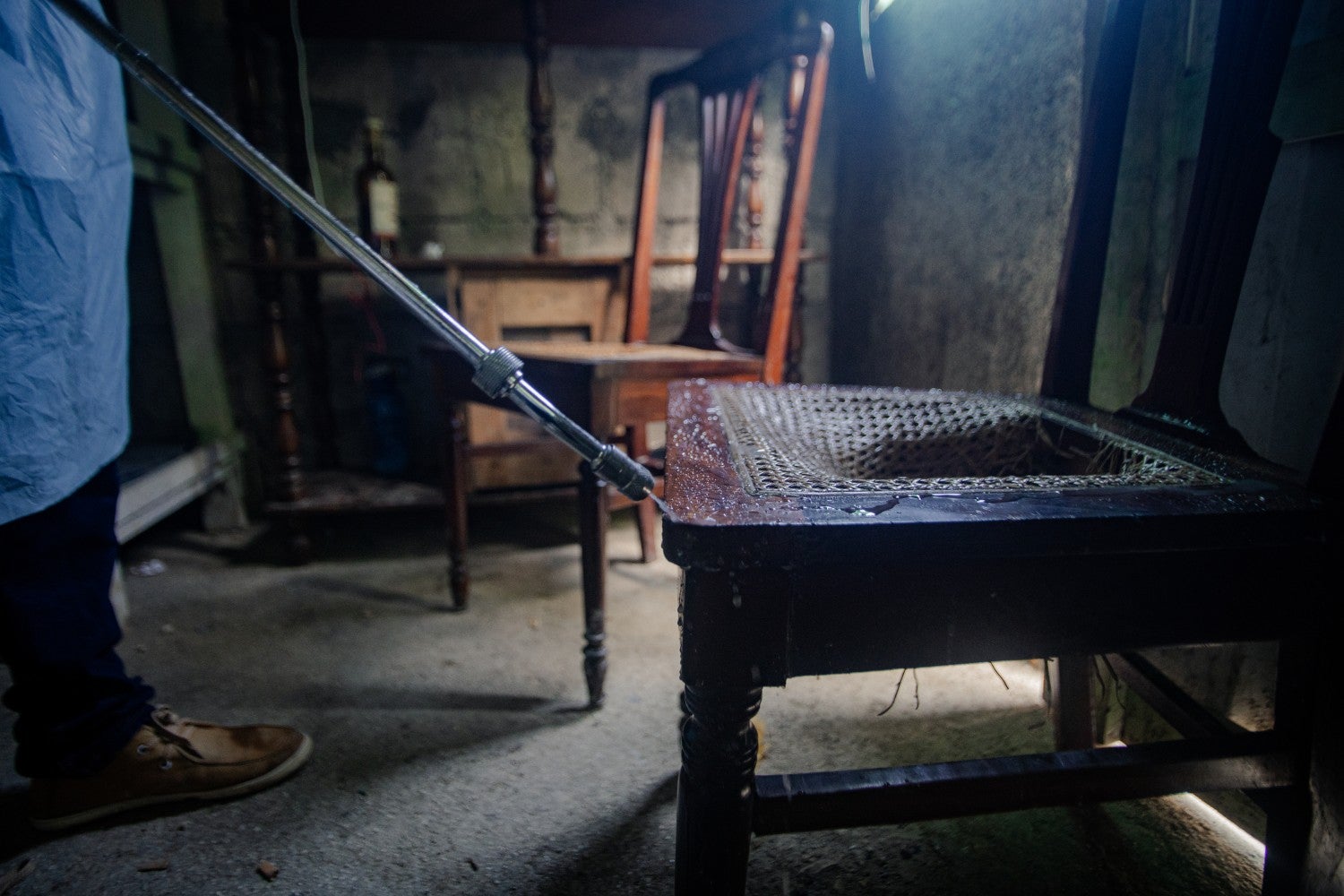
decontamination a chair

Hope and vigilance

After several weeks of intensive response, the number of new cases has begun to decline, but partners involved in the response remain cautious.

“We are seeing a downward trend, but continued vigilance is essential,” says Dr Oscar Barreneche, PAHO/WHO’s representative in Haiti. “Access to safe water, hygiene, and community awareness remain key to preventing new infections.”

Across the country, five active outbreaks are currently under surveillance with response activities underway: Pétion-Ville, Delmas (Ouest department), Belle Anse, Grand Gosier, and Marigot (Sud-Est department).

In the Sud-Est department, 72 suspected cases and 11 deaths were reported over the past three weeks. Large-scale response activities are underway, with support from PAHO/WHO and UNICEF, to interrupt transmission chains, strengthen case management, and prevent further spreading to other municipalities.

These outbreaks highlight the ongoing vulnerability of Haitian communities to waterborne diseases and the critical need for long-term investment in water, sanitation, and hygiene infrastructure.

“The fight against cholera is everyone’s fight,” says Dr Barreneche. “Each life saved today reminds us why we must continue working hand in hand with communities and partners to protect health and dignity for all.”