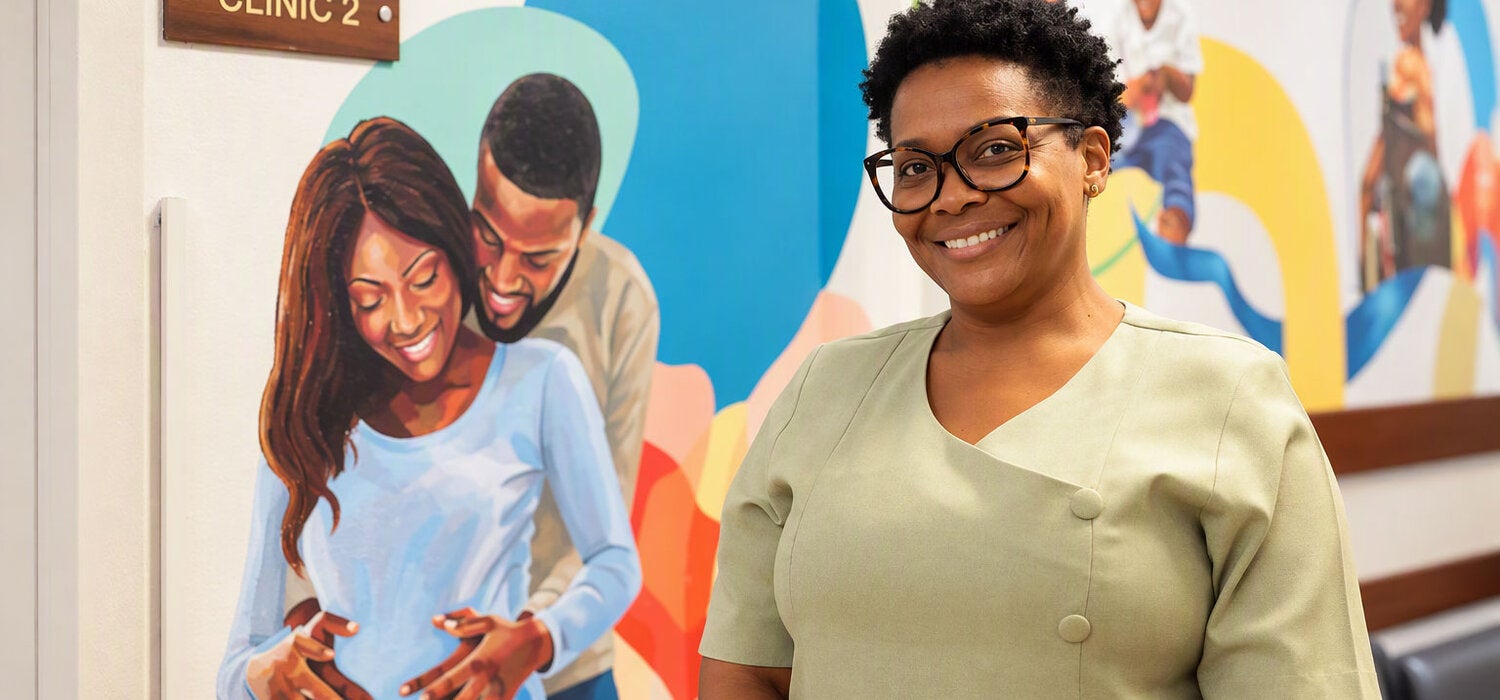
• Across Barbados, maternal health services provide an important point of access to HIV testing, treatment and care, helping protect the health of pregnant women and their babies.

From HIV diagnosis to a child born HIV-free: Sarah's story in Barbados

One woman's experience shows how timely access to HIV testing, treatment, and compassionate care can change the lives of mothers and their children.

— October 2026 —

When Sarah* learned she had HIV, she was young and pregnant. The diagnosis brought overwhelming fear. She worried about her own future, about the health of her unborn baby, and about how her family and community would react.

"When I first got my diagnosis, to be honest, it hit me hard, like wham," she recalls.

After receiving her diagnosis at a local clinic, Sarah immediately called her mother, who reassured her over the phone. Sarah was still aware of the rumors and speculation surrounding HIV in her community, and she became increasingly worried about how others would perceive her.

Her experience began to change when she visited the Ladymeade Reference Unit (LRU), a facility providing specialized HIV care in Barbados.

"The care team was responsive. They explained everything to me. They took me through the process including what I could expect."

The health workers explained what would happen during her pregnancy, the medication she would receive, how she would be cared for at the hospital, and the steps to protect her baby from HIV.

"I could not have done it without the team, to be quite honest," she says. "I don't think I would have had the confidence to continue."

With treatment and follow-up care, Sarah gave birth to a child free of HIV.  Her experience is an example of what Barbados has worked to make possible for pregnant woman living with HIV.
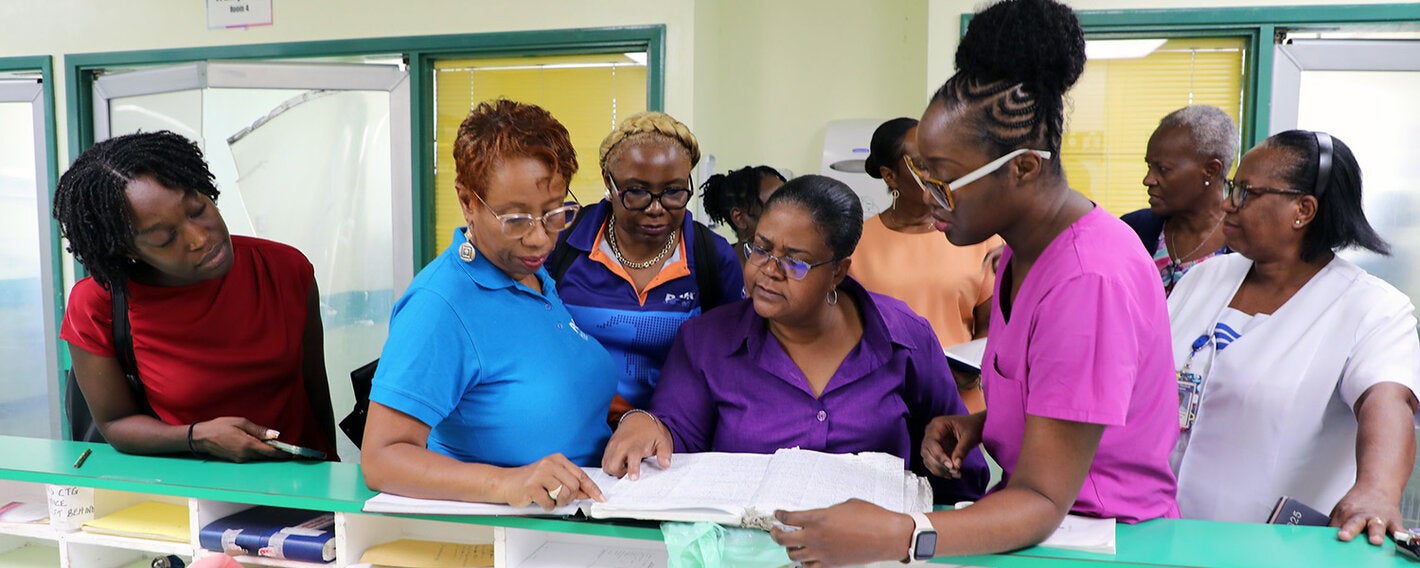
Health workers and PAHO/WHO personnel review services at a health facility in Barbados. Strengthening the quality and continuity of care has been central to the country's efforts to prevent mother-to-child transmission of HIV.

A national achievement built on access to care

In October 2026, the World Health Organization (WHO) certified Barbados for eliminating mother-to-child transmission of HIV as a public health problem, recognizing the country's efforts to ensure that women living with HIV can receive the services they need to protect their own health and that of their children.

WHO certification does not mean that HIV has been eliminated from Barbados. It recognizes that mother-to-child transmission has been reduced to a level at which it is no longer considered a public health problem, while the country maintains the services and systems needed to sustain that achievement.

Between 2022 and 2024, Barbados recorded 6,352 live births. During that period, 98% of the expecting mothers were tested for HIV.  Among those diagnosed with HIV, 98% received antiretroviral treatment, and no babies were born with HIV. 

Through its network of public polyclinics and hospitals, Barbados provides free HIV testing and treatment to pregnant women regardless of nationality, as well as follow-up care and early testing for babies exposed to HIV.

Without appropriate interventions, HIV can be transmitted from mother-to-child during pregnancy, childbirth, or breastfeeding. With timely diagnosis, effective antiretroviral treatment and appropriate care, transmission can be prevented.

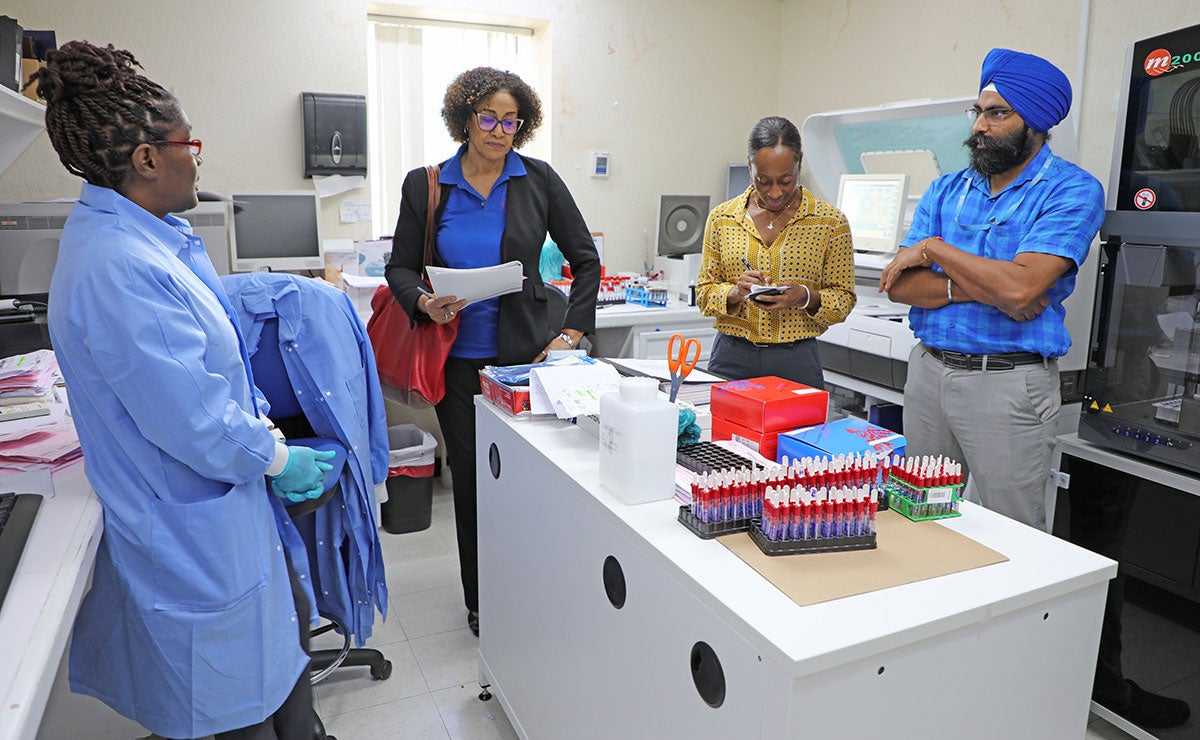
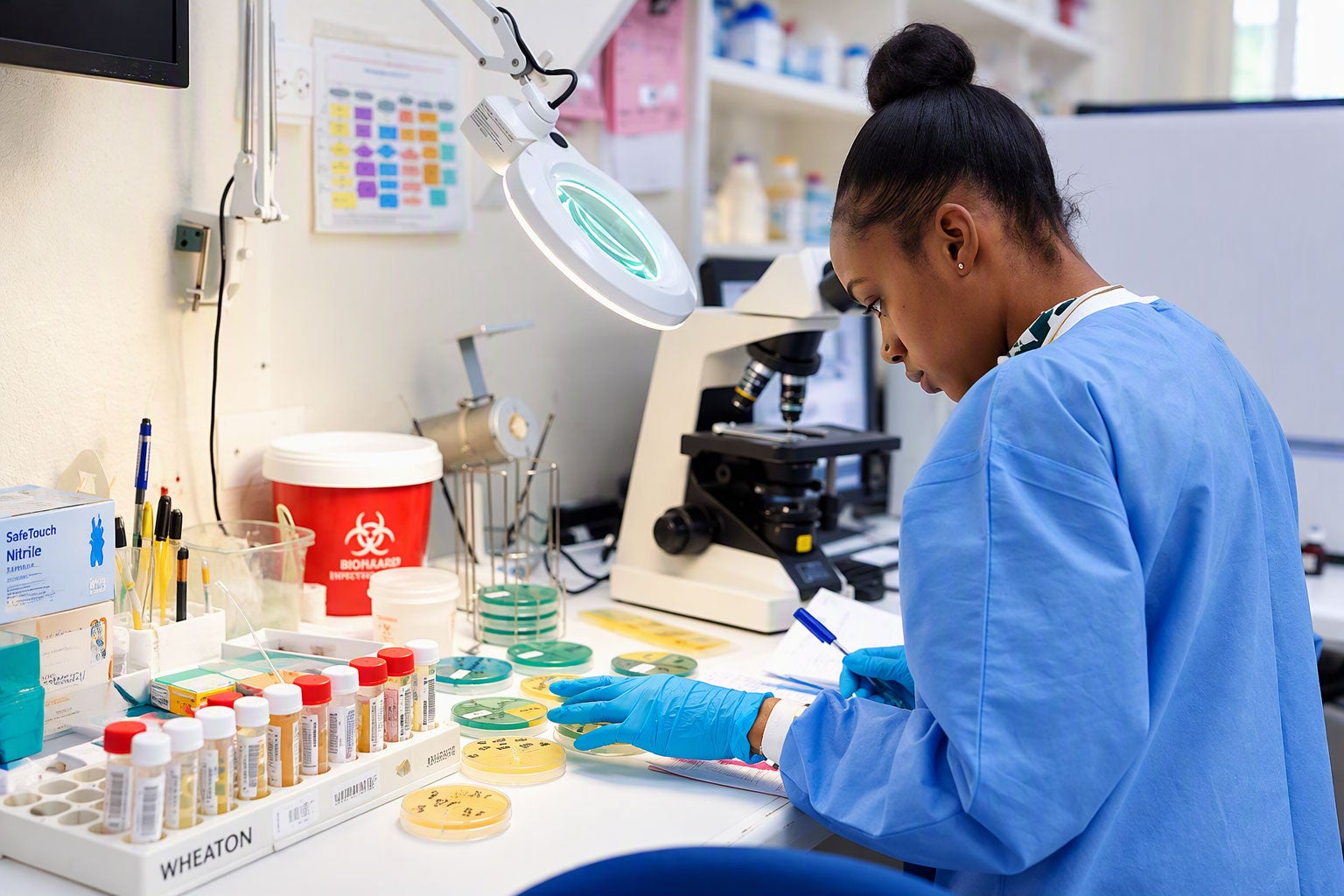
Laboratory services are an essential part of HIV care, supporting timely testing, diagnosis and follow-up for pregnant women and babies exposed to HIV.
The support behind the achievement

The Ministry of Health and Wellness, the Pan American Health Organization (PAHO/WHO), health professionals and civil society organizations have worked together to strengthen HIV services, surveillance and quality of care, helping Barbados achieve the elimination of mother-to-child transmission of HIV.

The independent assessment recognized the country's high levels of testing and treatment coverage, as well as its commitment to protecting women's rights, ensuring confidentiality, and providing care without discrimination.

For women like Sarah, these aspects of care are particularly important. Although she received medical treatment, she also had to confront fear and stigma surrounding HIV. She realizes fear of rejection can prevent people from seeking opportunities or support and care.

"I think I stigmatized myself a bit," she says.

Alongside the care she received from nurses, counseling helped her understand her diagnosis and begin to see a future beyond it.

To pregnant women facing an HIV diagnosis, Sarah offers the reassurance she once needed. "I know it is scary. It was scary for me," she says. "Don't be afraid of seeking treatment. Get help. Let them guide you through the process and I assure you it's worth it in the end."

For Barbados, maintaining the elimination of mother-to-child transmission of HIV will require continued access to testing, treatment and follow-up care, as well as efforts to address stigma and ensure that no woman is left behind.

Elimination of mother-to-child transmission (EMTCT) pre assessment laboratory

* Name changed to protect her identity.