Disinfecting robots, solar-powered refrigerators, and digital health records present a cohesive story of innovation with purpose, where technology meets the needs of health workers and patients.
—December 2025—

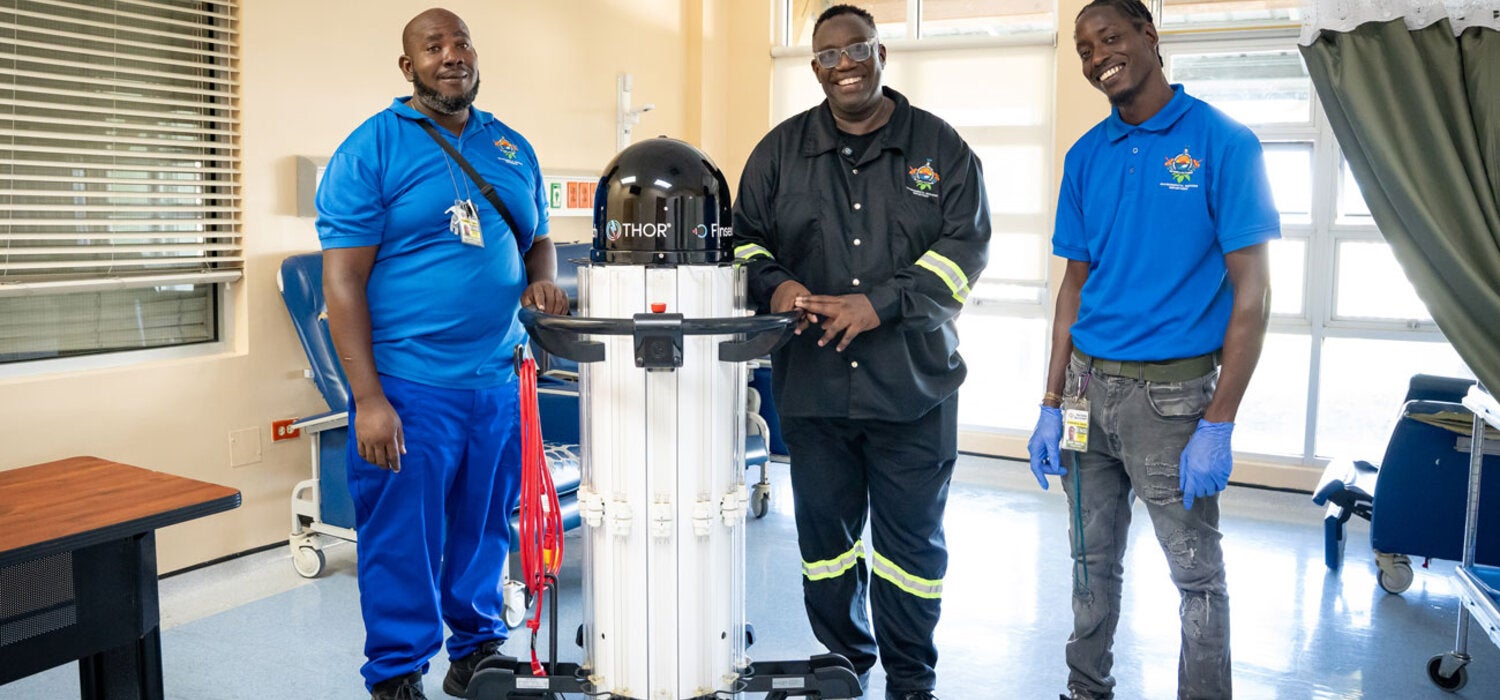
The first thing patients notice is a slight hum audible above the sounds of a busy ward. Then they see it: a sleek ultraviolet “robot” gliding into a room that, only minutes earlier, had been occupied by a patient with a highly infectious disease. For health workers in Trinidad and Tobago, what once seemed farfetched is now becoming standard fare in a health system undergoing a transformation powered by innovation and strategic support from PAHO/WHO.
Across the country, three innovations are reshaping how care is delivered and telling a story not just about technology, but about how health workers are solving problems.
At Scarborough General Hospital, the environmental services team has a new colleague. They’ve even given her a name: Roberta.
Roberta is one of Trinidad and Tobago’s disinfecting health service robots, introduced through the Bringing High and Low Technology (HALT) to COVID-19 in Trinidad and Tobago project. This PAHO/WHO driven initiative was funded by the India-UN Development Partnership Fund, which is managed by the United Nations Office for South-South Cooperation (UNOSSC). Designed to enhance infection prevention and control, Roberta uses ultraviolet light to disinfect clinical spaces quickly and thoroughly.
“It has been revolutionary,” says Anderson McPhee, Manager of Environmental Services at Scarborough General Hospital in Tobago. Before, when a tuberculosis patient was discharged, it took at least 12 hours to air out the room before it could be occupied again. Now the room can be used again within minutes.
“But, with the ultraviolet robot, Roberta, that room can be occupied almost immediately, within five to 10 minutes of completion of the sanitation process” he emphasized.
Trinidad and Tobago’s Ministry of Health received a total of eight health service robots (two disinfecting and six humanoid healthcare robots). By reducing downtime and the use of bleach, the robots help facilities handle higher patient volumes safely—an innovation that strengthens both emergency response and routine care. Capacity-building and ongoing training continue with PAHO/WHO support, ensuring staff can operate and maintain this new technology effectively.
“What the clinical staff love is the fact that they can roll over infectious rooms so fast, because we have never had the opportunity to do that,” McPhee said.
Energy reliability can make or break a vaccine program. For clinics across Trinidad and Tobago an electrical outage carries a risk: the loss of life-saving vaccines. The PAHO Revolving Fund facilitated the donation of solar-powered vaccine refrigerators to health facilities, which has changed the game for vaccine storage.
The new units keep vaccines within the crucial 2–8°C range, even during extended power disruptions and can hold a charge for three days. For frontline health workers, the difference is more than technical—it’s emotional.
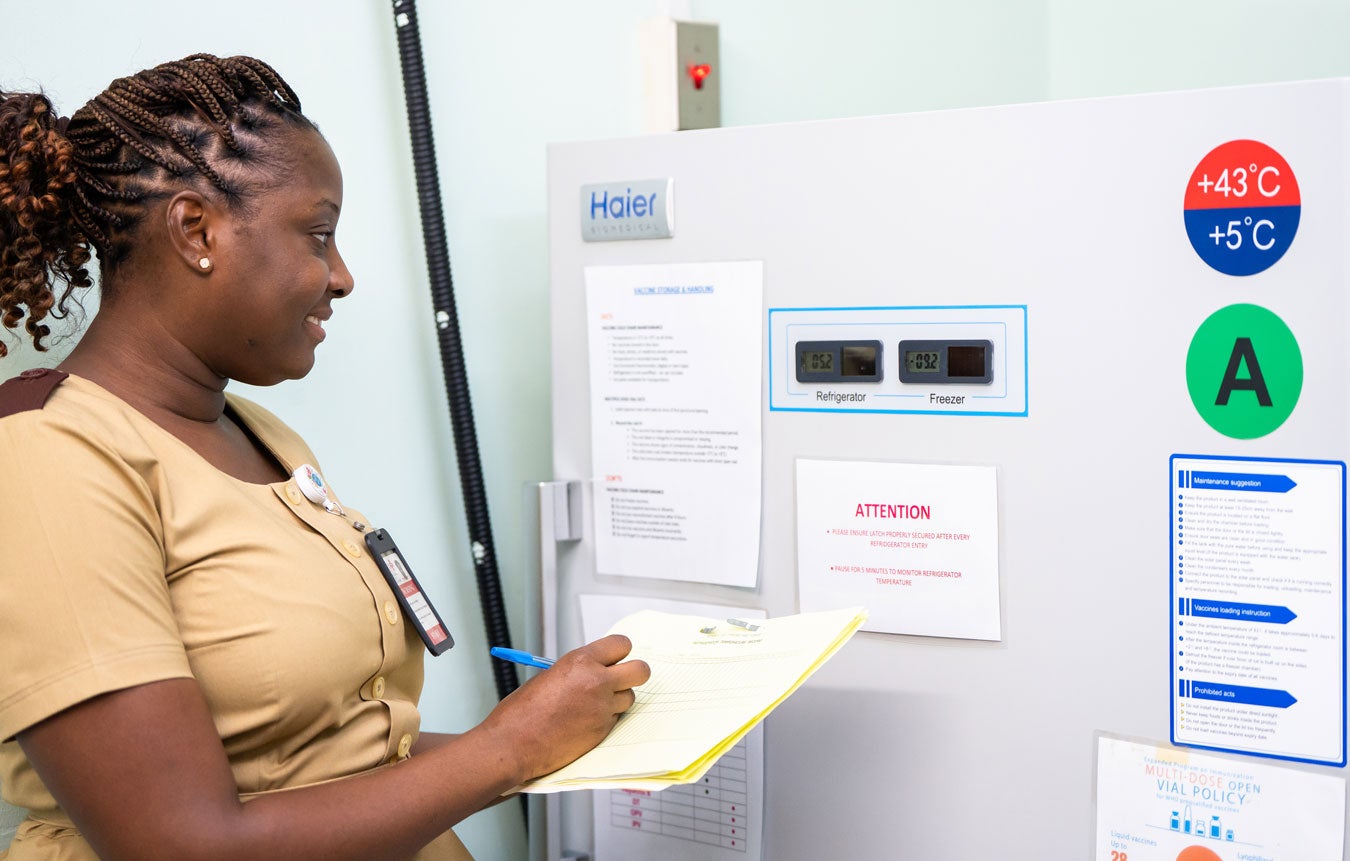
“It gives me a little piece of mind,” according to Adanna Kobie-Blaides, District Health Visitor from Trinidad’s Northwest Regional Health Authority.
In the wake of the COVID-19 pandemic, the country gained valuable lessons in vaccine storage. Next, PAHO/WHO plans to support the country with remote temperature monitoring systems to close a critical after-hours gap and further strengthen the country’s cold chain resilience for immunization campaigns and emergency response.
“So now we can keep more vaccines at our facility. And if, for some reason, electricity goes, that fridge is maintained for quite some time, and we're able to use it even though we don't have electricity at times” said Tricia Bramble-Penny, the Senior District Health Visitor from Trinidad’s Eastern Regional Health Authority.
If robots and fridges have strengthened Trinidad’s infrastructure, the country’s application of the Perinatal Information System (SIP and SIP Plus) is strengthening information.
Digitizing perinatal records through PAHO/WHO’s technical support has enabled thousands of maternal and newborn files to be stored securely, accessed immediately, and shared seamlessly across facilities. For clinicians, the change is profound.
In partnership with Trinidad and Tobago’s Ministry of Health, PAHO/WHO has provided technical assistance to digitize and securely store thousands of patients’ records. The records also provide the ministry with data to improve planning and strategies in addressing maternal and infant care issues.
“Compared to past times when we had to write handwritten notes, there have been significant changes and upgrades” said Dr. Kristy Mendes, a Medical Officer at Sangre Grande Hospital. She also noted the improvement in the care that they are able to provide for patients.
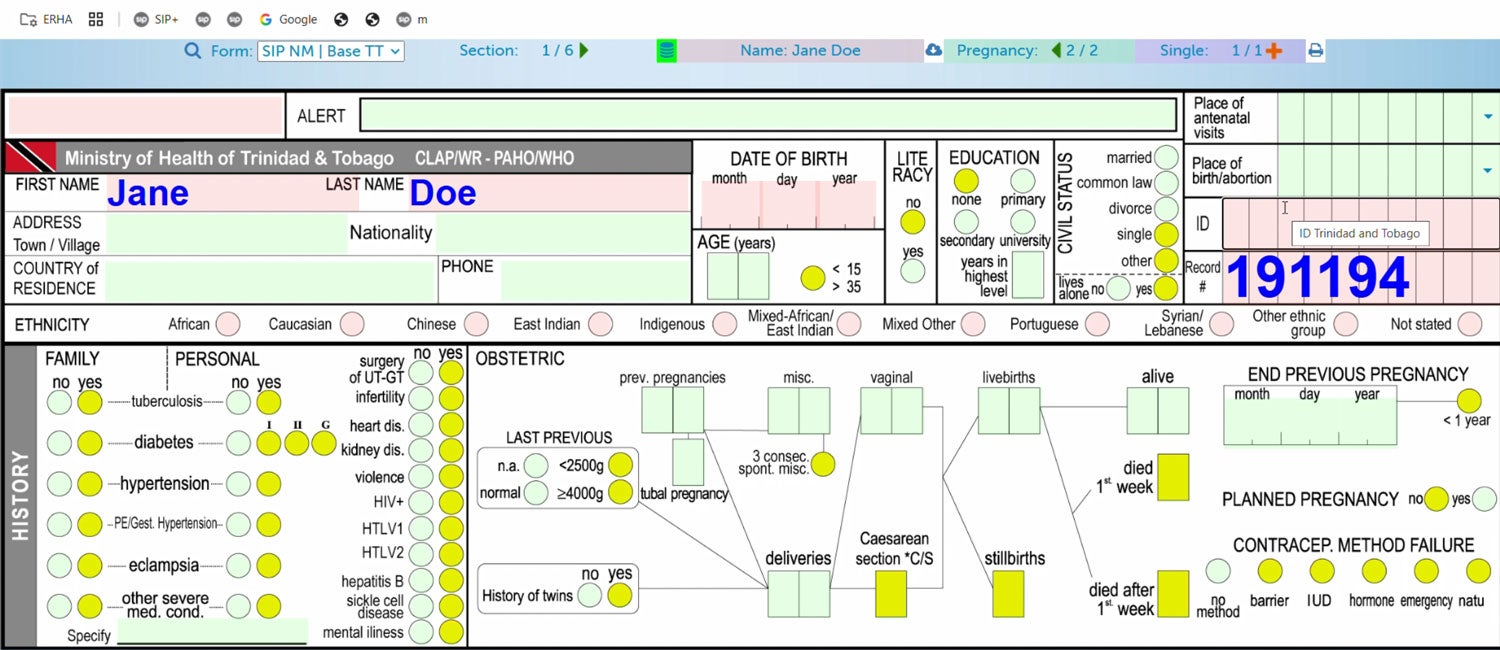
Thanks to the SIP, lost or mismanaged health records are no longer a problem. Patient’s records are available electronically at the clinic and wards for access by authorized personnel, which complement the handheld record which the patient keeps. An additional IT system called SIP PLUS enables the hospital to generate reports.
“One click and you get everything right in front of you. Before we had to go through the clerks,” said Eliel Briggs, District Nurse at Sangre Grande Hospital. “Now, you just have to either search a name or ID number, and everything is right there”
A patient’s full medical records and data are also available at the Ministry of Health, where a state-of-the-art server was installed, allowing for easy, instantaneous monitoring.
Perhaps most important, the new system has helped to standardize care across the country, bringing consistency to services.
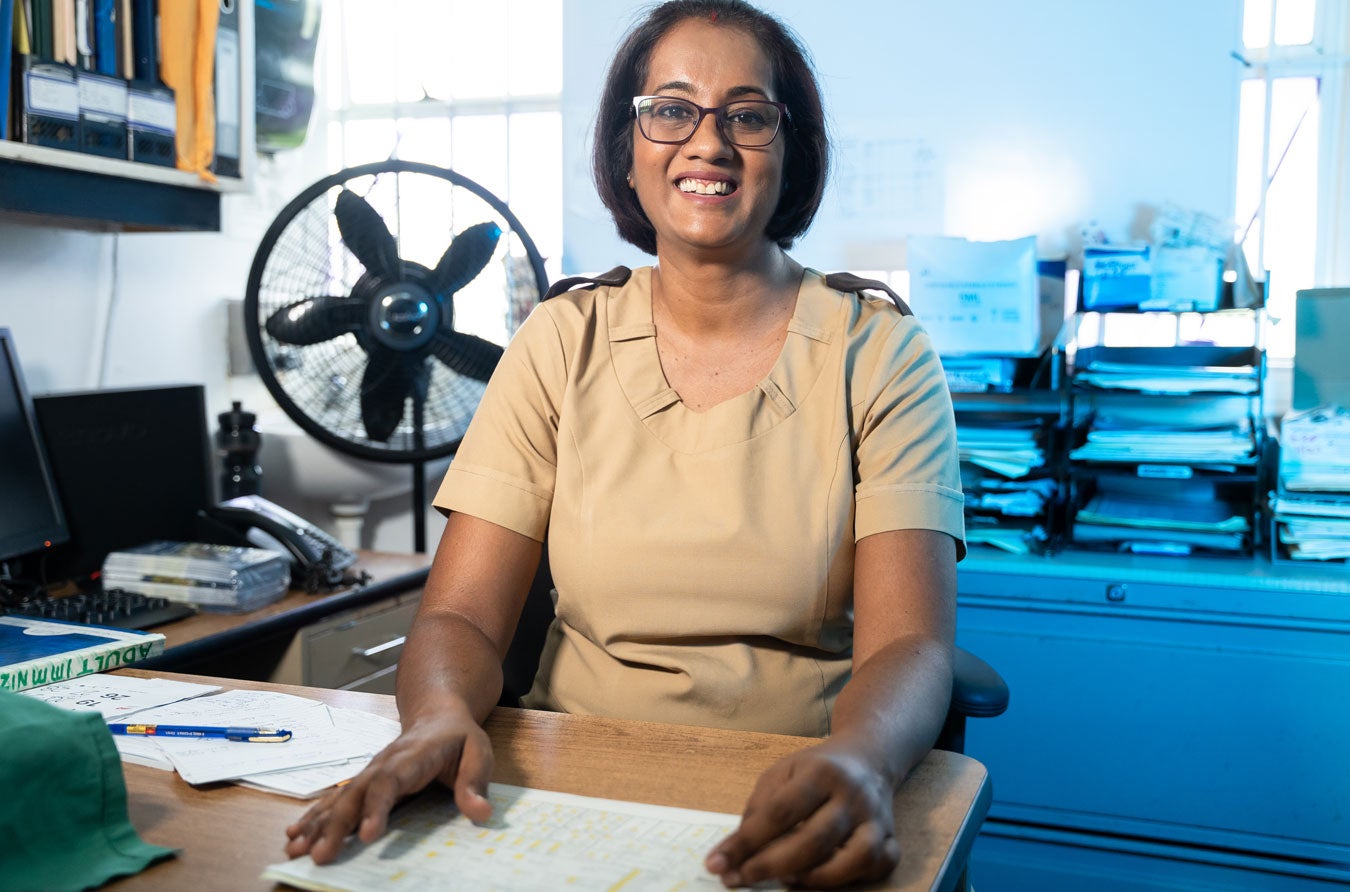
“It paints the picture for you in terms of managing the clients,” said Sasha Doolarchan, District Health Visitor from Trinidad’s Southwest Regional Authority. “Everybody asks the same questions, and they collect the same data, so you get a standardized care.”
