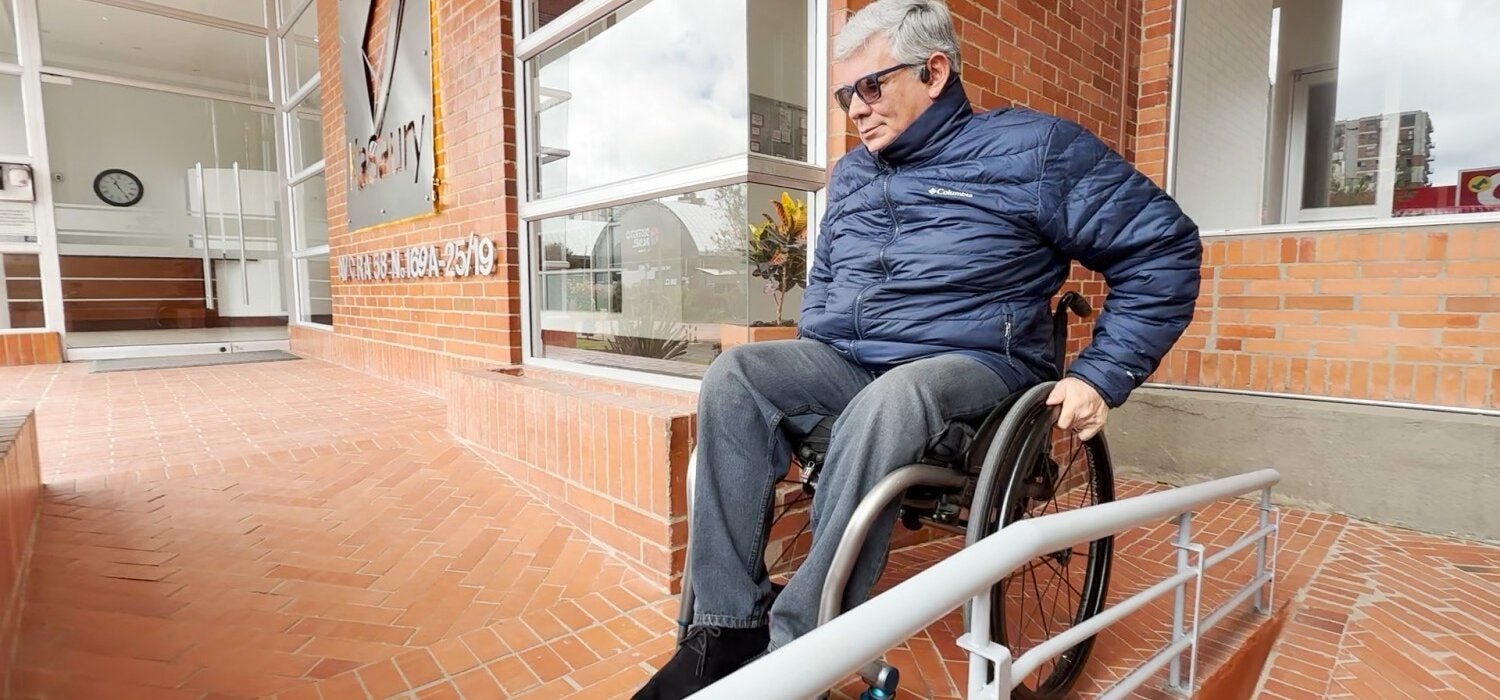
• Ricardo on a wheelchair navigating a ramp
    PAHO/WHO
    Credit

Inspiring Voices: The lives of Manuel and Ricardo in the aftermath of polio

Manuel Durango, 53, and Ricardo Becerra Sáenz, 65, do not know each other, but they share a common story. Both live in Bogotá, the capital of Colombia, and both have dealt with the repercussions of polio, a disease that shaped their lives since childhood.

— October 2025 —

Polio, a highly contagious disease caused by a virus that attacks the nervous system and can cause permanent paralysis, once affected thousands of people in the Region of the Americas. In 1994, the Region was declared free of wild poliovirus, thanks to intensive vaccination campaigns.

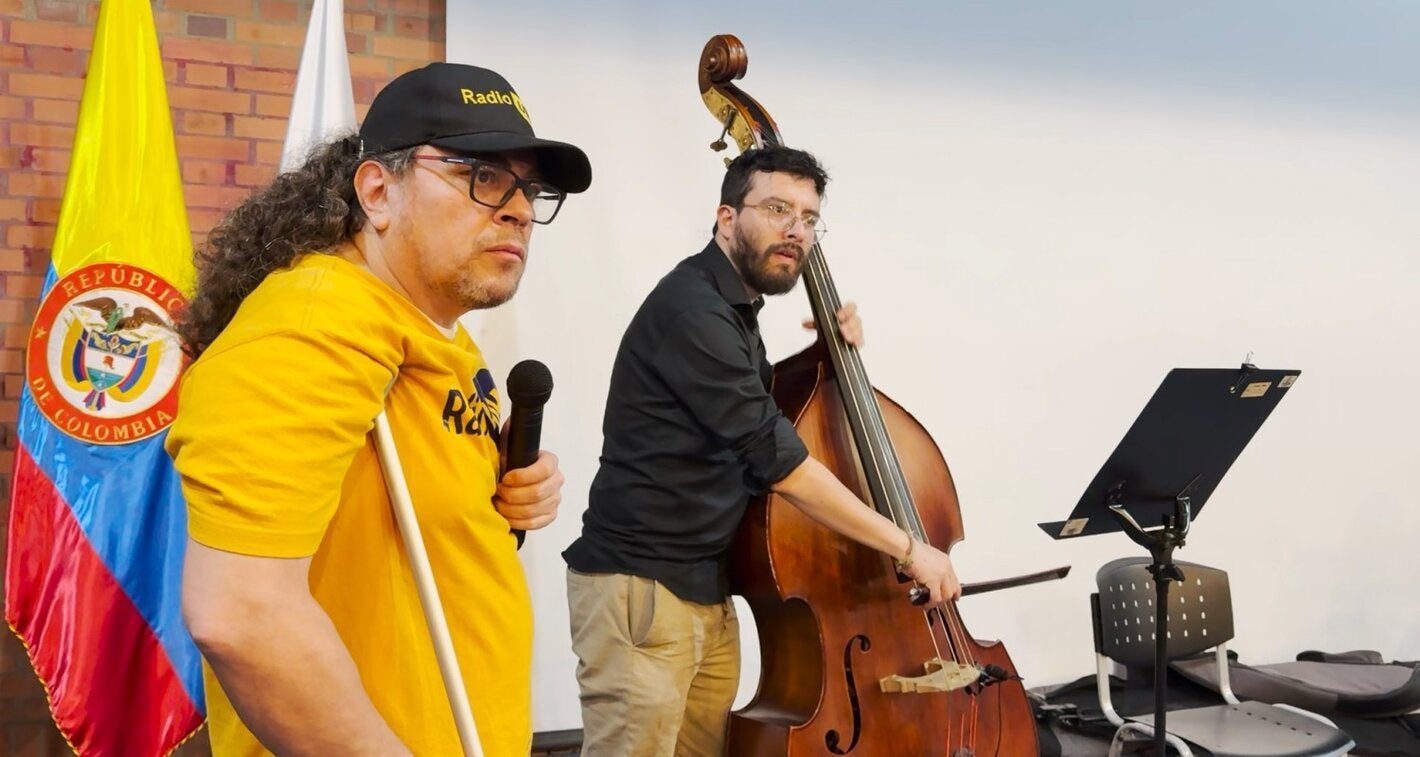
Today, Manuel gets around on crutches, while Ricardo uses walking sticks or a wheelchair. Despite their physical challenges, both have excelled as professional broadcasters, and their voices have inspired and uplifted diverse audiences.

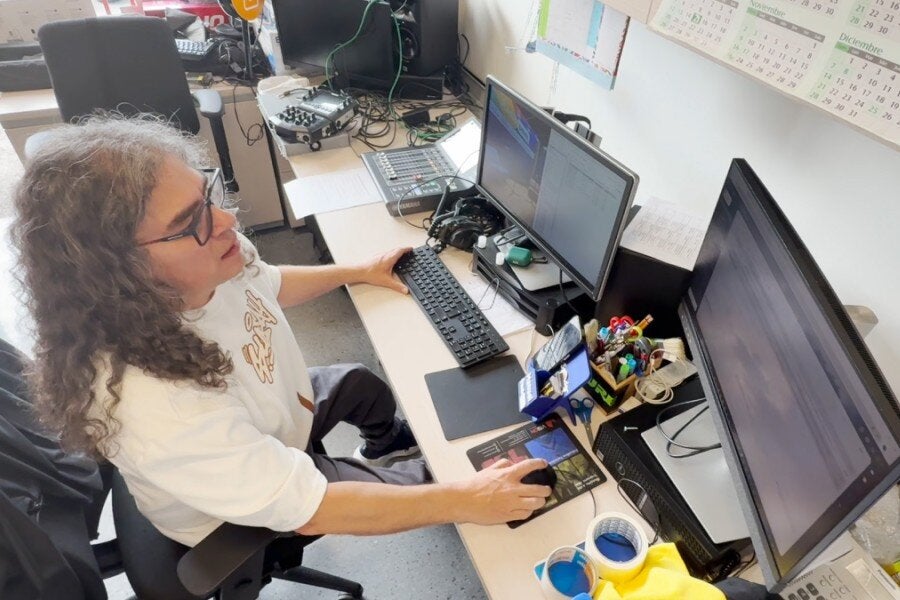
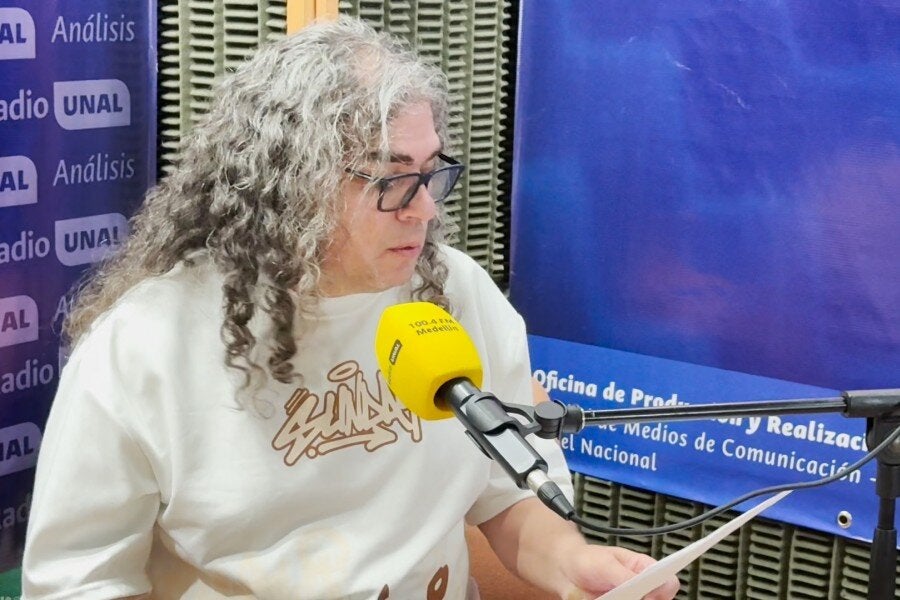
“I always wanted to study communication, but as fate would have it, I studied computer science first,” says Manuel, a radio and television announcer and producer with a degree in computer science. "My first job using my voice was at a store called Almacenes Caravana, standing at the door inviting people to come in for lunch. I was so happy! Over time, in 1996 I ended up at the National University radio station, first operating the console, and then fulfilling my dream of being in front of the microphone." Today, Manuel coordinates two radio programs, one dedicated to salsa music and the other to Latin jazz. He is married with two daughters. His life reflects resilience and passion.

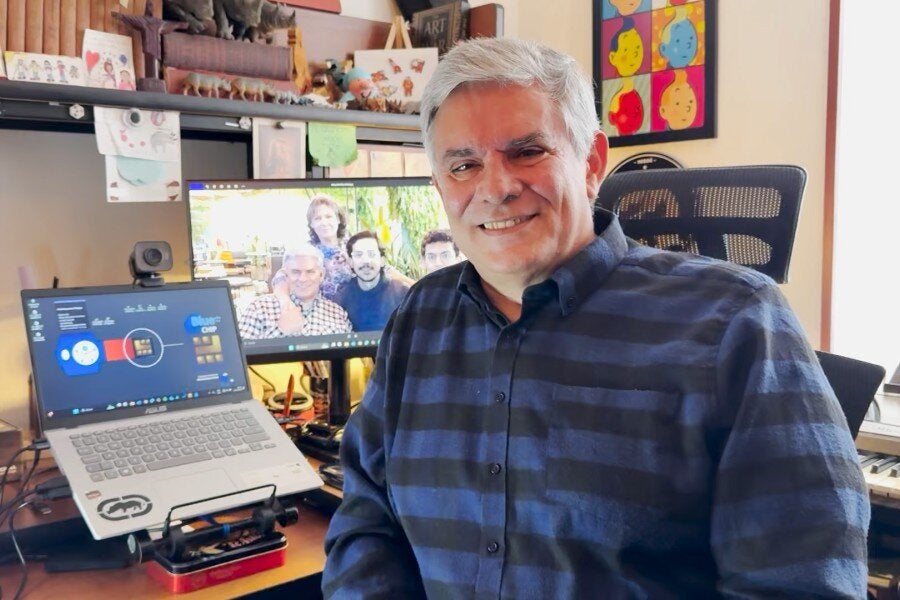
Ricardo is an industrial designer and professor who has focused his career on corporate voice-overs and ergonomics. "In 1998, I asked myself: as a person with polio, what am I doing for people with disabilities? So, I developed a project and connected with the University of North Carolina, which promoted the principles of universal design. I was a pioneer in this field and created the concept of Maxivalía, a term that is the opposite of “minusvalía” (disability)," he explains.

In second grade, Ricardo underwent a transfer surgery to slightly realign his left knee, which was crooked due to polio. He recalls that his recovery was very painful. He also says that he always did very well in school and was voted best classmate several times. He fell in love with the mother of his children and says, “She is the manager of this household, and my children have the most beautiful voices, even more so than their father's.”

Polio, which at one time affected thousands of children in the Americas, left an indelible mark on people like Manuel and Ricardo. In 1975, nearly 6,000 cases were reported in the Region, but thanks to mass vaccination and sustained surveillance, the last case of wild poliovirus was reported in Peru in 1991. That same year, Colombia also reported its last case of poliomyelitis. This achievement led to the Region's polio-free certification in 1994, a milestone commemorated every 24th of October, on World Polio Day.

ricardo at work
manuel at work
Vivid memories

Both men remember their first moments with the disease. "When I was a month and a half old, I was struck by polio. They told me I couldn't sit up; in my mother's words, I was like a piece of rope. This affected the strength of my legs: my left leg is not strong enough to support me and is about 15 centimeters shorter, and my right leg, although it could bear my weight, there are things it doesn't let me do, such as standing on it and jumping," says Manuel.

At around 14 years of age, Manuel began to understand that the virus not only physically affects the body, but can also impact the neurological system.

"When polio struck, I was walking. I was two years old, in 1962,” Ricardo recalls. “After that, I remember pain in my legs and a very high fever. Polio came and entered my body without permission.”

At school, Ricardo remembers that wearing glasses and relying on orthopedic devices “from the tips of my feet to my hips, and my crutches were a real burden."

“I vividly remember being confined to bed, with a red lamp that they used to treat me at the Roosevelt Institute—which was my rehabilitation home—but my legs no longer worked; they were paralyzed. I remember my mom putting my braces on and me moving around with underarm crutches,” says Ricardo.

Although polio was eliminated in the Americas 31 years ago, its persistence in other countries around the world and the risk of vaccine-derived cases in populations with very low immunization rates remind us of the importance of maintaining vaccination coverage above 95%. In 2024, 83% of children in the Region had received the three necessary doses of the polio vaccine, still below the recommended 95% level.

manuel speaking into a microphone
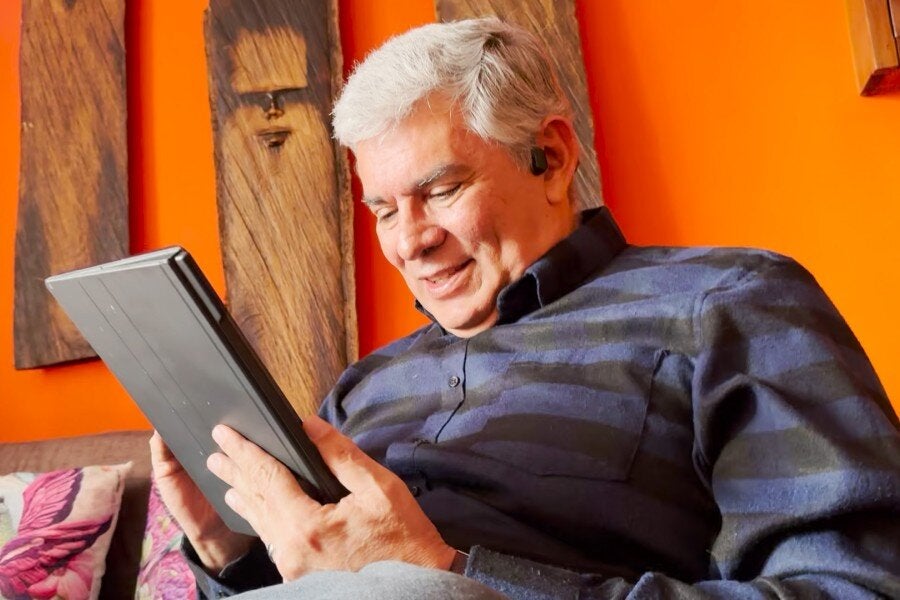
ricardo smiling while viewing a tablet
Responsible for Vaccinations

As fathers, Manuel and Ricardo have been responsible when it comes to vaccinating their children. "From the moment I found out I was going to be a dad, I started reading up on vaccines. I followed the schedule recommended by the doctors to the letter,” says Manuel.

Ricardo and his wife also prioritized immunization: “We had to protect them from an early age. We followed the entire vaccination protocol and consulted pediatricians because we knew it was a process of care and protection, and that history could not be allowed to repeat itself.”

When asked what their lives would have been like without polio, they both smile. “I think I would have been a soccer player, and the best in the world!” says Manuel, laughing. “But the effects of polio took that dream away from me—even in my condition, I went out to play soccer and thought I was ‘El Diego’ (Maradona) in those moments.” Ricardo, with a smile, replies: “With this look and this voice! I love to dance, I used to dance with my crutches, but I imagine myself dancing without the chair and without crutches... I’d be an excellent dancer, an excellent ping pong player, an excellent swimmer. With this voice, I would’ve learned to sing.”

They both have a clear message for today's parents. “People have taken a stand against vaccination during the pandemic. Everyone can think what they want, but I find it very sad and painful for a parent or caregiver to realize that, somebody can suffer a condition like polio due to the lack of a vaccine,” says Manuel. “Vaccines are absolutely necessary, and sometimes misinformation and stigmatization spread lies."

“To all fathers and mothers, vaccinate your children against polio,” Ricardo emphasizes, as he prepares his voice to record an audio message for PAHO about the importance of vaccinating all children.

Listen here to Manuel and Ricardo's messages about the importance of vaccination.