A diary entry written during Panama's 1950 polio epidemic reveals how the disease disrupted everyday life, decades before vaccination efforts eliminated wild poliovirus transmission in the Americas.
October 2026

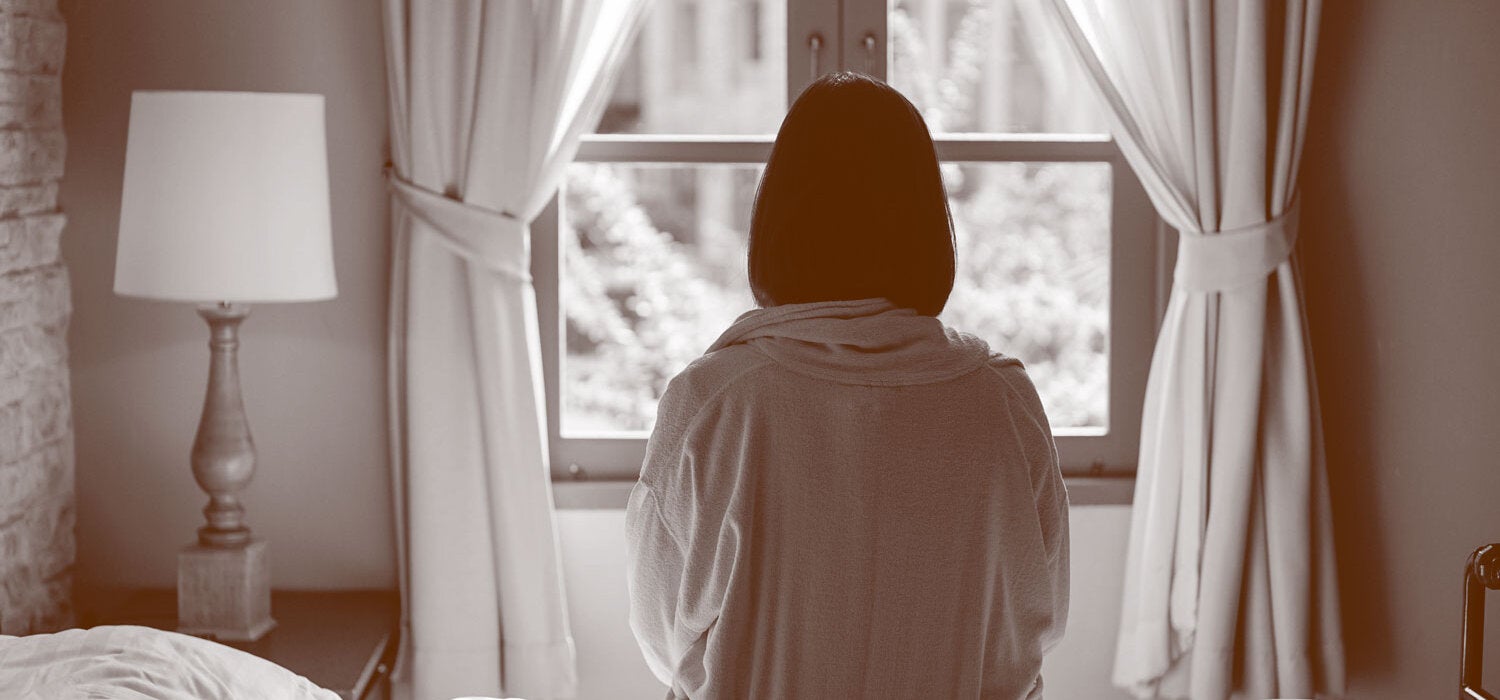
On December 8, 1950, a 16-year-old girl wrote in her diary about attending Mass and watching girls dressed in white receive their first communion on the Feast of the Immaculate Conception.
Among her observations was a sentence that reflected a somber reality affecting many Panamanian families at the time: “The procession was postponed because of polio.”
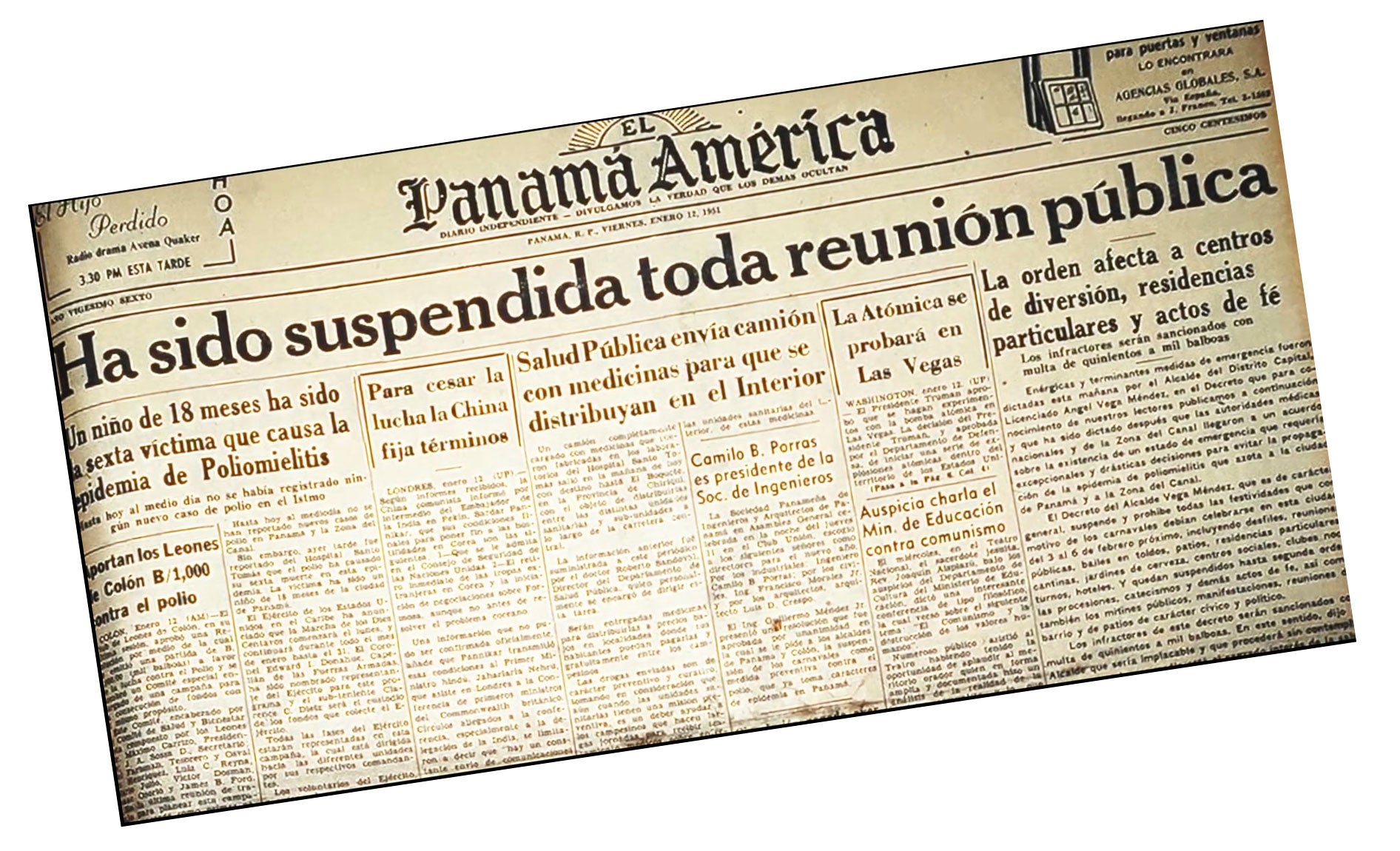
Between August 1950 and April 1951, Panama recorded 142 cases of polio during an epidemic. Activities involving large gatherings were suspended, and in early 1951, when the teenager completed her secondary education at the Colegio Internacional de María Inmaculada, graduation celebrations were also canceled.
More than seven decades later, those pages caught the attention of her son, Carlos Guevara Mann, a historian and political scientist who currently serves as Panama’s Vice Minister of Multilateral Affairs and Cooperation. In 2021, he wrote about his mother's diary entry and the polio epidemic in a newspaper column. At a time when the world was experiencing another pandemic, Guevara Mann revisited his mother’s account and the circumstances that had shaped her adolescence.
“Why is polio no longer an issue? Because of vaccination,” Guevara Mann told PAHO. “If it weren’t for vaccines, humanity would be in a much worse situation.”
Poliomyelitis, or polio, is a highly infectious disease caused by the poliovirus that primarily affects young children. Most people infected with the virus do not develop symptoms, but approximately one in every 200 infections can cause irreversible paralysis. In the most severe cases, the disease can affect the muscles needed for breathing and lead to death. There is no cure, but polio can be prevented through vaccination.
For decades, polio caused illness, disability, and death across the Americas. As recently as 1975, nearly 6,000 children in the Region were paralyzed by the disease. But the expansion of vaccination and stronger epidemiological surveillance began to change that history.
In Panama, polio vaccination began in 1956, and the country's last case of the disease was recorded in 1972. Across the Region, the expansion of vaccination gradually paved the way for eliminating the disease.
In 1985, the countries of the Americas committed to interrupting the indigenous transmission of wild poliovirus. Mass vaccination campaigns brought vaccines to communities, while countries strengthened surveillance to detect potential cases.
The last case of poliomyelitis caused by wild poliovirus in the Americas was recorded in August 1991 in Peru, when an unvaccinated two-year-old boy from the Junín region developed paralysis caused by the disease.
In 1994, after three years without new cases, the Americas became the first region in the world to be certified free of wild poliovirus transmission.
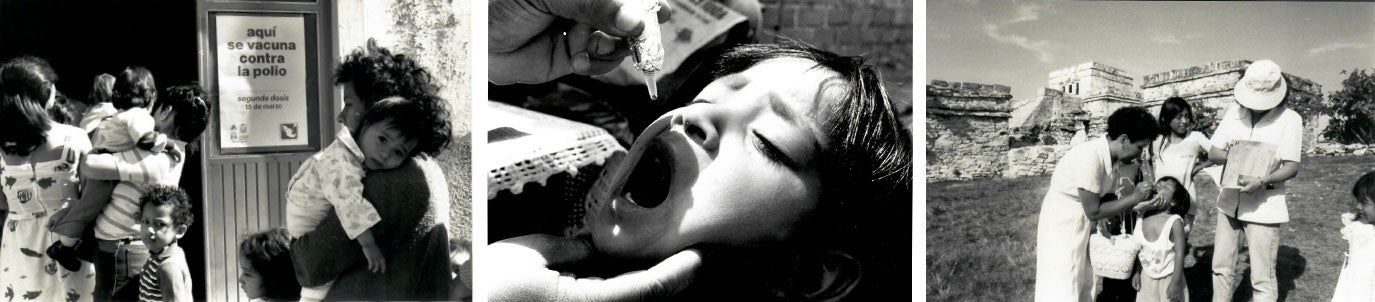
Every October 24, World Polio Day highlights both the progress made against the disease and the need to sustain efforts to prevent its return.
“The absence of wild poliovirus cases in the Americas is the result of decades of vaccination, surveillance, and the work of thousands of health workers. When we no longer see a disease, it can be easy to forget the harm it once caused. But keeping it eliminated requires us to continue protecting each new generation,” said Lilian Reneau Gaitán, interim Representative of the Pan American Health Organization/World Health Organization (PAHO/WHO) in Panama.
Although polio vaccination coverage has improved across the Region, gaps remain. In 2025, regional coverage reached 91% for the first dose, 89% for the second dose of inactivated polio vaccine (IPV), and 87% for the third dose, still below recommended targets.
To maintain the elimination of wild poliovirus in the Americas, countries must achieve and sustain high vaccination coverage, maintain sensitive epidemiological surveillance, and respond rapidly to any detection.
PAHO continues to support countries across the Region in strengthening immunization programs and acute flaccid paralysis surveillance, assessing polio risks, and reinforcing preparedness and response to potential events or outbreaks. The Organization also facilitates access to vaccines through its Revolving Fund.
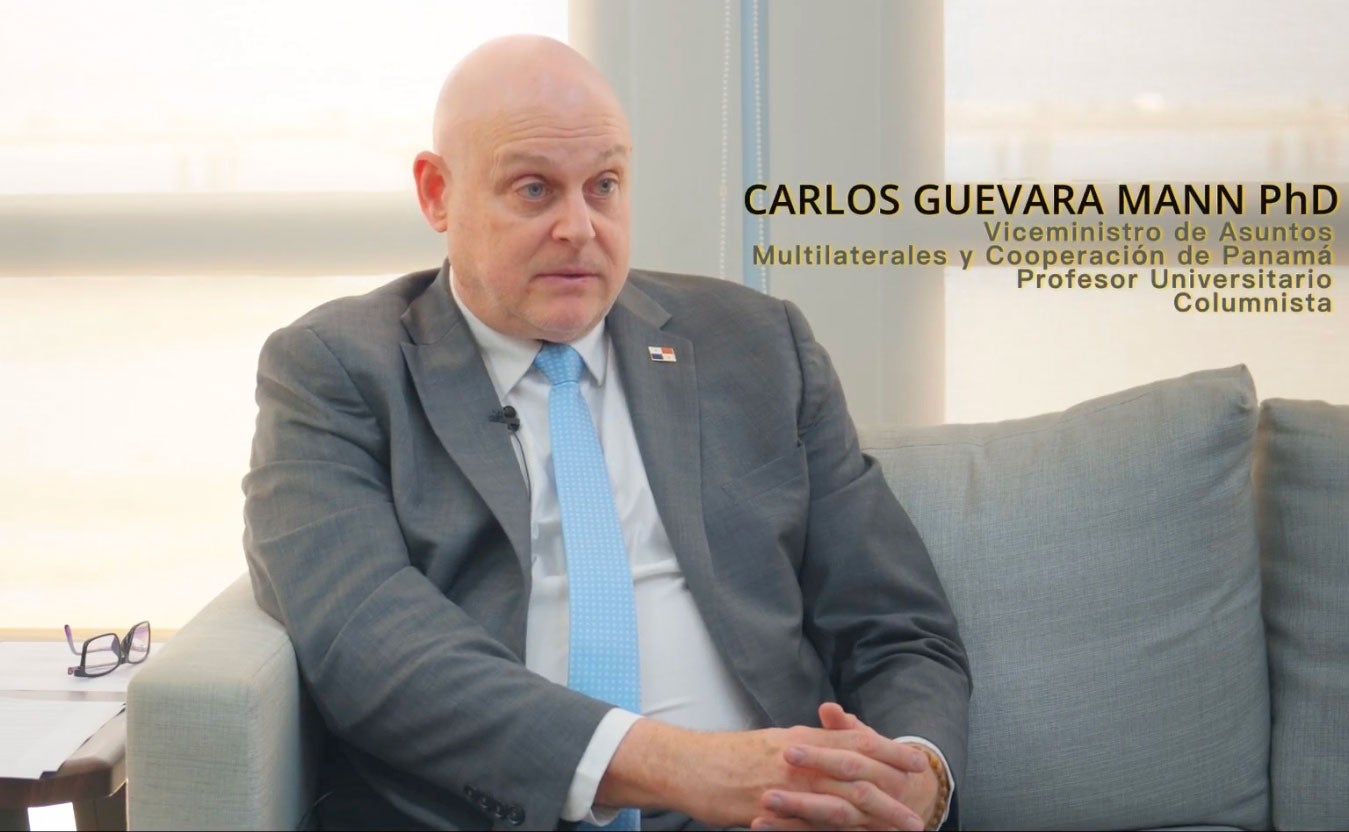
For Guevara Mann, the pages his mother wrote in 1950 offer a window into a time that may be difficult to imagine today.
“It is important to recover stories like this one, from 75 years ago, when Panama was facing a serious situation,” Guevara Mann said.
The teenager’s diary recalls a time when polio disrupted everyday life. Today, several generations in the Americas have grown up without experiencing that threat. Ensuring that future generations can do the same depends on sustaining the vaccination and surveillance efforts that made this achievement possible.