
An international workshop supported by PAHO convened medical teams from five countries to strengthen their skills and improve access to this life-saving procedure for children.
-
 Hospital GarrahanCredit
September 2025
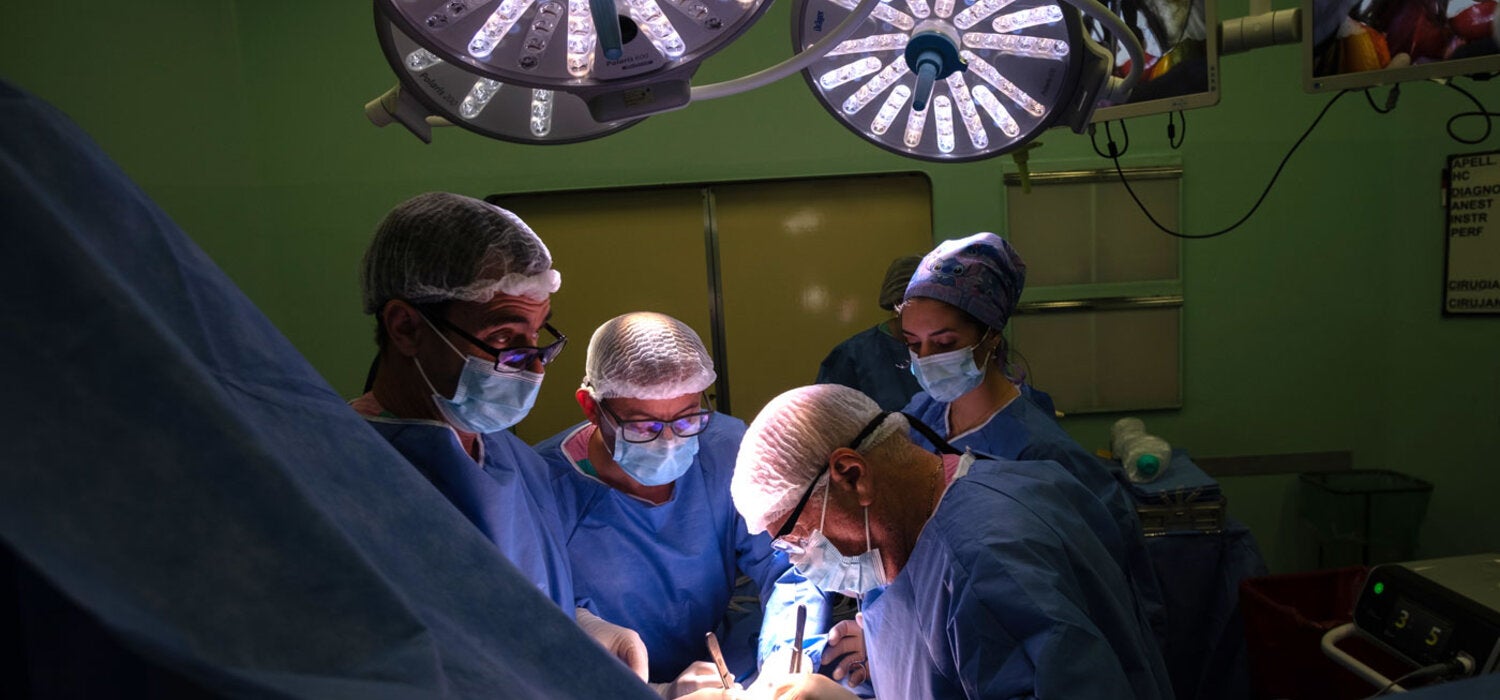
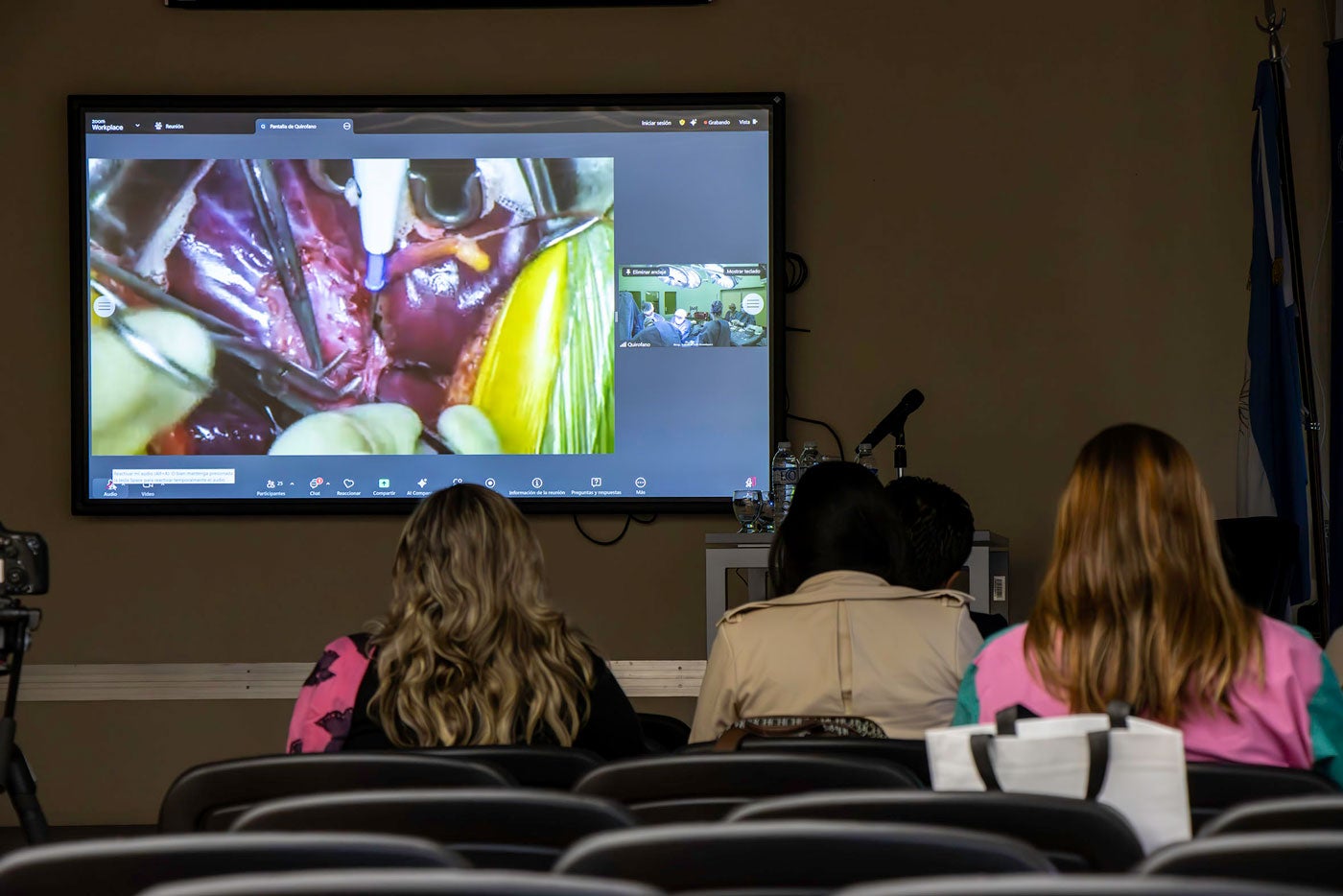
At the Garrahan Hospital in Buenos Aires, Argentina, a seasoned surgical team performs a pediatric liver transplant with practiced precision. Just down the hall, in a classroom within the same hospital, ten transplant and surgical specialists from Bolivia, Ecuador, Paraguay, and Peru watch the operation closely, their eyes fixed on a screen, studying every move. Today, their hands are still—but their goal is clear: to soon replicate or strengthen this life-saving procedure back home, bringing liver transplants to more children who need them.
The training was part of a broader effort supported by the Pan American Health Organization (PAHO) through its Country Cooperation for Health Development Project. The initiative aims to strengthen the technical and operational capacity of national transplant and donation programs in Bolivia, Ecuador, Paraguay, and Peru. It is led by Argentina’s National Central Institute for Organ Procurement and Transplantation (INCUCAI) under the Ministry of Health, with support from the Ministry of Foreign Affairs. This second Pediatric Liver Transplant Training Course followed the success of a similar program held in 2019.
“Being able to perform various types of organ, tissue, and cell transplants is essential to improving quality of life,” said Eva Jané Llopis, PAHO Representative in Argentina. “But there are still gaps and challenges in the region—challenges we can overcome through collaboration.”
Over four days, participants attended theoretical and hands-on sessions at INCUCAI and Garrahan Hospital, covering topics such as donor selection, data systems for tracking transplants, building surgical teams, surgical techniques, postoperative recovery, and hospital management.
“The goal is to strengthen governance, increase organ availability, and ensure equal access for all,” said Dr. Oscar Imventarza, Head of the Transplant Unit at Garrahan. “We’re working to improve quality not only in Argentina but in other countries as well, and we share our protocols with everyone.”
A hands-on look at a high-stakes procedure
A central part of the course was the opportunity to observe a live transplant. “The idea is to provide hands-on experience, particularly with a living donor transplant, which allows for planning in a way that deceased donor surgeries do not,” explained Dr. Esteban Halac, pediatric surgeon and liver transplant specialist at Garrahan.
Still, planning has its limits. An unexpected complication—like the recipient developing a fever—can delay the procedure. In this case, the original surgery was canceled, and the course participants instead observed a successful transplant in which a six-month-old baby, weighing under 5 kg, received a portion of her mother’s liver.
“Living donor surgery is highly regulated but very complex and stressful,” said Halac. “You’re caring for two people—the recipient and the donor—so it requires a well-trained team that can rotate throughout the procedure.”
That team includes a lead surgeon, two assistants, two scrub nurses, one or two anesthesiologists, anesthesia techs, and various operating room (OR) staff. Hemotherapists and imaging specialists also play critical roles. In this case, the procedure took about six hours: the adult surgery team at Hospital Argerich first divided and removed part of the mother’s liver, and then Garrahan’s pediatric team transplanted it into the child.
Meanwhile, the visiting doctors observed every step, asked questions, and shared insights. Pediatricians explained that the infant had biliary atresia, a condition in which bile ducts are blocked, leading to liver damage and potentially death if not treated—often through transplant.
Garrahan Hospital has performed over 1,000 pediatric liver transplants with outcomes that meet international standards. “That’s why,” said Halac, “in addition to doing transplants, we have a mission to help reduce inequities so that other countries can offer this care, too.”
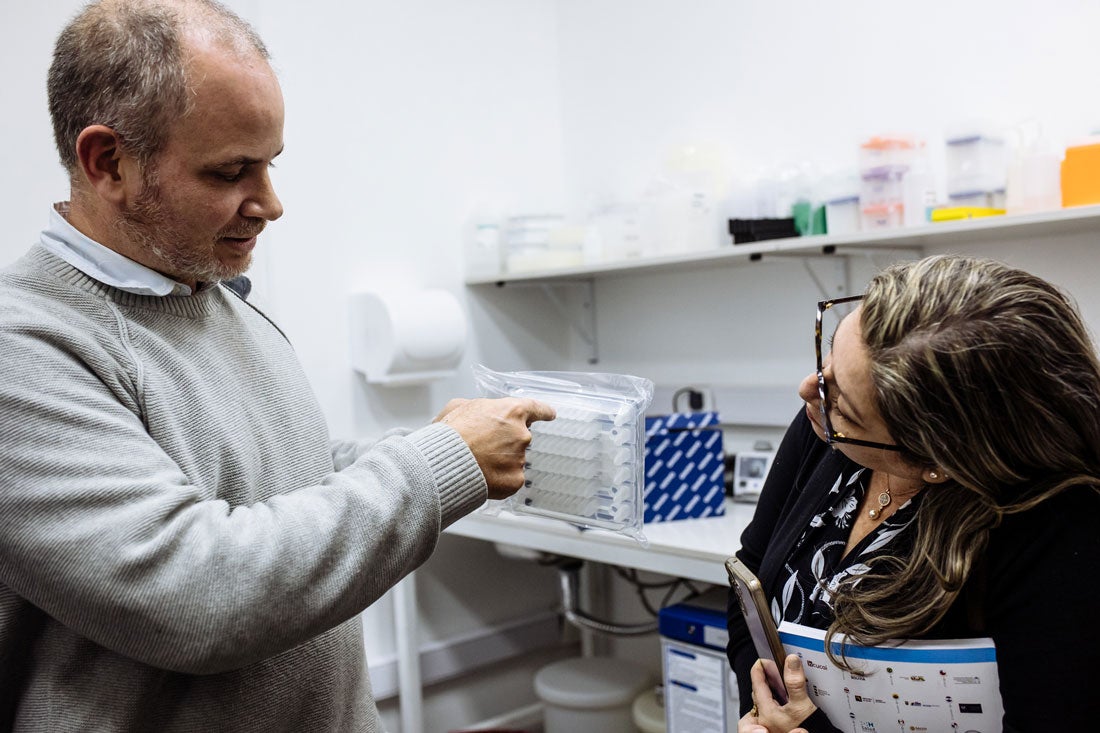
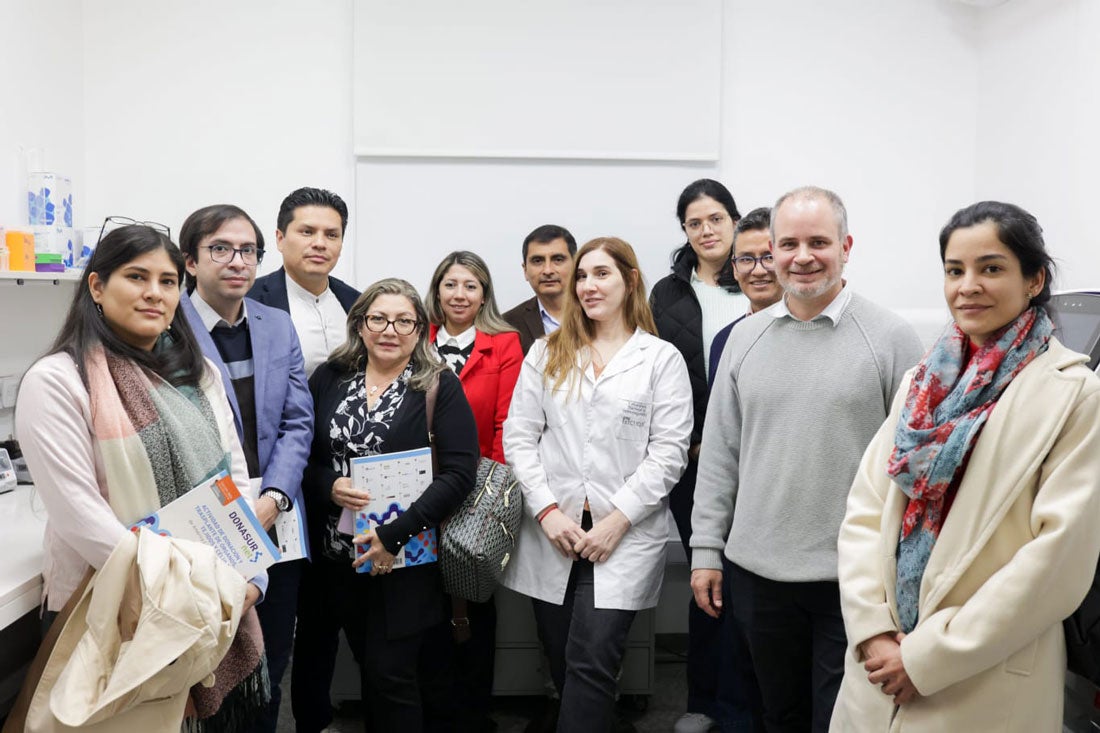
The professionals were able to make a technical visit to the National Immunogenetics Laboratory, which performs histocompatibility studies between donors and recipients, as well as immunogenetic analyses that enable post-transplant monitoring.
A regional gap in access to liver transplants
Organ, tissue, and cell transplantation is a vital therapy to improve and save lives. Yet, access remains unequal across the Americas. According to PAHO data, less than 10% of the region’s liver transplant needs are currently met, and many countries still lack specialized programs. Pediatric liver transplantation faces additional challenges, such as a shortage of trained teams and low donation rates in children, limiting access to this critical care.
To address these gaps, PAHO promotes collaborative efforts, knowledge exchange, and capacity-building across the region to ensure universal and equitable access to transplant services.
Learning together to build stronger systems
At INCUCAI’s headquarters—also a PAHO Collaborating Center—participants gathered in a welcoming environment that encouraged openness and exchange. Surrounded by green space even in winter, the old-house-turned-training-center buzzed with conversation, questions, and shared experiences.
Carlos Soratti, President of INCUCAI, with over 30 years of experience, emphasized the goal: helping countries provide care within their own health systems. “We still see families forced to travel abroad for a transplant. The emotional and financial burden they carry, and the hardship of surviving in a foreign country, are incredibly difficult,” he said.
“The transplant process is much more than immunosuppressive medication,” he added. “Proximity to a trusted medical team is crucial for successful outcomes.”
The participants were eager to apply what they learned. Dr. Marcelo Sandi, a transplant surgeon from Sucre, Bolivia, described the course as invaluable: “It allowed us to share experiences, gain knowledge, and find motivation to replicate what Argentina is doing with its high transplant volume.”
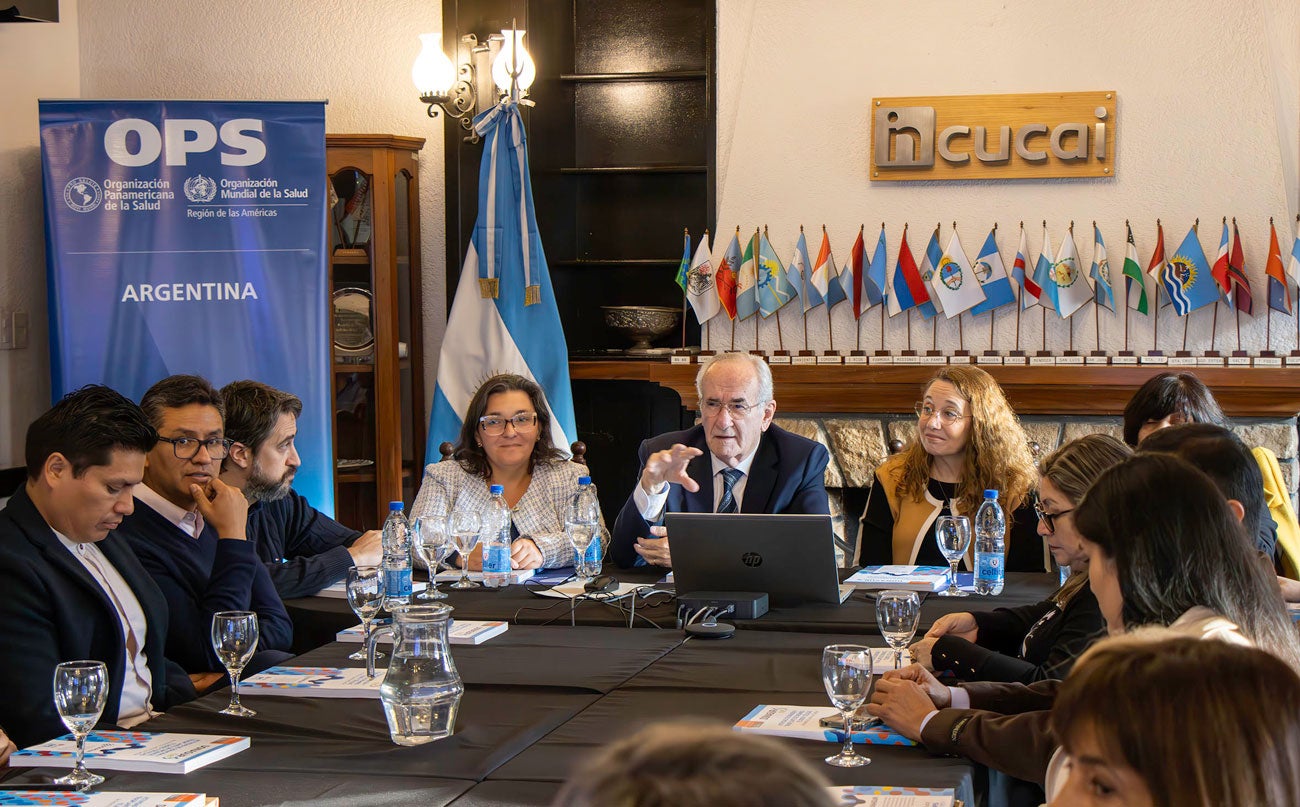
In Ecuador, pediatric liver transplants are not yet performed. Dr. Ximena Mejía Borja, pediatrician and transplant coordinator at Hospital Francisco Icaza Bustamante in Guayaquil, said the course “provided an important connection and ongoing training with experienced professionals.”
Dr. Horacio Paredes, from the National Institute for Organ Procurement and Transplantation (INAT) in Paraguay, noted the importance of well-organized teams: “This training is a starting point for us as we work toward launching pediatric liver transplants in our country.”
And Dr. Katherine Lissete Valeriano Palomino, from Peru’s National Institute of Child Health San Borja, added, “We’ve learned about Argentina’s clear structure for transplant regulations and organ allocation, as well as technical aspects that are vital for us.”
By the end of the course, both mother and baby were recovering well, beginning a new chapter—now linked not just by blood, but by a shared organ. Meanwhile, the ten physicians headed back to their countries with a common mission: to begin transforming their health systems so that more children can access this life-saving treatment closer to home.
With PAHO’s support, this experience is proof that sharing knowledge is the first step to changing lives.