
With support from the European Union and the Pan American Health Organization (PAHO), Peru is strengthening a comprehensive response based on the One Health approach and community engagement to protect at-risk Amazonian populations from yellow fever.
-
 OPSCredit
— May 2026 —
In the Peruvian Amazon, preventing yellow fever outbreaks requires an integrated response that connects human, animal, and environmental health, placing trust in health services and community engagement at the center.
Yellow fever remains a public health threat, especially in remote areas of the Amazon, where distance, limited access to health services, and misinformation delay prevention and care. In 2025 alone, 346 confirmed cases and 143 deaths were reported across seven countries in the Americas, including Peru, where 49 cases and 19 deaths were recorded. The emergence of cases in previously unaffected areas, combined with high mortality among unvaccinated individuals — despite the availability of a safe and effective vaccine that provides lifelong protection — has further increased the risk of outbreaks in the Region.
Peru’s Ministry of Health (Minsa), with technical cooperation from PAHO, began outbreak response actions in 2025 by training health personnel in diagnosis and clinical management at the primary care level in high-risk areas, with the participation of specialists from Brazil. Since August, with support from the European Union, efforts have also focused on strengthening surveillance, immunization, laboratory capacity, clinical management, and risk communication, while working closely with environmental and wildlife sectors and directly with communities.
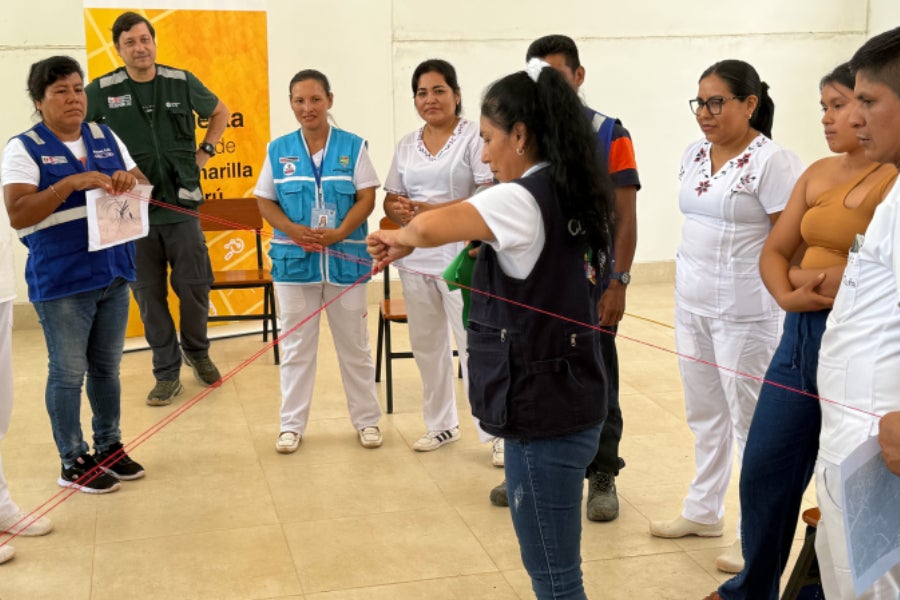
Early warning is a key pillar of this approach. Minsa and PAHO trained 70 community health agents and more than 215 health professionals in the timely detection and reporting of epizootics, which often precede human cases. At the same time, Rapid Response Teams were strengthened to investigate these epizootics and monitor febrile syndromes, with 12 teams ready to operate in the San Martín and Madre de Dios regions.
“We recognize the importance of the One Health approach, which is why we work in coordination with health and environmental institutions, as well as community leaders. In the case of yellow fever, this allows us to detect reports of monkey deaths or signs of disease early and prevent transmission to people,” explained Karl Poog, wildlife specialist at Peru’s National Forest and Wildlife Service (SERFOR).
Laboratory and entomological capacities also support this comprehensive response. To strengthen local capacity, PCR diagnostic supplies were procured for regional laboratories in Amazonas and San Martín, reducing case confirmation times to three days. Supplies were also acquired for mosquito capture, identification, taxonomic analysis, and entomological preservation in these two regions, while vector control teams at the National Institute of Health were reinforced.
Clinical management capacities were also strengthened to reduce preventable deaths. More than 180 frontline health professionals received updated training to identify suspected yellow fever cases, and 30 hospital workers in five regions were trained in emergency and intensive care. In addition, eight health facilities in Amazonas and San Martín were equipped to stabilize patients with febrile symptoms and ensure timely referral in case of complications.
Immunization, however, remains the cornerstone of prevention. As part of PAHO’s technical cooperation with regional authorities, trained vaccination brigades administered more than 7,000 yellow fever vaccine doses in high-risk and hard-to-reach areas in Amazonas, Loreto, and Junín, primarily benefiting children under 15 months of age. These efforts also helped improve routine immunization coverage, bringing more than 17,000 vaccine doses to children under one year old, many of whom had previously received none.
But even when health brigades travel long distances — by river, road, and on foot — to reach communities, acceptance is not always guaranteed.
Jorge Tiwi has witnessed what happens when fear outweighs trust.
“Some people believe it is witchcraft,” he explains. “Even when doctors confirm an illness, they do not believe it. They think they are being deceived.”
Jorge is the president of the Health Committee in the Amazonian community of Nazareth, and for years — together with other community leaders and health personnel — he has worked to change these perceptions. In many places, access to health services is only part of the solution. The other — often more difficult — part is helping people understand and trust those services.
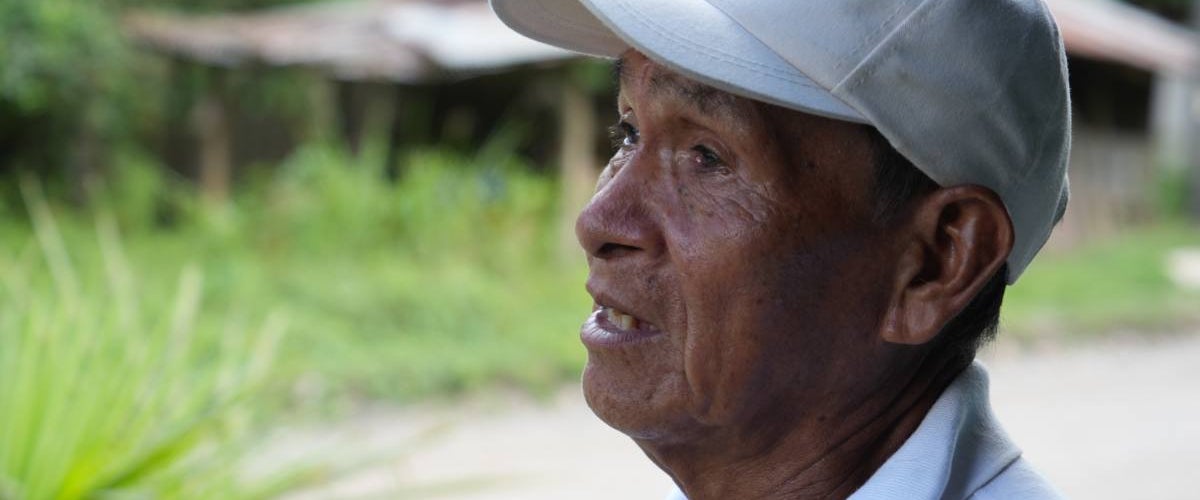
"There are still families who do not want to hear about vaccines, Jorge said.
“They reject them completely”.
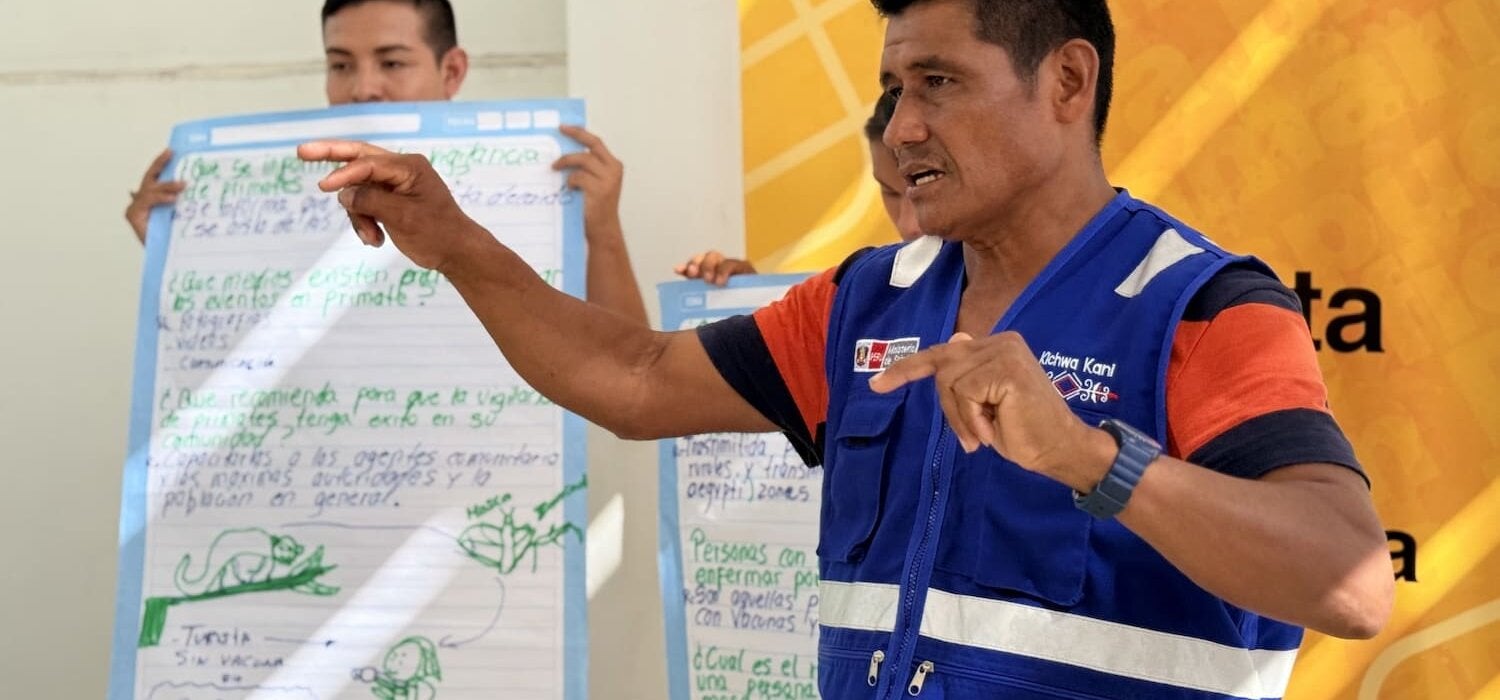
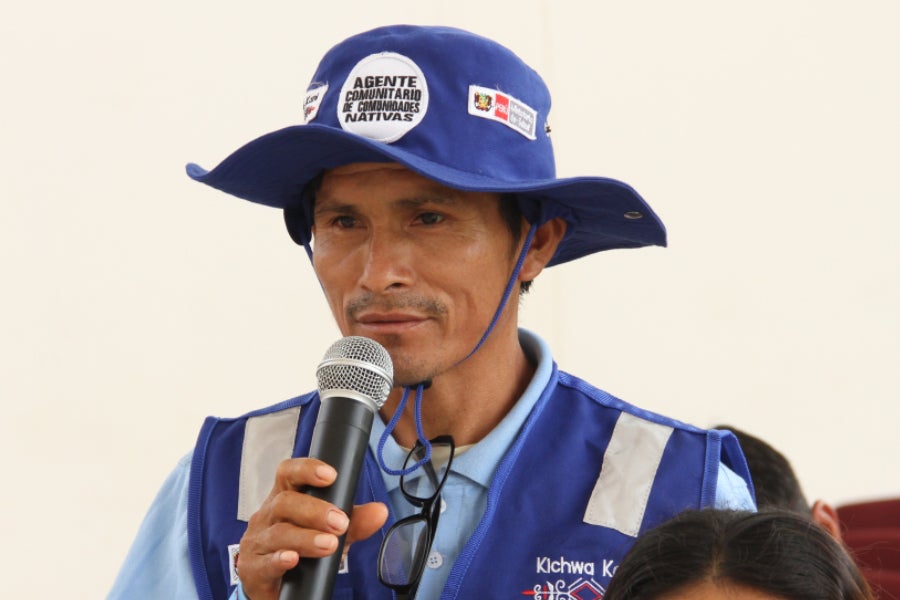
This is where risk communication and community engagement become essential. Through dialogue spaces in Amazonas, 38 community health agents identified barriers to prevention and care, including low risk perception, fear of vaccine side effects, and the belief that symptoms — when they appear — can be “quickly resolved” through self-medication.
“In the community of Uut, where the yellow fever outbreak began in Amazonas, vaccination coverage was very low,” said Noemí Vásquez, nurse at the Imaza Health Center. “That is why involving communities is so important, so they understand vaccination is the main form of prevention. Training matters not only because community agents gain knowledge, but because they leave motivated to try new approaches, knowing that we are working hand in hand with them.”
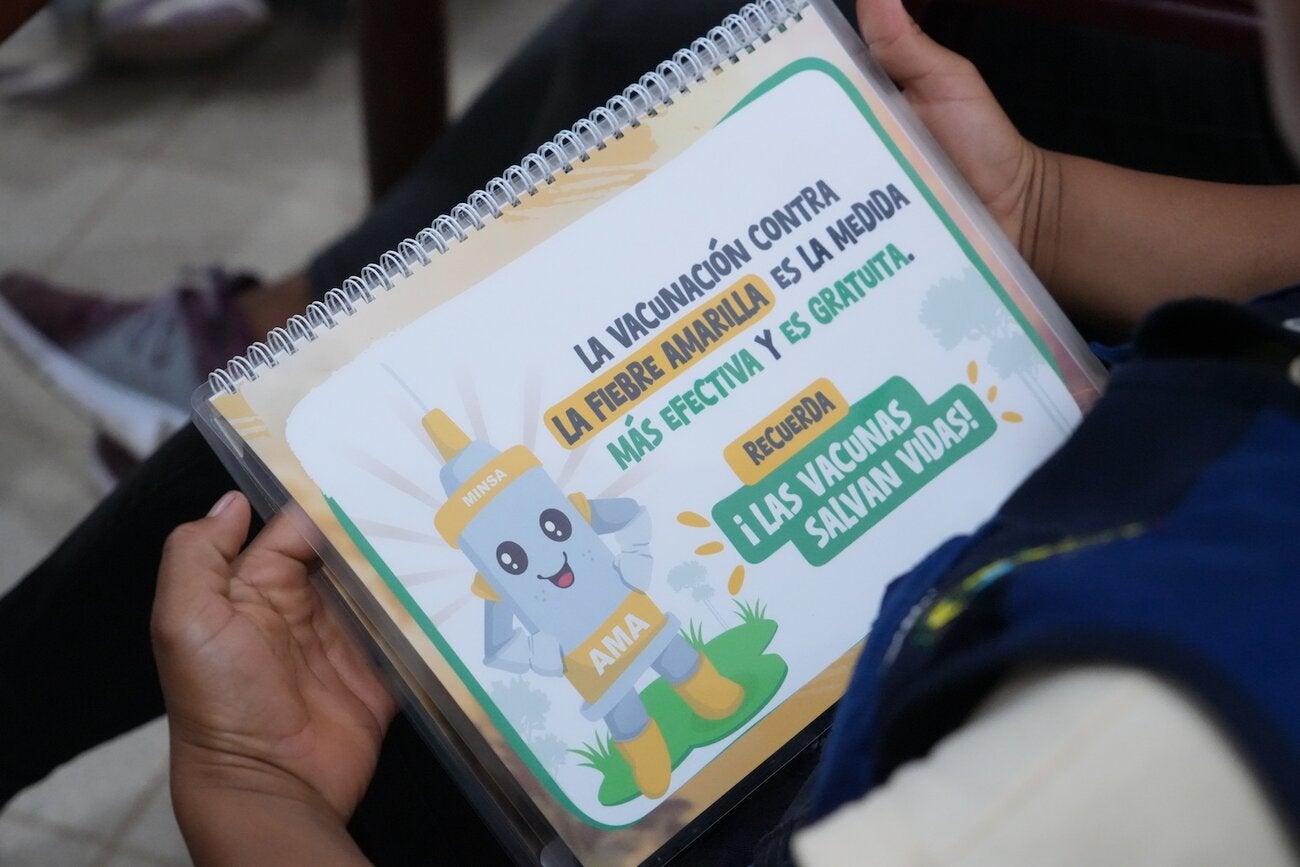
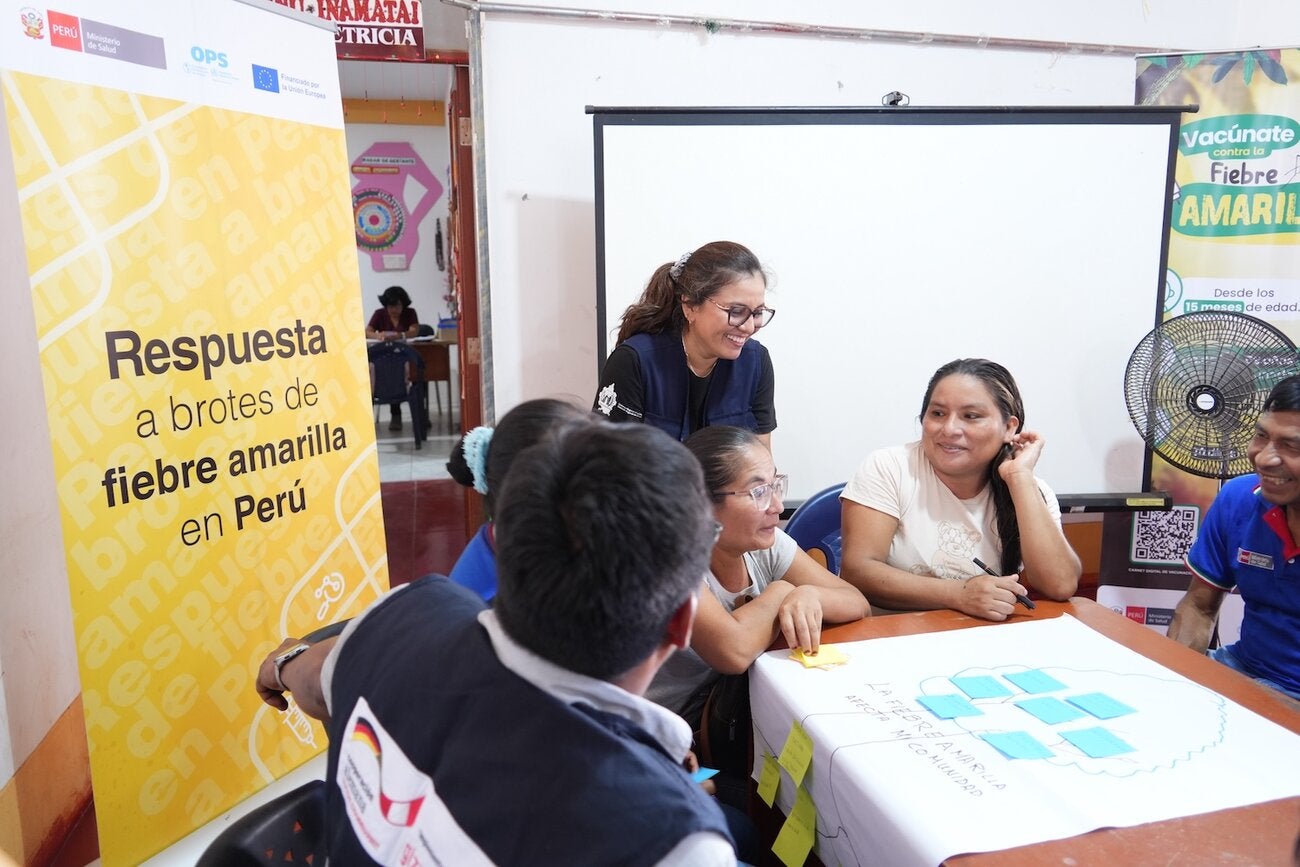
As a result, 32 health workers, together with community agents and social mobilizers, strengthened their capacities to promote preventive practices, encourage early care-seeking, and counter misinformation while working with local leaders and families. These efforts were complemented by the training of 37 vaccination brigade members and health promotion staff, as well as 13 local communicators and journalists.
For Jorge, the most powerful tool is not only information, but memory. He explains vaccination not as a technical intervention, but as protection — something that prevents disease and saves lives.
“Before there were vaccines, many people died”, he recalls.“My father used to tell us: ‘Those who get vaccinated are protected. Those who do not can die’ ”.
That experience now guides how Jorge speaks with his community.
In this context, trusted community leaders like Jorge play a fundamental role in bringing health services closer to the population.
“Sometimes people ask, ‘Where did he get that from?’” Jorge says. “But when someone from outside comes and explains it, they listen more.”
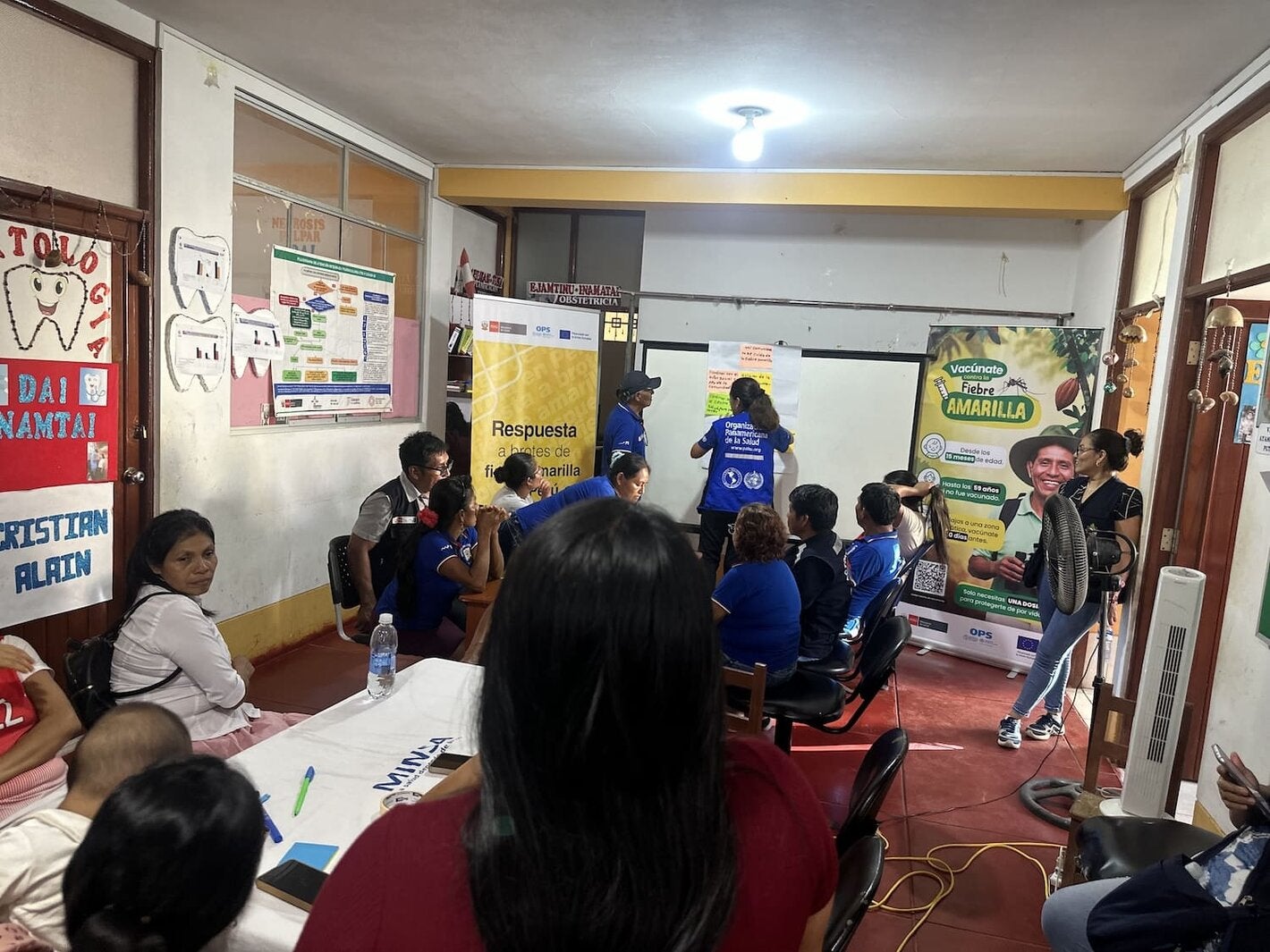
Thanks to ongoing work with health teams in the field and technical guidance provided by Minsa and PAHO, community leaders like Jorge now have accurate and reliable information, allowing them to share key messages with confidence and credibility. Over time, these interactions will help communities become more open to listening to health workers when they visit their localities.
“When there is a vaccine, the disease no longer spreads,” Jorge says. “That is the message we want everyone to understand.”
In Nazareth, and across the Amazon, the fight against yellow fever is not only about delivering vaccines. It is about empowering communities with knowledge, strengthening trust, and ensuring that life-saving information and services reach those who need them most.