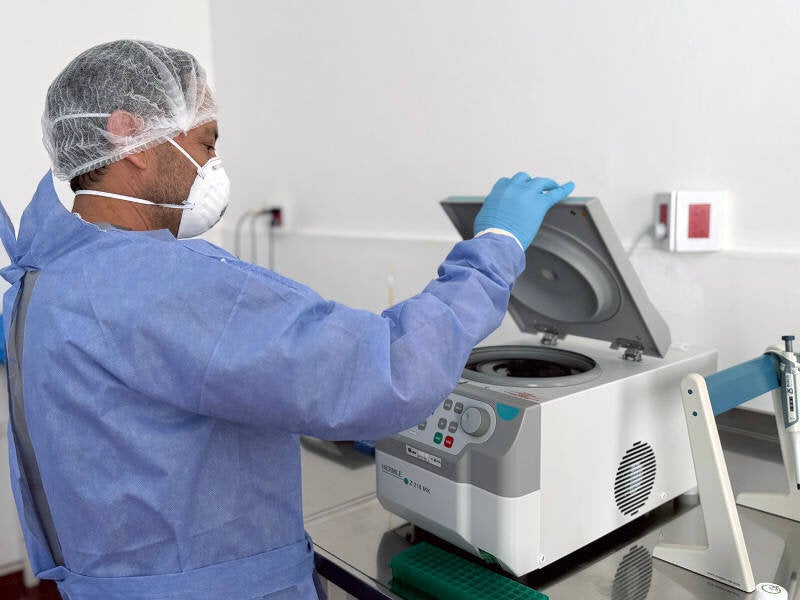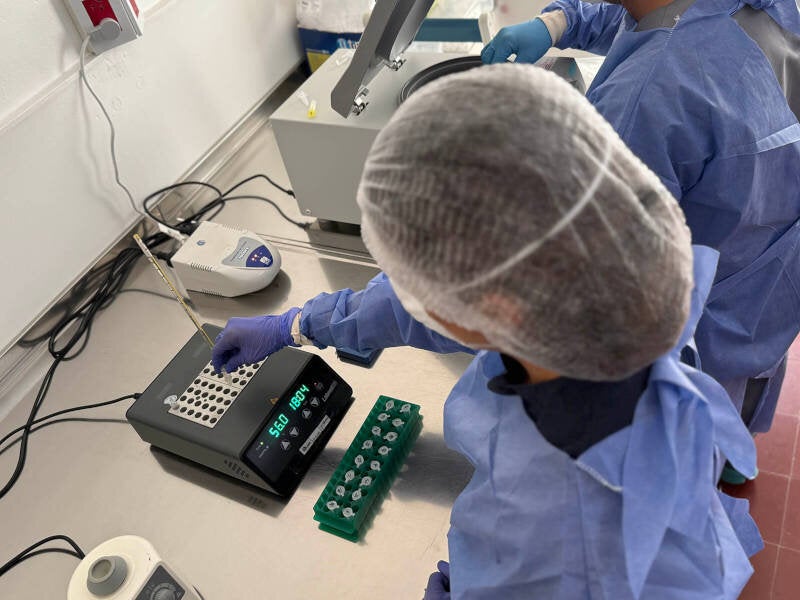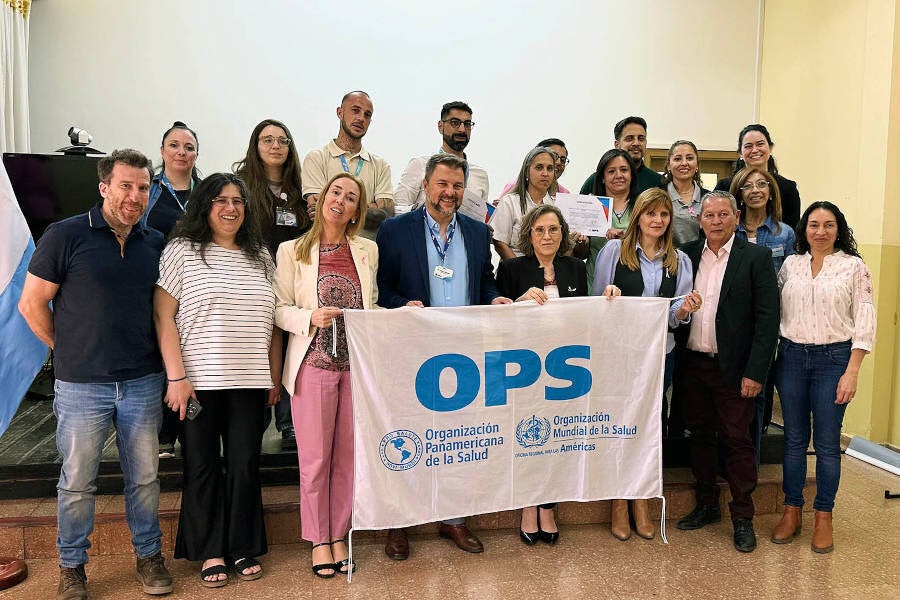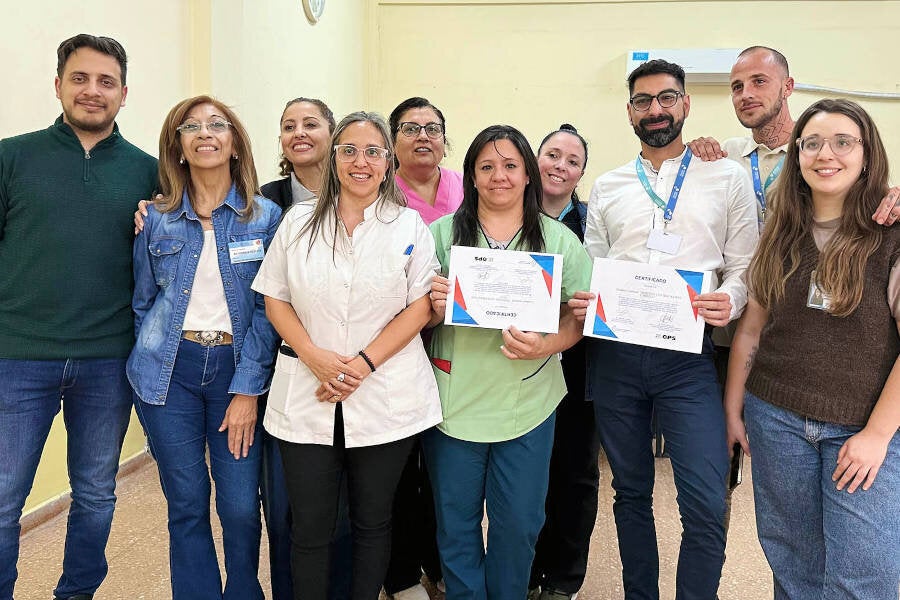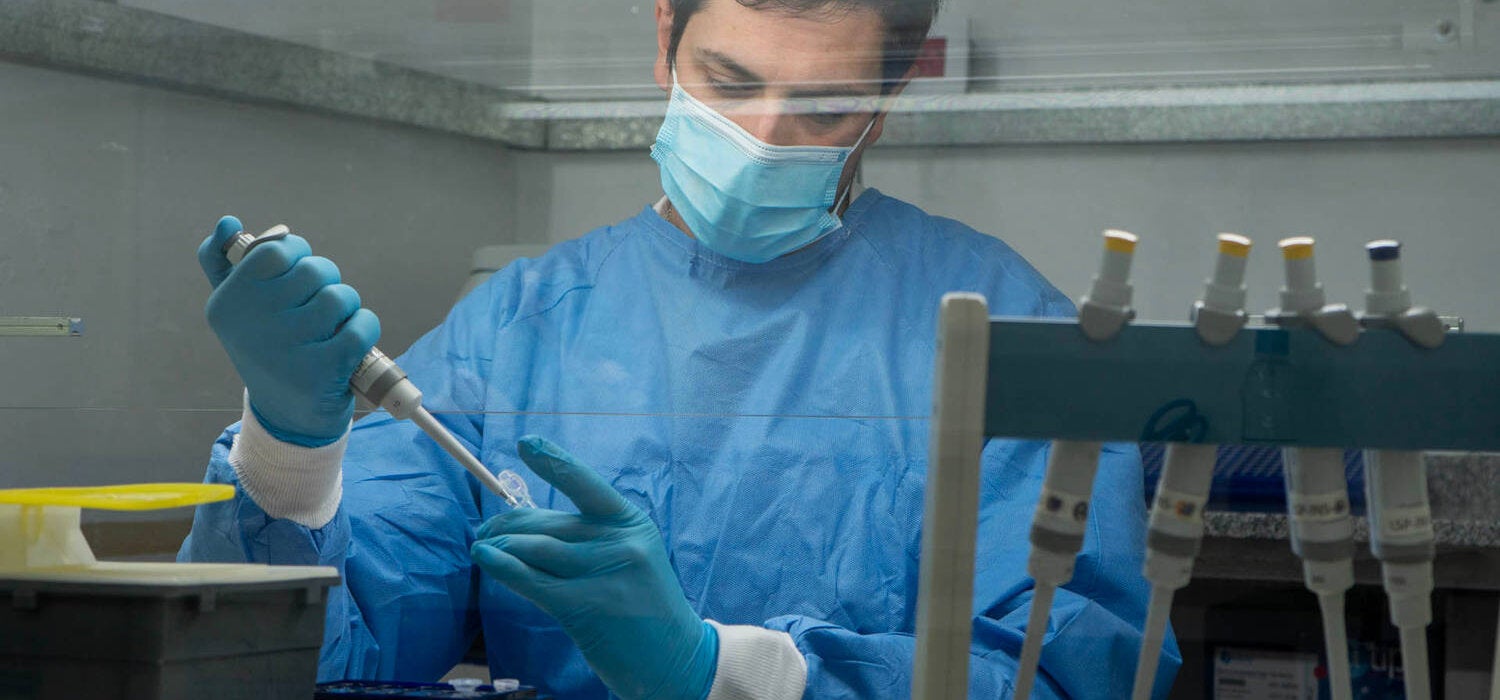
Across a vast network spanning the Americas, sentinel surveillance sites generate critical data to track the circulation of respiratory viruses, assess their severity, identify the most vulnerable populations, and evaluate how well vaccines and other preventive measures perform under real-world conditions.
— February 2026 —
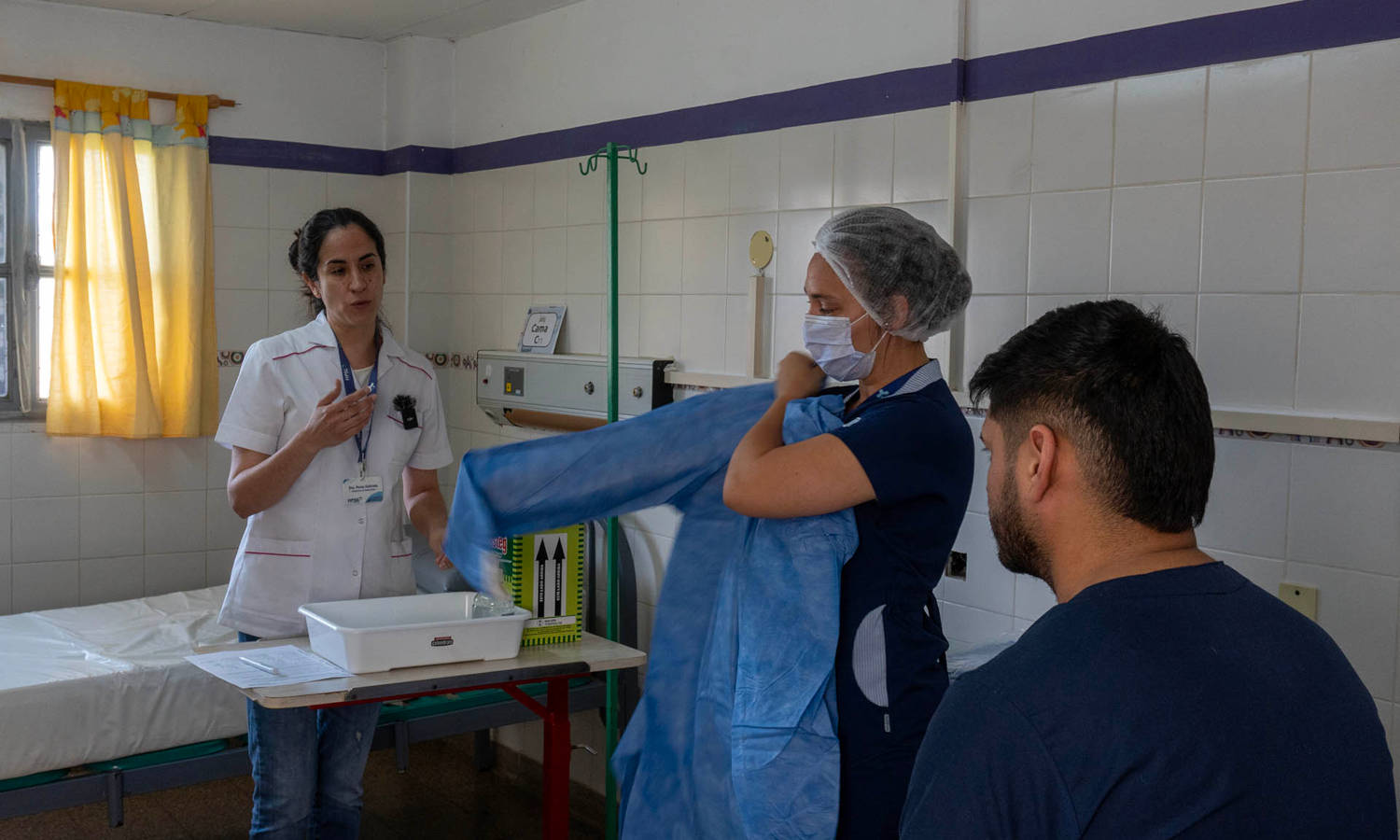
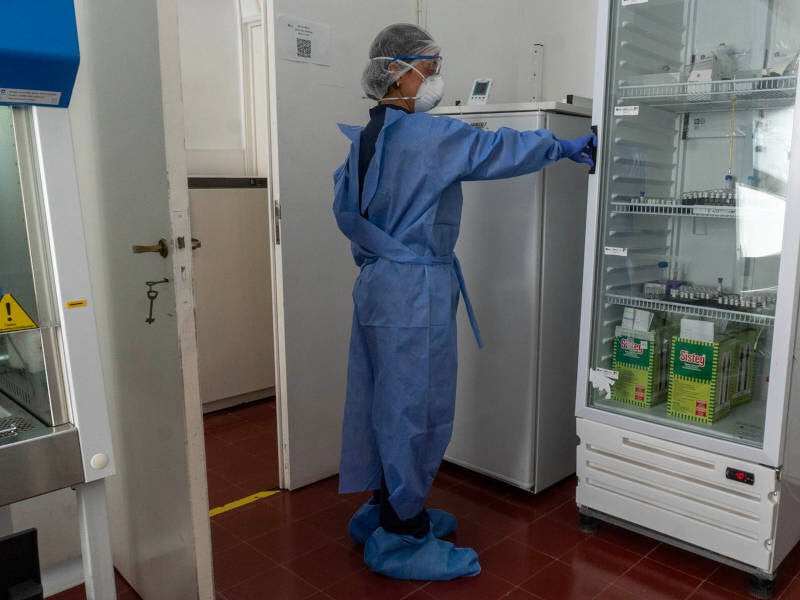
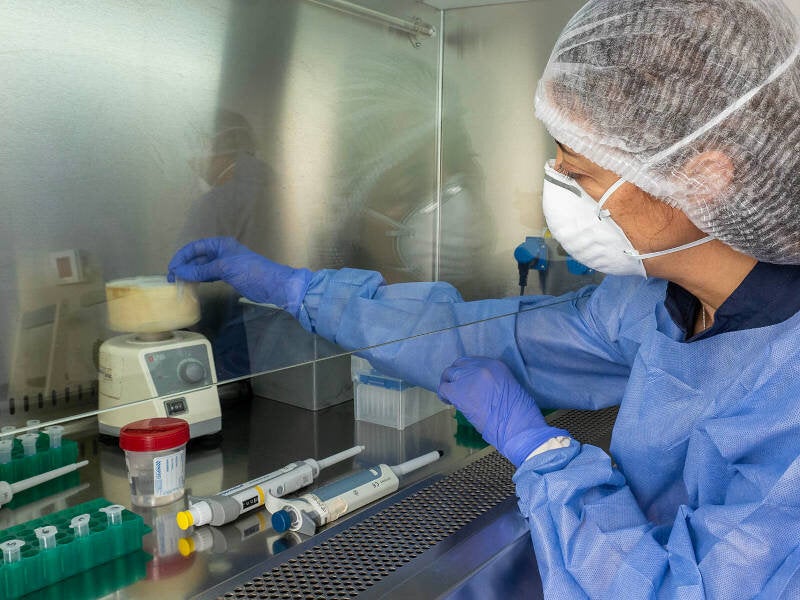
At the San Luis Pediatric Hospital, Belén gently strokes her belly as she waits to receive the respiratory syncytial virus (RSV) vaccine. The vaccine will protect her baby from severe infections such as bronchiolitis, one of the leading causes of pediatric hospitalization. Unbeknownst to her, this expectant mother is just steps away from a sentinel unit, which is a clinical, epidemiological, and laboratory teams that is working to help demonstrate that the vaccine significantly reduces hospitalizations in infants.
Currently, Argentina has 41 sentinel surveillance sites distributed across the country. Each center produces essential information on severe acute respiratory infections, which primarily affect children under five years of age and adults over 65.
“These units, which are part of the Argentine Sentinel Surveillance Network for Severe Acute Respiratory Infections, allow us to better understand the evolution of these diseases and their real impact on the population,” explained Eva Jané Llopis, Argentina Country Representative of the Pan American Health Organization (PAHO).
“Argentina was one of the pioneers in implementing the RSV vaccine, and thanks to the work of these units, it was possible to evaluate the effectiveness of the vaccine,” she added.
Studies showed a 62% effectiveness in reducing respiratory hospitalizations among infants under six months of age, as well as more than a 70% reduction in intensive care admissions.