
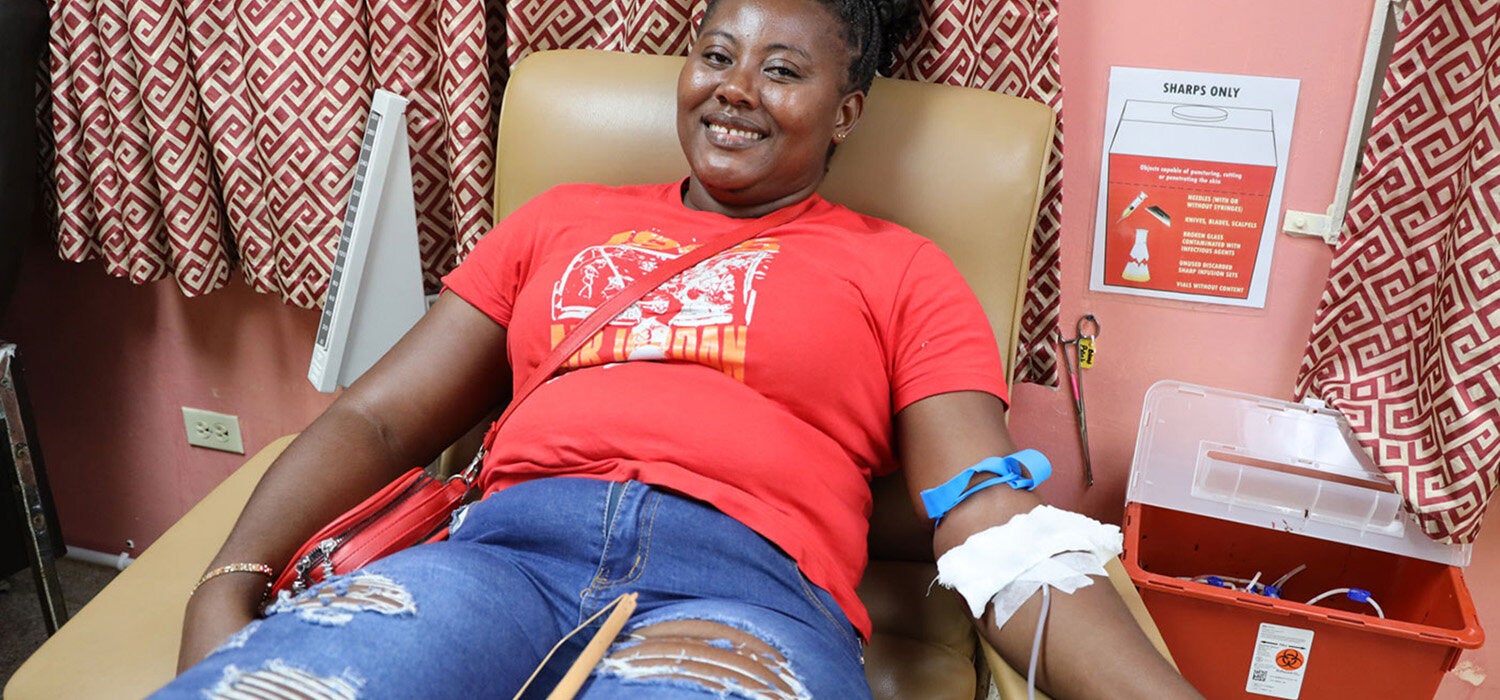
When most people think about blood donation, they think about emergencies. They might think about accident victims rushed into operating rooms or patients whose lives hang in the balance after a traumatic injury. However, many people do not often consider the role blood plays in helping people access routine but essential medical care.
— June 2026 —
Michelle knows this reality firsthand. For years, she lived with uterine fibroids. At first, she hoped the condition would improve on its own. Instead, the fibroids continued to grow, bringing increasingly severe symptoms. Heavy menstrual bleeding led to severe anaemia, while constant fatigue made even routine activities more difficult. As the years passed, her condition took an increasing toll on her health and well-being.
Like many women facing surgery, Michelle was reluctant to undergo an operation and tried to manage the condition for as long as possible. Eventually, a myomectomy became the only realistic option for relief. After consulting with her obstetrician-gynaecologist, she agreed to proceed, and a date was set for surgery.
But just when she thought she was finally on the path to recovery, another challenge emerged.
Routine pre-operative blood tests revealed that Michelle was severely anaemic. Her blood count was too low for surgery to be performed safely, and the condition had also begun to affect her heart, causing palpitations and increasing the risks associated with the procedure. Before surgery could move forward, doctors advised that her blood levels needed to improve.
Determined to get well enough for the operation, Michelle’s obstetrician-gynaecologist prescribed iron tablets and recommended that she increase her intake of iron-rich foods. Despite her efforts, her blood count remained low, and the surgery could not proceed.
As the delay continued, so did the symptoms that had already affected her life for years.
Thereafter, her doctor recommended a blood transfusion to help stabilise her condition and make surgery possible.
It was at that point that another reality of healthcare came into focus: before Michelle could receive the blood she needed, someone had to donate it.
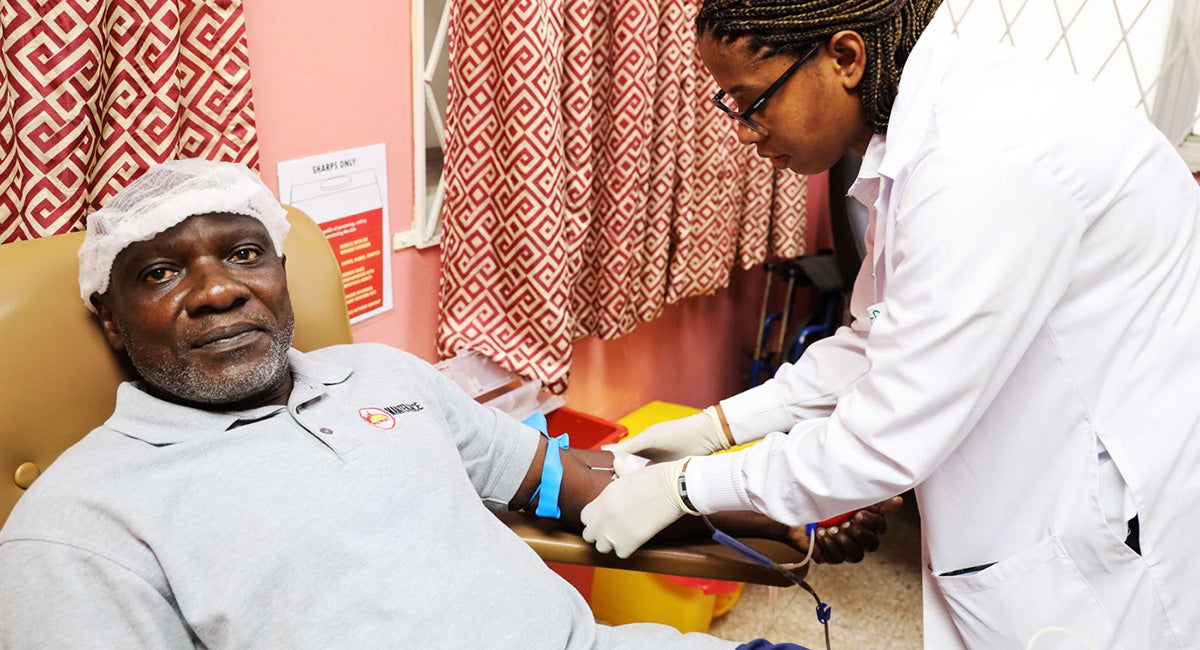
Several members of her family volunteered to help, including her cousin, Jerome.
“When Michelle told me that she needed blood, I didn’t hesitate,” he recalled. “I saw the pain that she had been in for years and decided I would do anything to help her get better, including giving blood.”
His donation helped ensure that Michelle could receive the transfusion required to move forward with treatment.
“Knowing that members of my family stepped in to help means a lot to me,” Michelle said. “All I wanted was to no longer be in pain and to get my life back, and they made that possible.”
While Michelle’s story is personal, it is far from unique. Every day, patients require blood for reasons that extend well beyond emergency care. Blood transfusions support people undergoing surgery, living with severe anaemia, receiving cancer treatment, or experiencing complications during childbirth. For many, access to blood is a critical step in receiving the care they need.
The Pan American Health Organization (PAHO) has committed to continue working with national programmes to improve access to safe blood across Jamaica by providing technical expertise and resources to strengthen the National Blood Transfusion Service (NBTS) and expand its reach. As part of this support, PAHO has also developed a Strategic Plan for the NBTS, along with protocols and guidelines for blood safety aligned with the PAHO Caribbean Regional Standards for Blood Banks and Transfusion Services.
Yet despite its essential role in healthcare, blood remains one of the few medical resources that cannot be manufactured. Every unit available for transfusion comes from someone who chose to donate.
That simple fact lies at the heart of World Blood Donor Day, observed annually on 14 June. The day recognises voluntary, unpaid blood donors and the indispensable contribution they make to health systems and patient care around the world.
This year’s theme, “One Drop of Humanity. Give Blood. Save Lives.”, speaks to the human connection behind every donation. It highlights how a single act of generosity can have a direct impact on another person’s recovery, treatment, or survival.
For Michelle, that importance was clear. Before she could access the surgery needed, someone had to donate their blood.
In her case, that person was a family member. For many other patients, it is a voluntary donor they may never meet and whose name they may never know.
The outcome, however, is the same.
A single blood donation can help make treatment possible. It can help a surgery proceed, support a patient’s recovery, and provide an opportunity for someone to regain their health and move forward with their life.
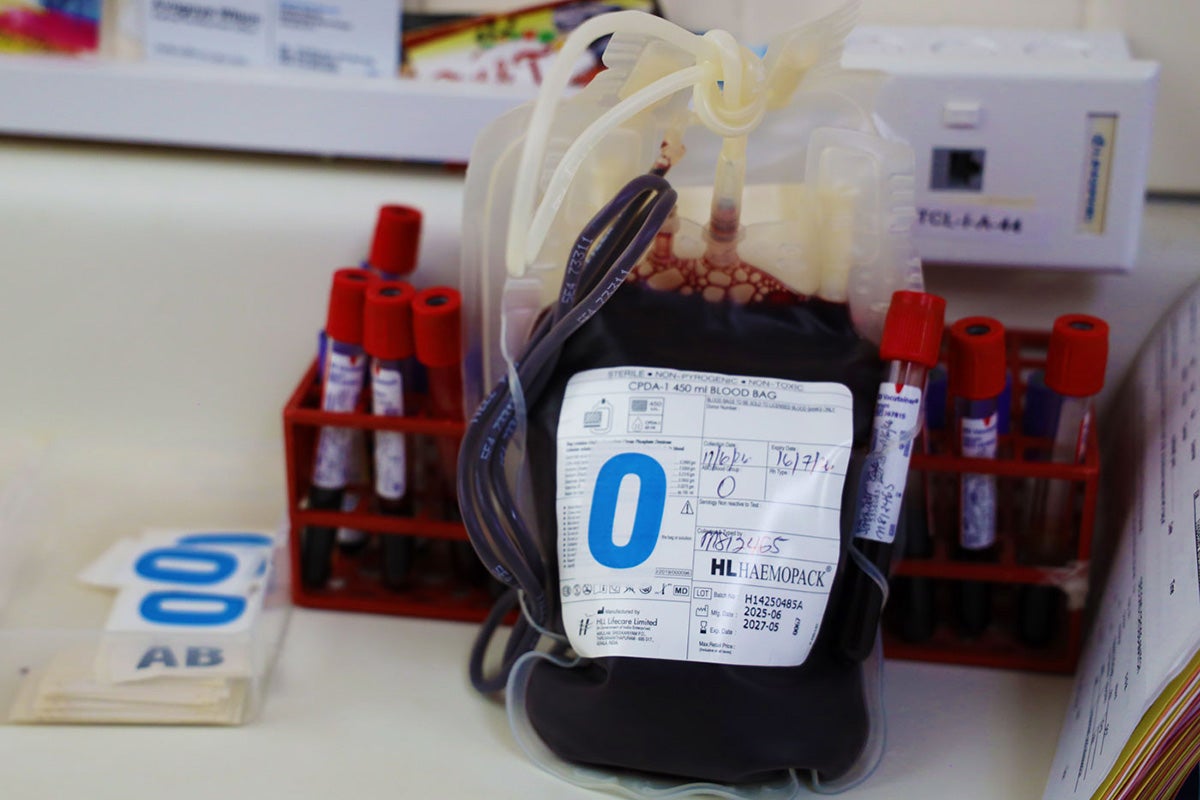
That is the power of blood donation, not only in moments of crisis but in the everyday stories of patients whose path to treatment depends on the generosity of others. Michelle’s journey is one such story and serves as a reminder that sometimes the smallest act of giving can make a life-changing difference.
Equitable access to safe blood is a right for all people and depends on strong, well-organised national blood systems capable of ensuring a reliable and safe supply of blood and blood products.
PAHO collaborates with governments to act with urgency and commitment to invest in resilient national blood services, strengthen oversight, and expand voluntary non-remunerated blood donation as the foundation of safe and sustainable supply systems. While family or replacement donations may provide temporary relief, they are not enough to meet long-term needs.
Sustainable progress requires a decisive shift toward regular voluntary donation systems that are reliable, sufficient, and centred on safety and equity. Governments are urged to prioritize the expansion of voluntary donor programmes, improve the quality and efficiency of blood services, and eliminate dependence on paid or replacement donation to ensure that safe blood is available for all who need it, when they need it.