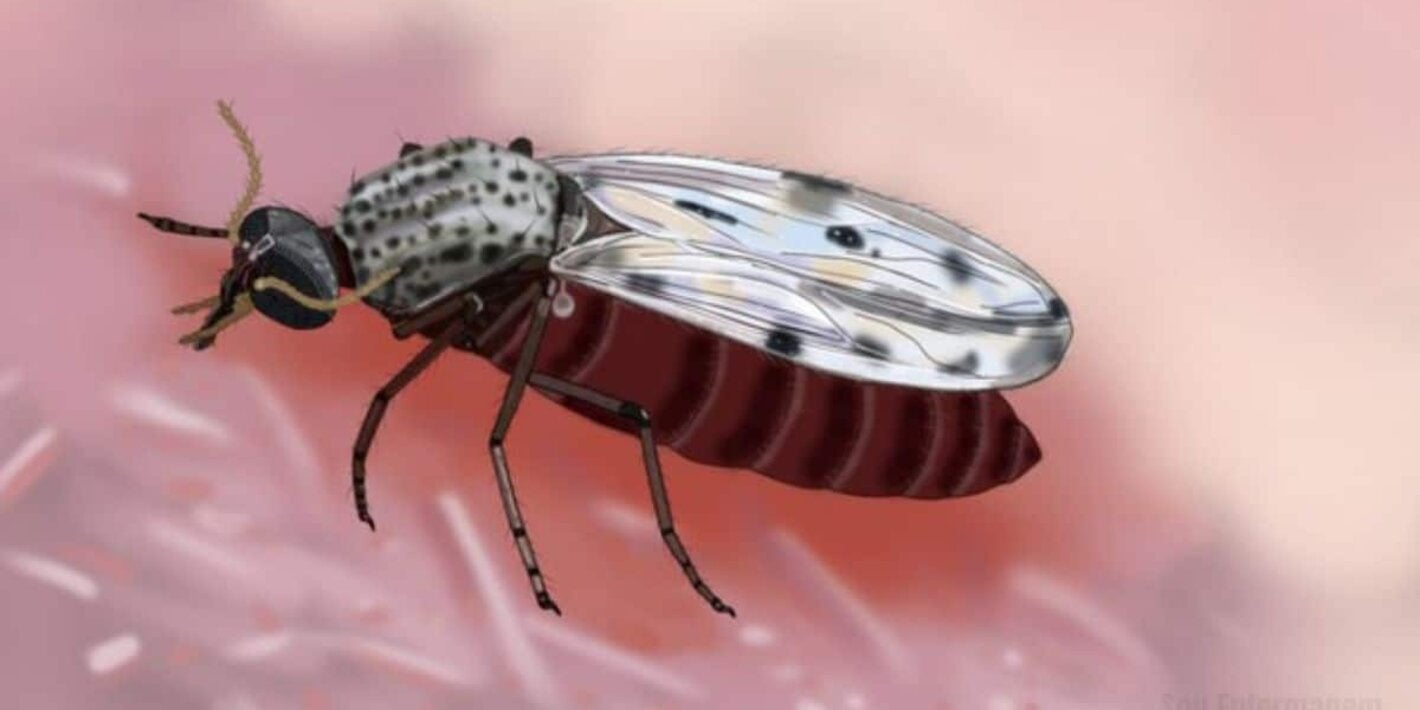
Arboviral diseases, or arboviroses, are viral infections transmitted to humans by arthropods, primarily mosquitoes. In the Region of the Americas, they include, among others, dengue, zika, chikungunya, yellow fever, and Oropouche virus disease. These diseases require continuous surveillance, sustained prevention efforts, and an integrated response from health systems.
In the Americas, arboviral diseases represent a growing public health challenge due to the geographic spread of their vectors, rapid urbanization, conditions that favor the proliferation of breeding sites, and the simultaneous circulation of multiple arboviruses.
These factors increase the risk of outbreaks and epidemics in the Region, making it necessary to continuously strengthen surveillance, clinical care, risk communication, and vector control.
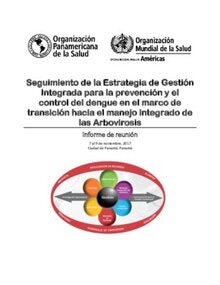
The Pan American Health Organization (PAHO), together with its Member States, promotes the Integrated Management Strategy for the Prevention and Control of Arboviral Diseases (EGI-Arbovirus), (available in Spanish), as a regional framework to guide prevention, preparedness, and response to these diseases.
The strategy integrates epidemiological, virological, clinical, and entomological surveillance; clinical diagnosis and patient management; risk communication; community engagement; and vector control, with the aim of reducing the health, social, and economic impact of arboviral diseases across the region.
Click on the image to access the Arbo-Portal or click here.

La Organización Panamericana de la Salud (OPS), junto con los Estados Miembros, impulsa la Estrategia de Gestión Integrada para la Prevención y el Control de las Enfermedades Arbovirales (EGI-Arbovirus) como marco regional para orientar la prevención, preparación y respuesta frente a estas enfermedades.
La estrategia integra vigilancia epidemiológica, virológica, clínica y entomológica; diagnóstico clínico y manejo de pacientes; comunicación de riesgos; participación comunitaria; y control de vectores, con el fin de reducir el impacto sanitario, social y económico de las arbovirosis en la Región.