Drowning is the process of experiencing respiratory impairment from submersion or immersion in liquid. Outcomes are classified as death, morbidity, or no morbidity. Drowning is one of the leading causes of unintentional injury-related death worldwide and has a significant impact in the Region of the Americas. Each year, thousands of people lose their lives in rivers, lakes, seas, swimming pools, and wells. It disproportionately affects children, young people, older adults, particularly males, and rural communities.
Drownings occur in a wide range of contexts, including daily activities such as bathing, recreational activities, water transport on boats and ferries, fishing, occupational settings, and disasters related to seasonal or extreme weather events, such as hurricanes and flash flooding.
Key risk factors include:
- Lack of child supervision
- Uncontrolled access to bodies of water
- Alcohol and drug consumption
- Absence of swimming and water safety skills
- Age
- Sex
- Poverty and Inequality
- Climate-Related Risks
- Transport on Water
Drowning is preventable and can be addressed through coordinated actions across multiple sectors, including health, education, transport, tourism, and disaster risk management. PAHO works with countries in the Region to strengthen public policies, improve data and surveillance systems, and promote evidence-based interventions that save lives.
- The global drowning mortality rate deaths is 3.8 per 100,000 population, while the rate in the Region is 1.6 per 100,000 population.
- More than 90% of drowning deaths occur in low- and middle-income countries, with children under five years of age at the highest risk.
- Since 2000, drowning mortality rate in the Region of the Americas has declined by 38%.
- In 2021, 17,000 people died from drowning in the Americas.
- Drowning is the 7th leading cause of death among children aged 5 to 14 years.
- Drowning disproportionately affects older adults, particularly men.
- In the Region of the Americas, drowning results in the loss of approximately 950,000 disability-adjusted life years (DALYs) annually.
- 11 countries have designated a government focal point to coordinate drowning prevention efforts.
- 6 countries have a national strategy for the prevention and control of drowning, of which 2 are government-led.
- 5 countries have national legislation requiring the fencing of public and private swimming pools.
- 7 countries reported that their disaster risk reduction policies explicitly address drowning prevention.
- 2 countries include swimming and water safety lessons in their national school curriculum.
Drowning has been recognized internationally as a major public health problem. In 2021, the United Nations General Assembly adopted resolution A/RES/75/273 “Global drowning prevention”, the first resolution of its kind, which positioned drowning prevention as a priority on the global political agenda.
Building on this commitment, in 2023, the World Health Assembly adopted resolution WHA76.18 “Accelerating action on global drowning prevention”, which calls on countries to assess their national drowning burden, strengthen surveillance and technical cooperation, and develop comprehensive multisectoral strategies integrated into broader health, safety, and development policies. These actions aim to accelerate the implementation of evidence-based interventions and promote a coordinated and sustainable approach to reduce drowning deaths.
In line with these resolutions, PAHO works with Member States of the Region of the Americas to:
- Provide technical assistance for the development and implementation of programs, national laws, and policies on swimming pool fencing, water transport safety, lifejacket use, and alcohol consumption regulations.
- Strengthen data collection, surveillance, and analysis systems to ensure reliable and comparable information.
- Promote research and facilitate the exchange of experiences and best practices among countries.
- Mobilize strategic partners and resources to support the implementation of cost-effective interventions.
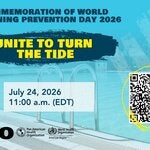
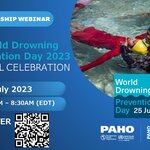
- Lead regional and global awareness campaigns, including World Drowning Prevention Day (25 July).
Recommended interventions to reduce the risk of drowning:
- Installing barriers such as fences, covers, or other physical structures to restrict access to bodies of water, including ponds, wells, and swimming pools.
- Provide safe, supervised spaces for children away from water hazards.
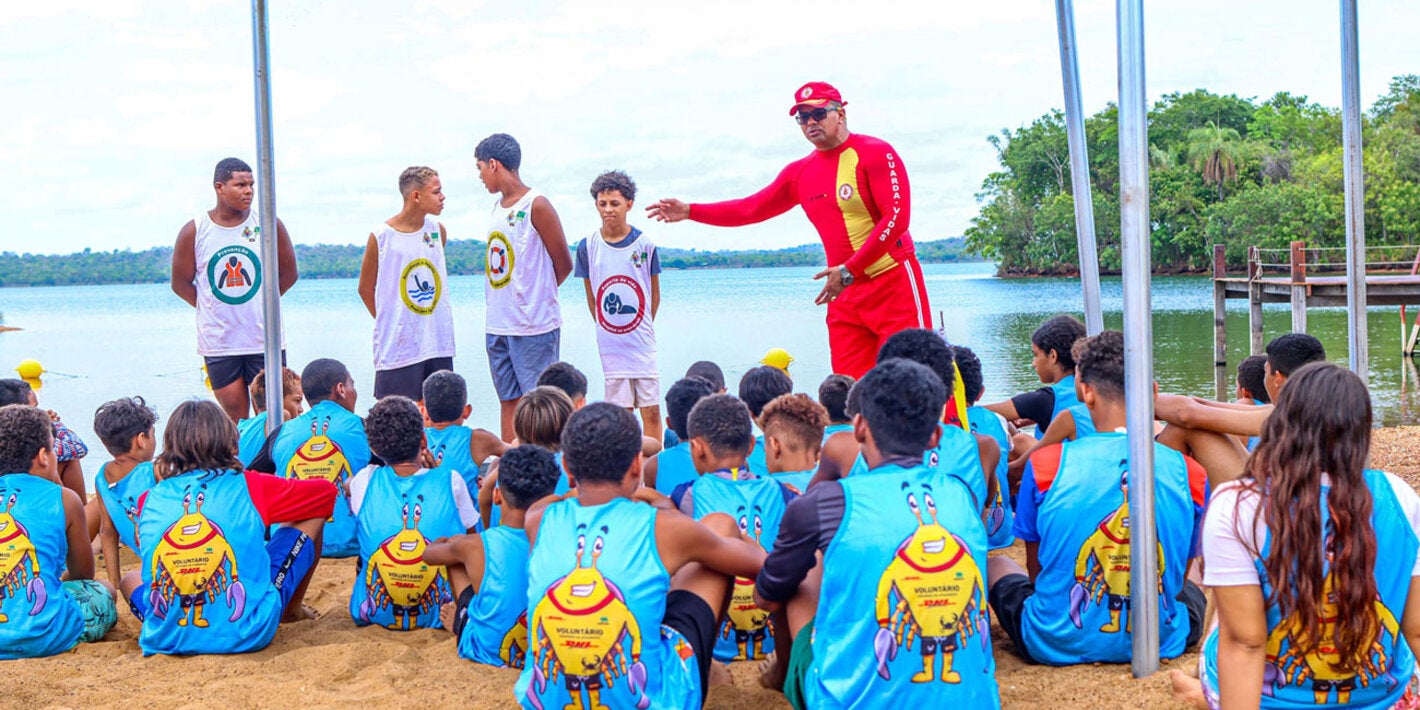
- Teaching swimming, floating, and water safety skills to school-age children.
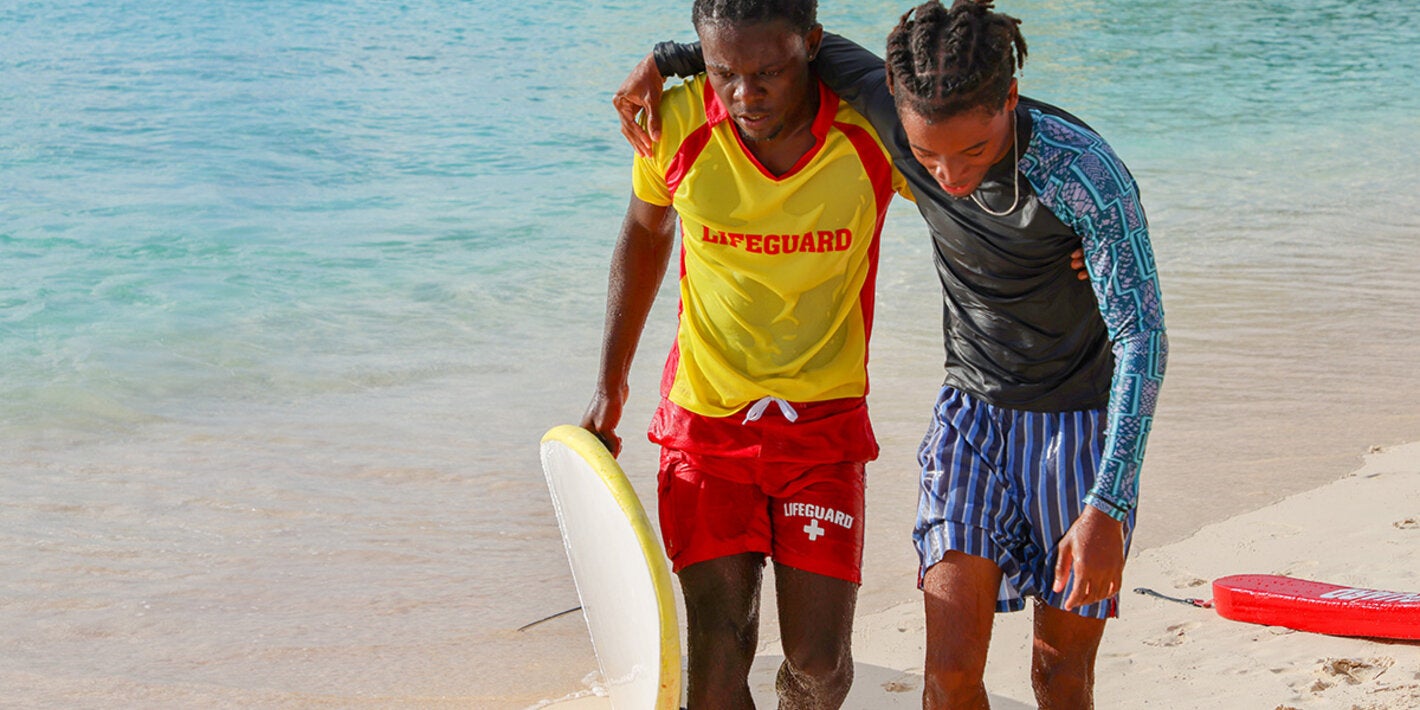
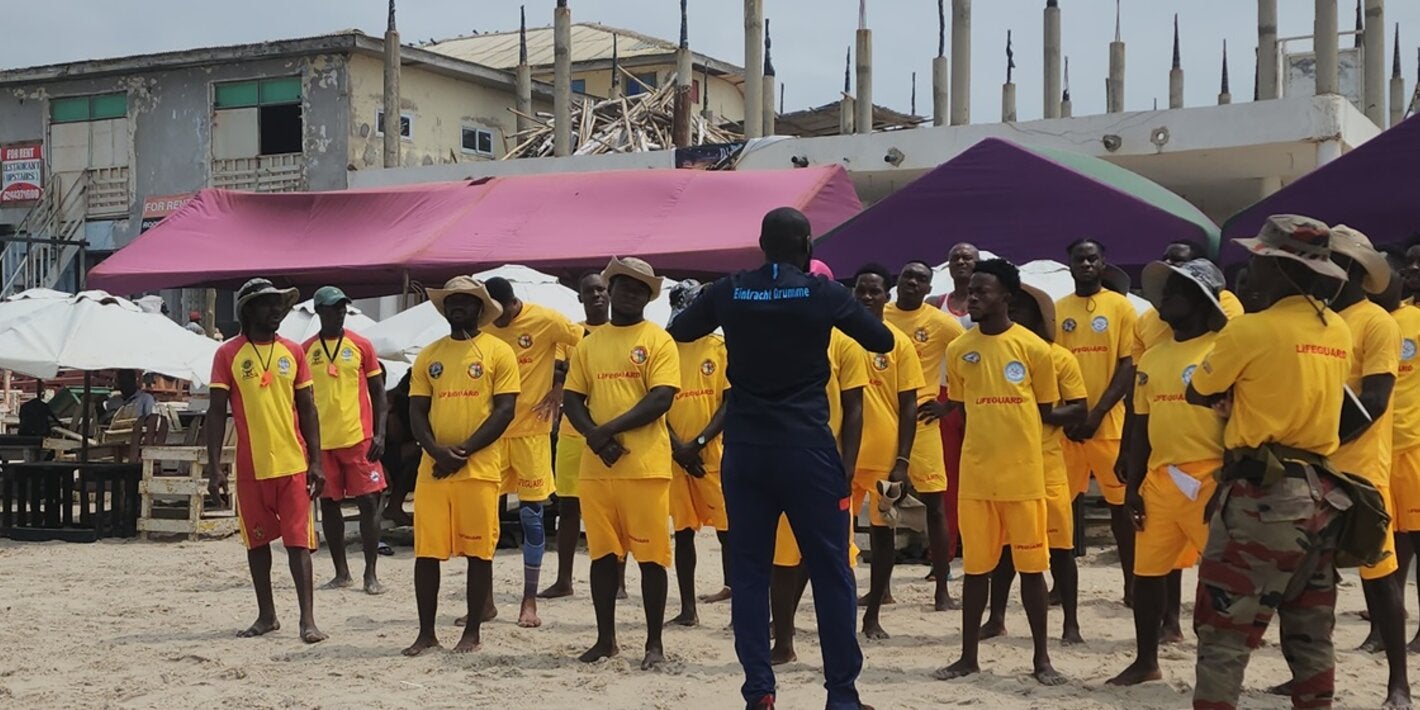
- Train bystanders in safe rescue and resuscitation techniques, including CPR.
- Developing and enforcing water safety policies and regulations for recreational areas, watercraft, and occupational water safety.
- Promoting safety in water transport through the use of lifejackets.
- Improving data collection and surveillance systems to better monitor drowning cases and guide prevention strategies.
- Strengthening multisectoral collaboration among health, education, transport, tourism, and disaster risk management sectors.