For PAHO, knowledge management refers to information and knowledge that originate from and are expressed in scientific and technical documents or publications, regardless of their format. Since the early days of the Organization, there has been an awareness of the importance of collecting, preserving, organizing, and sharing its records.
The pillars of knowledge management at PAHO are:
- equitable access to information for everyone;
- multilingualism;
- evidence generation;
- good practices and lessons learned;
- strengthening networks and knowledge sharing;
- open access and open science;
- capacity building;
- closing the digital divide;
- support for the generation and organization of new knowledge.
At PAHO, knowledge management is led by Knowledge Management (KM) team, which is part of the department of Evidence and Intelligence for Action in Health (EIH), and carries out the following lines of action:
- It sets the principles and practices for managing and sharing knowledge as key components for the technical cooperation that PAHO provides to Member States.
- It provides services mainly related to generating, collecting, standardizing, disseminating, and preserving the Organization's intelligence as reflected in its publications and technical documents, as well as coordinating PAHO/WHO Collaborating Centers and the Pan American Journal of Public Health.
- It promotes digital literacy and digital transformation by offering regular training to PAHO staff and Member States on how to use scientific and technical databases and other information resources.
- It generates scientific knowledge through the management of the Pan American Journal of Public Health. This journal is peer-reviewed, open access, and free, and is recognized as PAHO's flagship scientific and technical periodical. Its goal is to bridge the gap between policymakers, researchers, health professionals, and doctors.
- It promotes networking and Pan-Americanism through the PAHO/WHO Collaborating Centers. The collaborating centers are institutions like universities, hospitals, research institutes, academies, or ministries that support PAHO in conducting research, helping develop PAHO/WHO guidelines, collecting and analyzing data, sharing information, offering training courses, standardizing terminology, or providing technical advice to the Organization.
- It ensures the preservation and availability of the Organization's technical information effectively and sustainably through the PAHO Digital Library (IRIS). The main goal of IRIS is to provide free digital access to the Organization's scientific and technical output produced by the technical areas of the Headquarters, Country Offices, and Pan American Centers, as well as the mandates of the Organization's Governing Bodies along with its Member States.
- Promotes the dissemination of information through the moderation of the Equity List and the Heal Information for All (HIFA) forum in Portuguese. The main topics of the Equity List are related to equity and its application in developing countries, and its relevance to policy instruments and programs. Meanwhile, HIFA is a forum aimed at improving the availability and use of reliable health information for health professionals, policymakers, and the general public.
- Develops methodologies related to knowledge management and institutional capacity. Among the proposed topics, the highlights are: developing communities of practice; documenting lessons learned; how to start writing a scientific article; improving scientific writing in public health; and organizing, sharing, and preserving institutional memory.
- It provides access to international scientific and technical literature through Research4Life, a platform that gives institutions in low-income countries online access to peer-reviewed academic and professional content. Among its participating programs, HINARI (Access to Health Research) stands out. It is managed by the WHO in partnership with the Yale University Library and publishers. It gives access to journals, e-books, and additional information resources.
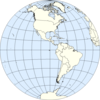
- It gathers technical cooperation in knowledge management and access to health information that PAHO carries out with its Member States in the Americas through Country Profiles. It provides technical information on policies and programs, statistics on scientific output in bibliographic databases, and training conducted during a specific period. In addition, it gives information on how countries manage the exchange, use, and production of health knowledge, including national institutional networks and the country's presence on social media.
- Provides training in digital literacy through webinars and online courses on access to scientific and technical literature. Through our PAHO events portal, you can stay updated on new training opportunities.