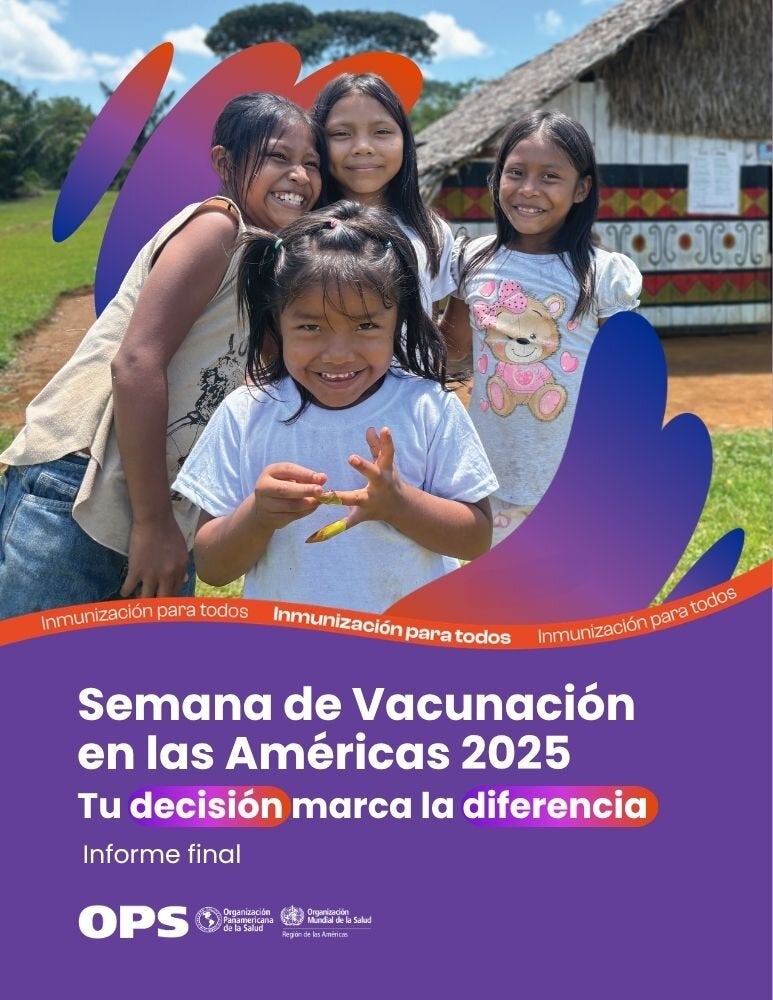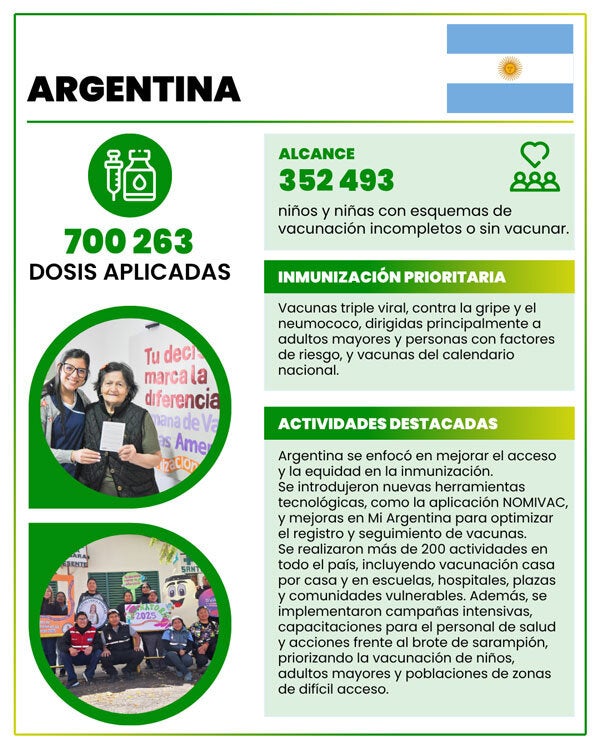
In its 23rd edition, the campaign aligned with PAHO's Elimination Initiative, highlighting vaccination as a key tool for achieving its 2030 goals. Special emphasis was placed on the HPV vaccine, which is essential for preventing cervical cancer.
As always, the VWA worked to close immunization gaps, adapting to the needs of each country.

Message from Dr. Jarbas Barbosa, Director of PAHO
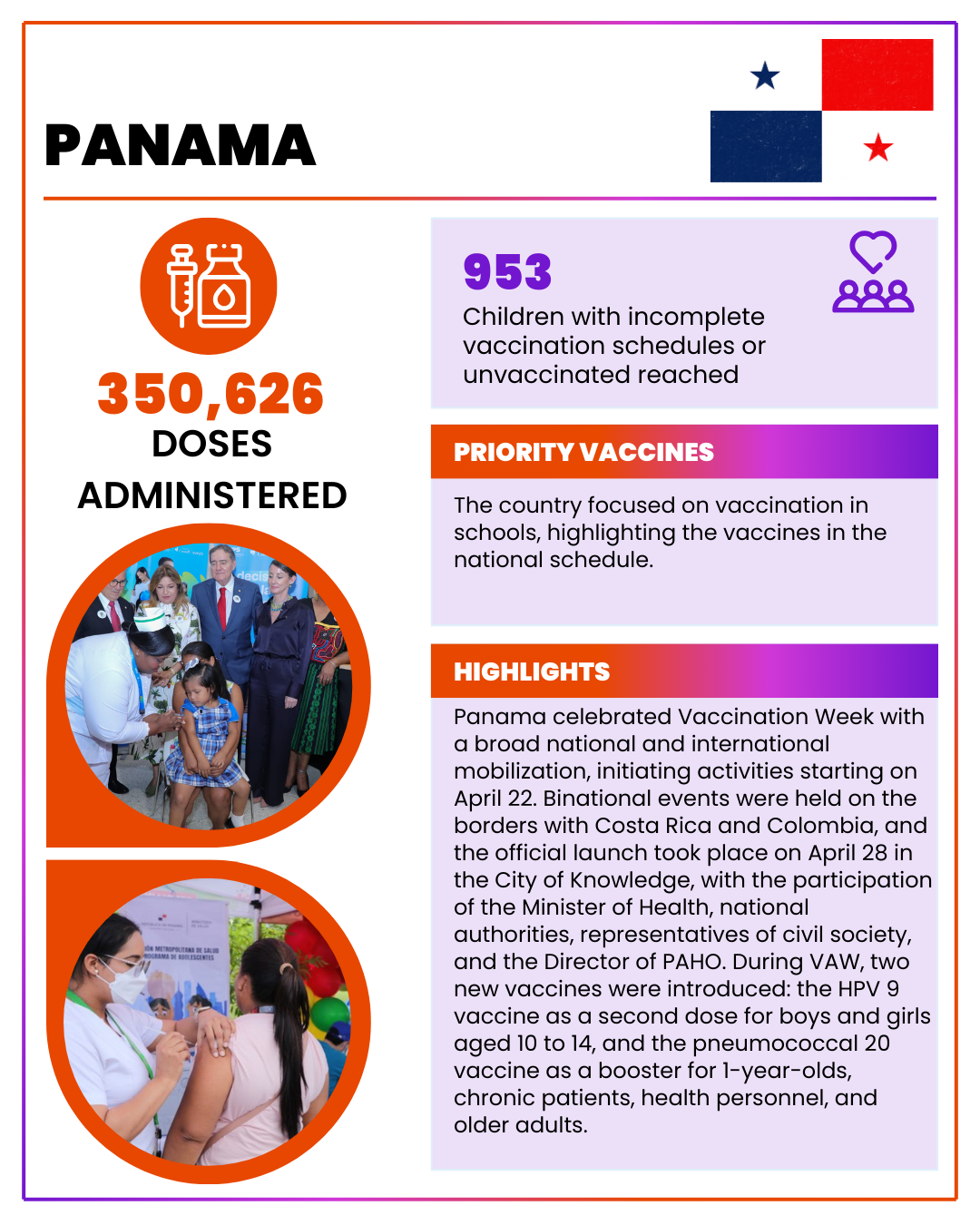
Launch of Vaccination Week in the Americas in Panama
VWA through the years
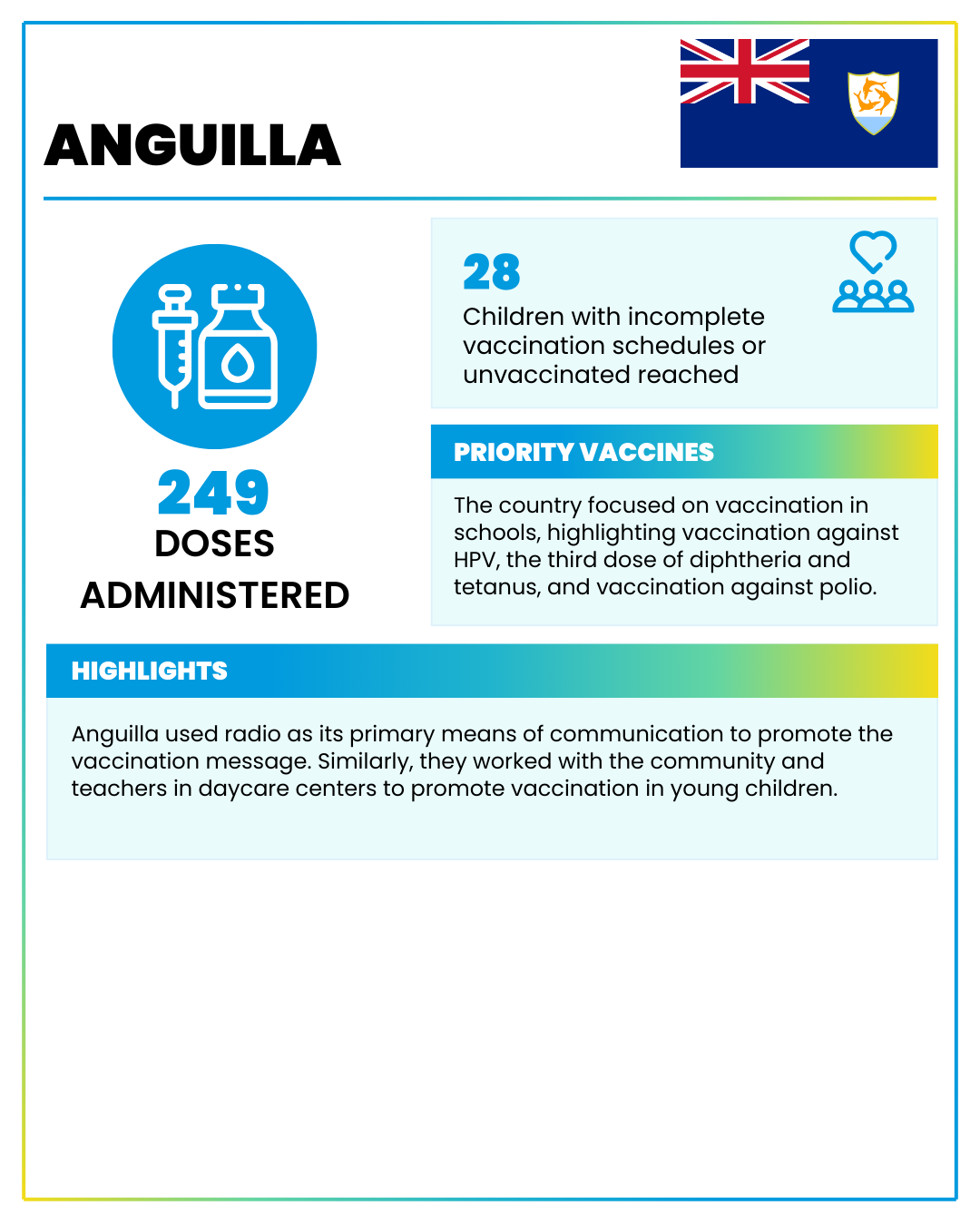
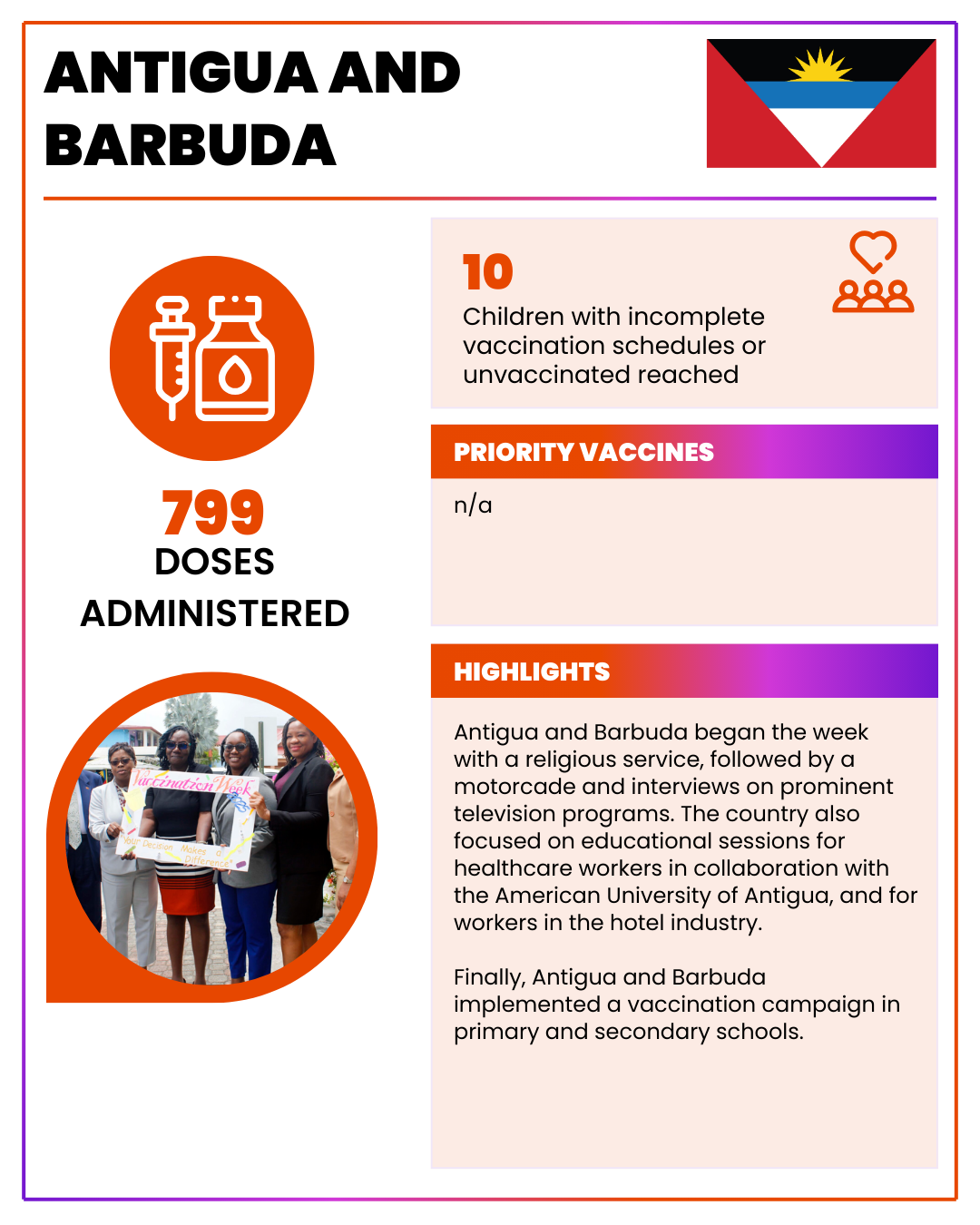
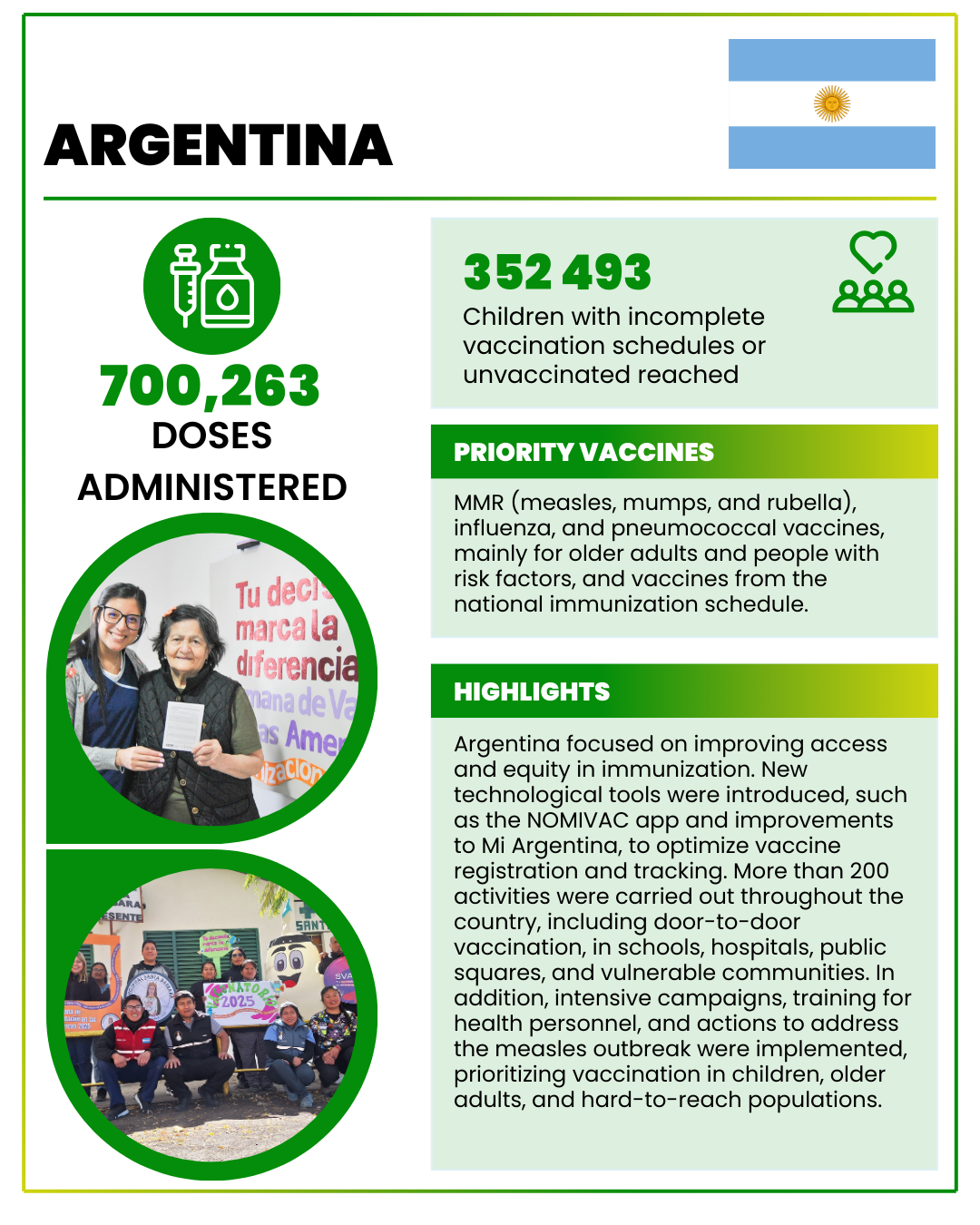
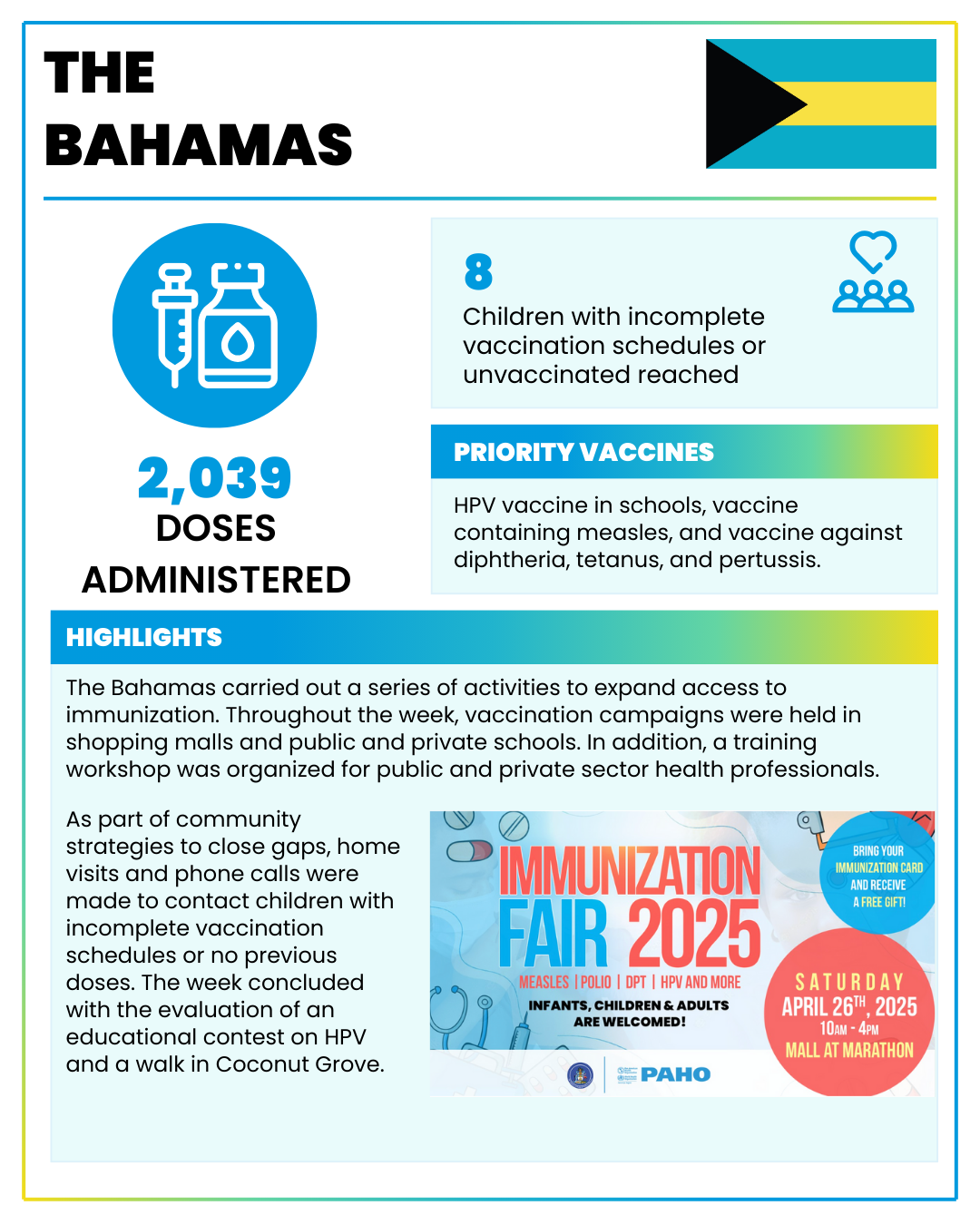
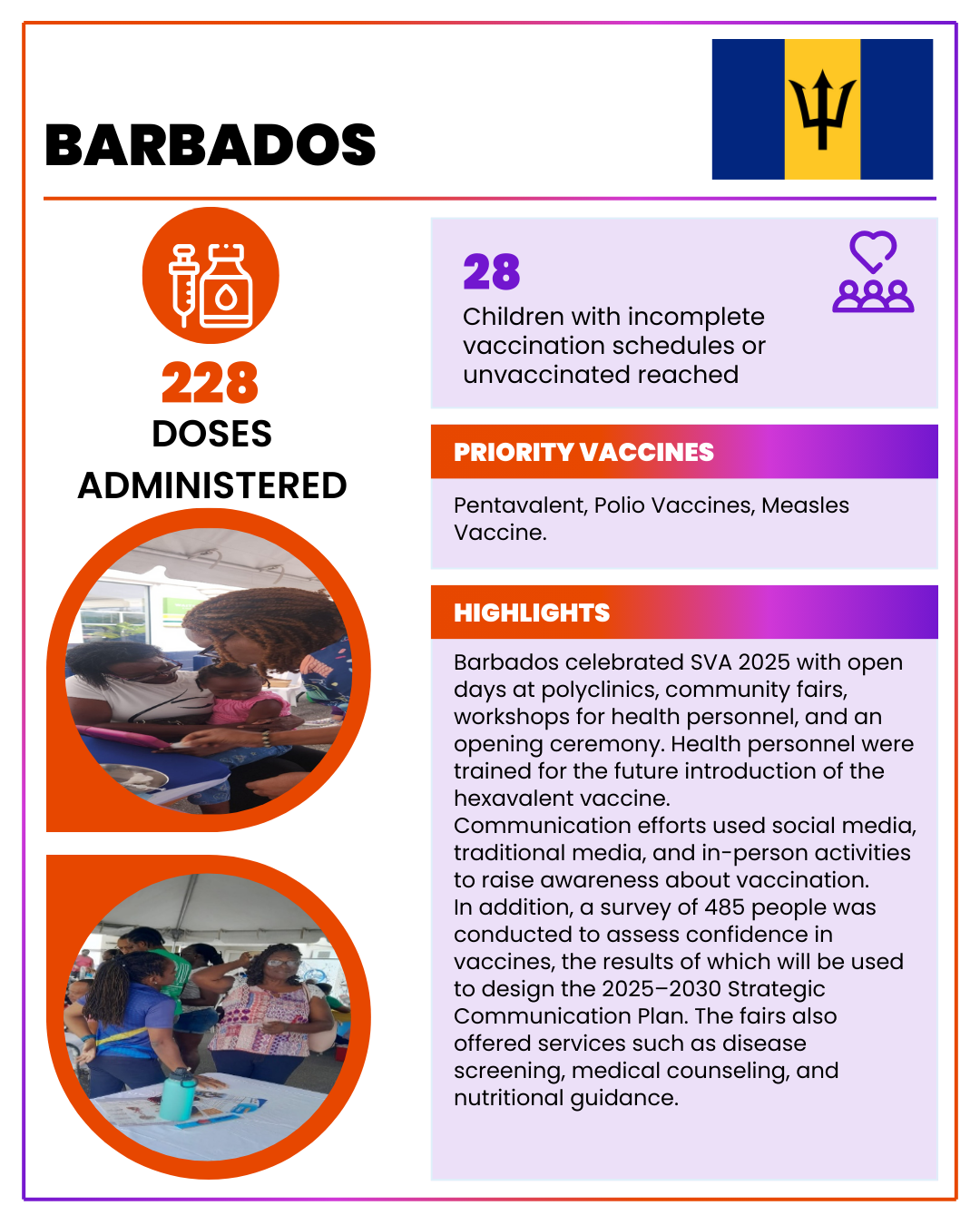
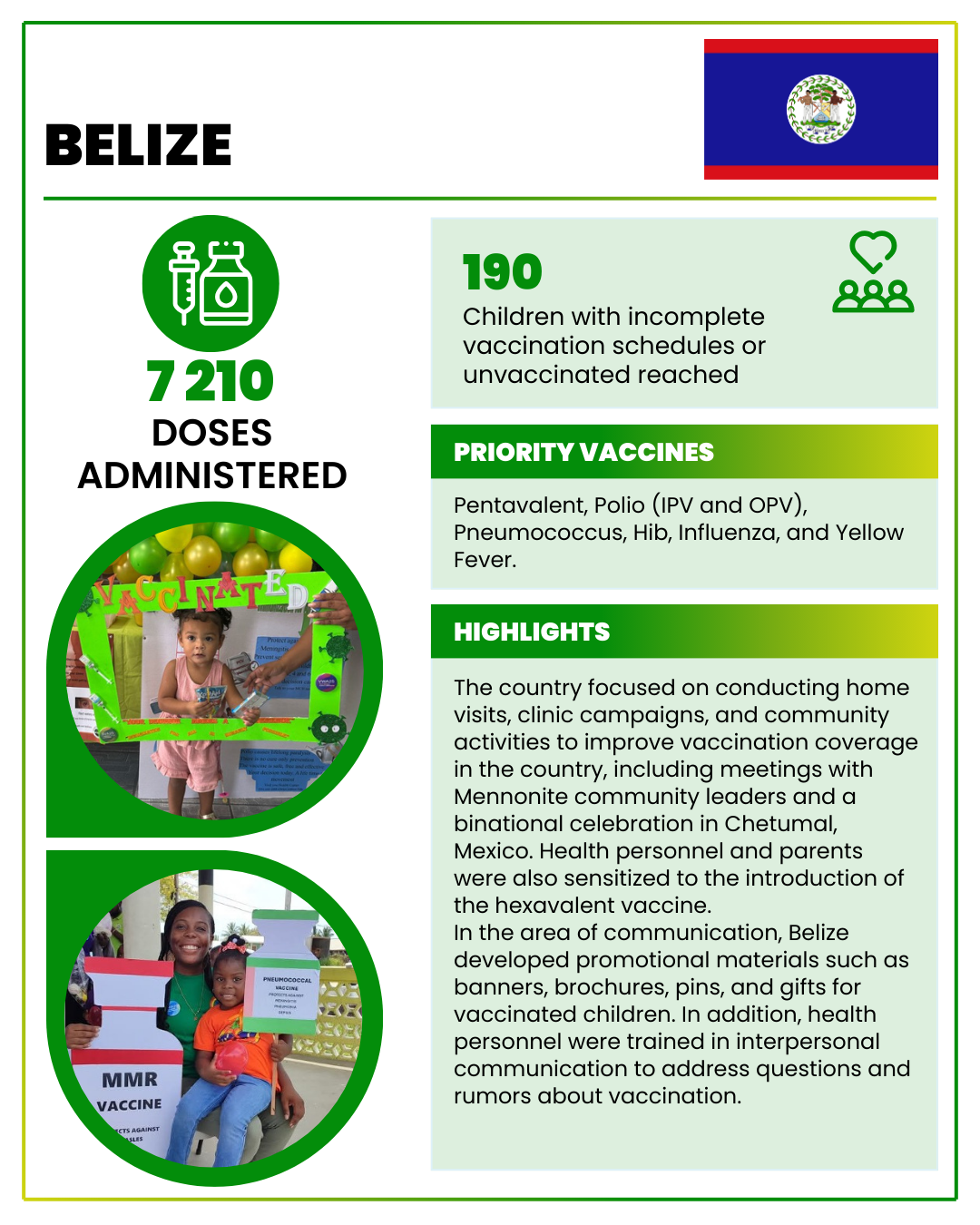
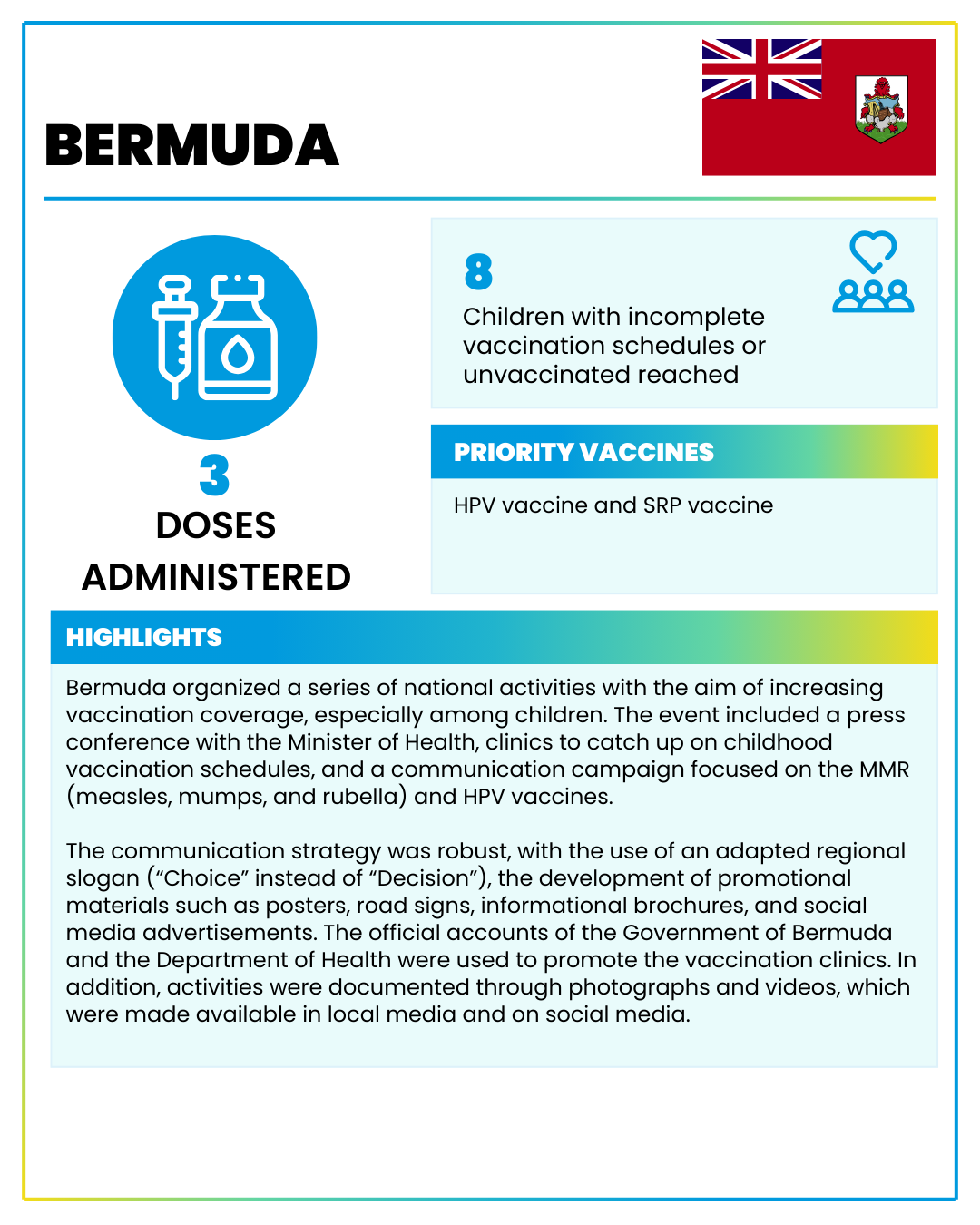
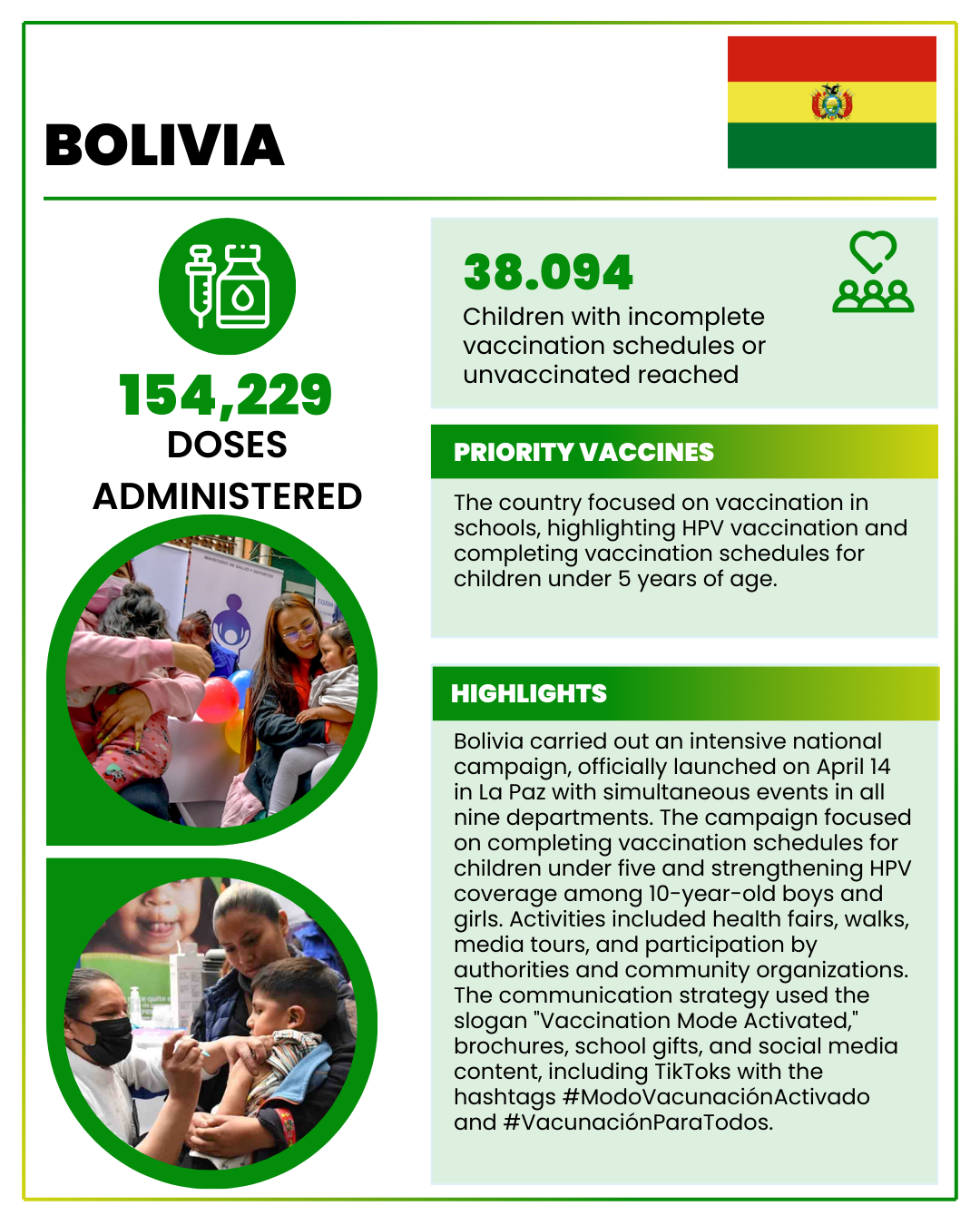
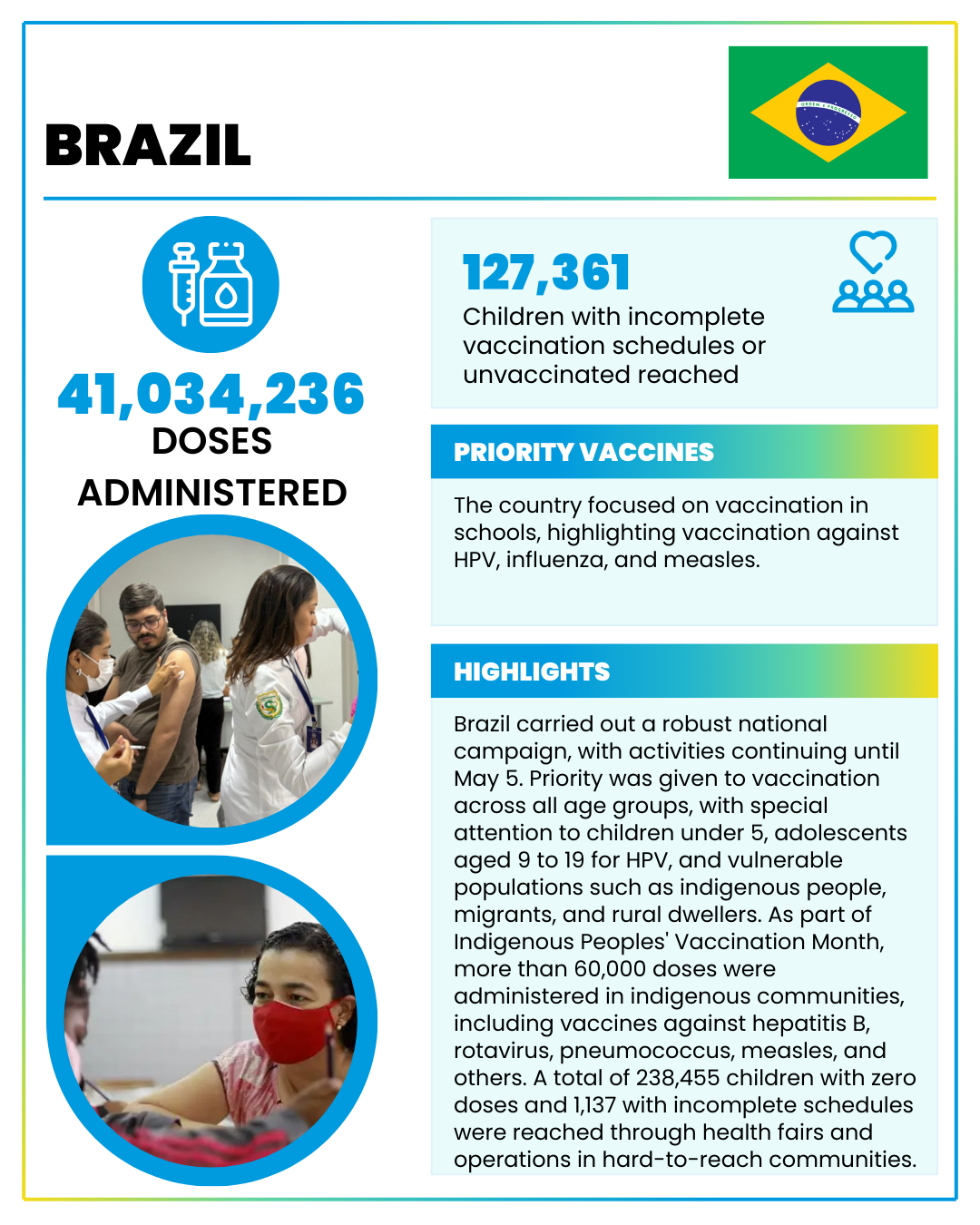
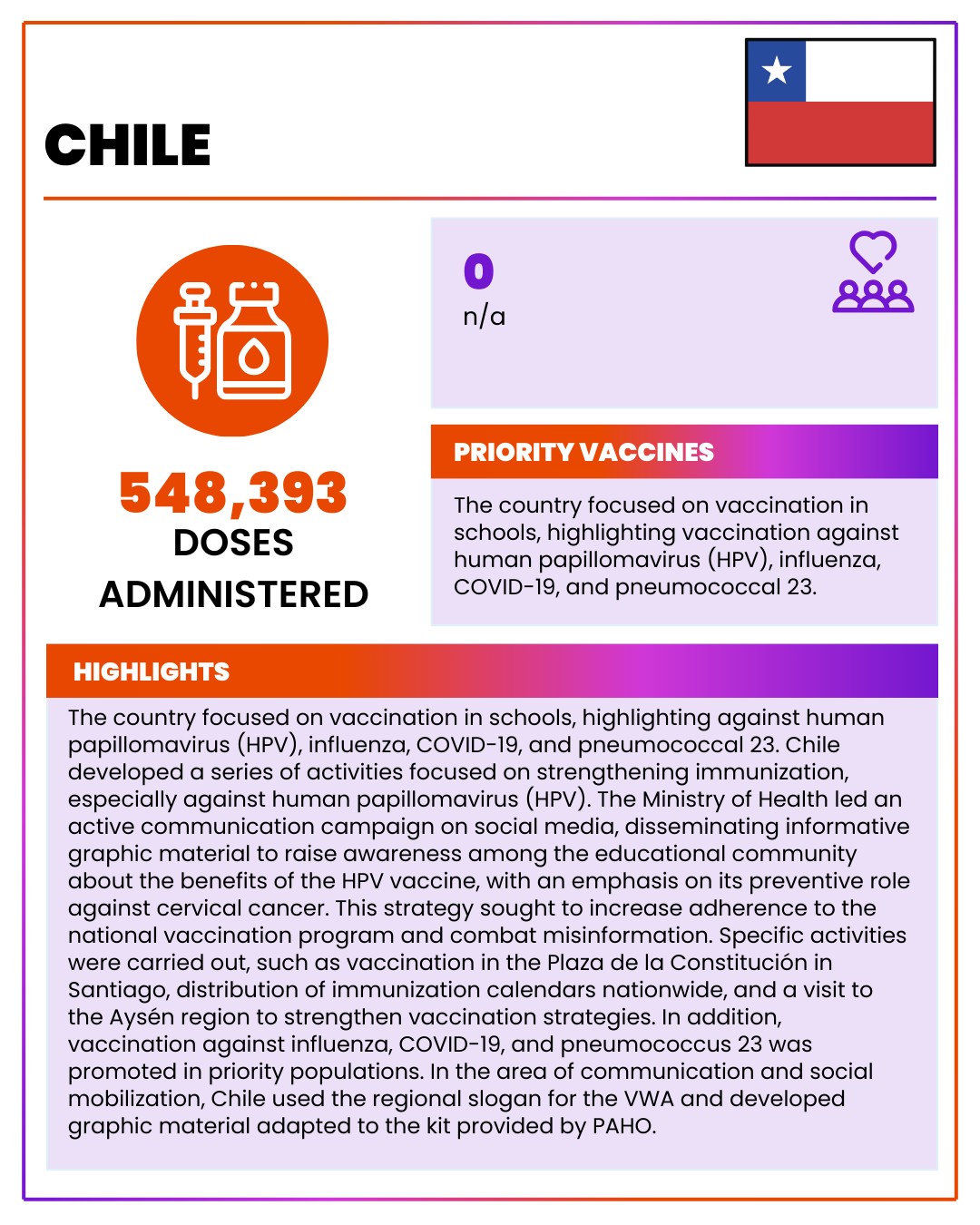
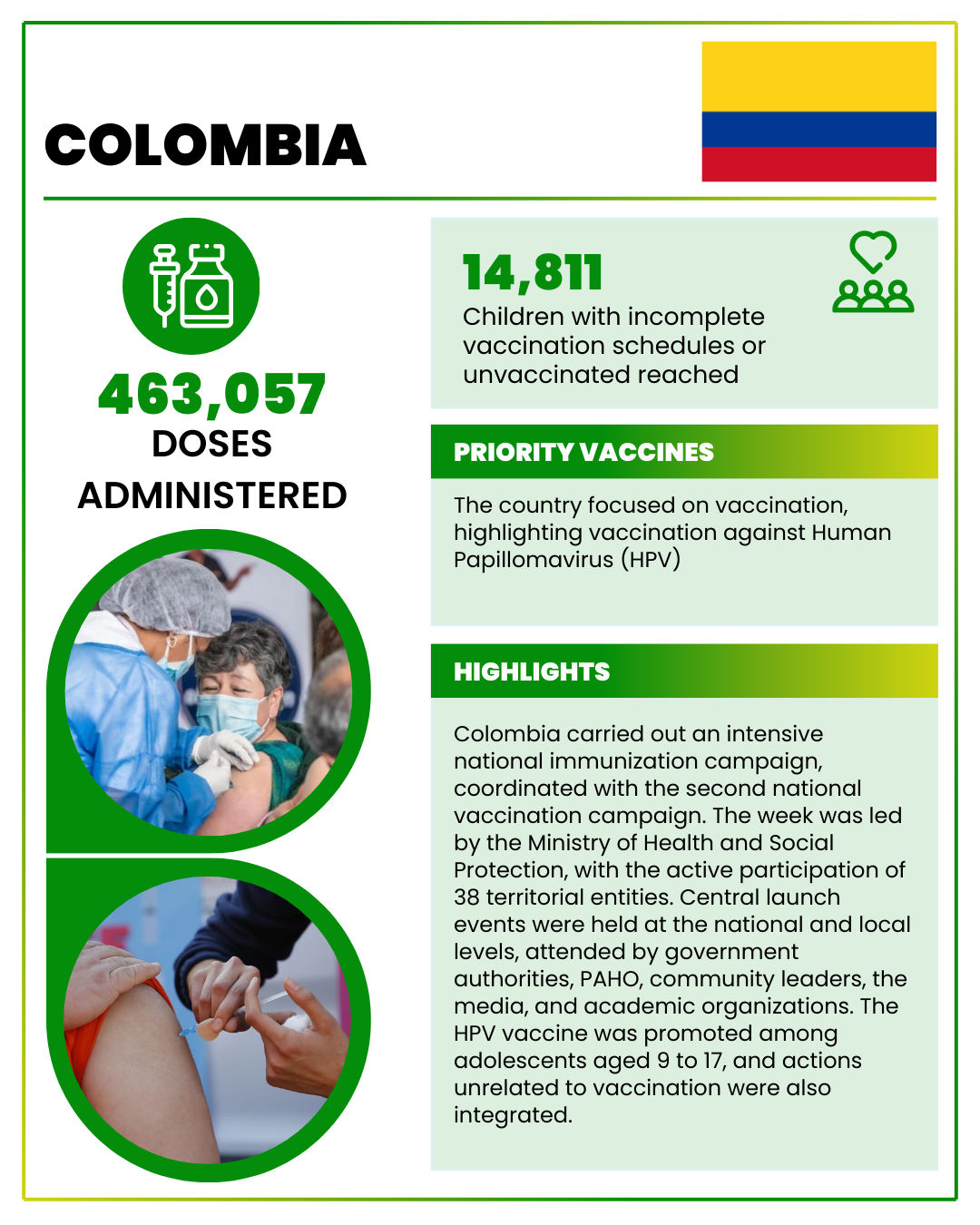
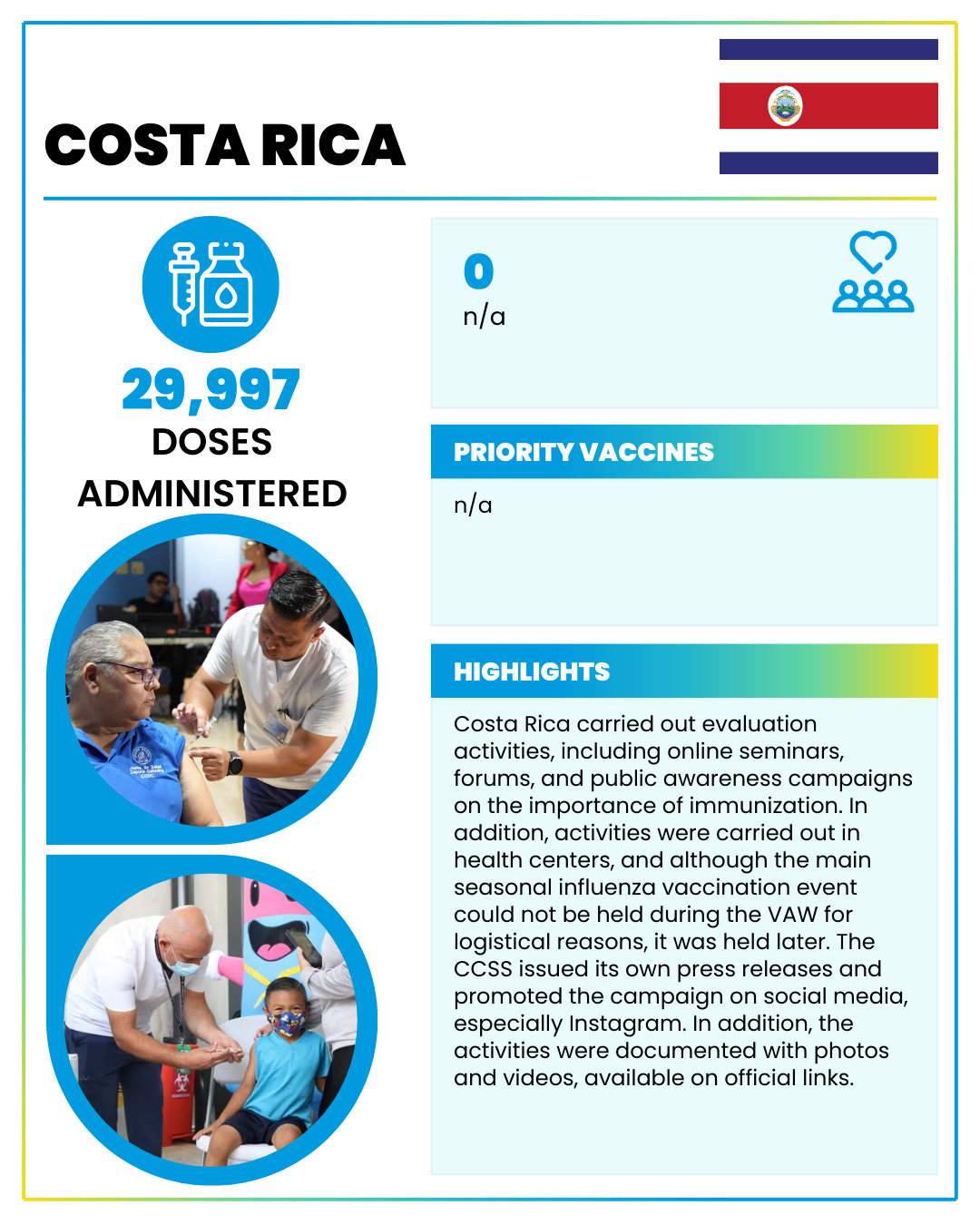
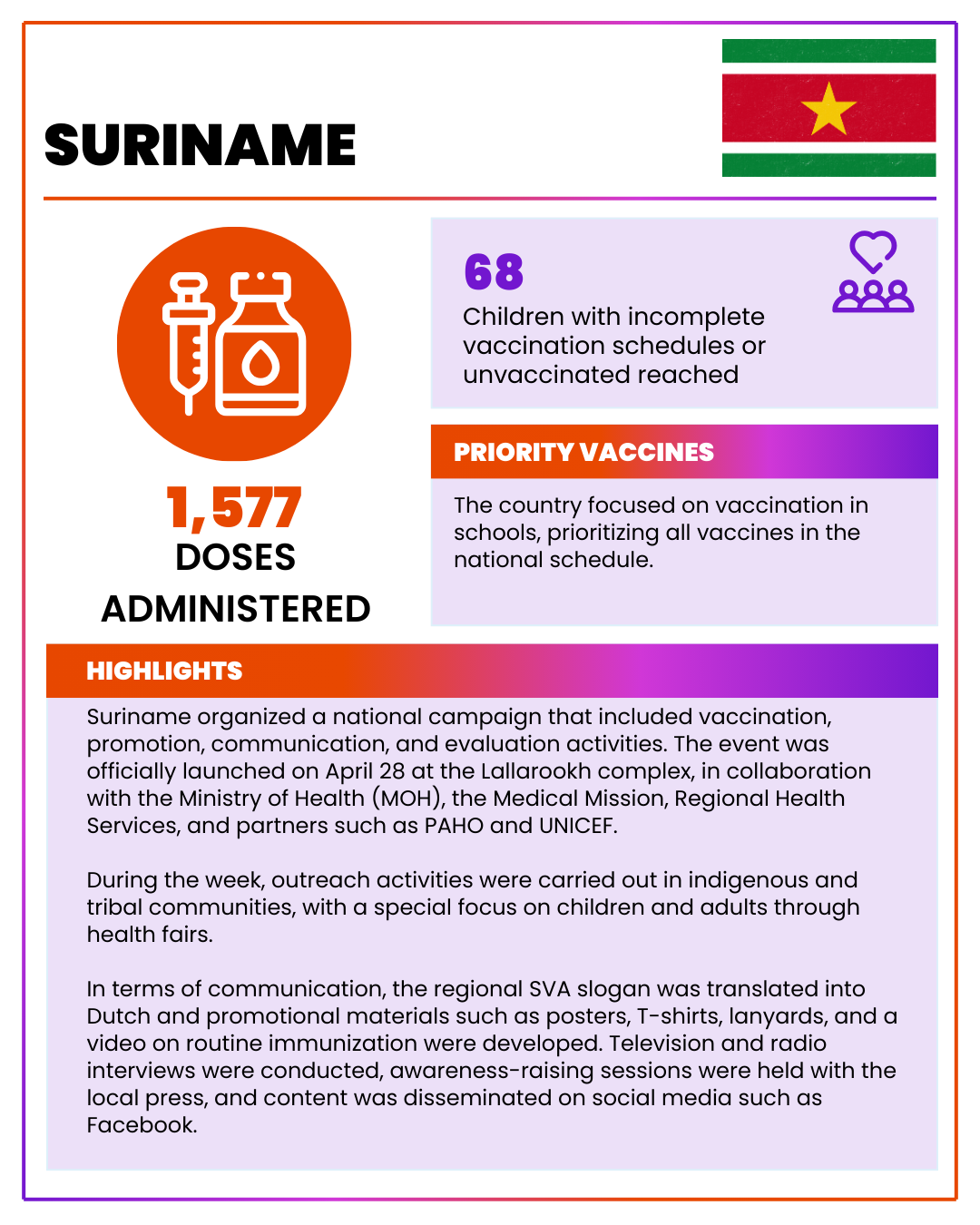
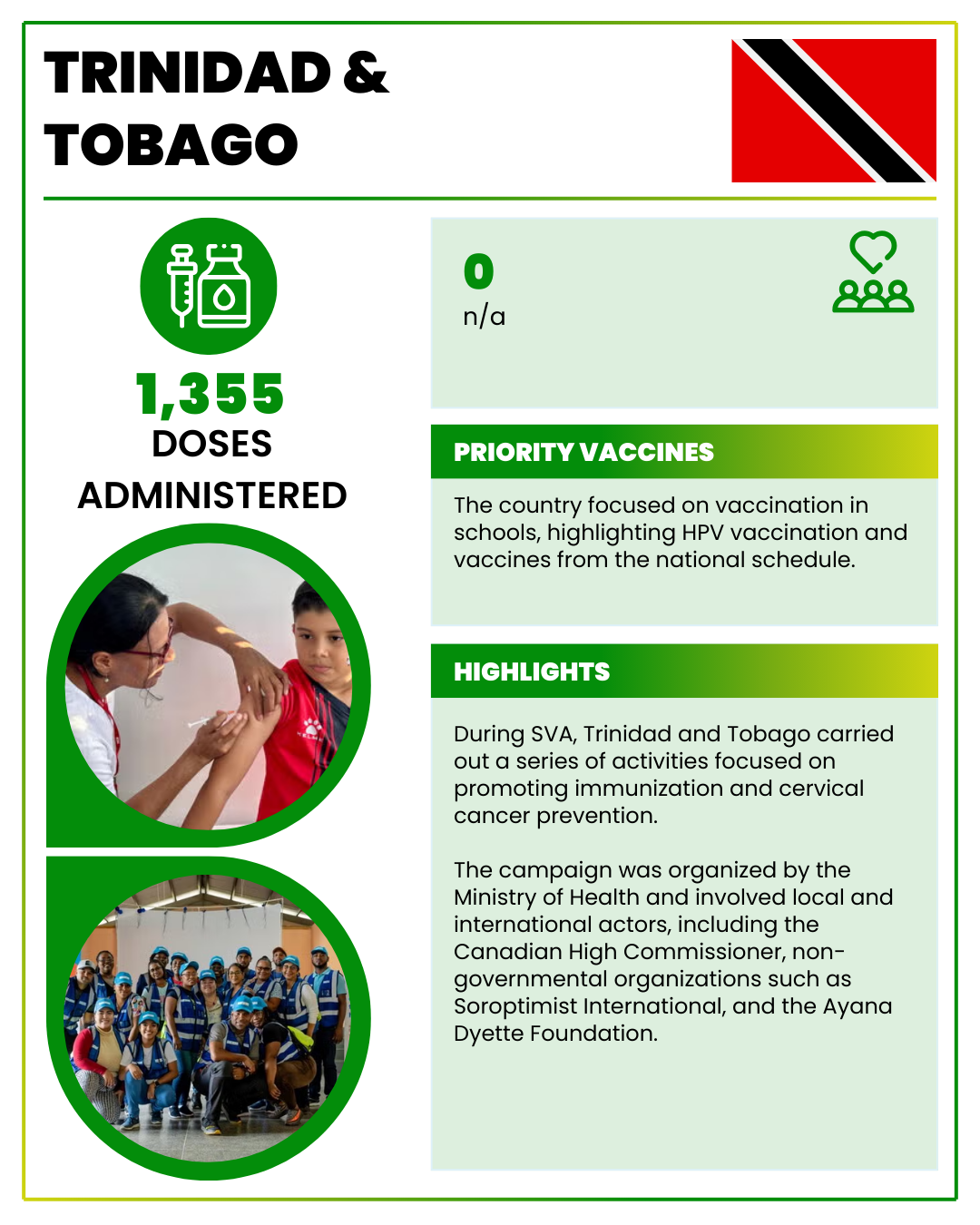
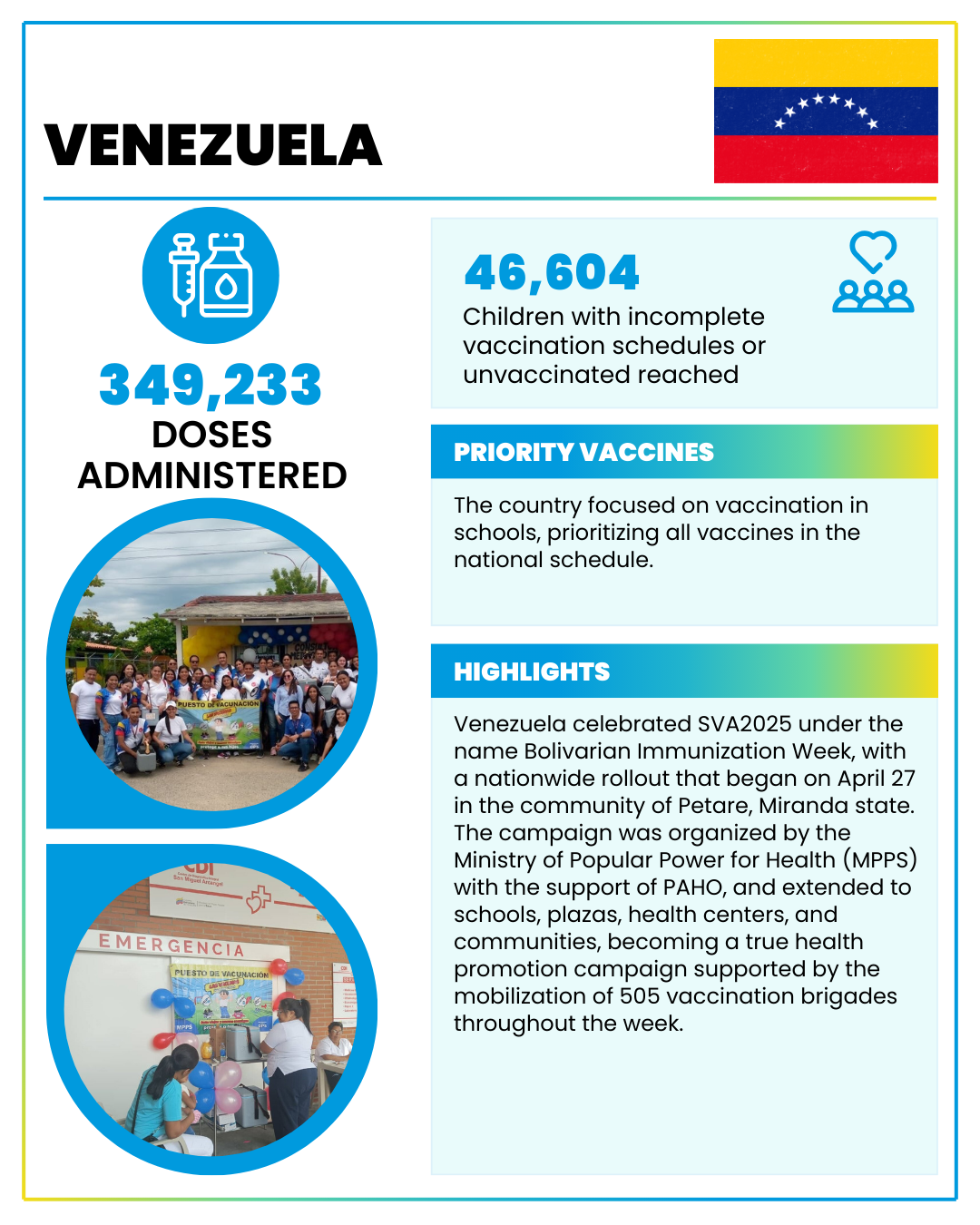
Regional results

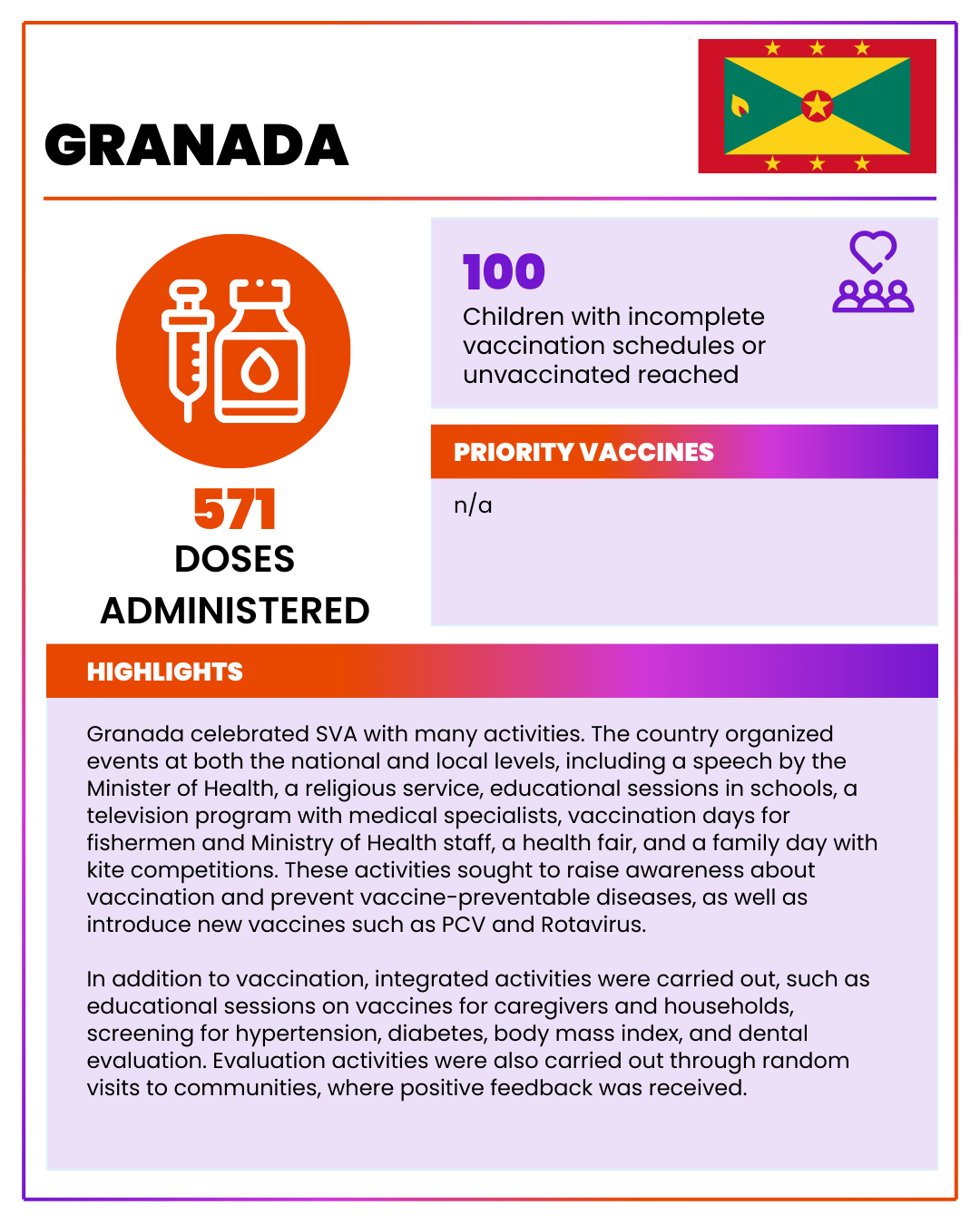
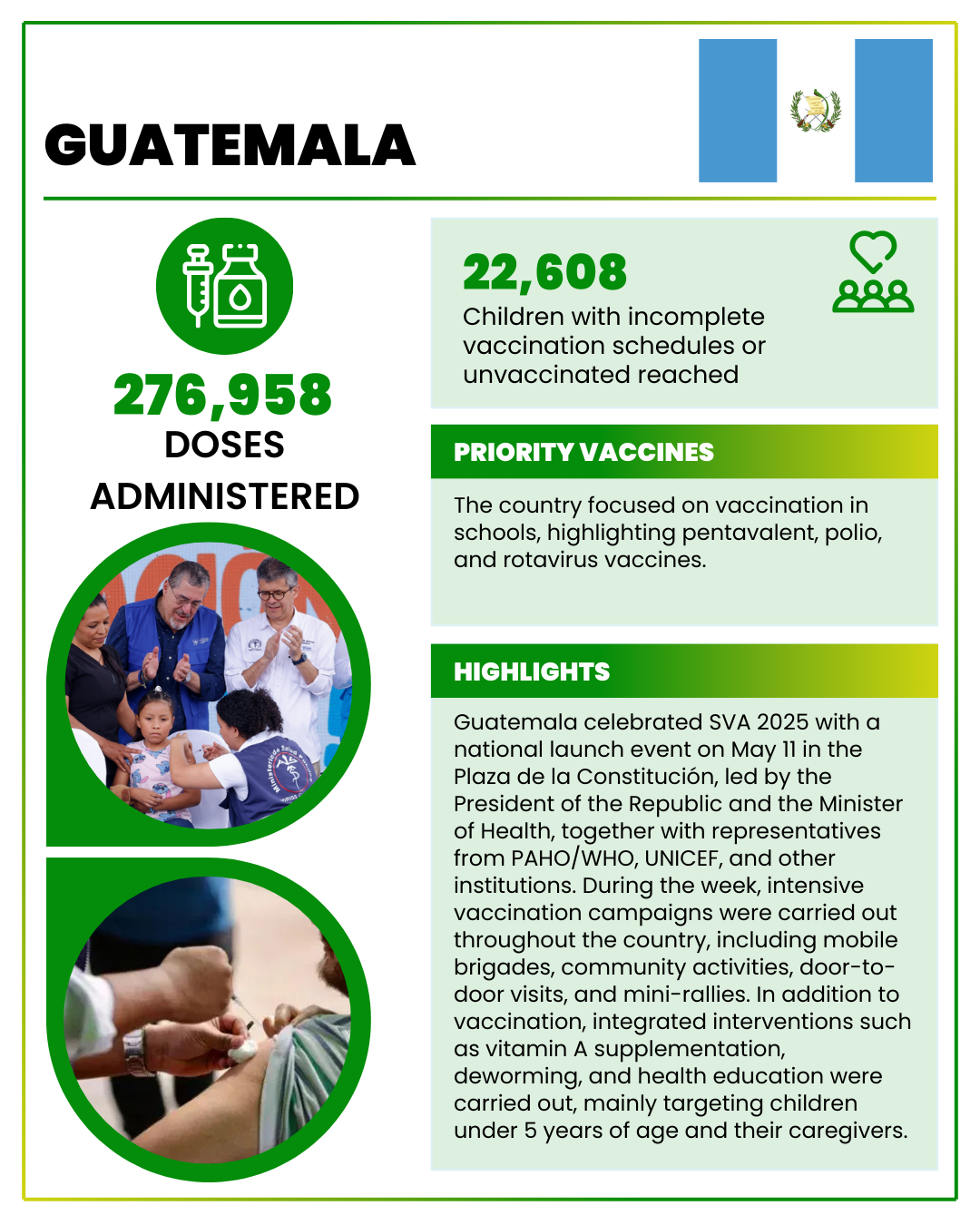
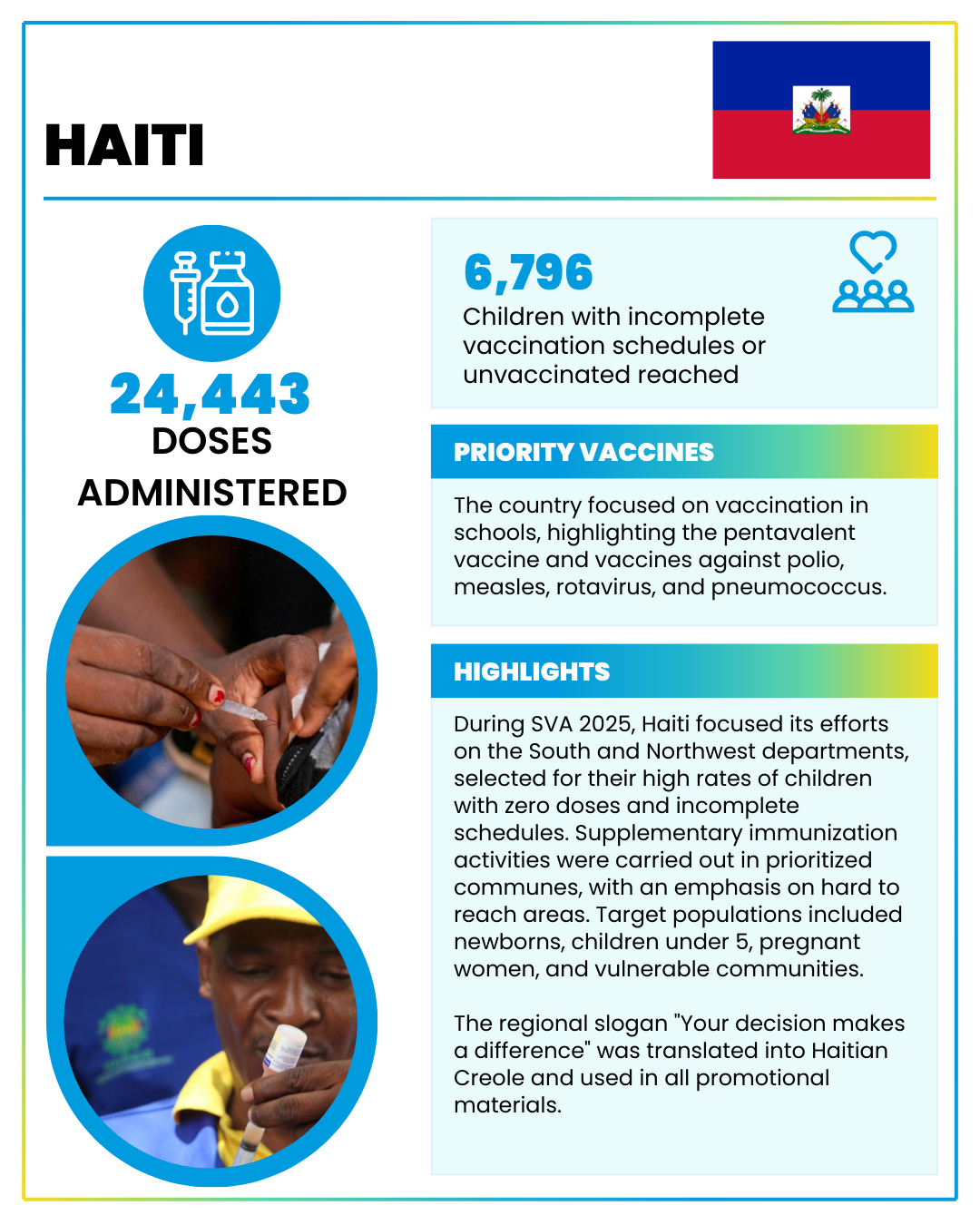
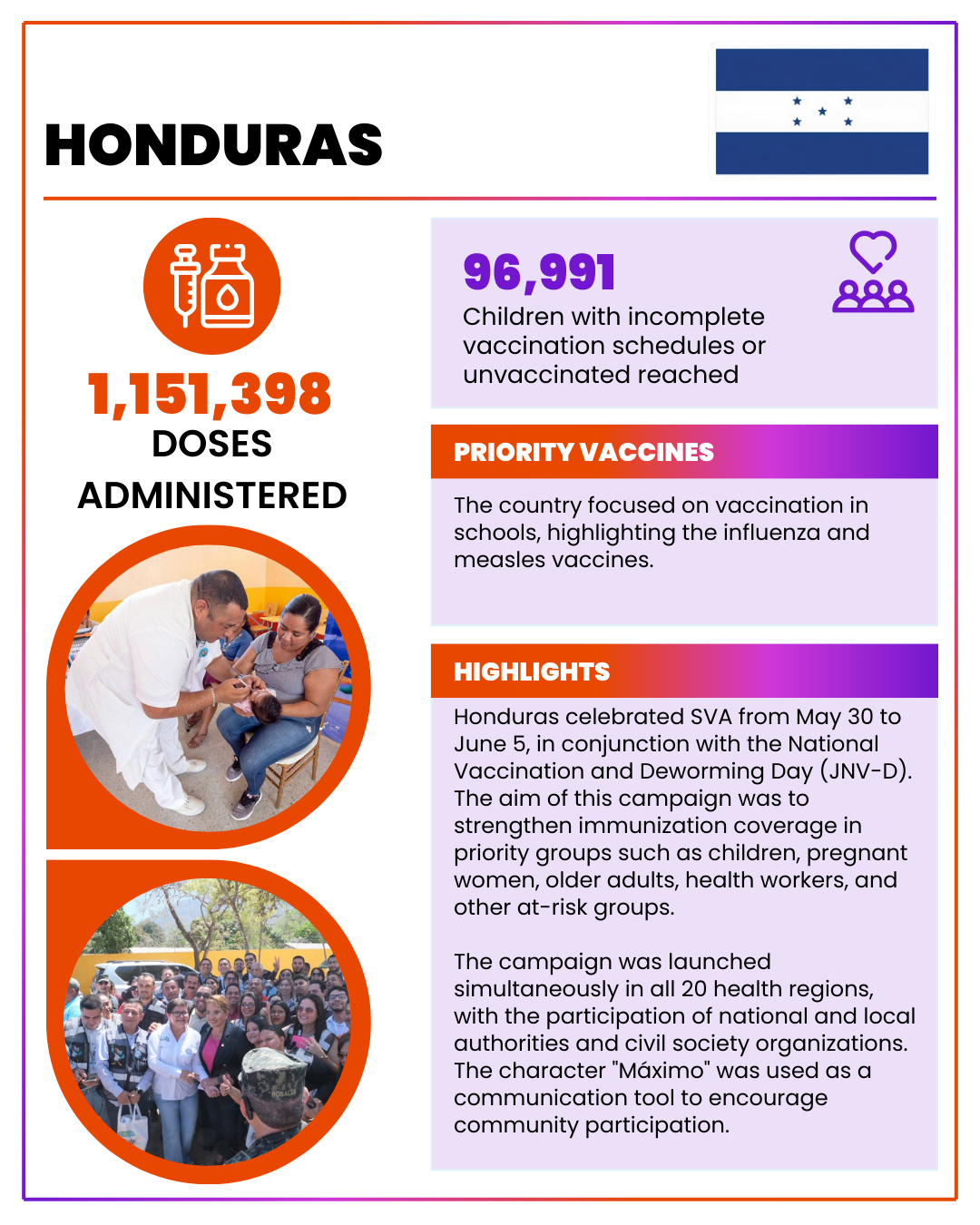
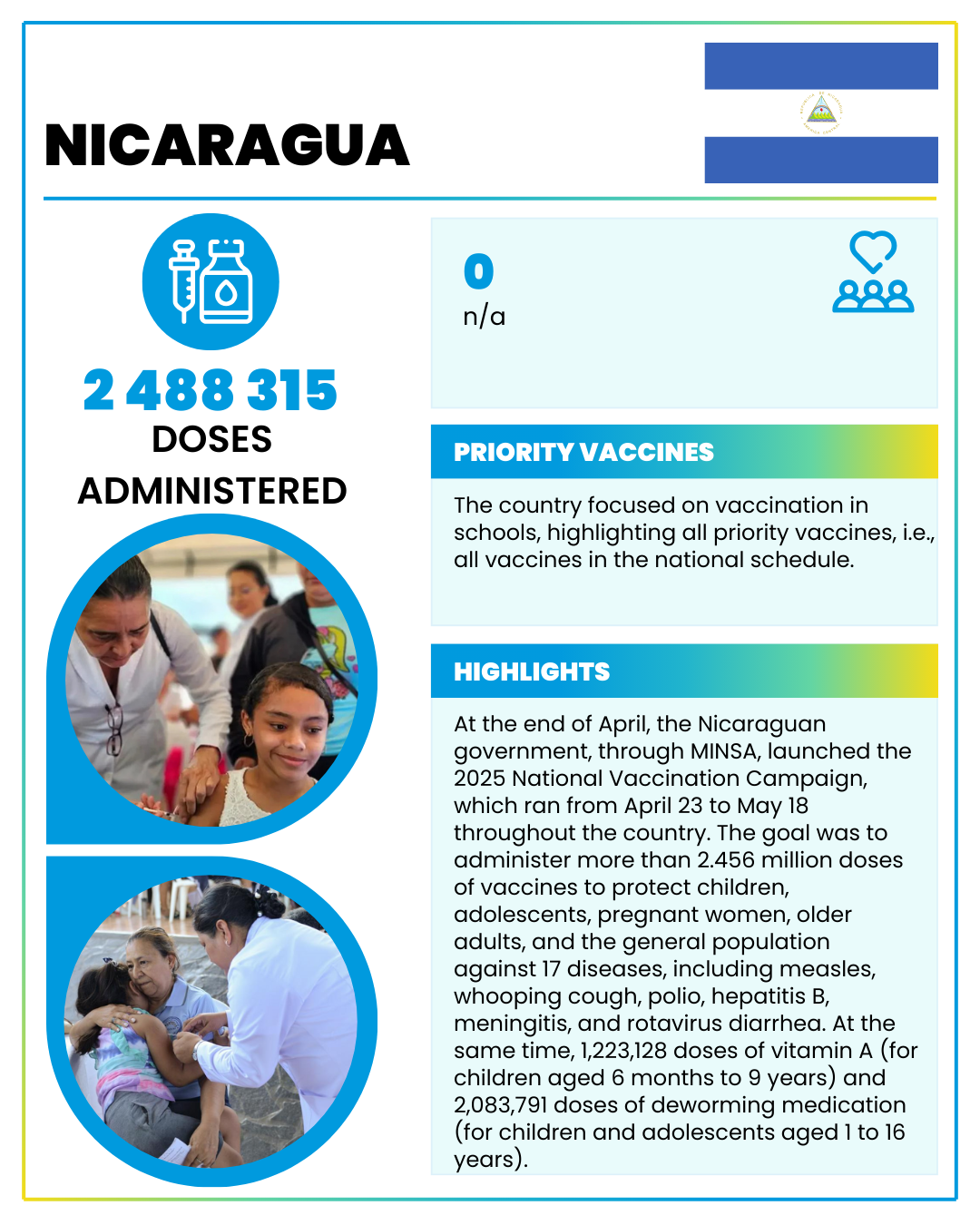
54,9M+
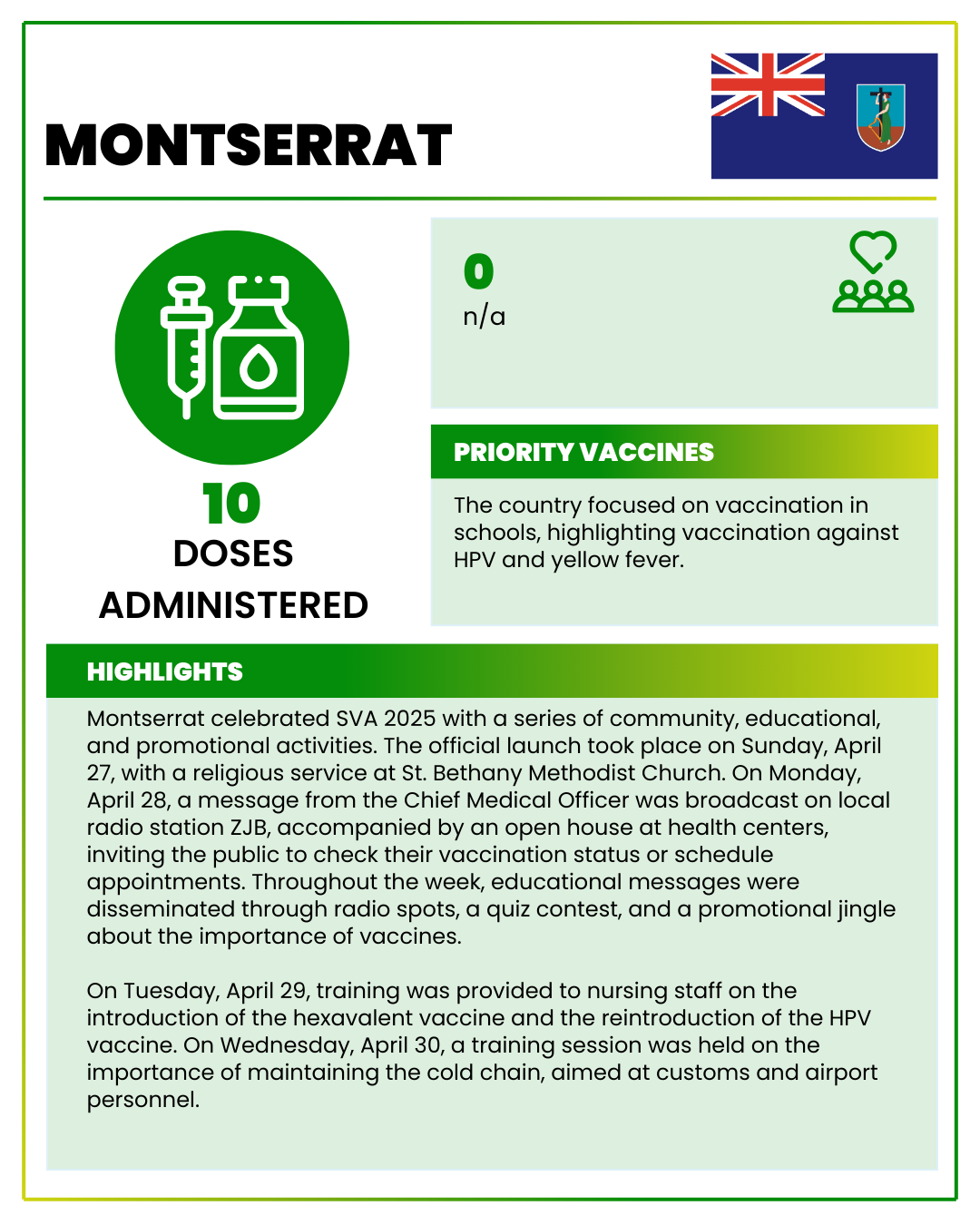
vaccine doses administered in the region

572K
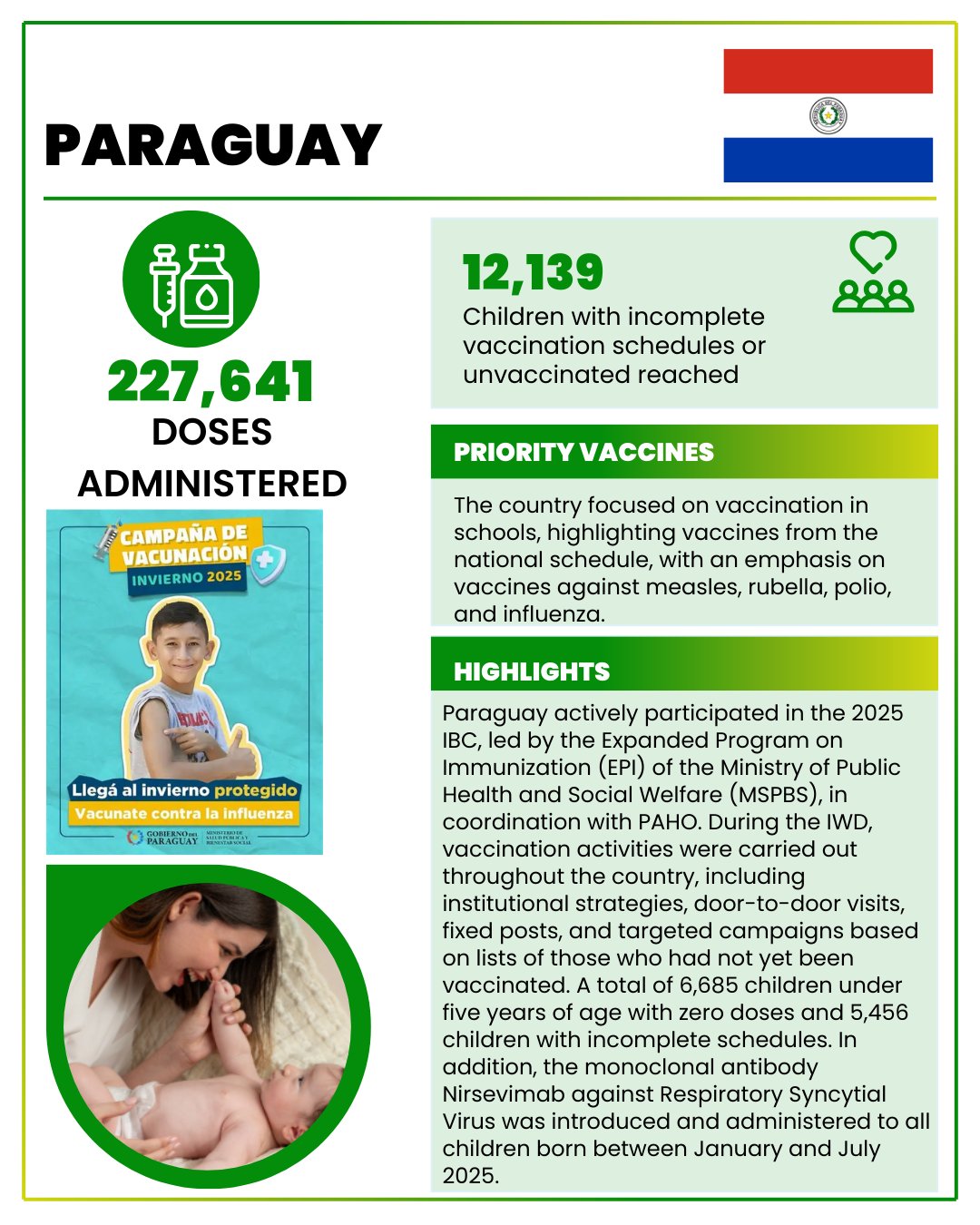
children reached with efforts to bring them up to date

40
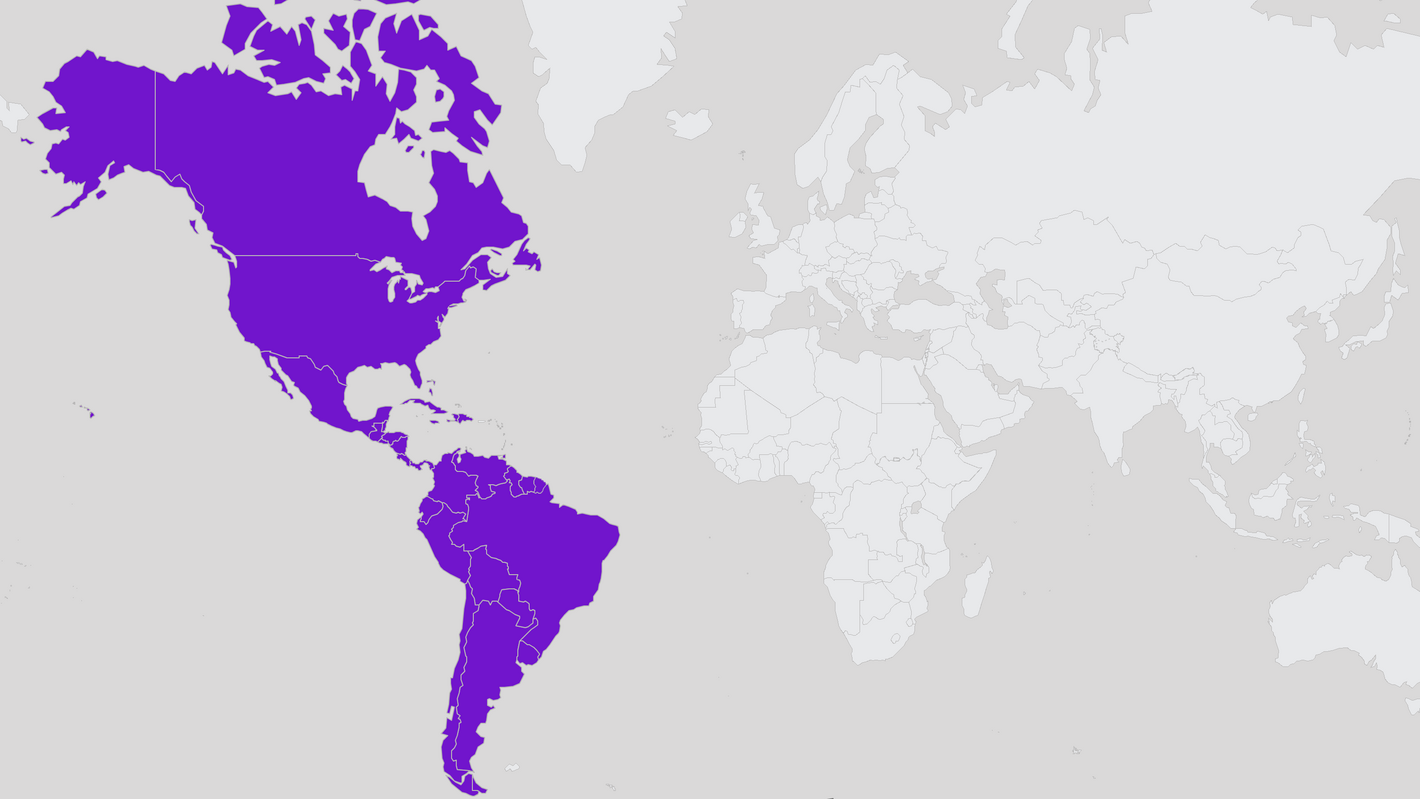
participating countries and territories

1.2M+
views generated with the collaboration of 5 influencers in 3 languages

200K+
views achieved by the social media campaign on PAHO official accounts

1.1K+
participants in 3 technical webinars focused on the elimination of vaccine-preventable diseases


Lessons learned
Some key lessons and areas for learning and improvement from the VWA25 campaign are:
Intersectoral coordination
Coordination between ministries of health, education, and community organizations, as well as the involvement of the public and private sectors and different areas of PAHO's work, has been key to expanding the campaign's reach. This collaboration has facilitated improvements in vaccination days in schools, community centers, and more remote rural areas, as well as the promotion of more fluid communication to reach more and different audiences.
The importance of strategic communication and the use of new channels
A campaign approach based not only on the call for vaccination, but also on data-driven communication materials that call for commitment has empowered very different audiences. In addition, collaboration with digital content creators has proven to be an effective tool for reaching new, less traditional audiences. The participation of these digital public figures has made it possible to reach diverse audiences, especially younger people, with messages tailored to their concerns. This strategy has also helped to manage misinformation that easily goes viral on social media.
Partnership with a practical initiative such as PAHO Disease Elimination
Thanks to the campaign's focus on such a worthy cause as the elimination of visible diseases that affect the population, such as cervical cancer and hepatitis B, VWA25 has become a more relatable initiative that shows in a more realistic way the positive effects of vaccination in cases and stories from different countries.
Adaptability in the face of logistical challenges
Some countries in the region face difficulties in the cold chain and vaccine distribution. The implementation of local solutions, such as the use of solar refrigerators and community transportation, as well as the use of technology, makes it possible to maintain coverage not only in urban areas but also in remote areas, where it is always more difficult to deliver vaccines.
Improved implementation of technology to identify gaps
Beyond real-time monitoring, it is necessary to continue promoting the implementation of geolocation systems and advanced data analysis to identify areas with low coverage or unreachable populations. This information allows efforts to be targeted and more specific interventions to be designed, addressing the different needs of each country and area.
Training and empowerment of health personnel
Continuous training of health personnel in vaccination techniques, handling of biologicals, and effective communication is essential to empower these health workers who, according to PAHO studies, are the professionals most trusted by the population when making the decision to get vaccinated or not.
Investment in primary health infrastructure
VWA 2025 highlights the need to continue strengthening primary health care centers as pillars of immunization programs. This implies not only adequate equipment, but also access to sustainable human and financial resources to ensure the availability of vaccines and vaccination services throughout the year.
Community mobilization and citizen participation
The success of the campaign is not limited to government strategies. The participation of community leaders, volunteers, and civil society organizations is essential for identifying underserved populations, raising awareness about the importance of vaccination, and managing the logistics of the vaccination campaigns.
Border interventions
Binational and border activities proved to be an effective strategy for expanding access to vaccination in mobile and vulnerable populations. Coordination between countries allowed for the sharing of resources, knowledge, and logistical efforts, strengthening coverage in traditionally hard-to-reach areas. These actions also fostered a spirit of regional cooperation and showed that public health transcends borders. For future campaigns, it is key to institutionalize these efforts and ensure sustainable mechanisms for collaboration between neighboring countries.
Financial sustainability and strategic partnerships
Dependence on external funding can be a challenge for immunization programs in the Americas. VWA 2025 continues to highlight the importance of developing sustainable financing mechanisms at the national level and exploring public-private partnerships to ensure the continued procurement and distribution of vaccines beyond Vaccination Week.
Regional launch ceremony held in country
Organizing a VWA launch ceremony provides an opportunity to more actively involve countries, their governments, and their companies in this celebration, and to raise awareness of the initiative among their populations. It also allows PAHO's regional headquarters to coordinate joint efforts with the field office and to learn firsthand about countries' concerns and requests for organizing an initiative such as this.
These lessons provide a roadmap for future VWA campaigns and for strengthening immunization programs, underscoring the importance of a comprehensive approach that combines communication, coordination, adaptability, technology, training, and community participation.