
The All-in-One Telehealth Platform for NCDs program proposed by PAHO, which is part of the concept of a digital public good, is based on the provision of a comprehensive platform for the management of teleconsultations for primary health care with a special focus on NCDs.
Through this initiative, PAHO proposes to “accelerate” the implementation processes of telehealth programs, providing the software necessary for the integration of care between reference centers and primary care areas.
The program contemplates both asynchronous teleconsultation and synchronous consultation and enables the implementation of service models between patients and health teams and health teams among themselves (second opinion).
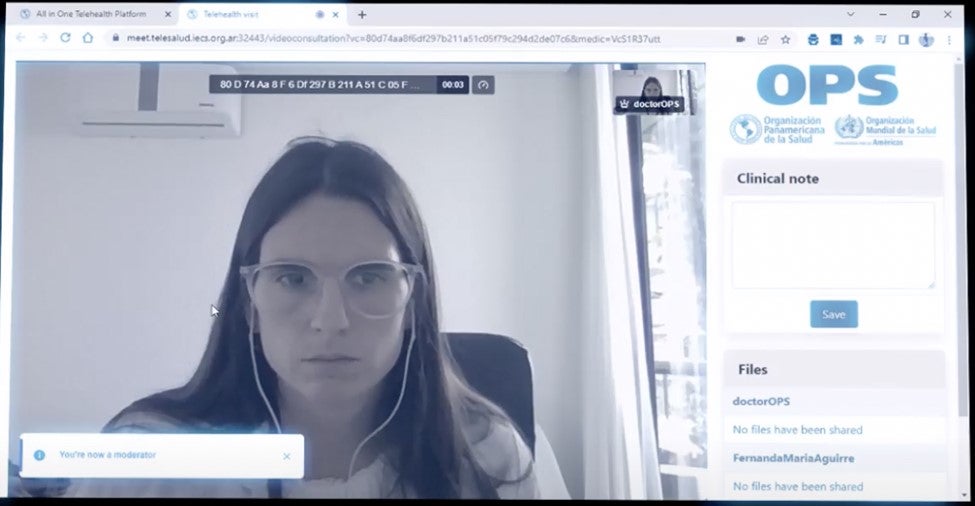

Telehealth consultation using the All-in-One Platform
Useful links
The platform implementation process includes:
Features
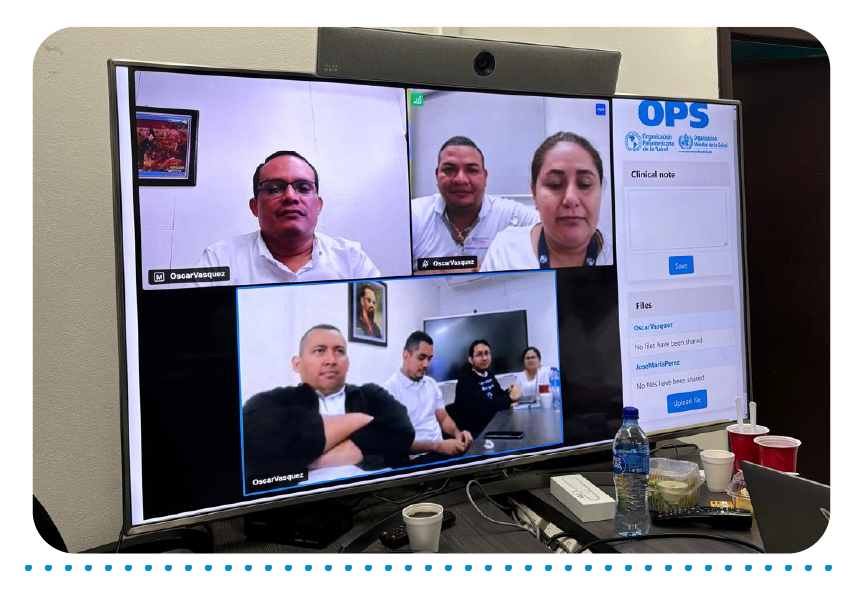
Click on each item (+) to learn more
It is important to clarify that this platform will be able to integrate all patient information at the time of care and will have the capacity to share the information generated during the teleconsultation with the rest of the actors involved in the patient's care. In order to ensure the interoperability of these systems, it is based on international standards of syntactic and semantic interoperability.
The best-known international standards for the exchange of medical information, such as HL7, FHIR or DICOM, provide a common reference framework that allows the interaction and coordination of patient care. These standards offer uniformity in the naming of the components of the health system such as diagnoses, procedures, participants, interventions and the way they are transmitted, achieving interoperability between the various actors that interact with each other. In addition, they guarantee that the data in one part of the health system is available and meaningful not only across the variety of clinical and public health scenarios, but also at the administrative level.
Data security and information quality are fundamental factors in the digital transformation process in health. Telemedicine is no exception to these generalities. Implementing platforms based on best practices not only guarantees people's privacy but will also strengthen trust in the system. The proposed platform was analyzed based on the highest security standards, such as the HIPAA standards in the United States or GDPR in Europe.
In order to facilitate the quality of information, the proposed software was analyzed based on concepts related to usability and ease of use, in order to optimize the time of professionals and achieve complete and as detailed clinical data as possible, which allows monitoring and control, that is, the continuity of care, of patients, especially vulnerable groups and patients with NCDs.
Telemedicine services can be offered in two ways:
- Asynchronous model: this is the model in which the person who consults and the person who answers are not online. It is generally implemented using structured forms where the request/clinical case is uploaded and answered in a scheduled time in an asynchronous manner. Sometimes files or images can be attache.
- Synchronous model: the consultation occurs online, with people communicating live. It is generally implemented by teleconference service where audio and video are transmitted. Sometimes files or images can be attached.
| 
|
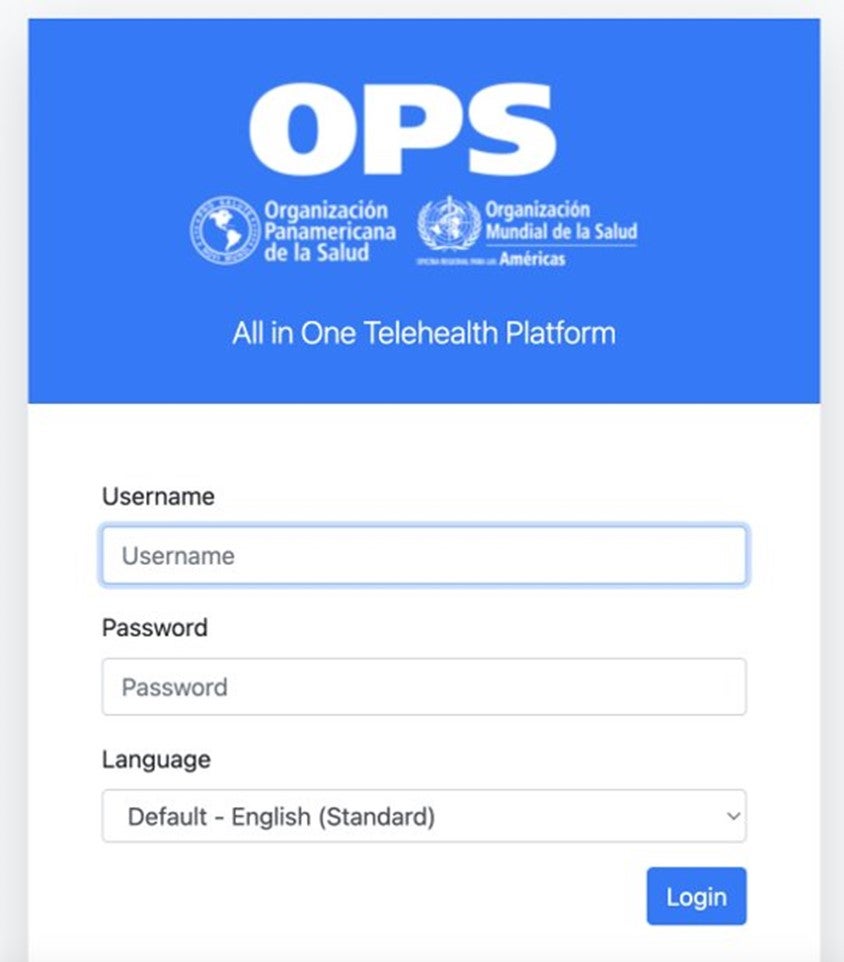
Login to the platform and clinical notes
The difference in this case is whether the patient has a scheduled appointment to access the teleconsultation.
In the case of scheduled teleconsultation, the patient is assigned a day and time where he or she must connect to be seen by the health team.
In the case of unscheduled consultation, care generally occurs on a first-come, first-serve basis, which is commonly known as spontaneous demand. The patient accesses the service and remains on hold in line until someone from the health team is available to provide care.
Type of Services
Patient / health team:
This model of care occurs between a patient or group of patients, or a patient and their family member/caregiver, and a member of the health team. The primary interaction takes place between the patient and the health team.
Professional / professional | second opinion:
This is what we commonly refer to as a second opinion. It occurs between professional teams, generally regarding a specific case, with or without the patient’s presence. The primary interaction is between health teams.
Telemonitoring:
This is a specific use case that can occur online or asynchronously, where a patient typically reports defined variables, such as a vital sign or the progression of a clinical condition. More advanced telemonitoring models can integrate devices so the patient does not need to manually transcribe the data. On the other end, a health team analyzes this information.
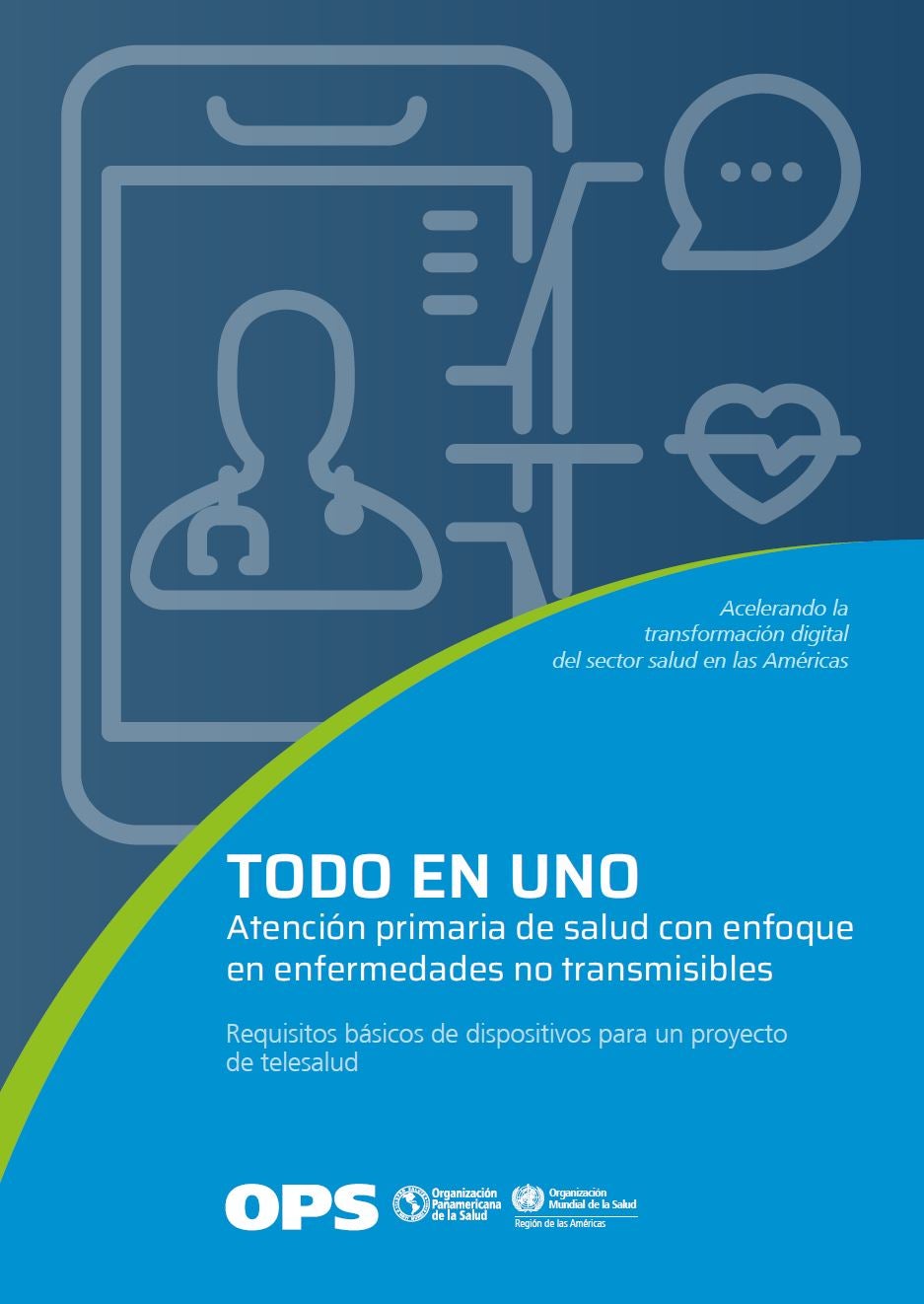
TeleKIT: Basic requirements
Guidance on the basic equipment and devices needed to support telehealth services in primary health care.
Administration guide for the All-in-One platform
Technical guidance for system administrators responsible for managing and maintaining the platform.
All-in-One Fact Sheet
Summary of the All-in-One telehealth platform and its key features for supporting telehealth services in health systems.
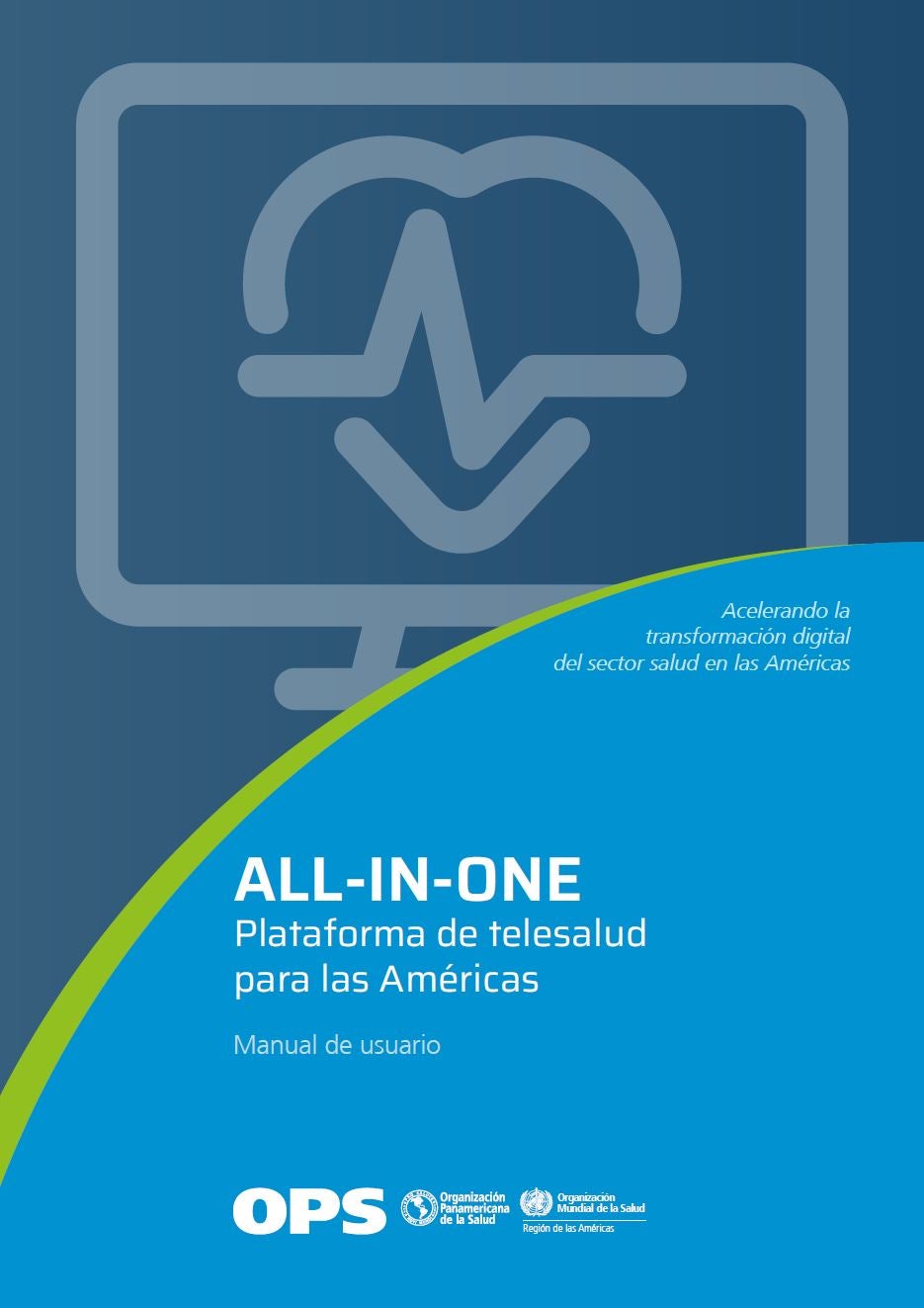
User manual for the All-in-One telehealth platform
Practical guidance for users on how to operate the All-in-One telehealth platform and manage teleconsultations.
Basic security and connectivity requirements
Guidance on the minimum security, infrastructure, and connectivity conditions required for telehealth.

Deployment guide for the All-in-One platform using Docker
Step-by-step instructions for installing and deploying the All-in-One telehealth platform using Docker.