Georgetown, Guyana, September 2026 – Ensuring every individual has equal access to quality healthcare is fundamental to achieving universal health coverage. For persons with disabilities, however, barriers to accessing sexual and reproductive health (SRH) information and services can limit opportunities to exercise their rights, make informed decisions, and achieve optimal health and well-being.
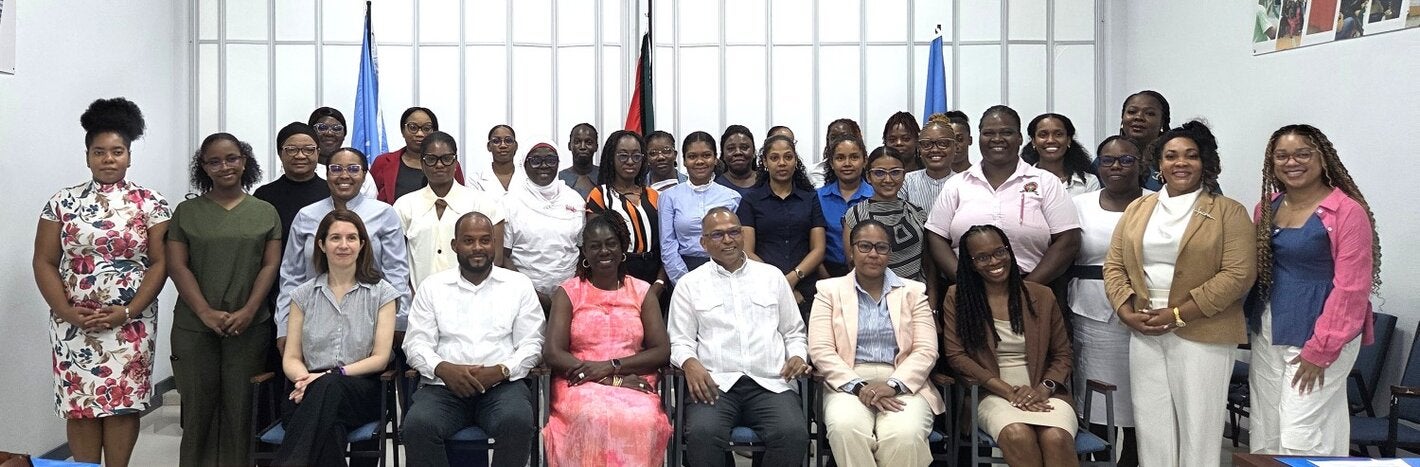
As part of the Closing the Gaps in Sexual and Reproductive Health and Rights for Women and Adolescent Girls project, the Pan American Health Organization/World Health Organization (PAHO/WHO), supported the Ministry of Health to convene a national workshop focused on advancing sexual and reproductive health for persons with disabilities in Guyana. The workshop brought together healthcare providers from primary health care, disability advocates, rehabilitation specialists, policymakers, and development partners to strengthen the understanding of disability-inclusive healthcare and identify practical solutions for improving access to essential services.
Opening the workshop, PAHO/WHO Representative to Guyana, Dr. Kim Eva Dickson, emphasized that advancing health equity requires removing barriers that prevent persons with disabilities from accessing the information and services they need.
“Inclusive health means recognizing that persons with disabilities have the same rights, aspirations, and sexual and reproductive health needs as everyone else. When barriers prevent access to information or services, health inequities persist. Together, we must build a health system where every person can exercise their rights to health, dignity, autonomy, and informed choice,” said Dr. Dickson.
Dr. Dickson noted that people with disabilities require access to a full range of sexual and reproductive health services, including family planning, maternal healthcare, screening and treatment services, and protection from violence, abuse, and discrimination. Despite progress in expanding healthcare access across the Region, many persons with disabilities continue to experience challenges that affect their ability to obtain quality care.
Minister of Health Dr. Frank Anthony reaffirmed Guyana’s commitment to ensuring that public health services are accessible to all citizens.
"Every person deserves the opportunity to access quality health services. As a country, our responsibility is to identify and remove barriers that may prevent persons with disabilities from accessing care and to ensure that our facilities, services, and programs respond to the diverse needs of all people."
His remarks highlighted the importance of moving beyond policy commitments and ensuring that inclusion becomes part of everyday healthcare delivery.
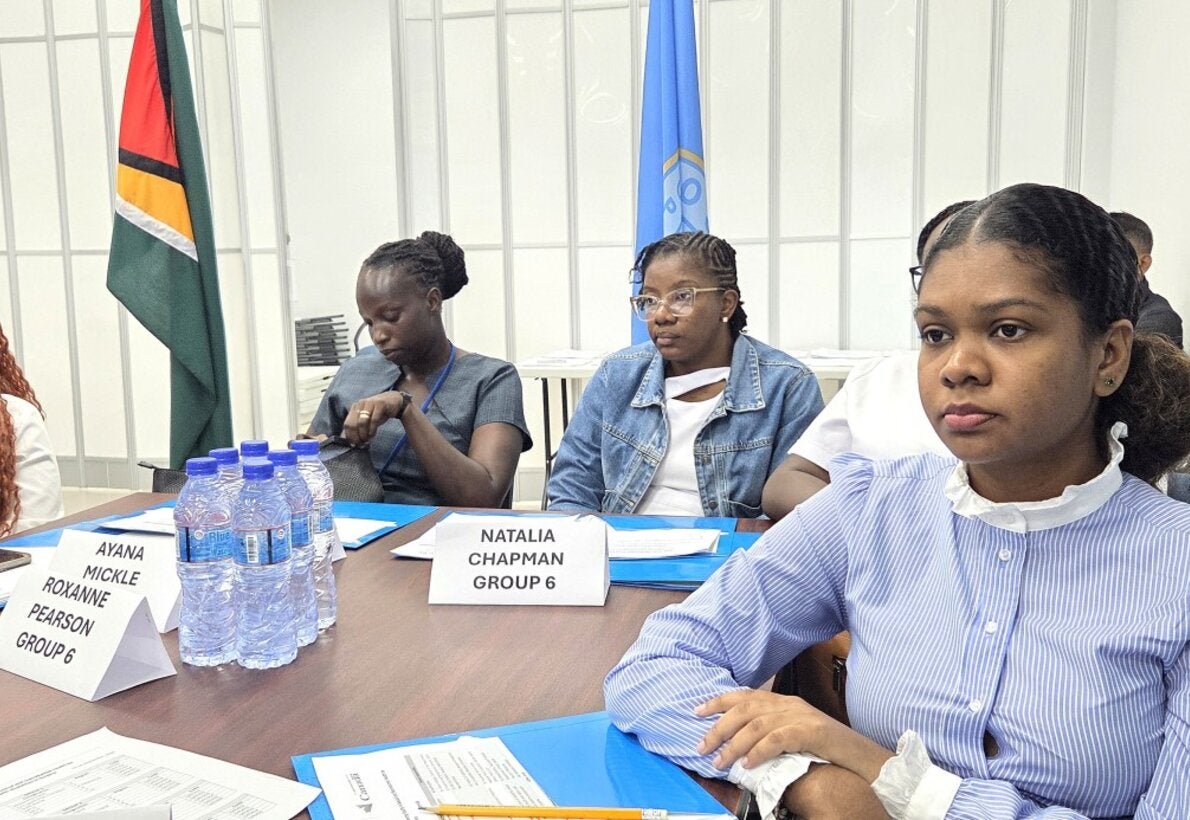
The workshop was facilitated by an International PAHO Consultant, Dr Elena Rotarou an Associate Professor in the Department of Public Health at Universidad San Sebastián in Chile, who’s work focuses on disability, health equity, and the sexual and reproductive health of people with disabilities.
A key focus of the workshop was identifying the barriers that persons with disabilities face when seeking sexual and reproductive health services. These barriers may be physical, including inaccessible buildings, transportation challenges, and limited mobility support. Others may be social and attitudinal, arising from stigma, misconceptions, discrimination, or inadequate awareness among healthcare providers.
Participants acknowledged that while infrastructure improvements are important, creating inclusive healthcare environments also requires changes in attitudes, behaviours, and service delivery practices. Dr Ariane Mangar, Director of Rehabilitation and Disability Services noted that building a culture of respect, dignity, and understanding can significantly improve healthcare experiences and outcomes for persons with disabilities.
“We need to ensure that inclusion is not just something written in policy documents. It must become part of the culture of every health facility,” Dr. Mangar said.
Drawing on Guyana’s experience with adolescent-friendly health services, participants explored how identifying barriers and implementing targeted interventions can improve access to care. Investments in staff training, community engagement, and patient-centered approaches have previously helped make services more accessible for young people, offering valuable lessons for strengthening disability-inclusive healthcare.
At its core, the workshop underscored that sexual and reproductive health is a matter of human rights. Persons with disabilities have the same rights to information, healthcare, autonomy, and informed decision-making as everyone else. Achieving equity requires ensuring that every individual has the support and opportunities needed to attain the highest possible standard of health.
PAHO/WHO's Continued Support
This workshop demonstrates PAHO/WHO’s continued commitment to building a more inclusive and equitable health system in Guyana. Working alongside the Ministry of Health and partners, the Organization remains dedicated to ensuring that persons with disabilities can fully exercise their rights, access quality healthcare without discrimination, and achieve the highest attainable standard of health.