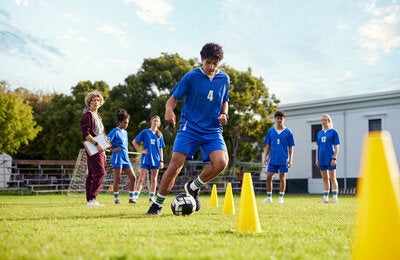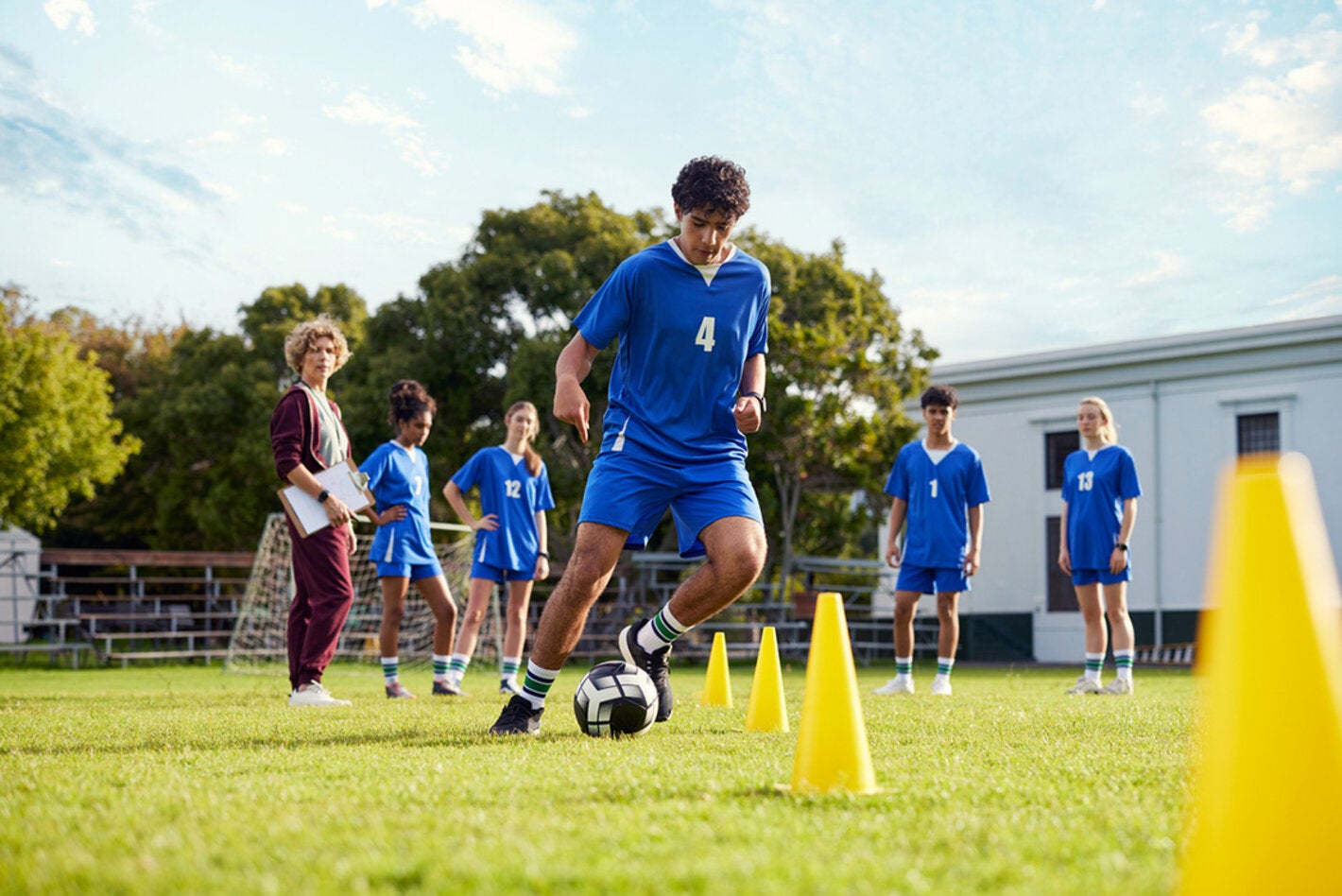
New WHO estimates show little progress in adolescent physical activity over the past 15 years, underscoring the need for safer, more accessible opportunities for young people to be active.
Geneva, Switzerland, 9 November 2026 (WHO/PAHO) – One in four adolescents worldwide reported not getting at least 60 minutes of physical activity on any day in the previous week.
According to new global estimates released by the World Health Organization (WHO), this amounts to some 240 million young people aged 11–17 years who reported not completing at least 60 minutes of moderate-to-vigorous physical activity on any day in the previous week. On average, adolescents reported being active for just 2.7 days a week, while only 14% reported being active on all seven days.
The findings point to a lack of global progress over the past 15 years, with levels of physical activity among adolescents virtually unchanged during this time. The new estimates indicate that 86% of adolescents reported fewer than seven active days in 2025, unchanged from 2010 under the methodology used in the new analysis.
Physical inactivity is a major risk factor for heart disease, type 2 diabetes, overweight and obesity, and some cancers. Helping young people develop active habits early in life is critical to protecting their health and reducing the global burden of these diseases.
The findings also show that physical activity has positive impact on mental health, including a reduction in symptoms of anxiety and depression, as well as improvements in attention, memory, classroom behavior, and academic performance.
“For 15 years, the world has made almost no progress in getting young people moving, and girls are being left furthest behind,” said Dr Tedros Adhanom Ghebreyesus, WHO Director-General. “The answer is not to tell adolescents to try harder. It is to build schools, streets and communities where moving, playing and being active is safe, easy and normal.”
The new study, published in The Lancet Global Health, draws on 389 population-based surveys from 140 countries and territories, involving more than 3.2 million adolescents. The analysis generated comparable estimates by age, sex, country and region for 2010–2025, as well as projections to 2030.
The gender gap in adolescent physical activity levels remains strikingly persistent. Twenty-eight per cent of girls reported no active days, compared with 22% of boys. Only 11% of girls reported being active every day, compared with 17% of boys. Girls were less active than boys in almost every country, and boys were more active than girls in all regions.
There were also stark differences between countries. In some, just 4% of adolescents reported no active days. In others, the figure exceeded 40%.
Wide differences in activity levels across the Americas
The country estimates also point to substantial differences in adolescent physical activity across the Americas and between countries. In Latin America and the Caribbean only 13.8% of adolescents reported at least 60 minutes of moderate-to-vigorous physical activity on each of the previous seven days, with a marked gender gap: 17.8% of boys compared with 9.5% of girls. These patterns underscore the need to expand opportunities for adolescents to be physically active, while addressing inequalities both within and between countries.
There is no single explanation for the lack of global progress. Physical activity is shaped by where adolescents live, learn, commute, play and spend their free time. Transport patterns, infrastructure and urban planning, access to safe public spaces, opportunities for safe walking and cycling, school environments, affordability, social norms and increasingly screen-based lifestyles can all influence adolescents’ opportunities to be active.
The challenge is not simply to persuade adolescents to move more. It is to create environments that make being active a normal and easy part of growing up.
WHO is calling for stronger action across the education, transport, urban planning, sport and health sectors, alongside efforts to address the multiple barriers faced by girls.
The report identifies four priority areas for action: transforming the systems that shape adolescent physical activity; closing the gender gap; reaching the least active adolescents and reducing inequalities; and strengthening the use of data and evidence to guide action and monitor progress.
Countries need policies that make physical activity an easy, safe and accessible part of everyday life. Promoting physical activity in schools, investing in safe walking and cycling routes, and creating more active communities can give young people more opportunities to move, play and be active in their everyday lives. The report also calls for adolescents to be involved in planning and designing policies, programmes and public spaces that respond to their needs and preferences.