BRIDGETOWN, Barbados, 6 November 2026 (PAHO/WHO) — Caribbean countries and regional partners are moving to put the new Caribbean Action Plan on Health and Climate Change (2026–2031) into practice. On 30 October 2026, the Pan American Health Organization/World Health Organization (PAHO/WHO) convened a virtual technical webinar to present the Plan, review country experiences and align partner support for climate-resilient health systems across the Caribbean.
The webinar brought together ministries of health, national climate and health focal points, regional technical institutions, academia, civil society and development partners.
The Plan was endorsed by Ministers of Health of CARICOM Member and Associate Member States at the 53rd Meeting of the Council for Human and Social Development, Health (COHSOD-Health), held at PAHO Headquarters in Washington, D.C., ahead of the 63rd PAHO Directing Council. Developed with PAHO support, it aims to help countries strengthen climate-resilient, low carbon and sustainable health systems against growing environmental pressures.
Why It Matters: Financing, Capacity and Data
Opening the session, Ms. Leah-Mari Richards, Chief of the PAHO/WHO Office for the Caribbean Subregional Program, reflected on progress since the first Caribbean Action Plan was adopted in 2019: “More health chapters in national adaptation plans, more early warning systems, more trained health workers. But the gaps in financing, institutional capacity, and data remain. The new plan is our shared answer for the next five years.”
PAHO Assistant Director Dr. Rhonda Sealey-Thomas underscored what implementation will require: “Country-led implementation of the plan requires meaningful engagement for communities and civil society, effective governance, clearly defined responsibilities, and sustained coordination across sectors. A skilled workforce is equally important to interpret information, communicate risks, and translate warnings into timely action.”
Closing the Financing Gap
Securing sustainable funding remains critical for translating regional goals into action. Mr. Elbert Ellis, Portfolio Manager in the Social Sector Division at the Caribbean Development Bank (CDB), said: “Project preparation remains a major bottleneck. The challenge is therefore not simply a shortage of financing; it is also a shortage of investment ready projects.”
He explained that CDB is responding through its Climate Change Project Preparation Fund, which provides grant resources for concept notes, feasibility studies and financial structuring, as a pathway to bankable health-related investments.
At country level, Mr. Deryck Ramkhelawan, Senior Environmental Health Officer and Climate Change and Health Focal Point in Grenada, described a blended financing approach that combines donor grants, concessionary loans and national budgets. “One of our key lessons learned is that health objectives must be deliberately incorporated into national climate financing mechanisms and development planning processes,” he said.
Putting People at the Centre of Climate Planning
Reframing how adaptation is approached across small island states, Mr. Mansfield Blackwood, Assistant Executive Director of the Caribbean Community Climate Change Centre (CCCCC), stressed that climate planning falls short if it protects infrastructure but fails to protect people. “Health should be a core objective of every climate policy, investment, and adaptation strategy,” he said.
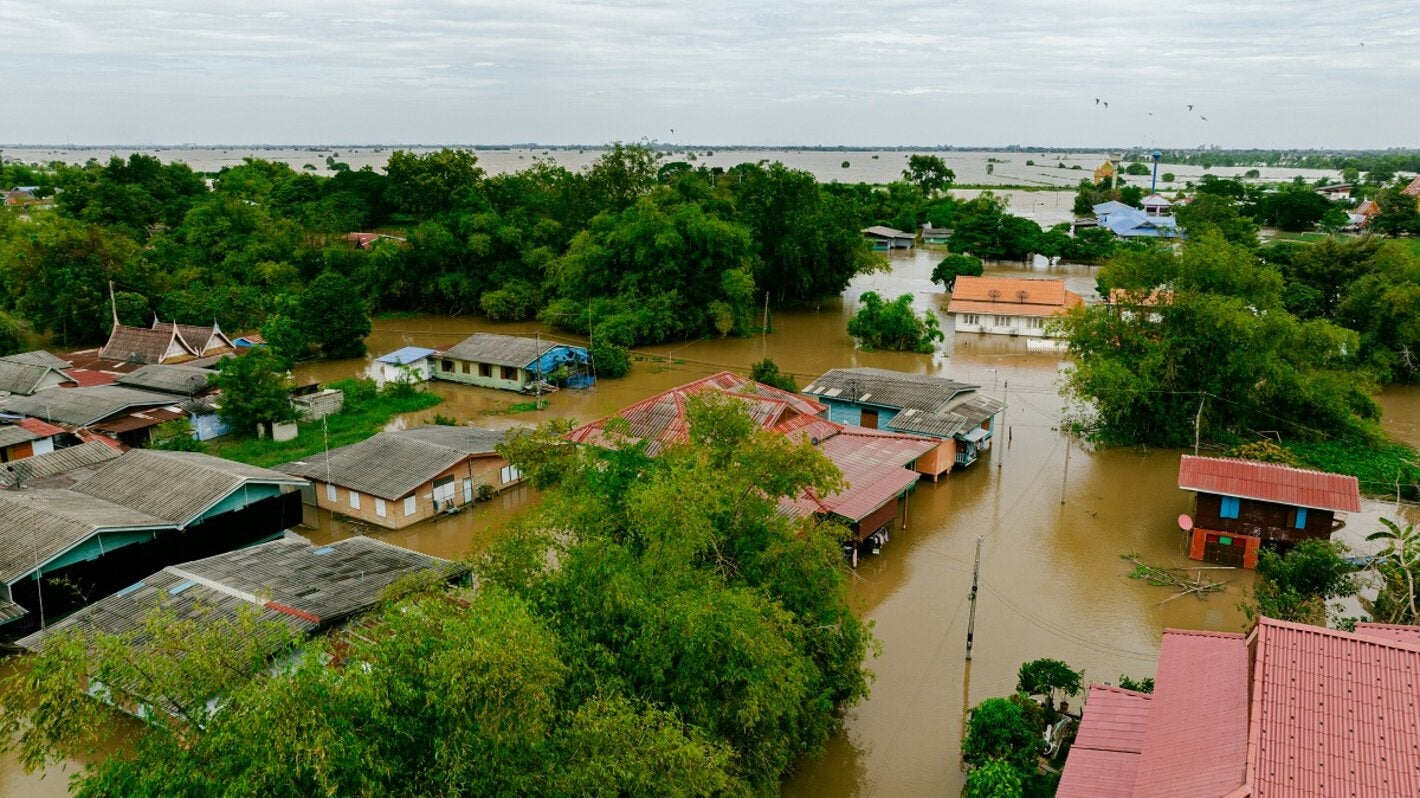
This people-centred focus is reflected in national action. In The Bahamas, Dr. Philip Swann, Acting Director of Public Health, reflected on lessons from Hurricane Dorian in 2019: “Climate adaptation must be integrated into routine health system planning and operations rather than treated solely as an emergency response plan.”
Meanwhile in Cuba, Dr. Susana Suárez Tamayo, National Director of Environmental Health, described active monitoring and monthly forecasts that ensure early warning information reaches the community level to strengthen prevention and vector control.
Additionally, in Trinidad and Tobago, Ms. Deborah Ng Saye Shoon, Disaster Management Specialist at the Ministry of Health, highlighted the health sector’s dual role: “The question is no longer simply how we protect our healthcare facilities from the impacts of climate change, but equally how our health sector can contribute to the reduction of emissions that drive climate change while safeguarding the continuity of essential health services.”
Building Evidence and Skills
Addressing the institutional and technical frameworks needed to support the plan, Dr. Georgiana Gordon-Strachan, Director of the Tropical Metabolism Research Unit at The University of the West Indies (UWI), called for frameworks for interdisciplinary collaboration that address the economic, social, environmental and commercial determinants of health. “We need to look beyond health and we cannot be a silo,” she said.
Dr. James Hospedales, Executive Director of the EarthMedic and EarthNurse Foundation for Planetary Health, stressed the urgency of workforce literacy and community-led action: “Action on climate change and health at speed and scale that we need can only occur when we have a much more climate-literate health workforce: nurses, doctors, administrators, and so on.”
The New Caribbean Action Plan (2026–2031)
The new Action Plan builds on the achievements of its 2019–2023 predecessor, which advanced:
- Health National Adaptation Plans (HNAPs): 10 countries developed HNAPs and climate-informed disaster preparedness plans.
- Vulnerability and Adaptation (V&A) Assessments: 12 countries completed health V&A assessments.
- Workforce Capacity: Trained over 2,500 health professionals across 15 countries and graduated 24 Climate and Health Fellows from 13 countries.
- Early Warning Systems: Seven countries strengthened their multi-hazard early warning systems.
- SMART Health Facilities: Upgraded healthcare facilities to meet PAHO’s Safe and Green standards in seven countries.
To address remaining gaps, the 2026–2031 Action Plan is organized around four Strategic Lines of Action:
- Governance and Leadership: Embedding health into national and regional climate policies.
- Climate Resilient Health Systems (Adaptation): Strengthening disease surveillance, early warning systems and resilient infrastructure.
- Low Carbon Health Systems (Mitigation): Reducing the sector’s carbon footprint through renewable energy, efficient operations and sustainable waste management.
- Resources and Climate Finance: Mobilizing domestic and international climate finance.
Closing the webinar, Dr. Daniel Buss, Unit Chief for Climate Change and Environmental Determinants of Health at PAHO, thanked countries and partners for their contributions and highlighted the importance of sustained collaboration to turn the Plan’s commitments into results. He noted that the coming weeks, including the road to COP31, offer a key opportunity to keep health at the centre of the Caribbean’s climate agenda.
— END —
Resources
- Caribbean Action Plan on Health and Climate Change 2026–2031: https://iris.paho.org/items/58457d27-8906-410f-b94c-3a2f04bf1bd7
- Indicator descriptors: https://iris.paho.org/items/bc2002c9-663b-4be9-a9fc-f8d8581d5193
- Research for Action Agenda on Climate Change and Health in the Caribbean: https://iris.paho.org/items/a86c1097-fc9c-4da9-8e5a-e5c374a26556
Media Contact
- Website: https://www.paho.org/en/caribbean-subregional-program-coordination
- Email: spc-crb@paho.org
- Social media: @PAHOCaribbean (X/Twitter, Facebook, LinkedIn)
About the Pan American Health Organization (PAHO)
The Pan American Health Organization (PAHO) works with the countries of the Americas to improve the health and quality of life of their populations. Founded in 1902, it is the international public health agency for the Americas and serves as the Regional Office for the Americas of the World Health Organization (WHO).
About the Office for Caribbean Subregional Program Coordination
The Office for Caribbean Subregional Program Coordination complements PAHO/WHO's work at national, regional, and global levels. Located in Bridgetown, Barbados, the Office is charged with the responsibility of strategic cooperation with the major subregional political integration entities and their institutions on health policies, strategies and plans, contributing to key health development objectives in the Caribbean.