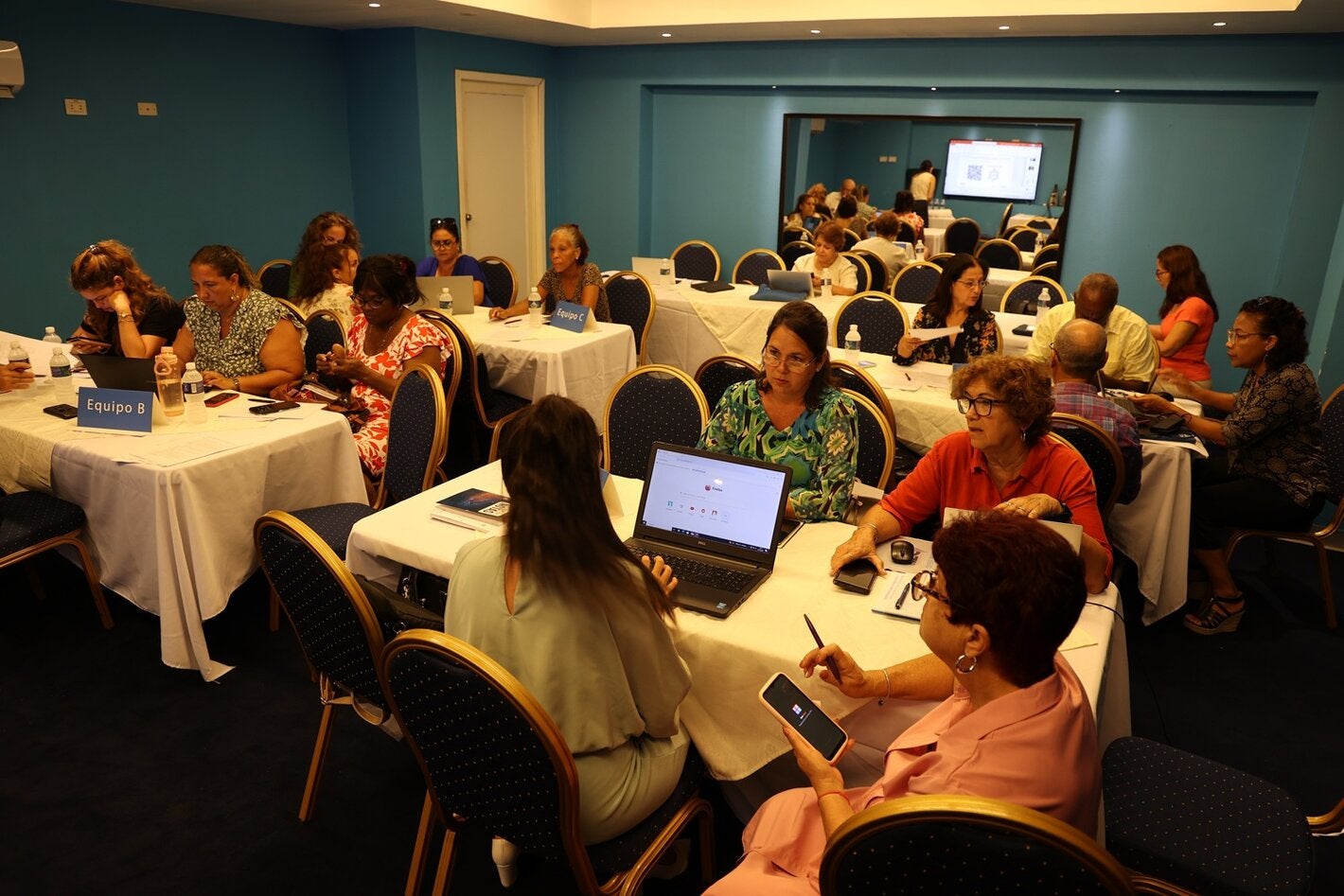
Havana, November 11, 2025 (PAHO) - A workshop to develop the National Vaccination Plan against Pandemic Influenza and other respiratory viruses with pandemic potential was held in Havana, Cuba, from October 21 to 23, 2025, with technical support from the Pan American Health Organization (PAHO) and the World Health Organization (WHO).
Participants included officials from the Ministry of Public Health (MINSAP), mainly linked to the National Immunization Program; the National Program for the Prevention and Control of Acute Respiratory Infections; the National Regulatory Authority; risk communication and community participation management; and logistics and supply chain operations. Representatives of civil society organizations also attended.
The international team that traveled to the country to coordinate the meeting was composed of: Francisco Nogareda, focal point for influenza and respiratory syncytial virus vaccination for PAHO's Special Program for Comprehensive Immunization; Ioana Ghiga, advisor to the WHO Immunization Program; Ileana Fleitas, PAHO international advisor in Brazil for innovation and access to medicines and technology; and Vilma Gutiérrez, PAHO regional advisor for risk communication.
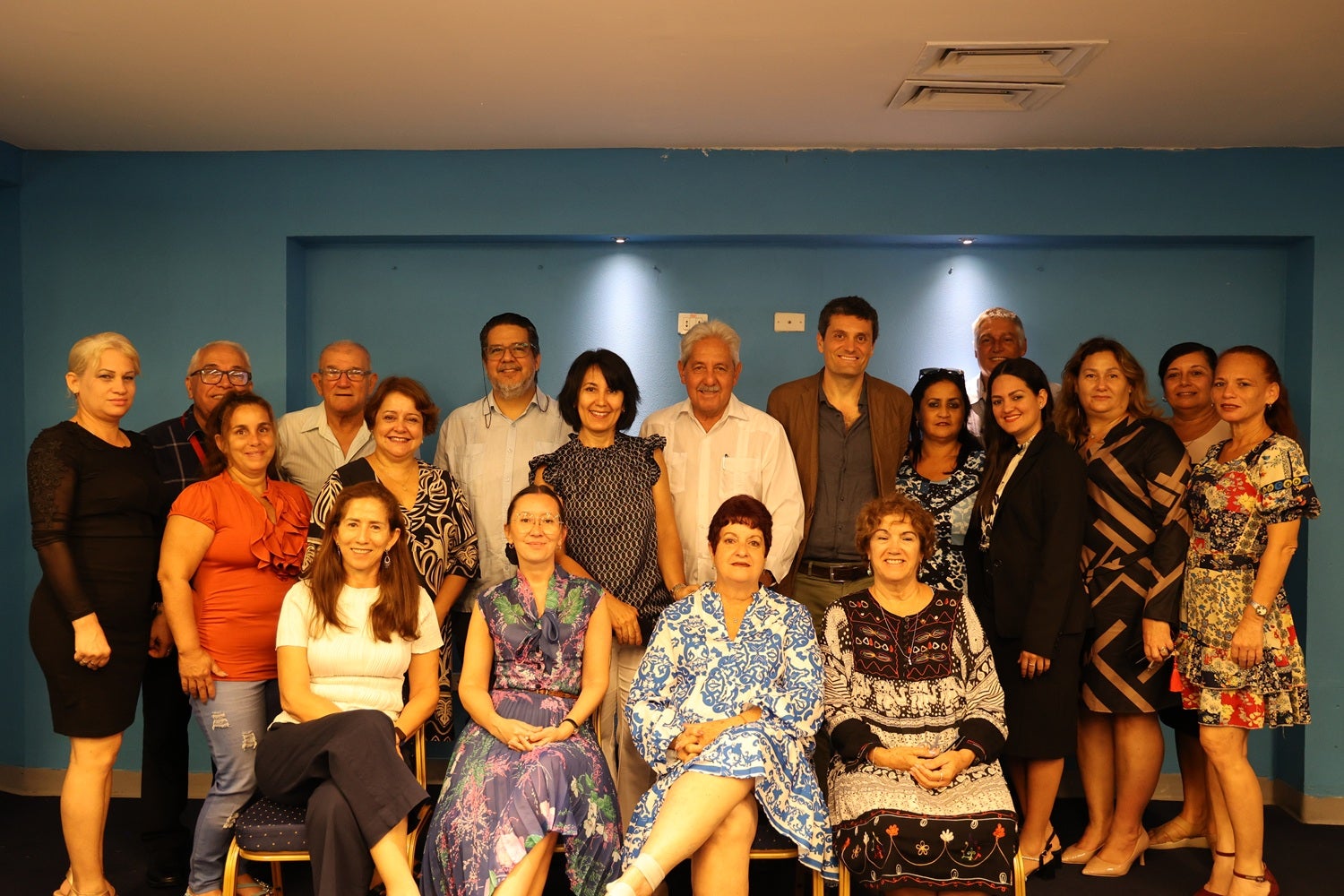
The main purpose of the workshop was to help the country develop an updated vaccination plan. To this end, three specific objectives were defined:
Identify lessons learned and best practices regarding the introduction of COVID-19 vaccines and the vaccination process in Cuba.
Conduct a simulation exercise for the mobilization of pandemic influenza vaccines, in order to reinforce the development of the updated National Deployment and Vaccination Plan (NDVP).
Develop a roadmap for updating the NDVP against pandemic influenza and other respiratory viruses.
During the opening, Francisco Durán García, National Director of Epidemiology at MINSAP, commented that although the session was focused on emergencies caused by influenza and other respiratory viruses, the learnings will be very useful in dealing with other events with pandemic potential. He also thanked the international specialists for their participation and expressed his hope that the meeting would be a great success.
For his part, Mario Cruz Peñate, PAHO/WHO Representative in Cuba, emphasized the usefulness of the space for promoting technical dialogue on methodologies and tools for preparing an essential component of the Pandemic Response Plan, such as the National Plan for Deployment and Vaccination against Pandemic Influenza and other respiratory viruses with pandemic potential.
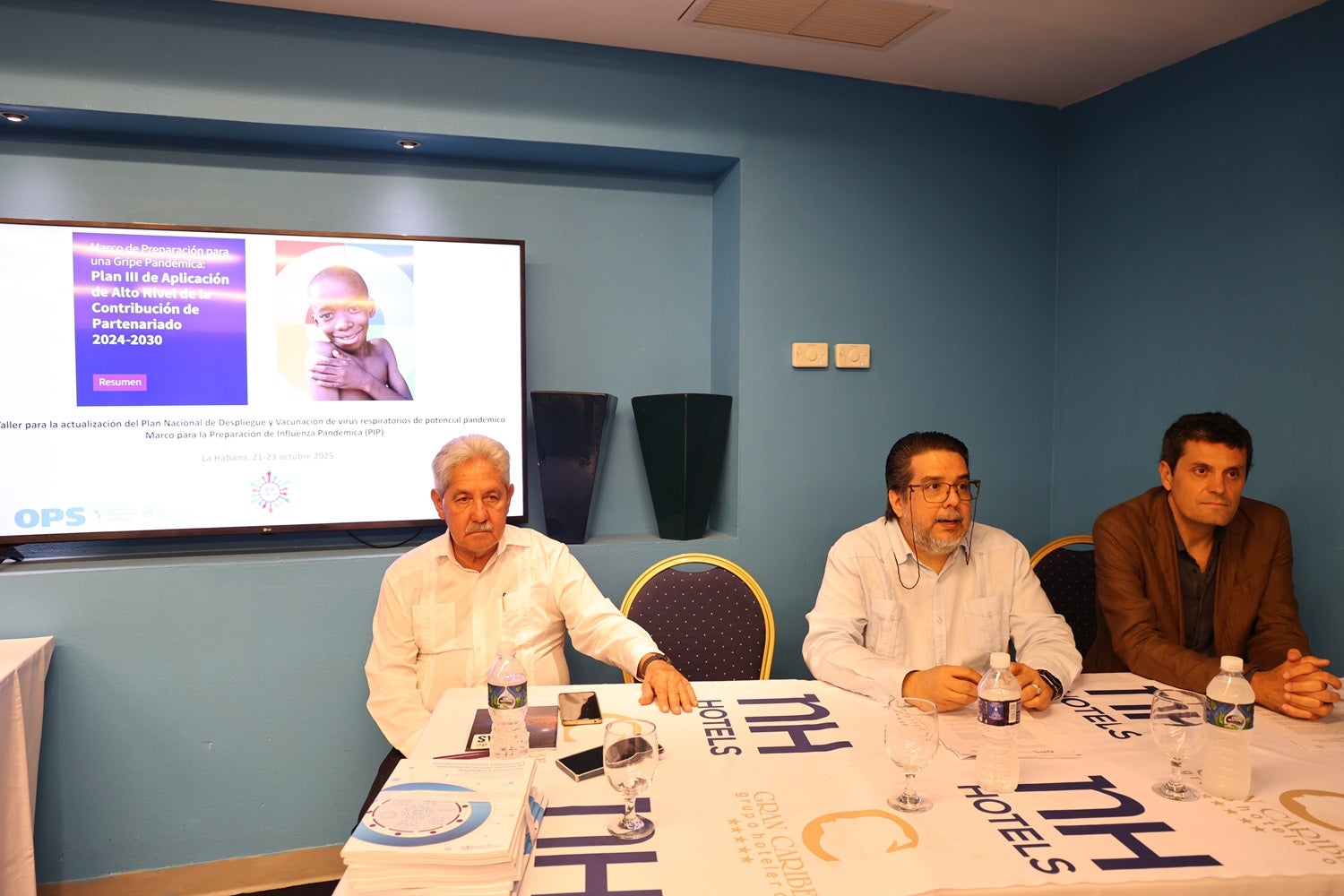
The first day included presentations that facilitated the exchange of key knowledge to strengthen preparedness for an upcoming pandemic. There were also presentations that provided insight into Cuba's experiences with the functions and roles of the National Regulatory Authority, vaccination monitoring and evaluation, waste management, pharmacovigilance, and risk communication.
On the second day, a tabletop exercise titled "Vaccine Deployment Game" was held. As part of this exercise, teams were formed to carry out different missions. The analyses and exchanges generated during the simulation made it possible to identify multiple areas for improvement.
The workshop concluded with the preparation of a roadmap for updating the NDVP in Cuba. During the closing ceremony, Francisco Nogareda acknowledged the high technical level that characterized the three days and the commitment of the authorities present. Ioana Ghiga congratulated the country on the work done and reiterated the call to complete the plan promptly.

Finally, Delmis María Pantoja, head of the National Immunization Program, described the workshop as excellent, highlighting that it offered concrete tools to refine the NVDP and improve preparedness for a possible pandemic.
Effective vaccine deployment and vaccination processes are essential to ensure a timely and adequate response to a future pandemic. For this reason, PAHO and WHO, together with their partners, continue to work with countries to strengthen the preparedness of health systems in this area.