Tegucigalpa, Honduras, September 13, 2026 (PAHO) — Recurring droughts and other extreme weather events continue to disrupt access to essential services in Honduras, including health care. Limited water availability can affect health facility operations and make it difficult to provide safe, uninterrupted care, particularly for vulnerable communities.
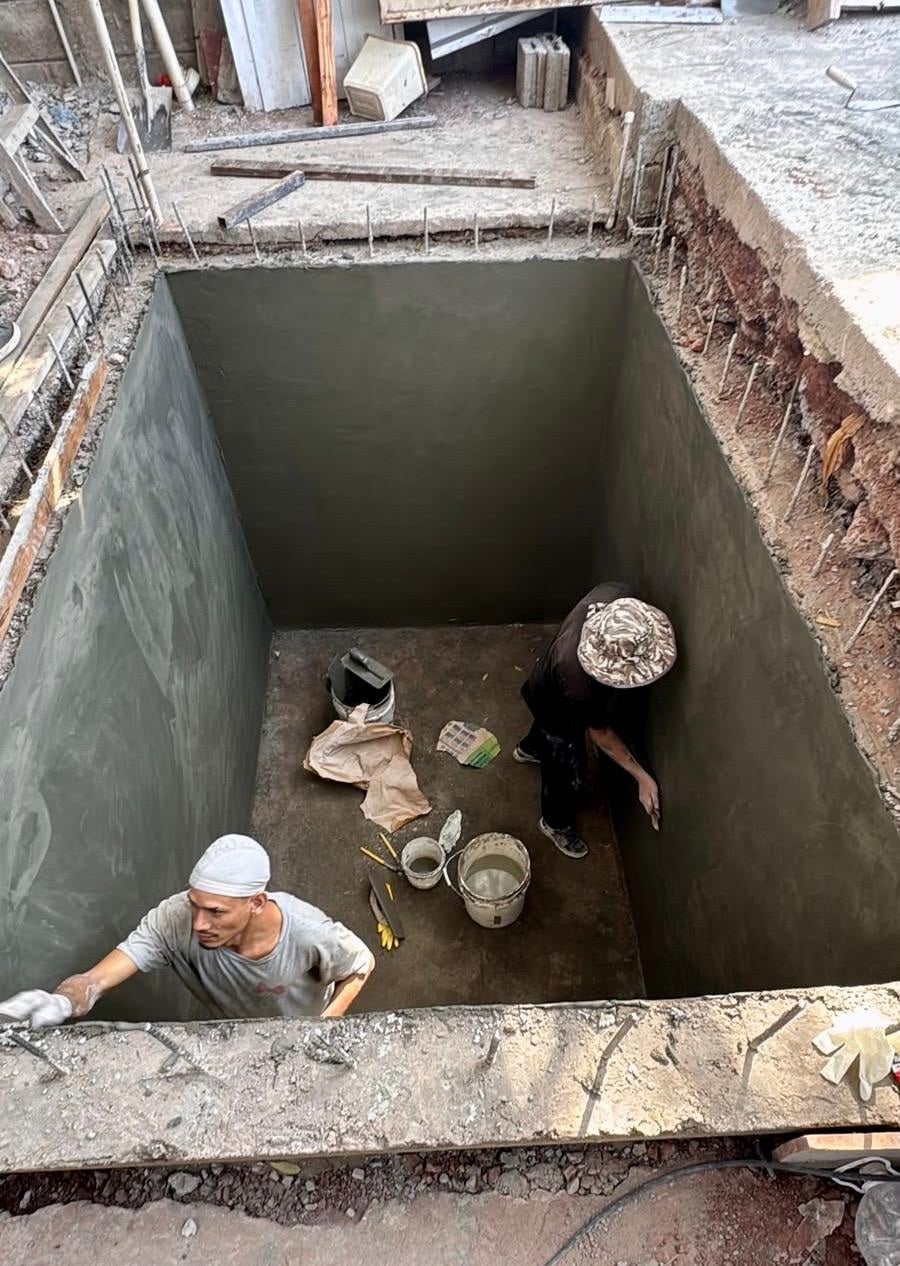
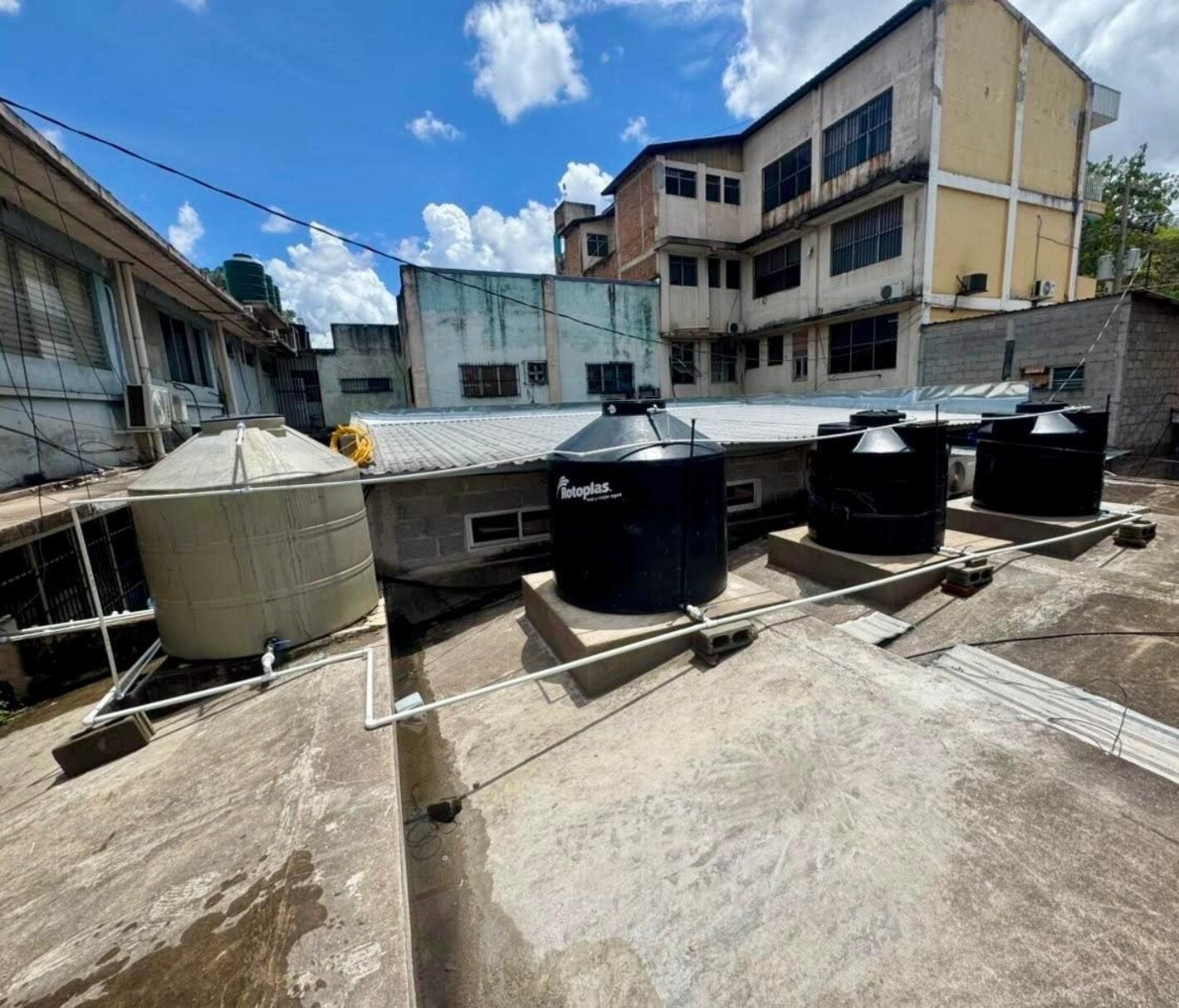
To help address these challenges, the Pan American Health Organization (PAHO), with funding from the Honduras Humanitarian Fund, is supporting water, sanitation, and hygiene improvements at nine priority health facilities in the Central District.
The interventions are part of the project Safe Access to Health Services for Vulnerable Populations in Municipalities Affected by Disasters, Climate-related Events and Violence Prioritized under the Honduras Humanitarian Response Plan 2026. The initiative aims to help health services remain operational during emergencies and ensure safer care for affected communities.
Approximately 304,800 people use the nine health facilities where improvements are currently underway, with completion expected in November 2026.
The work addresses needs identified at each facility and includes installing or rehabilitating water storage tanks and cisterns, pumping systems, restrooms, handwashing stations, and waste management areas, along with other essential water, sanitation, and hygiene (WASH) infrastructure.
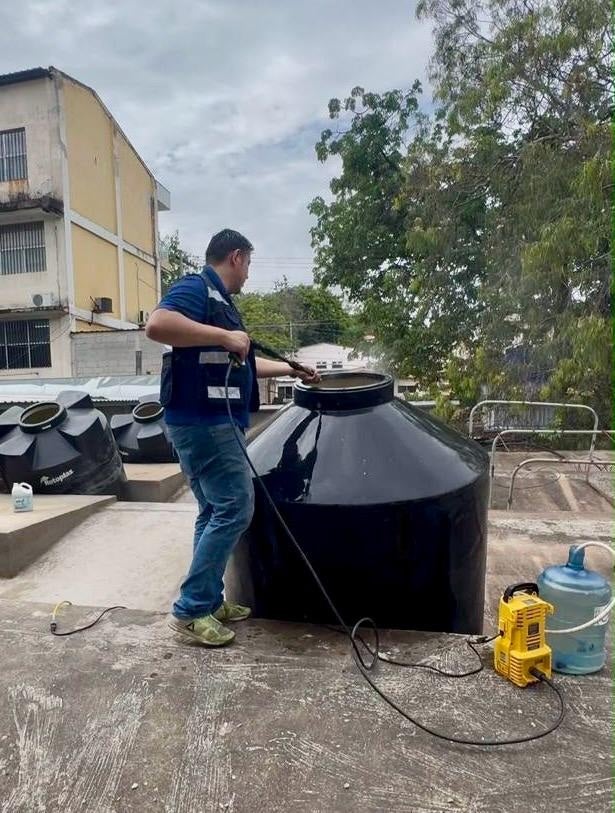
The improvements are being carried out at CIS La Providencia, CIS Dra. Nerza Paz, CIS Dr. Manuel Larios, CIS Nueva Suyapa, UAPS Mateo, UAPS Yaguacire, CIS Las Torres, UAPS San Miguel Arcángel, and Policlínico Alonso Suazo.
Reliable water, sanitation, and hygiene services are essential for infection prevention and control, reducing health risks, and maintaining continuity of care. Once completed, these improvements will help the nine facilities maintain essential health services during water shortages and other climate-related emergencies, supporting safer and more reliable care for the communities they serve.