Lima, Peru, 20 November 2026 (PAHO) – The Director of the Pan American Health Organization (PAHO), Dr. Jarbas Barbosa, concluded his first official visit to Peru, during which he held meetings with government authorities, congressional representatives, and international organizations to advance shared health priorities, strengthen technical cooperation, and address urgent challenges such as dengue and measles.
During his visit, which took place from 16 to 19 November, Dr. Barbosa highlighted several key areas of cooperation, including emergency preparedness and response, particularly in relation to the El Niño phenomenon; strengthening Primary Health Care (PHC); improving care for noncommunicable diseases (NCDs) and mental health; the digital transformation of health systems; and access to vaccines, medicines, and health technologies.
“PAHO’s strength lies in how we can contribute to improving the health of countries across the Region. Rather than supporting a country in what it already knows how to do, it is about supporting it to innovate,” the Director said.
Agreements to strengthen primary health care and prevent noncommunicable diseases
One of the main outcomes of the visit was the signing of two documents aimed at strengthening primary health care and advancing the prevention, early detection, and comprehensive care of NCDs.
Dr. Barbosa, together with Minister of Health Luis Dyer Fernández, Inter-American Development Bank (IDB) Health Specialist Ian Mac Arthur, and World Bank Senior Specialist Karina Olivas, participated in the signing of the Record of Establishment of the Consultative Roundtable of the Alliance for Primary Health Care in Peru.
The PAHO Director and the Minister of Health also signed the Joint Declaration of the “Better Care for NCDs” initiative.
“Primary health care is the best platform for advancing the control of noncommunicable diseases and improving mental health. This initiative allows us to translate our commitment to universal health into concrete action, bringing it closer to individuals and communities,” Dr. Barbosa said. “It is about accompanying countries as they integrate training, process improvements, and access to new technologies, such as telehealth, to work more efficiently and guarantee the right to health.”
Health technologies and innovation to improve access to health care
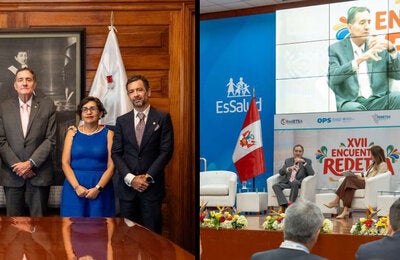
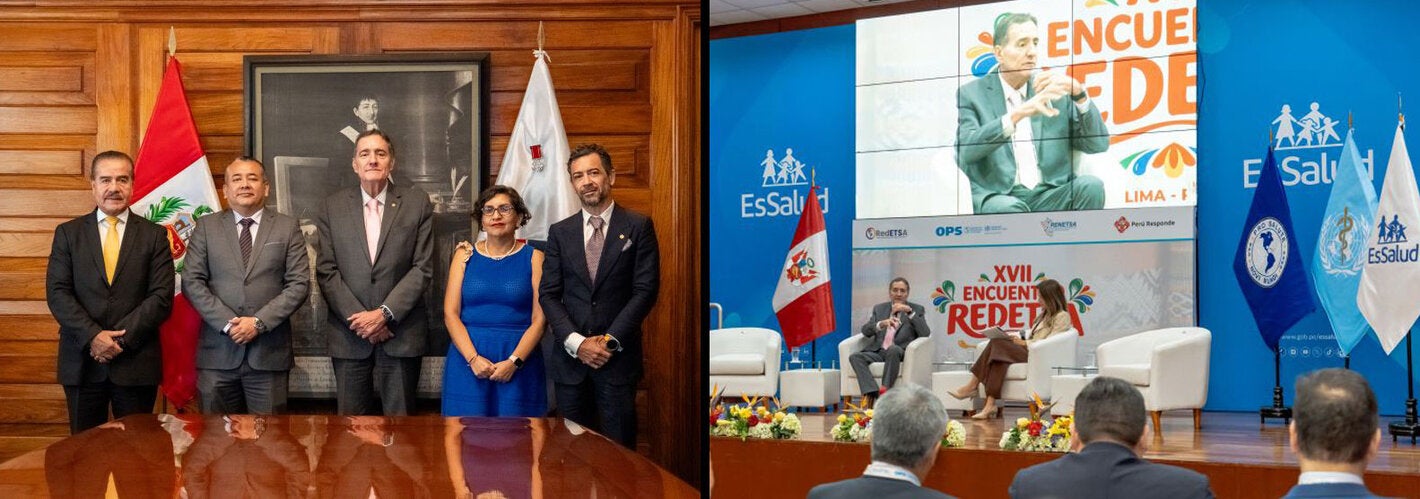
During his visit, the Director also participated in the 17th Meeting of the Health Technology Assessment Network of the Americas (RedETSA), held in Lima. The network supports countries in developing their capacity to assess and incorporate health technologies—including medicines, medical devices, strategic supplies, and new treatments—based on the available scientific evidence.
At the opening of the meeting, Dr. Barbosa highlighted the opportunities offered by artificial intelligence, digital technologies, and advanced therapies to improve health and quality of life. He also underscored the importance of evaluating these innovations to guide investment decisions and ensure more efficient use of resources.
“Health technology assessment provides the knowledge needed to guide innovation in treatments and health policies, remove barriers to access, and make spending more efficient,” he said. “Count on PAHO to support you in the important contribution you are making to ensure equitable access to health innovations for the entire population.”
Dengue and measles: responding to immediate public health challenges
The prevention and control of dengue and measles featured prominently in the Director's discussions with Peruvian authorities.
In response to the increase in dengue cases and deaths in the context of the El Niño phenomenon, PAHO recommended strengthening vector surveillance, preparing health services to effectively manage an increase in cases, and promoting communication strategies that engage communities in preventing and controlling the transmitting mosquito. Dr. Barbosa recalled that while dengue vaccination can help prevent severe forms of the disease, it must be part of a comprehensive response that includes surveillance and vector control.
Regarding measles, the Director stressed the importance of increasing vaccination coverage, identifying and actively reaching out to children who have not completed their immunization schedules, and strengthening surveillance to interrupt transmission.
Cooperation with national authorities
Dr. Barbosa discussed these issues with Minister of Health Luis Dyer Fernández, as well as Vice Minister of Public Health María Sofía Cuba, Vice Minister of Health Services and Insurance Carlos Espinoza, and directors from the Ministry of Health.
In addition to meeting with Vice Minister of Foreign Affairs Eric Anderson Machado, the Director met with the President of Congress, Miguel Ángel Torres Morales. Together with the Minister of Health and PAHO/WHO Representative in Peru, Dr. Gustavo Mery, they discussed opportunities for technical cooperation offered by PAHO in the area of digital health transformation, among other priorities.
During a meeting with representatives of the health committees of the Congress of the Republic, Dr. Barbosa also highlighted the importance of prioritizing investment in health, strengthening vaccination coverage, particularly against measles, and expanding the multisectoral response to anemia and efforts to address mental health across all population groups.
“Senators and members of Congress are important allies in ensuring the right to health. A law has great power to ensure that people can effectively access health services. PAHO seeks to support the country in achieving this,” he said.
The Director's agenda also included a meeting with the Executive President of the Social Health Insurance system (EsSalud), Dr. Zulema Tomás, and her technical team to explore opportunities to expand cooperation between the two institutions.
PAHO reaffirmed its willingness to support EsSalud in procuring quality medicines and medical supplies through the Regional Revolving Funds. The discussions also addressed the potential of digital transformation, telemedicine, and access to strategic medical equipment to strengthen the response capacity of health facilities and improve care for the millions of people covered by the country's social health insurance system.
At the conclusion of his first official visit to Peru, the PAHO Director reaffirmed the Organization's commitment to continuing its work with the country, making its technical cooperation available to support national priorities and initiatives that advance more accessible, resilient health systems capable of responding to the needs of the entire population.