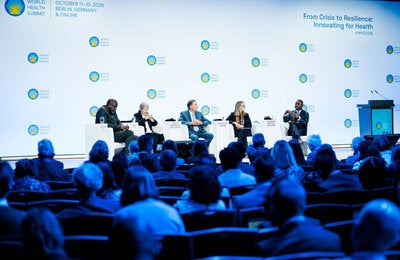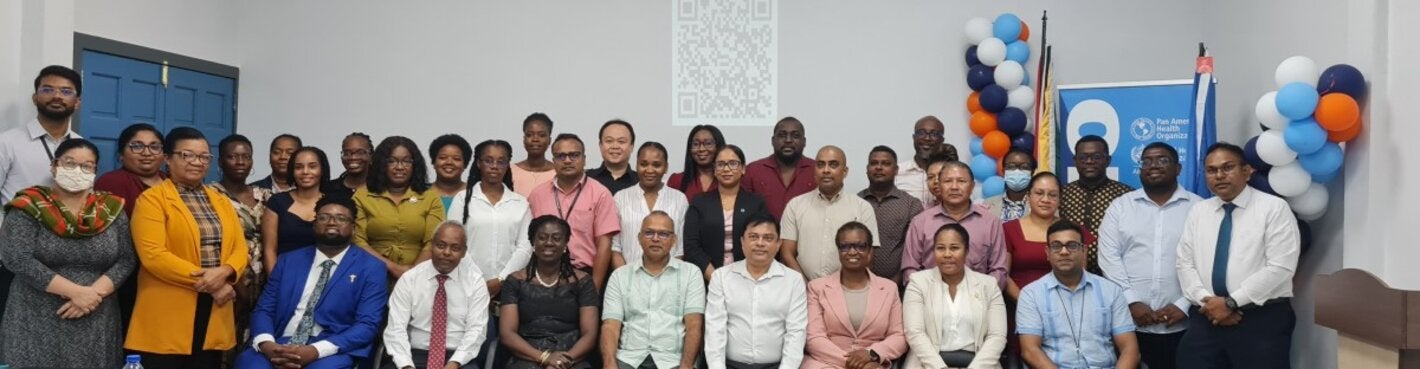
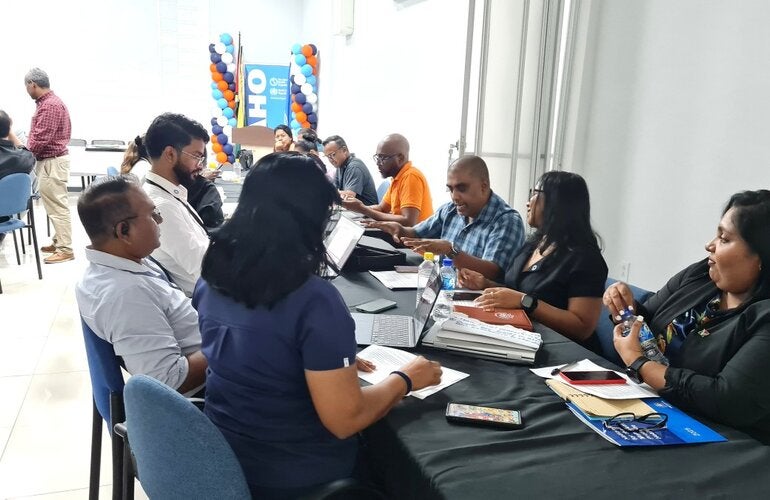
Georgetown, Guyana, 13 November 2025 - PAHO, in collaboration with the Ministry of Health, Guyana, commenced a three-day workshop focused on strengthening Primary Health Care (PHC), a cornerstone of public health and the foundation of resilient health systems. This initiative provides an opportunity to reflect on PHC as one of the most powerful and transformative concepts in public health. When PHC is strong and well-performing, it fosters equity, enhances community well-being, and builds a health system capable of responding effectively to both everyday needs and emerging challenges.
Why PHC Matters
Primary Health Care is often described as the first point of contact between individuals and the health system. While this is true, PHC is much more, it is the bedrock of community well-being. It ensures that essential health services, from maternal and child health to immunizations, chronic disease management, and mental health support, are available, affordable, and accessible to everyone, everywhere.
According to the World Health Organization, stronger PHC systems could save 60 million lives and increase average life expectancy by 3.7 years by 2030. These figures represent real people, real families, and real futures.
PHC in a Changing World
Today’s health challenges are increasingly complex. Aging populations, rising noncommunicable diseases, and persistent health inequities demand robust PHC systems. The COVID-19 pandemic underscored this reality. Countries with strong PHC systems were better equipped to contain the virus, deliver vaccines, and maintain essential services. In contrast, systems that are overly reliant on hospitals and emergency care were overwhelmed.
Community health workers, nurses, and local clinics played a vital role during the pandemic, reaching people where they lived, providing vaccines, sharing information, and keeping hope alive.
Integrated and People-Centered Care
PHC integrates services across the continuum of care, from prevention to rehabilitation, and connects health with education, sanitation, housing, and nutrition. When PHC functions well, hospitals can focus on complex cases. When it fails, hospitals become overburdened.
In Guyana, the Ministry of Health has recognized this interdependence by investing in the modernization of regional hospitals and the upgrading of health centers. These facilities support PHC by offering specialized backup and referral services, ensuring continuity of care.
PHC and Universal Health Coverage
As Dr. Kim Eva Dickson, PAHO/WHO Representative in Guyana, emphasized:
“PHC is the gateway to Universal Health Coverage (UHC). Without it, UHC is unattainable. UHC is not just about financing—it’s about ensuring people receive quality care close to home without financial hardship. WHO data shows that countries investing in strong PHC achieve better health outcomes at lower costs. Every dollar invested in PHC yields up to ten dollars in health and economic benefits.”
Beyond Illness: Promoting Health and Equity
PHC promotes good nutrition, supports mental health, encourages healthy behaviours, and fosters community engagement. Whether it’s a mother learning proper breastfeeding practices, a community gaining access to clean water, or mental health support being provided at the primary level, these are all the fruits of PHC.
PHC is also a platform for achieving health equity. Rural and Indigenous communities often face barriers such as distance, cost, and limited workforce availability. Strengthening PHC ensures no one is left behind, regardless of geography, income, or background. In Guyana, mobile clinics, telemedicine, and outreach programs are essential to bridging the equity gap.
Modernizing PHC for the Future
To meet the demands of modern times, chronic diseases, climate change, mental health crises, and migration, PHC must evolve. It must become people-centered, data-driven, and flexible.
Technology, including digital health and artificial intelligence, can be powerful tools. But they must complement, not replace, the human connection that defines primary care. Digital innovation should empower both health workers and patients.
Advancing PHC also requires performance monitoring. Strong data systems allow us to track progress, evaluate outcomes, and improve efficiency. Data-driven programming builds public trust, improves health outcomes, and enhances patient satisfaction.
Guyana has taken important steps by investing in new hospitals and health Centres and diagnostic facilities across the country. These investments strengthen both secondary care and the referral networks that underpin PHC.
Call to Action
Despite progress, challenges remain. Human resource shortages, inconsistent quality of care, and accessibility barriers in hinterland and rural areas continue to hinder progress. We must also address the social determinants of health, poverty, education, transportation, and environmental factors that shape health outcomes long before a person reaches a clinic.
As Minister Dr. Frank Anthony aptly stated:
“The bulk of what we do in primary health care would be confined or would be delivered primarily by our health posts and health centers. The people who work at the primary care level should also ensure that every one of these facilities, regardless of how remote they are properly maintained. We need to develop a system where we can fix these things so that patients can be very comfortable in whatever facilities they need.”
We must reimagine PHC to make it people-centered, equitable, and resilient. By doing so, we can achieve better health outcomes for all Guyanese and build a health system that truly serves its people. PAHO will continue to provide support for the improvement of Primary Health Care in Guyana, working in partnership with national stakeholders to strengthen systems, promote innovation, and ensure no one is left behind.