Mexico City, November 13, 2026. Representatives from seven countries in the Americas—alongside experts, civil society organizations, and the Pan American Health Organization (PAHO)—have made progress in defining a regional roadmap for 2027–2031. This initiative aims to implement and scale up best practices to reduce dementia risk, improve timely diagnosis, and strengthen care and support for people living with dementia and their families.
The Regional Technical Meeting on Dementia in the Americas, held on November 9–10 in Mexico City, provided an opportunity to review progress and key gaps within these countries, exchange experiences, and identify priorities for technical cooperation and collaborative work over the next five years.
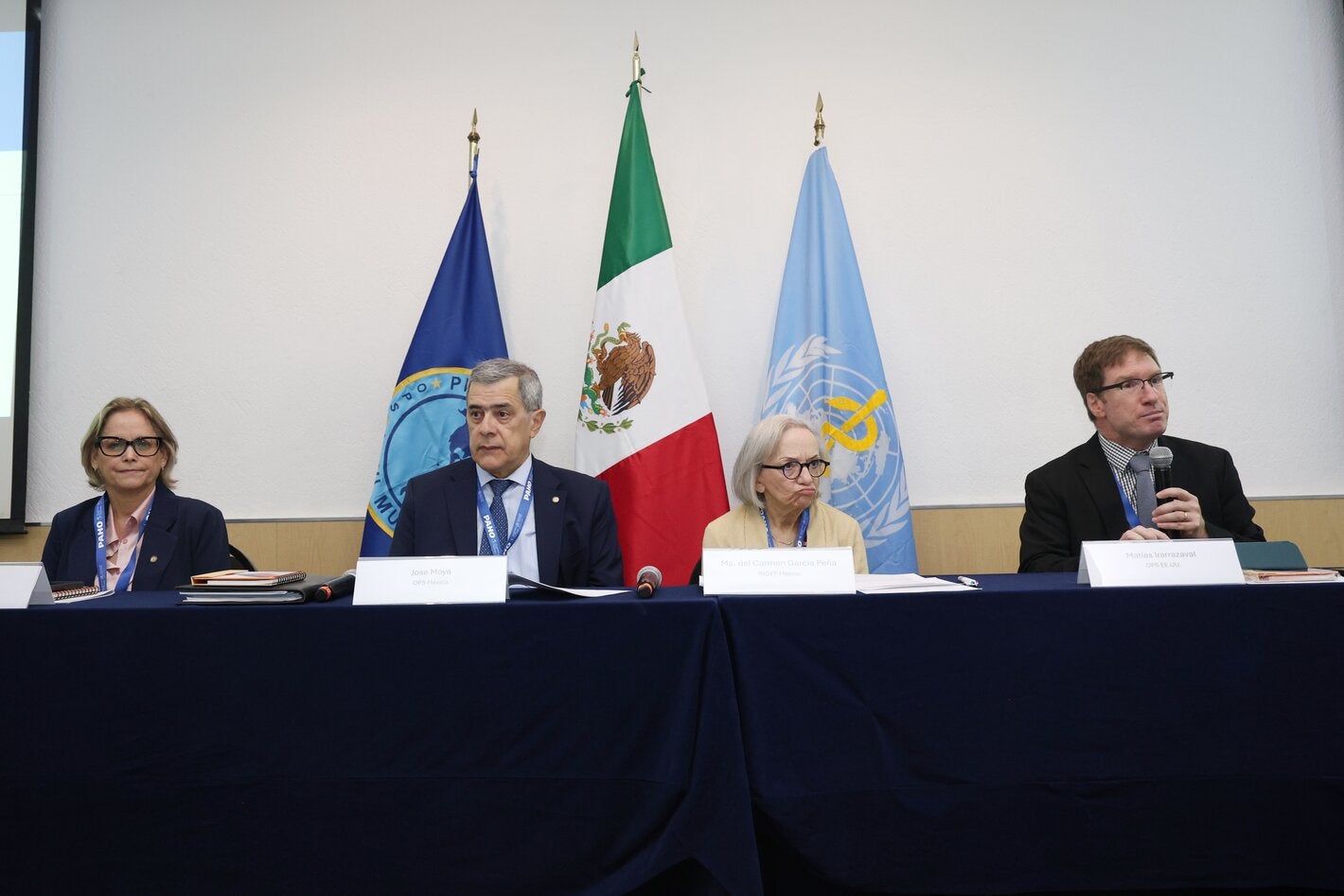
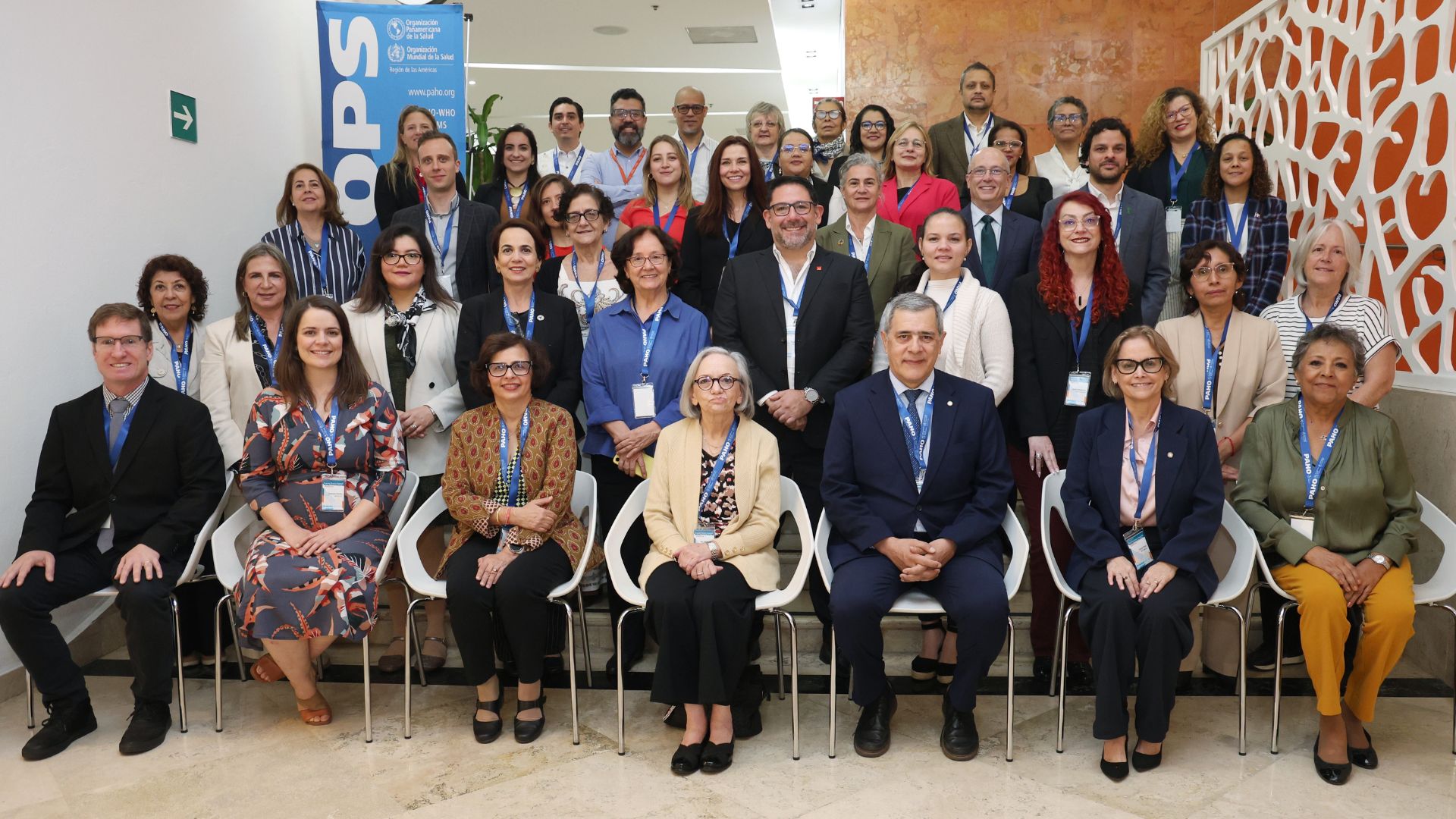
Organized by PAHO, the meeting brought together representatives from the ministries of health of Brazil, Chile, Costa Rica, Mexico, Peru, the Dominican Republic, and Uruguay, as well as focal points from PAHO country offices. Also in attendance were PAHO and World Health Organization (WHO) specialists, experts from academic and research institutions, and representatives from civil society, including Alzheimer’s Disease International (ADI).
During the opening session, José Moya Medina, the PAHO/WHO representative in Mexico, highlighted that throughout this year, Mexico’s Secretariat of Health, the National Institute of Geriatrics (INGER), and PAHO have spearheaded a technical cooperation project. This project focuses on enhancing capabilities for the detection, diagnosis, and early care of dementia, with a particular emphasis on primary healthcare.
This effort has enabled a national assessment of the care system’s current capacities and needs, as well as the development of a proposed roadmap toward 2030, which outlines priorities to guide future actions. During the meeting, the virtual course “Brain Health and Dementias: A Primary Care Approach”—developed in collaboration with INGER—was launched to expand training opportunities for healthcare personnel.
From Good Practices to Implementation
Over two days, participants analyzed how to translate evidence and successful experiences into concrete actions tailored to the needs and capacities of each country.
The discussions covered key areas of the response to dementia, including: establishing dementia as a public health priority; raising awareness and reducing stigma; mitigating modifiable risk factors; ensuring timely diagnosis; providing treatment, care, and support; integrating dementia into primary healthcare; supporting caregivers; and strengthening information systems, surveillance, research, and innovation.
Countries also shared experiences from various stages of developing their national responses. While some—such as Chile and Costa Rica—have specific national dementia plans, others have integrated dementia into broader health or aging strategies, or have recently developed national plans, as in Brazil. This diversity facilitated the exchange of lessons learned and an analysis of which practices could be adapted and scaled up across different contexts.
The second day focused on translating these exchanges into concrete proposals. Delegations worked by country to identify short-, medium-, and long-term priorities. They also made progress in defining measurable indicators and targets, as well as feasible actions to drive advancement. These contributions will serve as a foundation for consolidating a regional roadmap and guiding PAHO’s technical cooperation for 2027–2031.
A Growing Public Health Priority
More than 10 million people are living with dementia in the Americas—a figure that will continue to rise as the population ages. At the same time, it is estimated that approximately 45% of dementia cases could be prevented or delayed by addressing modifiable risk factors, underscoring the importance of strengthening prevention strategies throughout the life course.
However, significant challenges remain regarding access to timely diagnosis, treatment, long-term care, and support for caregivers. Recent data from Brazil, for instance, indicate that between 76% and 84% of dementia cases go undiagnosed.
Compounding these issues are a shortage of trained healthcare personnel, fragmented care, limitations in surveillance systems, and the insufficient integration of dementia into primary healthcare and noncommunicable disease programs. Furthermore, much of the caregiving burden falls on family members—predominantly women—who receive little formal support.
Although several countries have made progress in their policies and programs, gaps persist in developing comprehensive strategies, standardized diagnostic pathways, surveillance systems, and equitable access to community-based and long-term care services.
A Roadmap for 2027–2031
Data from the second round of the Global Dementia Observatory—in which 60% of the countries in the Region participated—reveal uneven progress. Among participating countries, 52% had some form of dementia-friendly initiative, 48% had a national plan, and 43% had risk-reduction campaigns—up from 27% in the first round. However, only 29% had conducted awareness-raising campaigns, 24% had produced a specific national report, and 38% had support mechanisms in place for caregivers, while 48% had not collected data on dementia over the previous two years.
The work initiated at this meeting aims to provide a practical framework to accelerate the regional response over the next five years. Expected outcomes include a consolidated overview of country priorities and best practices, measurable indicators and targets, public health strategies that can be strengthened or expanded, and a plan to foster cooperation and the exchange of experiences among countries in the Region.
This roadmap will help advance the action areas of the Global Action Plan on the Public Health Response to Dementia—which has been extended until 2031—and promote responses that enable people living with dementia and their families to access, in a more timely and equitable manner, the diagnosis, care, treatment, and support they need.