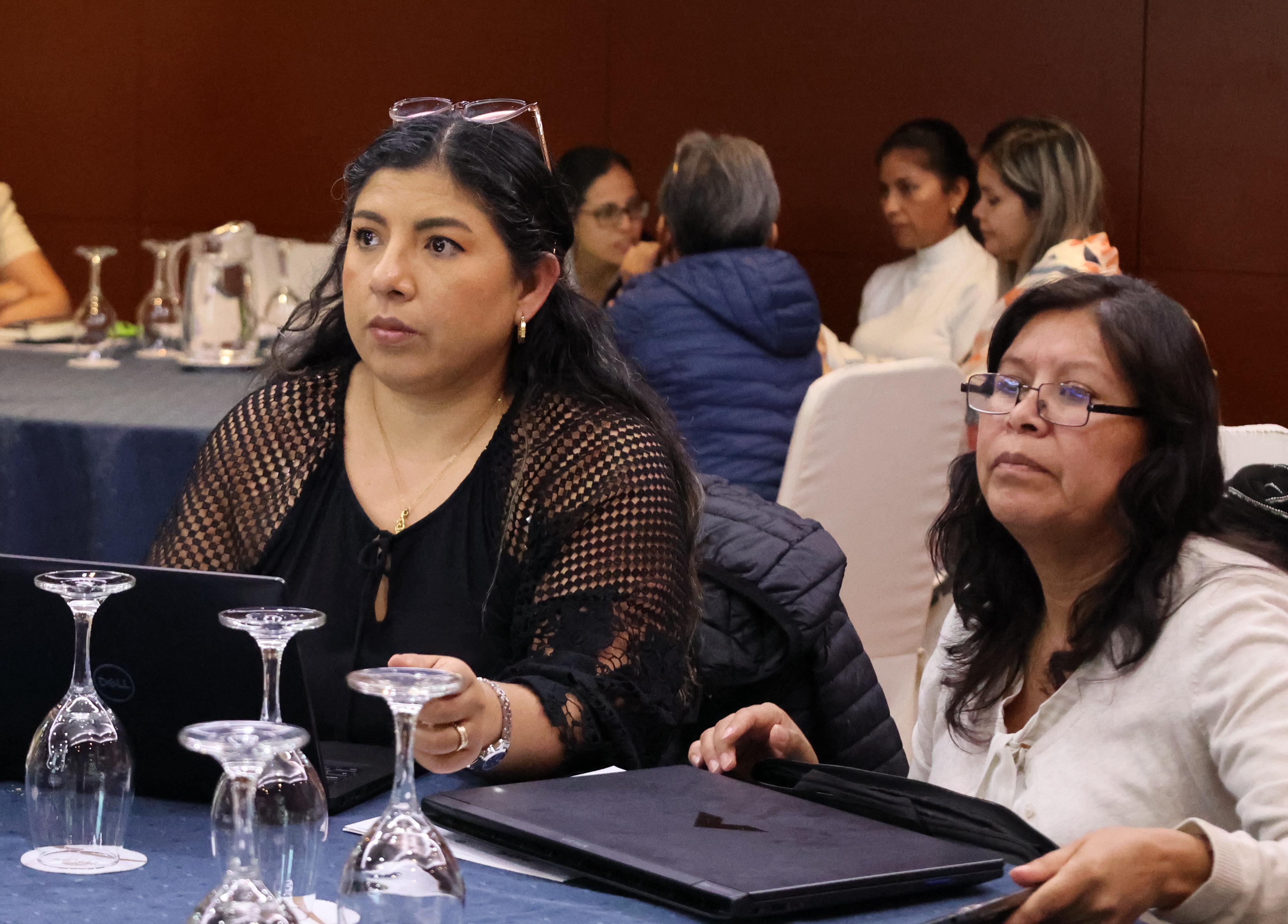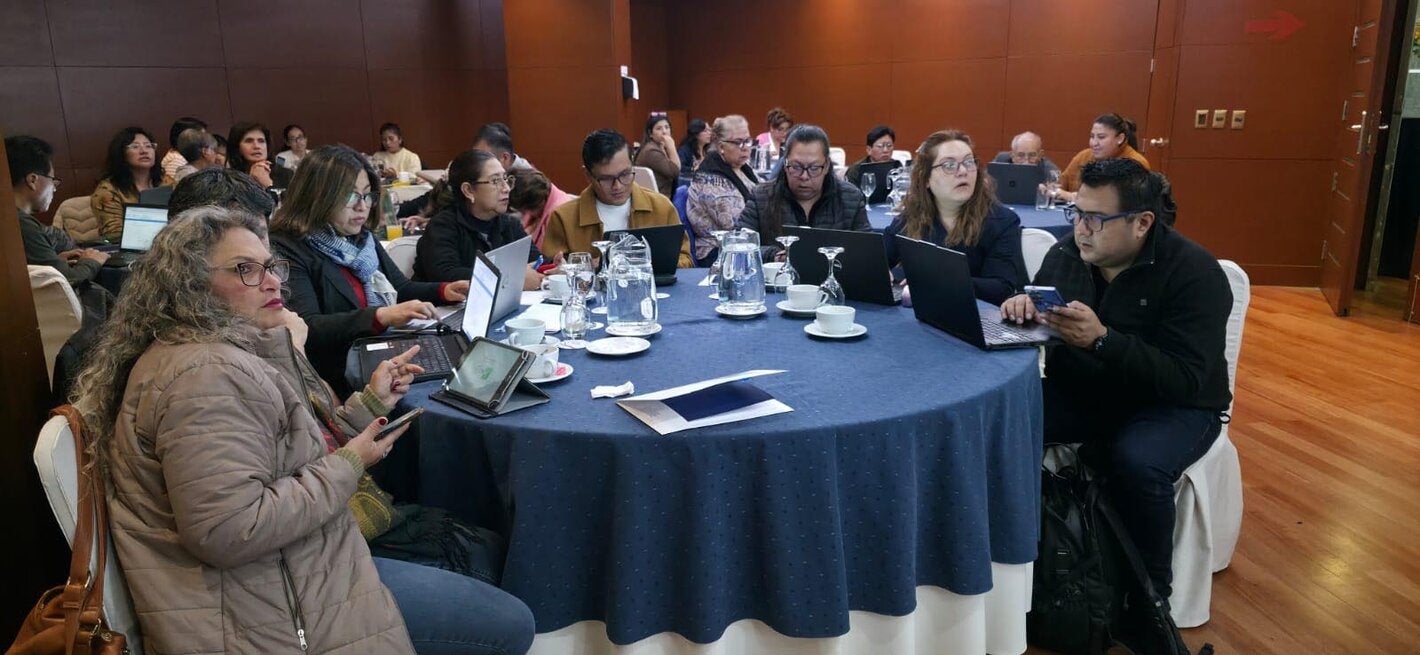
La Paz, Bolivia. – The Ministry of Health and Sports of the Plurinational State of Bolivia, with technical support from the Pan American Health Organization (PAHO), held the “National Workshop on Strengthening Capacities for Data Management, Analysis, and Reporting for Integrated Surveillance of Respiratory Viruses in Bolivia” in the city of La Paz from May 11 to 13, 2026.
This strategic activity helped strengthen national capacities for preparedness, prevention, and response to respiratory diseases with epidemic and pandemic potential, directly contributing to the protection of public health by enhancing the early detection of health threats, supporting timely monitoring of viral circulation, and promoting the generation of scientific evidence to inform public health decision-making.
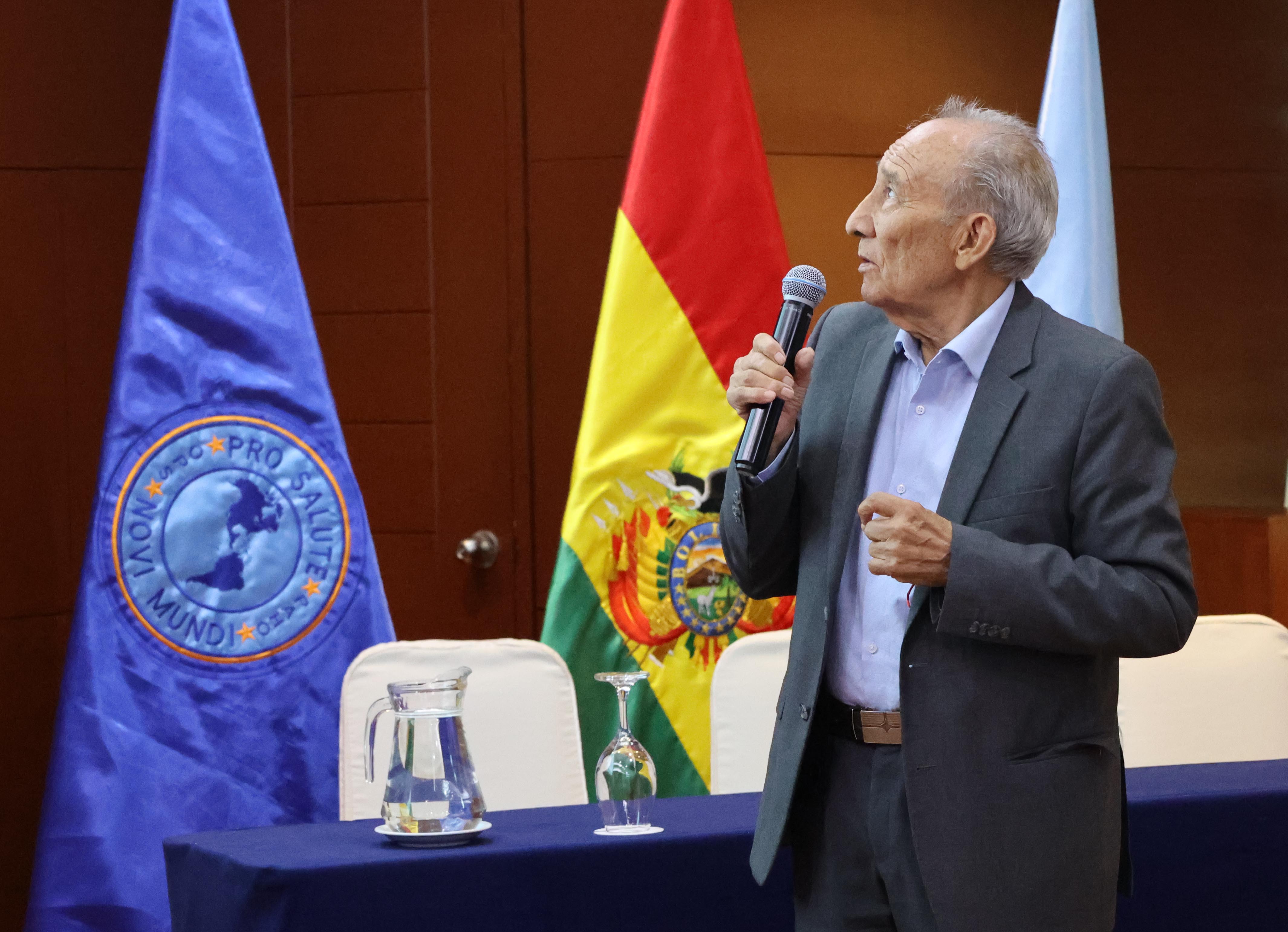
The workshop brought together technical staff from national and subnational levels working in epidemiology, laboratory, and public health surveillance. Participants updated their knowledge and skills in the use of regional and global tools such as PAHOFlu and the World Health Organization’s FluID and FluNet platforms. These tools enable the consolidation and analysis of standardized epidemiological and laboratory data, strengthening the country’s capacity to share information in a timely manner and contribute to regional and global surveillance of respiratory viruses.
During the workshop, participants strengthened their competencies in sentinel surveillance of severe acute respiratory infections (SARI) and influenza-like illnesses (ILI), integrating epidemiological and laboratory components to improve the detection and characterization of circulating respiratory viruses. Participants also advanced in the validation of Bolivia’s national guidelines for integrated sentinel surveillance of acute respiratory infections and enhanced their capacity to apply PISA (Pandemic Influenza Severity Assessment) indicators, a key tool for evaluating the transmissibility, severity, and impact of respiratory viruses and guiding evidence-based public health measures.
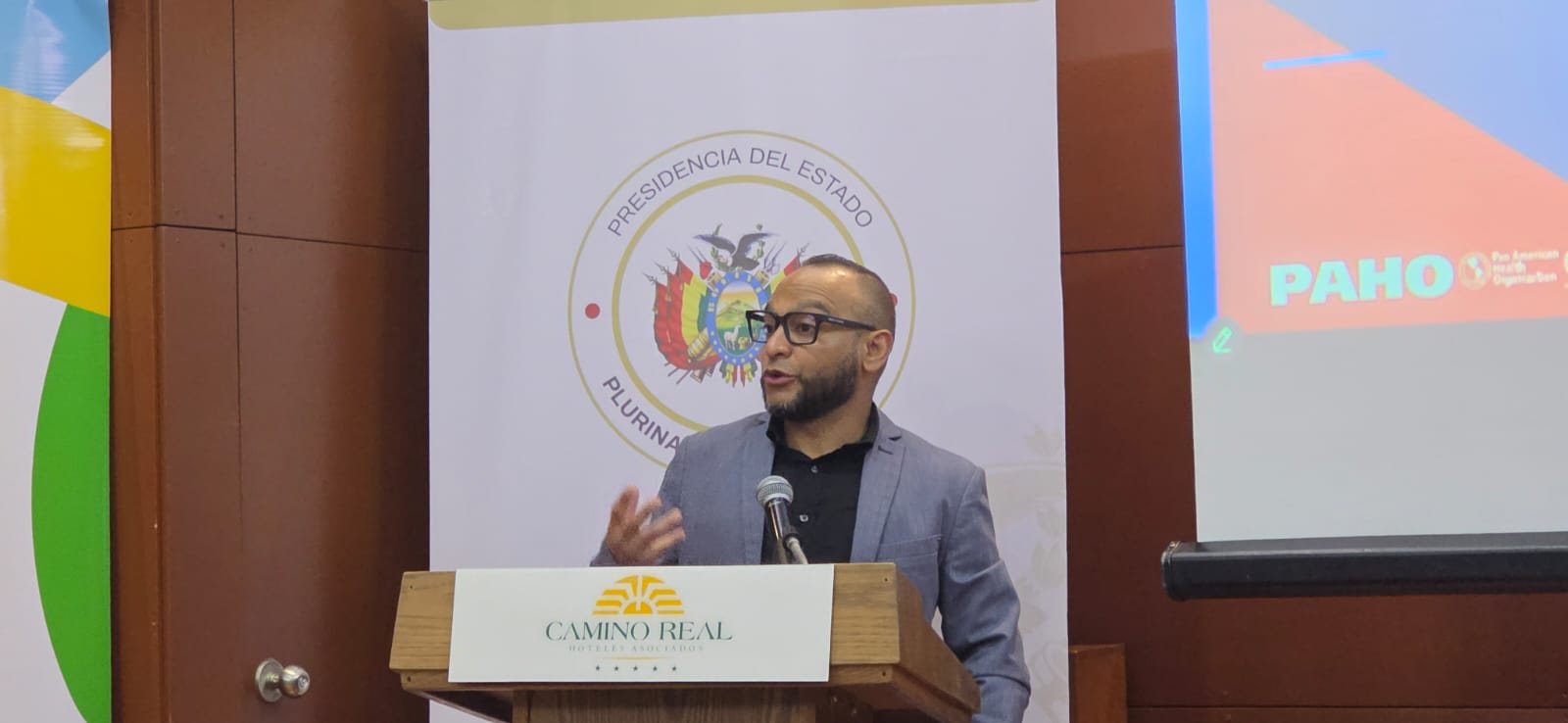
The workshop also highlighted the strategic role of Risk Communication and Community Engagement (RCCE) as an essential component for strengthening public trust and promoting preventive measures against respiratory diseases. The sessions emphasized the importance of translating epidemiological, laboratory, and vaccination data into clear, timely, and culturally appropriate messages aimed at strengthening prevention, vaccination, self-care, and early healthcare-seeking behaviors.
The activity was conducted under the WHO Pandemic Influenza Preparedness (PIP) Framework, which seeks to strengthen countries’ capacities to prevent, detect, and respond promptly to future influenza pandemics and other emerging respiratory viruses with pandemic potential. In this context, strengthening integrated surveillance represents a fundamental component of improving national and regional public health security.
Through a combination of theoretical and practical sessions, as well as hands-on exercises in data collection, analysis, and validation, the workshop contributed to improving the quality, timeliness, and sustainability of national surveillance systems. These efforts help build a more robust, integrated, and resilient surveillance network, enabling Bolivia to advance in strengthening its preparedness and response capacities against current and future respiratory health threats.