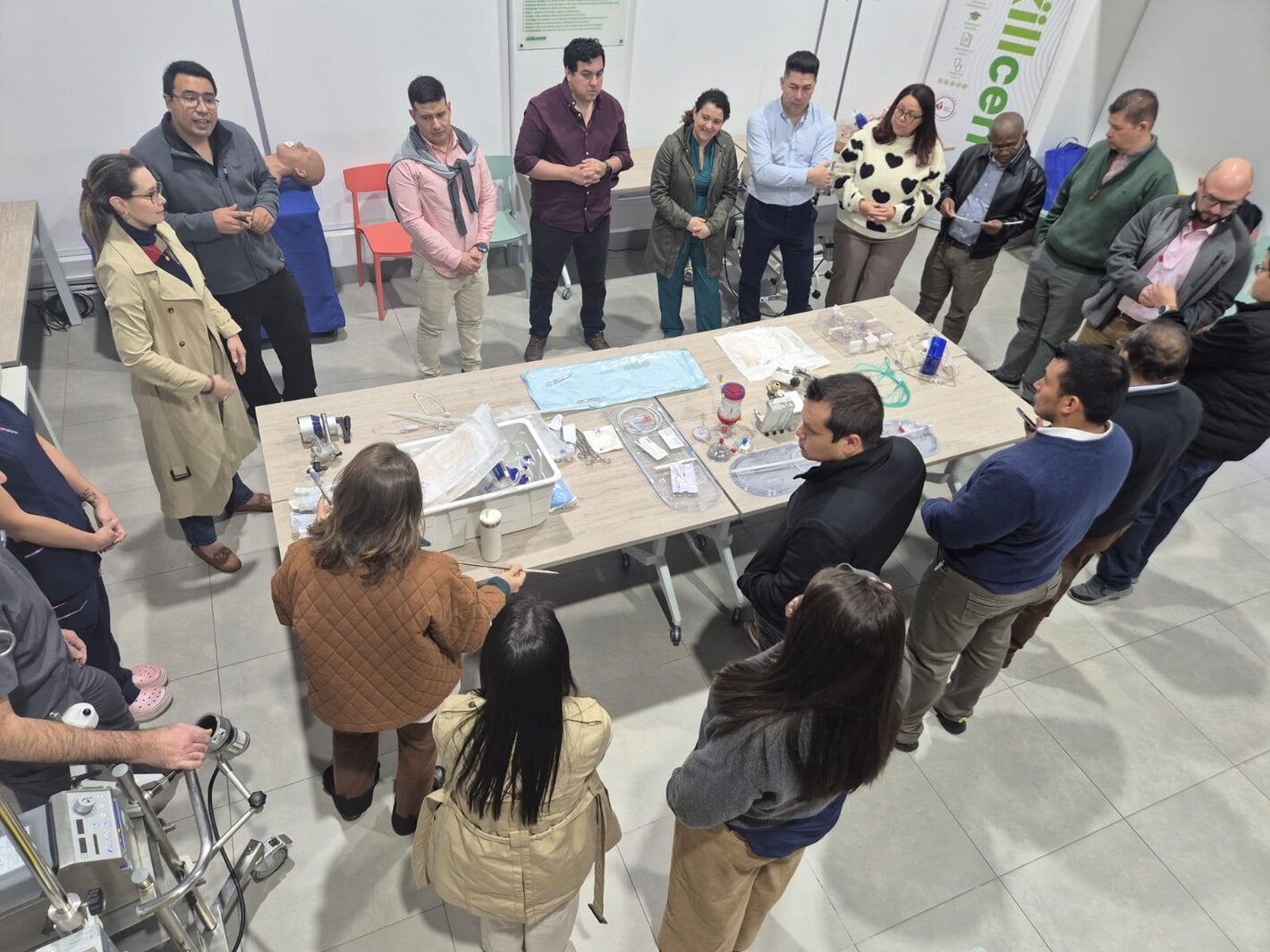
Santiago, Chile, June 13, 2026 (PAHO) – In a coordinated effort to prepare the region for hospital outbreaks of emerging diseases and to strengthen the management of severe respiratory illnesses, the Pan American Health Organization (PAHO) convened two regional workshops in Santiago, Chile, from June 11 to 13, bringing together national leaders in infection prevention and control (IPC) and clinical specialists in intensive care from across the Americas.
These activities addressed a top public health priority: severe acute respiratory infections (SARI) are among the leading causes of hospitalization, intensive care unit admissions, and mortality in the region, and the simultaneous circulation of multiple respiratory pathogens—including zoonoses—permanently elevates the risk of outbreaks with institutional, clinical, and epidemiological impacts.
Workshop on Outbreak Management and Infection Prevention and Control in Hospitals
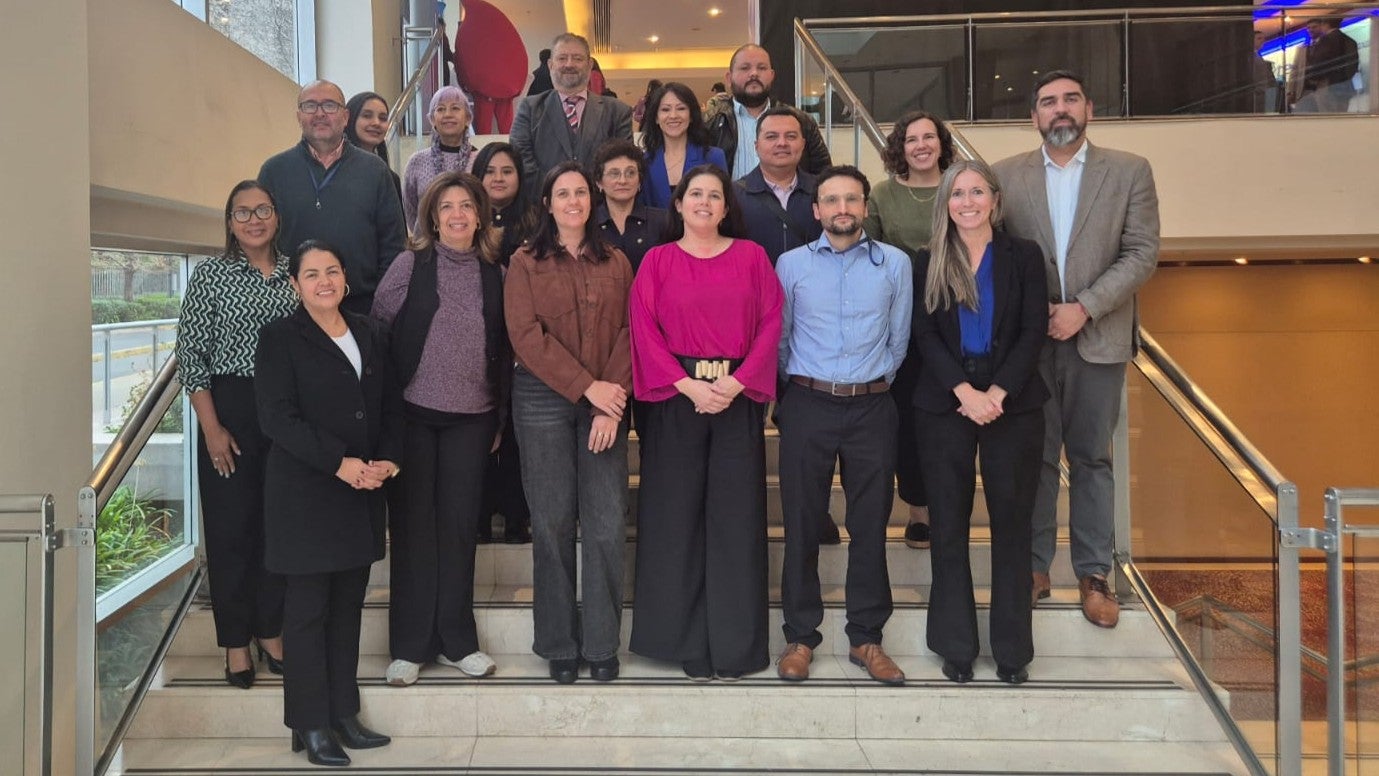
The workshop, held on June 11 and 12, brought together representatives from El Salvador, Mexico, Chile, Uruguay, the Dominican Republic, Honduras, Panama, Guatemala, Costa Rica, and other countries, along with representatives from the Latin American Association for Infection Control (ASLACI) and the Centers for Disease Control and Prevention (CDC). Participants reviewed the progress of national infection control programs in Latin America, analyzed strategies for the detection, investigation, and containment of outbreaks in hospital settings, and shared experiences in responding to hantavirus, Ebola, and measles outbreaks.
Mexico presented its preparedness to the ongoing Ebola outbreak; Chile shared the situation regarding the Andes hantavirus and its infection control protocols; Uruguay and Costa Rica outlined their approaches to healthcare-associated infections (HAIs). Mexico, Panama, and the Dominican Republic presented their national programs. A plenary exercise allowed participants to collectively identify opportunities and barriers to outbreak management within national plans. Key recommendations adopted included strengthening national surveillance and reporting systems for HAI outbreaks, defining protocols for multicenter outbreaks, and participating in the WHO’s global ECMO survey as a self-assessment tool. The document on outbreak response in healthcare facilities in the Americas was presented, and a proposal for a PCI Network for Latin America was put forward.
Regional Workshop on the Management of Critically Ill Patients with Respiratory Disease and Extracorporeal Membrane Oxygenation (ECMO)
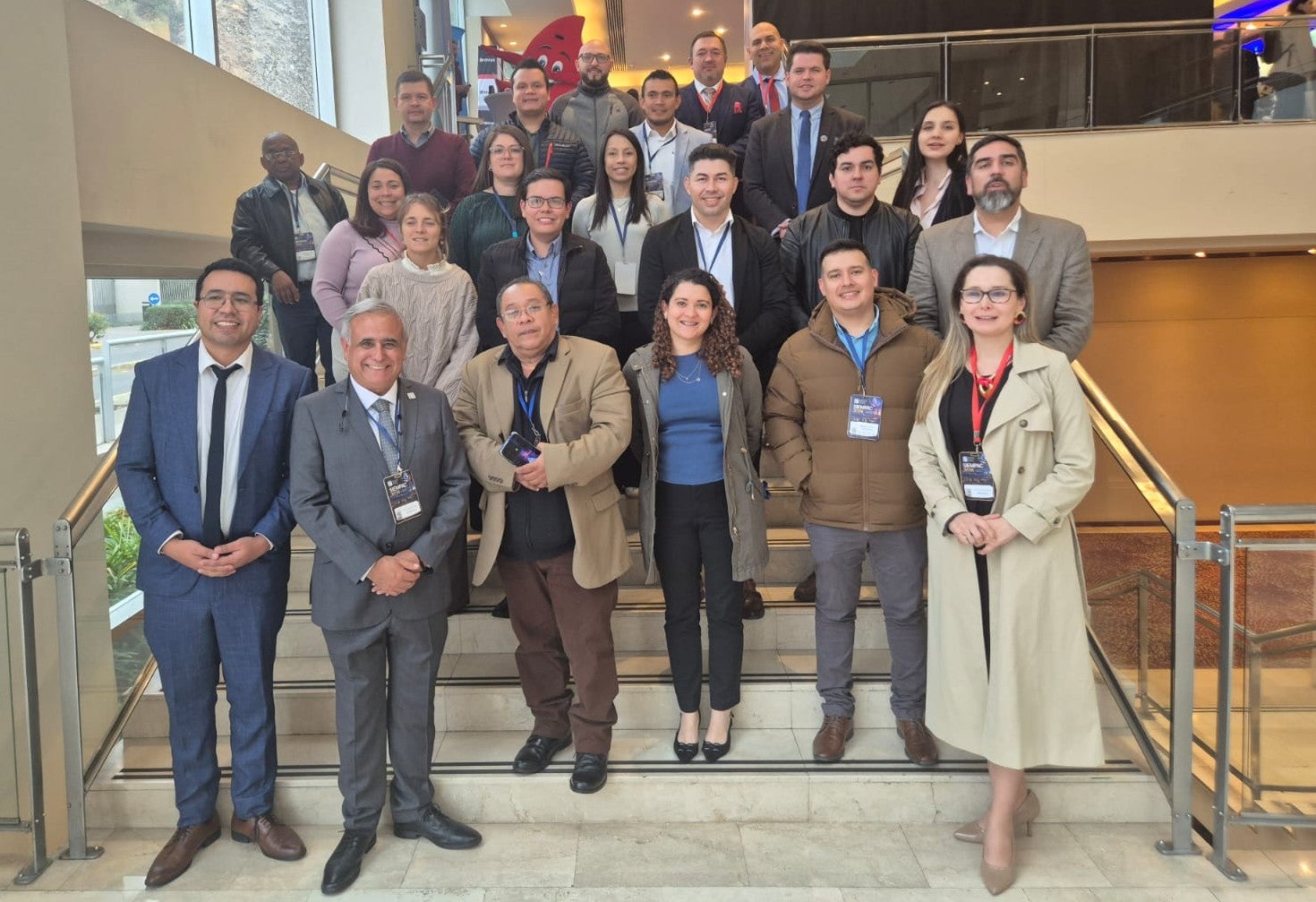
The workshop, held on June 12 and 13, addressed the region’s growing need for specialized clinical capabilities to care for critically ill patients with respiratory and cardiopulmonary failure. Recent outbreaks of avian influenza and hantavirus have demonstrated that it is essential for healthcare teams to master advanced interventions such as ECMO, protective mechanical ventilation, and critical care ultrasonography.
The first day combined technical presentations, clinical case discussions, and roundtable sessions on topics such as ventilatory strategies for severe acute respiratory distress syndrome (ARDS), the management of influenza and severe COVID-19, hantavirus, the new guidelines for critically ill patients with respiratory syncytial virus, and the organization of health systems in the face of epidemic outbreaks. The second day took place entirely in a simulation center, where participants rotated through hands-on modules on ECMO circuit setup, management of emergencies and ARDS complications, clinical case simulations, and transesophageal echocardiography, culminating in a final multidisciplinary debriefing that integrated clinical cases involving both adult and pediatric patients.
Regional cooperation and next steps
Both activities are coordinated with the SARInet plus network, a regional platform for surveillance and response to severe acute respiratory diseases, and contribute to PAHO’s efforts to prepare countries in the Americas for the emergence of new pathogens with pandemic potential.