Caracas, Venezuela, July 31, 2026 – The Pan American Health Organization/World Health Organization (PAHO/WHO) has delivered molecular diagnostic supplies to Venezuela to strengthen the diagnostic capacity of the country's National Laboratory Network following the June 24 earthquakes, with the aim of preventing disease outbreaks and protecting the health of affected communities.
The donation will help strengthen the early detection of diseases and enhance surveillance for potential public health threats in the affected areas.
According to the PAHO/WHO Representative in Venezuela, Dr. Armando De Negri Filho, national laboratory networks are a fundamental component of health systems preparedness and response to health threats.
"This delivery of supplies helps strengthen existing capacities and is part of the joint work that PAHO/WHO is carrying out with the national authorities to support the timely generation of evidence that informs public health decision-making," he said.
Dr. De Negri also stressed the importance of maintaining strong disease surveillance following an earthquake.
"After a disaster of this magnitude, when thousands of people have been displaced from their homes and are living in temporary camps, the timely identification, diagnosis, and treatment of communicable diseases are essential to preventing outbreaks and protecting the health of affected communities. Strong laboratory capacity enables health authorities to detect threats early and respond rapidly," he said.
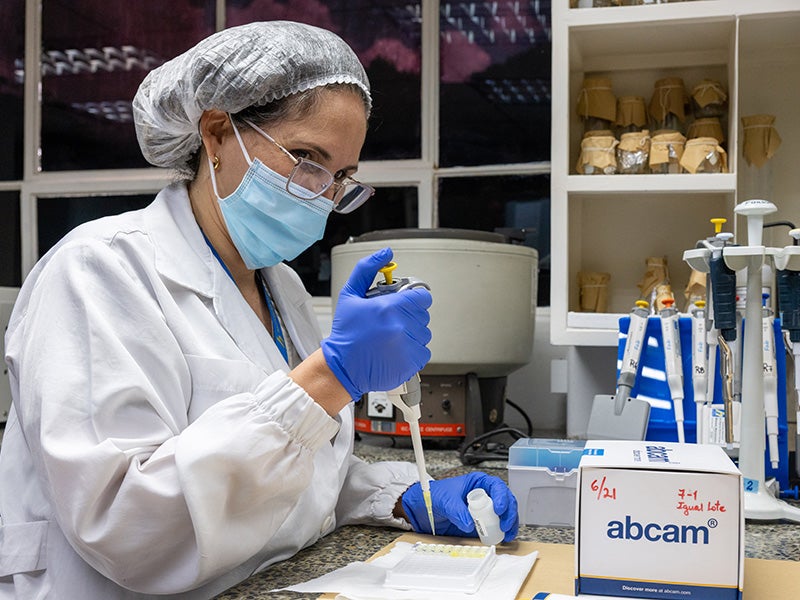
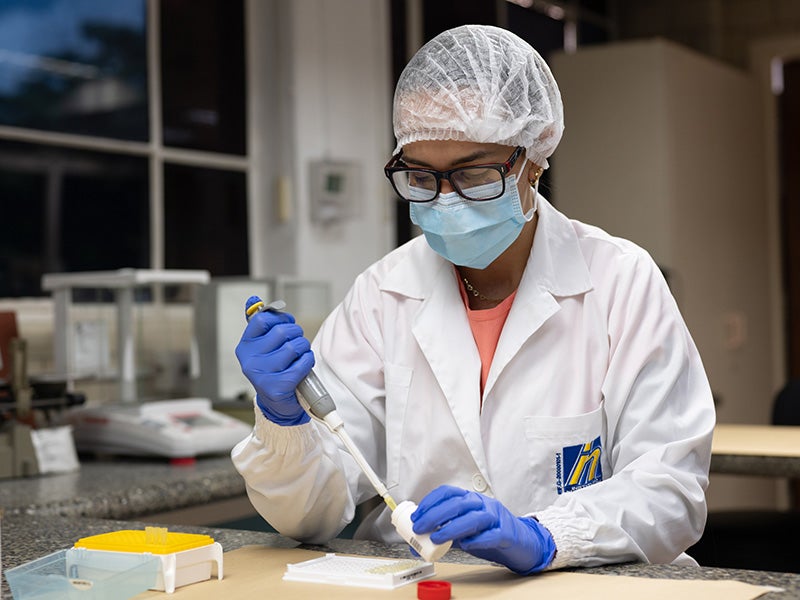
The shipment included 16 types of reagents for the molecular and serological diagnosis of 14 priority diseases and public health events, expanding diagnostic capacity and strengthening epidemiological surveillance. The reagents cover a range of high-priority threats, including mosquito-borne diseases such as dengue, chikungunya, Zika, Oropouche, and yellow fever; respiratory viruses including COVID-19, influenza, avian influenza, respiratory syncytial virus (RSV), and human metapneumovirus; and other priority diseases such as hantavirus, leptospirosis, West Nile virus, and equine encephalitis viruses.
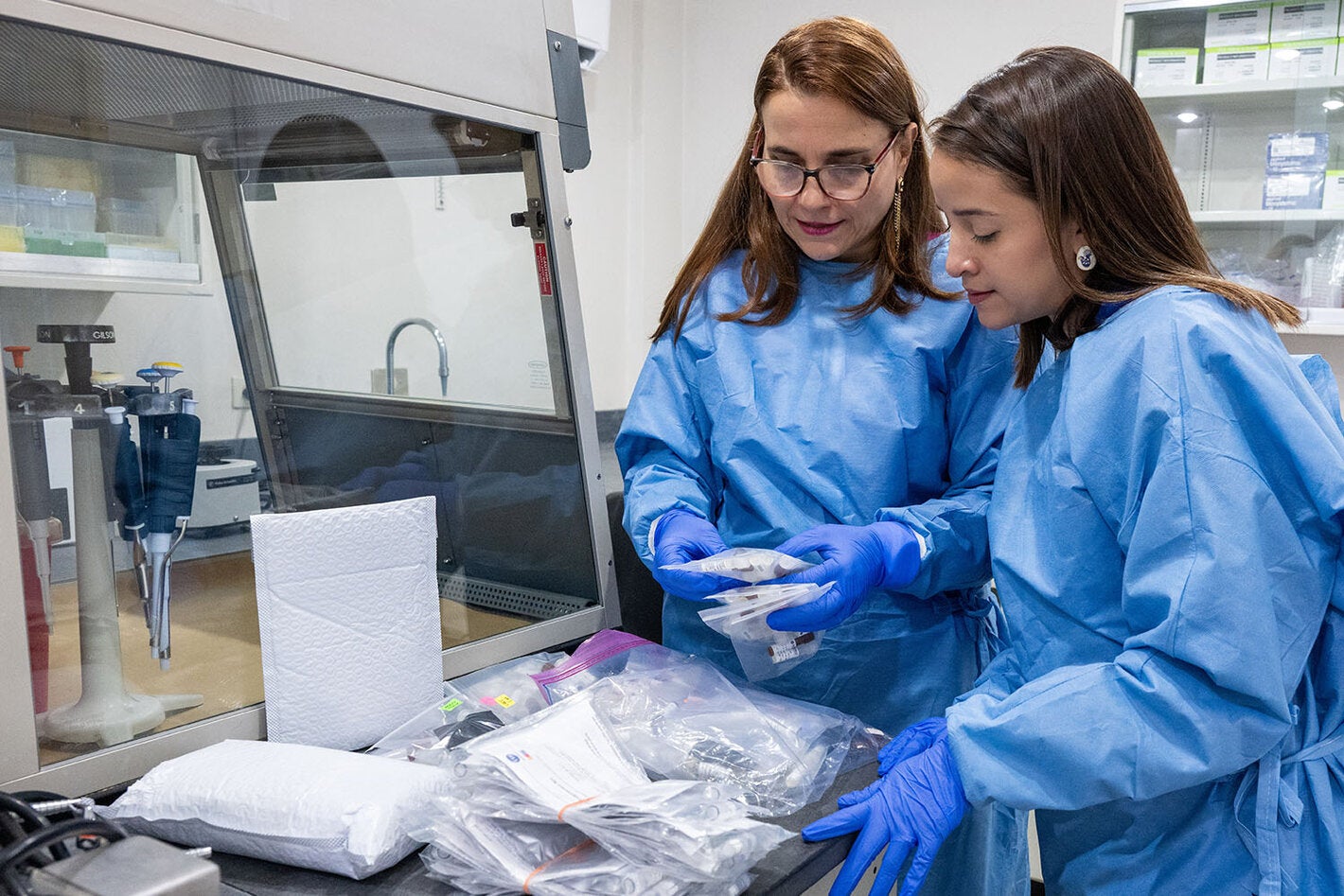
In addition to the delivery of supplies, PAHO/WHO continues to support the daily transportation of samples for processing at the Molecular Biology Laboratory of the Rafael Rangel National Institute of Hygiene (INHRR) in Caracas. This forms part of the Organization's efforts to strengthen laboratory surveillance and support the early detection of priority public health events.
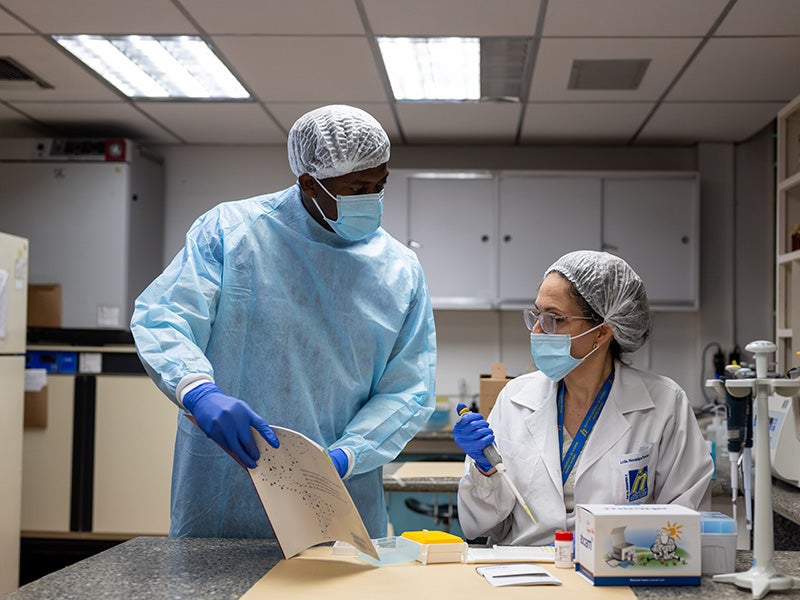
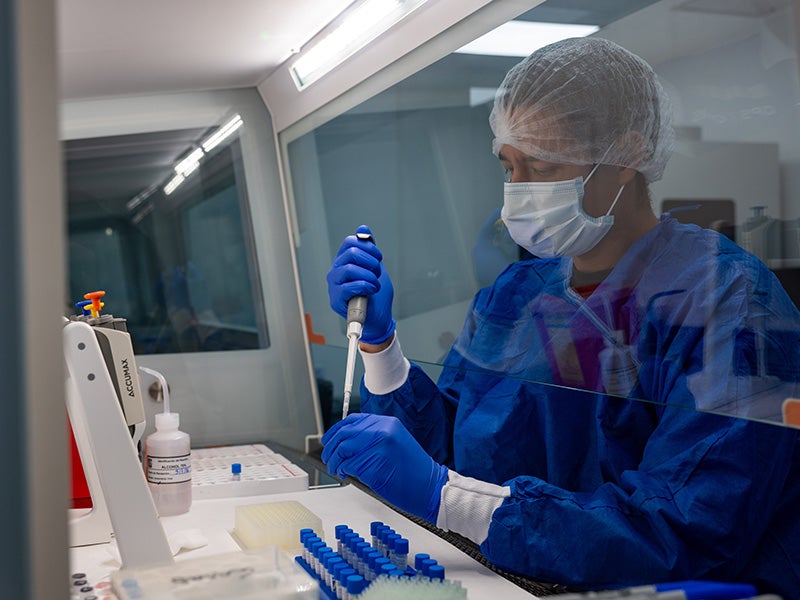
During the handover of the supplies, Ms. Pierina D'Angelo, Coordinator of the Virology Division at the Rafael Rangel National Institute of Hygiene (INHRR), highlighted that this cooperation helps maintain the operational capacity of the Molecular Biology Laboratory and ensures the continuity of diagnostic services.
"These supplies are an important contribution to the work we carry out in the Molecular Biology Laboratory. They provide us with the reagents and consumables needed to continue the analysis and characterization of samples we receive from different regions of the country," she said.
The supplies are part of PAHO/WHO's ongoing technical cooperation with Venezuela to strengthen preparedness and response to public health emergencies while supporting the continued operation of the National Laboratory Network.