Panama, August 13, 2026 (PAHO/WHO) — Every year, influenza and other respiratory viruses not only claim lives but also place a significant burden on health systems and society. To generate evidence to support decision-making, the Pan American Health Organization/World Health Organization (PAHO/WHO) is promoting the strengthening of national capacities through tools that transform epidemiological data into economic evidence to support public policies and investments in prevention, control, and vaccination.
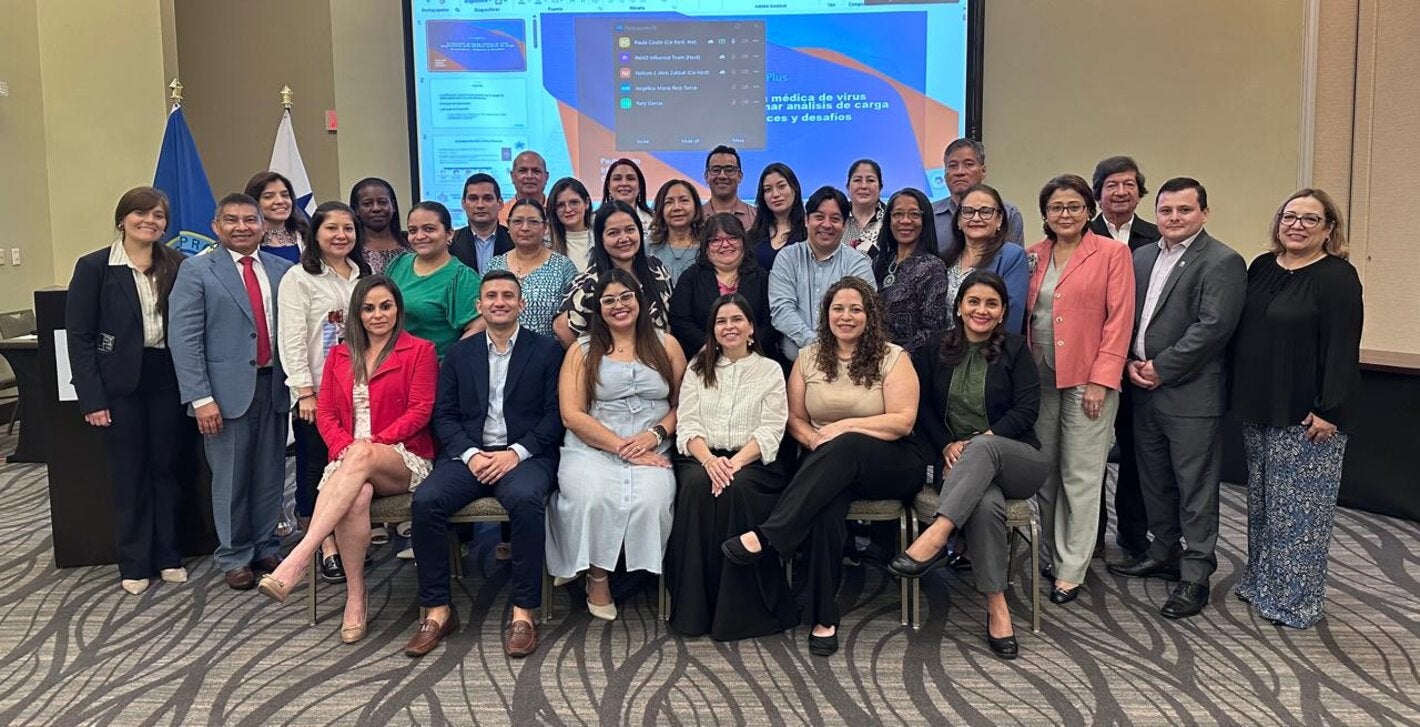
From August 11 to 13, 2026, Panama City hosted the Workshop on Estimating the Economic Burden of Diseases Associated with Respiratory Viruses and the Impact of Influenza Vaccination.
The initiative brought together local technical teams from the Ministry of Health, the Social Security Fund, the Gorgas Memorial Institute for Health Studies, and various countries in the Region of the Americas. The event promoted the exchange of best practices and built a network of professionals capable of replicating these cost-effective economic assessments in their respective countries.
The training aims to instruct professionals on the methodological aspects of analyzing the direct and indirect medical costs generated by infections such as influenza.
Furthermore, the program addresses the consolidation of existing national studies, the assessment of the impact of immunization schedules, and the introduction of analytical tools to estimate the health care costs avoided through timely vaccination.
With coordination, comprehensive technical support, and funding from PAHO/WHO, this initiative strengthens Panama’s scientific sovereignty. The generation of comparable, high-quality national estimates will ensure the economic sustainability of public health services, allowing technical evidence to guide, across the board, the design of prevention programs capable of safeguarding both the lives and the economic well-being of citizens.
With coordination, comprehensive technical support, and funding from PAHO/WHO, this initiative strengthened Panama's scientific sovereignty. The generation of comparable, high-quality national estimates will ensure the economic sustainability of public health services, allowing technical evidence to guide, across the board, the design of prevention programs capable of safeguarding both the lives and the economic well-being of citizens.