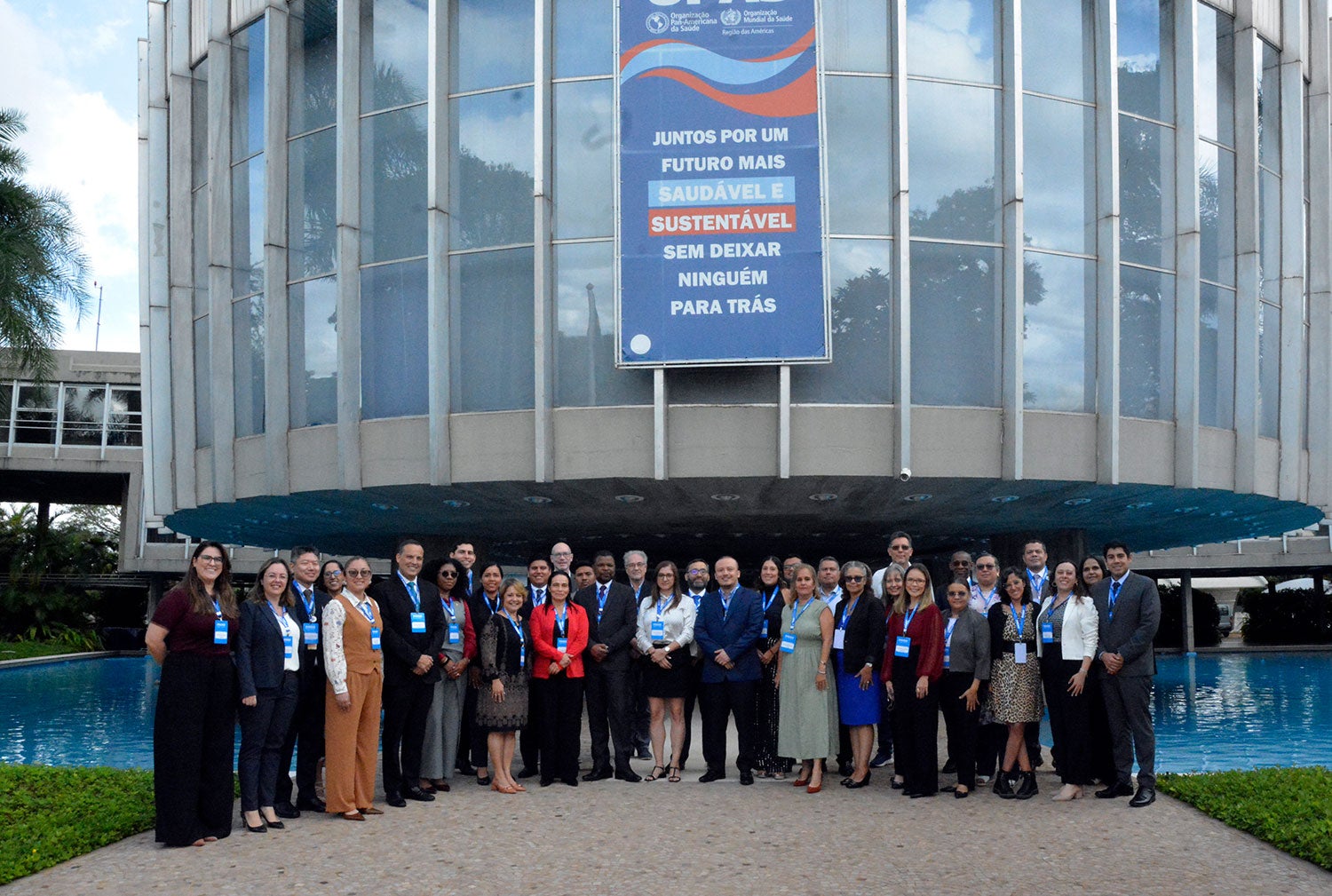
Brasilia, March 17, 2026 – From March 17 to 19, the second meeting of the Regional Network for the Prevention, Detection, and Response to Substandard and Falsified Medical Products in the Americas is being held in Brasilia, at the headquarters of the Pan American Health Organization (PAHO), with the participation of delegates from 23 countries in the region.
The objective of the meeting is to bring together national programs, exchange experiences and best practices, and follow up on ongoing projects aimed at strengthening the capacities of national regulatory agencies and formulating recommendations and an action plan for the next biennium.
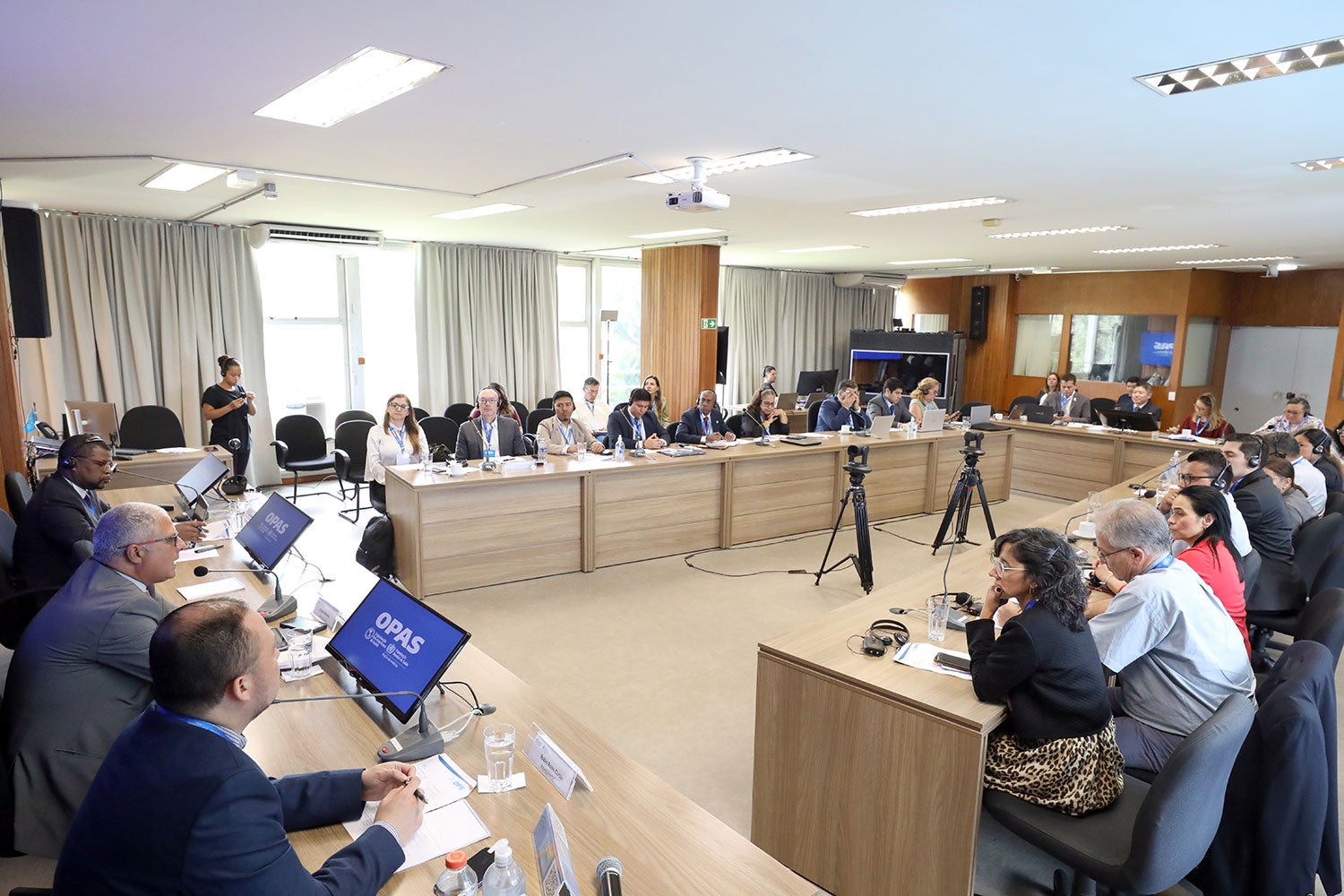
During the event's opening table, the PAHO and World Health Organization (WHO) representative in Brazil, Cristian Morales, emphasized that the use of unregistered, falsified, and substandard medicines represents a threat to public health and is, therefore, a regional and global priority. "Their free circulation in the market and consumption by the population can cause treatment failures, adverse reactions, an increase in patient morbidity and mortality, and rising costs for the healthcare system," Morales explained. According to the representative, the problem worsens as global supply chains become more complex and e-commerce expands. To address this issue, consolidating partnerships between countries is essential.
Delegates from Argentina, Barbados, Belize, Bolivia, Brazil, Chile, Colombia, Costa Rica, Cuba, Ecuador, El Salvador, Guatemala, Guyana, Jamaica, Mexico, Nicaragua, Panama, Paraguay, the Dominican Republic, Uruguay, and Venezuela are in attendance. The meeting also features the virtual presence of members from the FDA (USA), Health Canada, the United States Pharmacopeia (USP), and Johns Hopkins University.
The Regional Network for the Prevention, Detection, and Response to Substandard and Falsified Medical Products was relaunched in 2015, having previously been known as a Working Group under the Pan American Network for Drug Regulatory Harmonization (PANDRH). Its creation stemmed from the need for a regional mechanism to strengthen countries' regulatory capacity and address the risks associated with these products.
Robin Rojas Cortés, PAHO technical officer for the safe use of pharmaceuticals, vaccines, and biologicals, explained that since 2015, the Regional Network has become a more active group with the participation of delegates from several countries in the Americas, meeting periodically with activities, technical groups, and the publication of guidance documents. According to him, this has had a significant impact on the region's regulatory systems. It is an "important stage to continue collaborating, exchanging best practices, strategies, and lessons learned, regardless of the diversity that characterizes our region, with a regulatory landscape ranging from very small countries, such as the Caribbean islands, to enormous countries like the one we are in now," he pointed out.
“We face the challenge of protecting our population's health. Part of that challenge involves ensuring that the products offered to them are safe and effective; however, falsification and substandard products are certainly a problem so complex that they cannot be addressed in isolation by regulatory authorities,” underlined Leandro Rodrigues, Assistant Director of the Fourth Directorate of the National Health Surveillance Agency (Anvisa). “We need a mechanism, the effort of all institutions, to continue advancing on this issue,” he added.
Rutendo Kuwana, head of the WHO Surveillance and Control team, highlighted the Regional Network's importance at a global level. “I must say that this network, in this region, is the top performer among all regions. We learn a lot from it and share that experience with others.” During the meeting, Kuwana will highlight new developments occurring at the WHO, “particularly the fact that we now have a new guideline on market surveillance and control. It will be published in May,” he announced.
Regional Situation
The circulation of substandard, falsified, and unregistered medical products poses a serious threat to public health and constitutes a regulatory priority both regionally and globally. This issue involves a high risk of adverse outcomes for patients while compromising the credibility of health systems. To face this challenge, national regulatory authorities have developed market surveillance and control strategies aimed at strengthening the integrity of supply chains.
The Regional Network has played a fundamental role by facilitating the exchange of rapid alerts regarding incidents with potential public health impact, promoting the exchange of best practices and regulatory experiences in post-market surveillance, and fostering technical cooperation among national regulatory agencies to improve early detection and coordinated responses to health threats.