San Salvador, El Salvador. From April 23 to 25, 2025, El Salvador hosted an assessment mission organized by the Global Platform for Access to Childhood Cancer Medicines. The objective of the mission was to evaluate the country’s readiness to implement the Platform, ensuring a sustainable and high-quality supply of pediatric oncology medicines.
The Global Platform for Access to Childhood Cancer Medicines is a global initiative aimed at guaranteeing access to essential cancer medicines for children. It is supported by organizations such as St. Jude Children’s Research Hospital, the World Health Organization (WHO), UNICEF, and the Pan American Health Organization (PAHO).
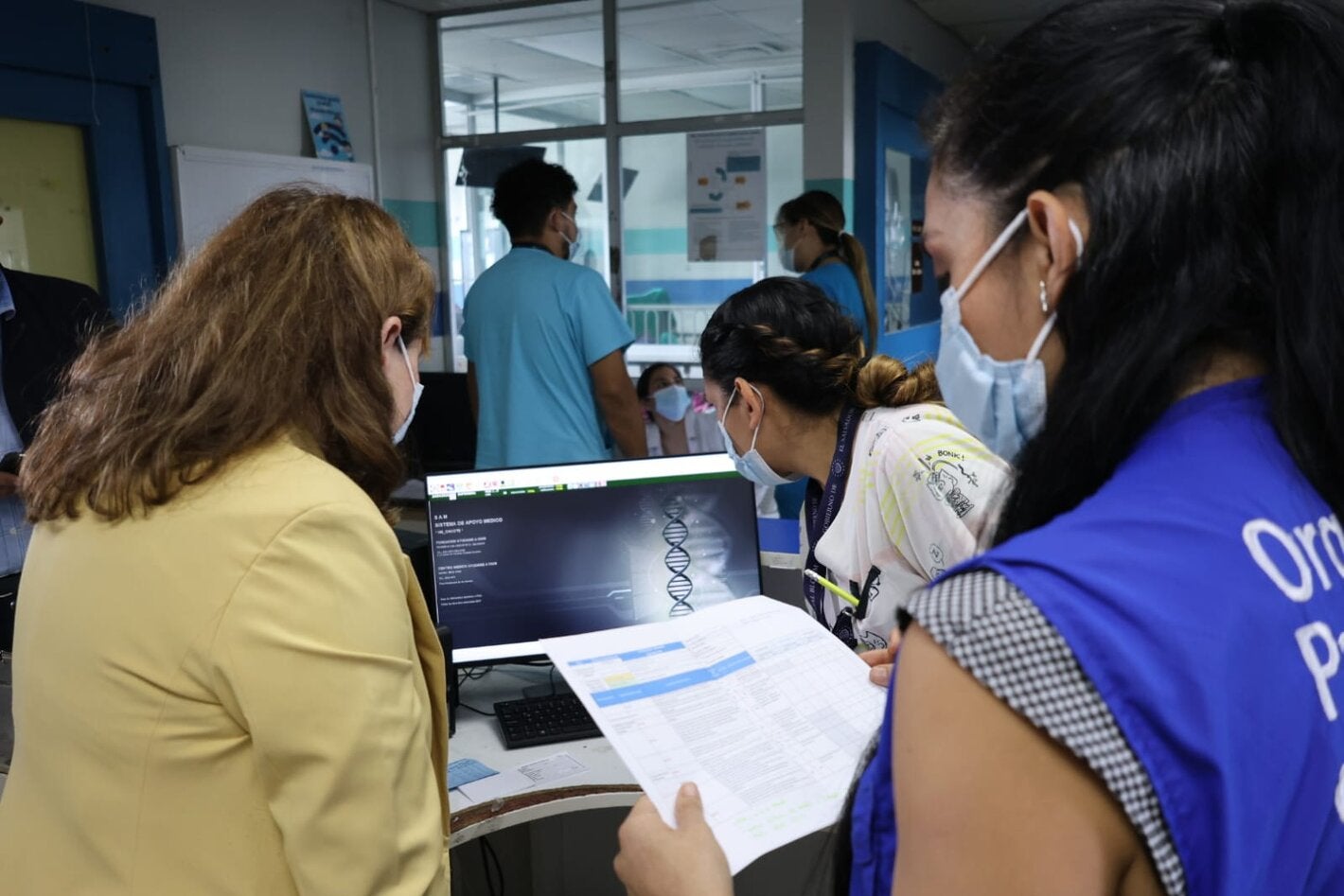
El Salvador was selected to participate in this Platform due to its commitment to public health and the prioritization of childhood cancer on its national agenda. The assessment mission included meetings with local authorities and visits to key hospitals such as the Benjamín Bloom National Children’s Hospital and the Central Hospital (Hospital Rosales), where the teams assessed capacities related to staffing, infrastructure, and medicine procurement processes. Regulatory processes were also discussed, and next steps were outlined for the implementation of medicine donations within the framework of the Global Platform.
“Technical cooperation in El Salvador has gone beyond individual projects, building a strong ecosystem in which the training of health personnel, the strengthening of cancer registries, the development of educational materials for patients and families, and now, mechanisms to facilitate access to medicines and state-of-the-art care protocols are all aligned with a long-term vision,” stated Dr. Marcelo Korc, PAHO/WHO Representative in El Salvador.
Key topics addressed during the mission included governance and management of the Platform, minimum standards for medicine reception and handling, and the quantification and procurement process. The role of civil society in supporting pediatric cancer patients was also highlighted, as was the importance of collaboration among various stakeholders to ensure successful implementation.
This joint effort not only strengthens El Salvador’s health infrastructure but also sets a model of regional cooperation that could be extended to other countries, thereby improving access to quality treatments for children affected by cancer.