The voices of Lenca and Garifuna communities are helping shape a new approach to maternal health communication in Latin America.
La Ceiba, june 25 2026 (PAHO/WHO). In Yamaranguila and La Ceiba, community leaders and health promoters took part in an innovative co-creation process to adapt and validate a flipchart on Immediate Post-Obstetric Event Contraception (IPOEC), incorporating local knowledge, lived experiences, and culturally relevant references.
This pioneering experience makes Honduras the first country in the Region to apply this methodology, which will subsequently be replicated in other Indigenous contexts across Latin America. Rosa Marlen Flores, Head of the Comprehensive Care Program at the Ministry of Health expressed her appreciation for PAHO’s ongoing technical cooperation with the Ministry, noting that this support, together with other initiatives, has contributed to the reduction of maternal mortality.
The initiative, led by the Ministry of Health and the Pan American Health Organization (PAHO/WHO), with funding from the Government of Canada and MSD for Mothers and technical support from Pro Mujer, seeks to strengthen access to sexual and reproductive health information and services through culturally relevant materials that resonate with local communities.
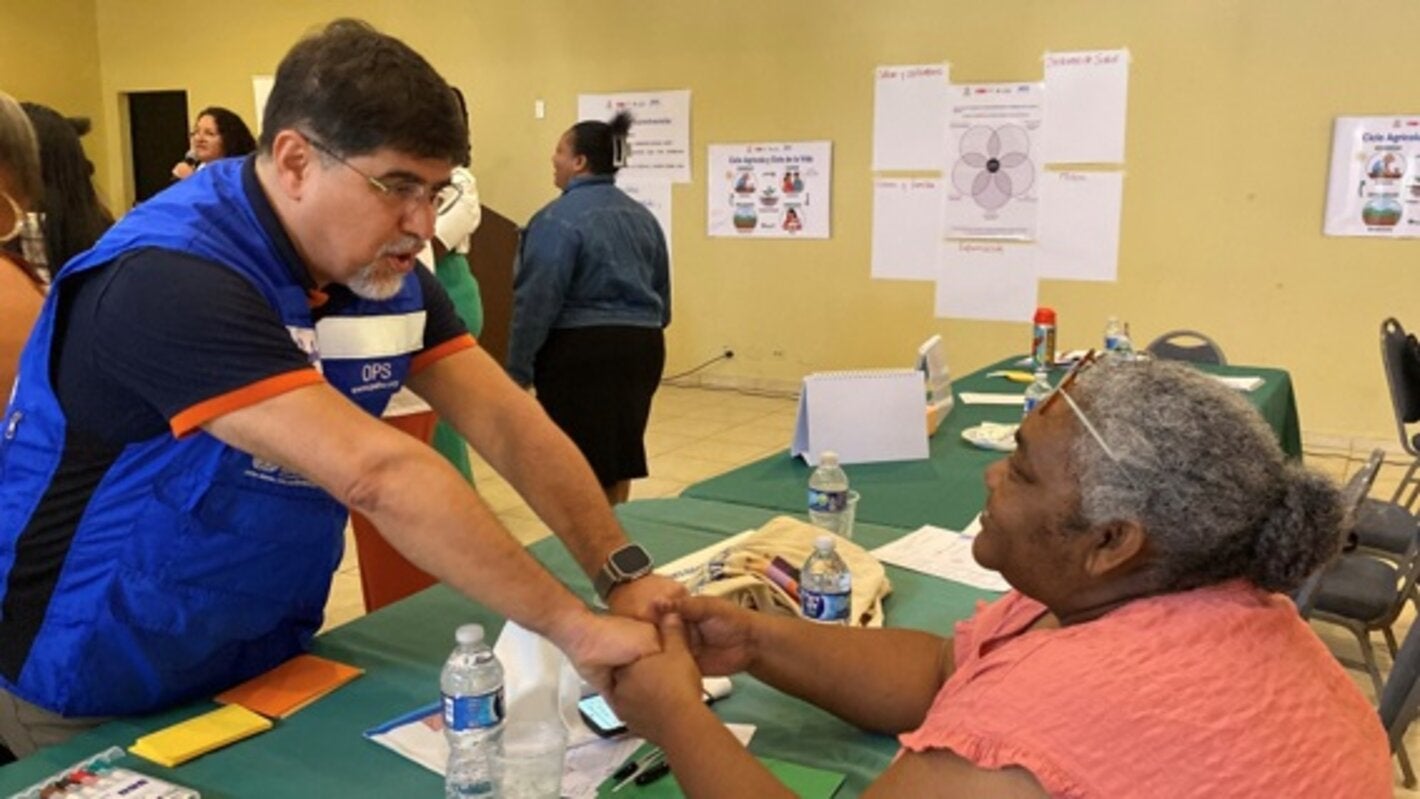
Through the “Voces y Saberes Vivos” workshops, held in Yamaranguila, Intibucá, and La Ceiba, Atlántida, participants from Lenca and Garifuna communities reviewed the existing flipchart, identified barriers to communicating about Immediate Post-Obstetric Event Contraception (IPOEC), and proposed messages, images, and forms of expression that better reflect their realities and cultural contexts.
Immediate Post-Obstetric Event Contraception (IPOEC) is an effective strategy for preventing unintended pregnancies after childbirth. However, its implementation across the Region has traditionally focused on health services and technical training. The pilot developed in Honduras takes a different approach by placing communities at the center of the process, recognizing that local knowledge is essential to ensuring that health information is understood, embraced, and used by the people it is intended to serve.
Dr. Rodolfo Gómez, PAHO Regional Advisor on Sexual and Reproductive Health based in Washington, D.C., emphasized the importance of expanding access to life-saving interventions. “No woman should die while giving life. We know very well which interventions save lives; for example, modern contraception has the potential to reduce maternal deaths by 40%,” he said.
During the workshops, community health promoters, community leaders, and healthcare personnel participated in dialogue, assessment, and collective design sessions. Through participatory activities, they reviewed the existing materials, shared experiences about the challenges women face in accessing reproductive health information, and worked together to adapt the content through an intercultural lens. The result was an enhanced version enriched with the knowledge, language, and cultural references of Lenca and Garifuna communities.
Raquel, a member of a Garifuna community near La Ceiba, received one-on-one counseling from health personnel to address myths and concerns that had prevented her from using a family planning method. “Several people told me that I would gain weight if I used a contraceptive method, and I had concerns about its safety,” she explained. After receiving information and clarification during the workshop, she said, “I’m going to give it a try.”
In addition to strengthening community capacities, this experience is generating valuable lessons for the Region. As the first initiative of its kind in Latin America, Honduras is contributing an innovative and replicable methodology for the co-creation of health education materials with Indigenous and Afro-descendant peoples.
The insights gathered in Yamaranguila and La Ceiba will inform the final adaptation of the IPOEC flipchart and serve as a reference for future initiatives aimed at ensuring that health strategies are more responsive to the cultural realities of communities.