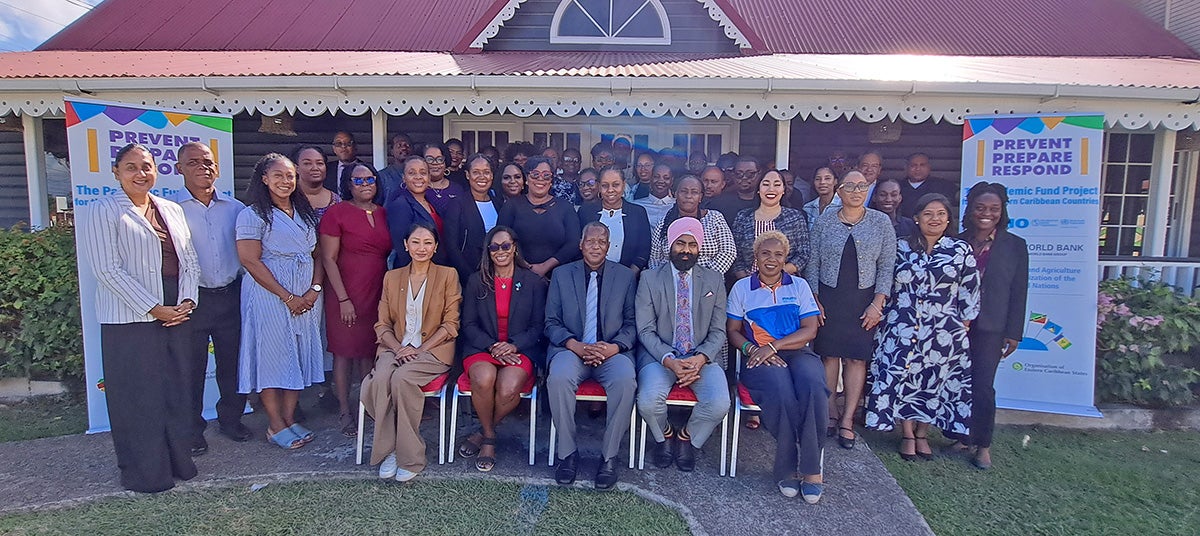
Castries, Saint Lucia, 18 November 2026 (PAHO/WHO) – Health officials and technical experts from across the Eastern Caribbean are meeting in Saint Lucia from 17 to 20 November 2026 to strengthen integrated health surveillance systems and advance coordinated action to detect, monitor and respond to health threats across the subregion.
The four-day Integrated Health Surveillance Workshop, organized by the Pan American Health Organization/World Health Organization (PAHO/WHO), brings together representatives from Antigua and Barbuda, Barbados, Dominica, Grenada, Saint Kitts and Nevis, Saint Lucia, and Saint Vincent and the Grenadines, along with regional and international partners.
The workshop provides an opportunity for countries to assess progress made during 2026, share experiences and identify practical priorities for 2027, with a focus on strengthening the connections between disease surveillance, laboratory services and health information systems.
Eastern Caribbean countries face a complex range of health challenges, including communicable and noncommunicable diseases, emerging infectious diseases and the growing impacts of climate change. The COVID-19 pandemic further highlighted the importance of strong surveillance systems capable of detecting health threats early, supporting timely decision-making and guiding effective public health responses.
Speaking at the opening ceremony on behalf of Saint Lucia's Chief Medical Officer, Dr. Sharon Belmar-George, Medical Officer of Health Dr. Glensford Joseph emphasized that effective surveillance requires collaboration beyond the traditional boundaries of the health sector.
"Our disease surveillance system, laboratories, and information technology across sectors must work together ensuring that information flows seamlessly and reach the right people in time to inform public health actions," he stated.
Dr. Joseph also highlighted the importance of engaging sectors such as tourism, education, ports of entry and communities in identifying and reporting potential public health threats.
Dr. Eva Jané Llopis, PAHO/WHO Representative for Barbados and the Eastern Caribbean Countries, reinforced the need for a more coordinated approach, particularly given the limited human and financial resources available to small island states.
"Systems built separately for each disease, each with its own forms, reports and software, put a heavy load on those same few people. That load does not make us safer," she stated.
The Representative explained that the workshop builds on several years of collaboration with countries to develop surveillance approaches that respond to their specific needs and realities.
Building on progress and sharing practical solutions
The workshop forms part of ongoing efforts supported by the Pandemic Fund Project, Strengthening Prevention, Preparedness and Response to Emerging Health Threats in the Eastern Caribbean, which is helping countries improve surveillance, laboratory capacity, human resources and preparedness for future health emergencies.
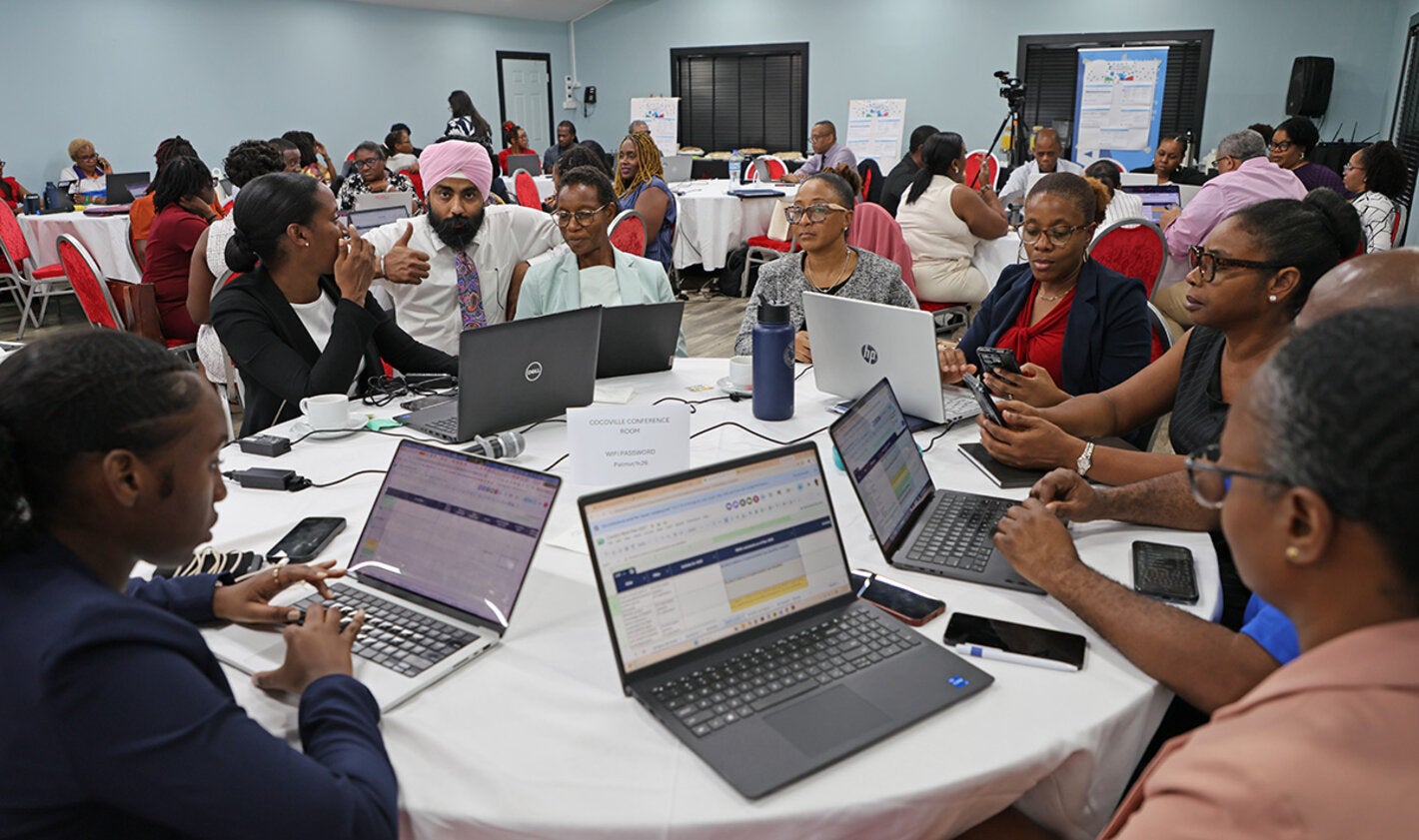
Throughout the workshop, participants are examining progress in several areas, including communicable and noncommunicable disease surveillance, event-based surveillance, laboratory networks, antimicrobial resistance, cancer registries and digital health information systems.
Countries are also sharing practical experiences and innovations, including Grenada's integrated surveillance guidelines, Saint Lucia's event-based surveillance system, and initiatives to improve the collection, analysis and exchange of health data.
Discussions are exploring how stronger connections between laboratory and health information systems can improve disease reporting, support earlier detection of outbreaks and enable health authorities to respond more effectively to emerging threats.
The workshop also incorporates a One Health perspective, recognizing the links between human, animal and environmental health and the importance of collaboration across sectors in preventing and responding to health threats.
Turning progress into action for 2027
A central focus of the workshop is moving beyond discussions to concrete actions that countries can implement in the coming year.
Working in multidisciplinary teams, country delegations are reviewing their 2026 achievements and challenges and developing integrated surveillance plans for 2027. These plans will identify priority activities, responsible focal points and implementation timelines.
Participants will also identify opportunities for greater regional collaboration, including activities that can be undertaken collectively rather than duplicated across individual countries.
By the conclusion of the workshop, countries and regional partners are expected to agree on priority actions and a follow-up calendar for the first quarter of 2027, supporting continued progress towards stronger, more connected and resilient public health surveillance systems across the Eastern Caribbean.
The workshop brings together the PAHO/WHO Office for Barbados and the Eastern Caribbean Countries, the Organisation of Eastern Caribbean States (OECS) Secretariat, the Caribbean Public Health Agency (CARPHA), and other technical and development partners, including the Food and Agriculture Organization of the United Nations (FAO) and the World Bank.