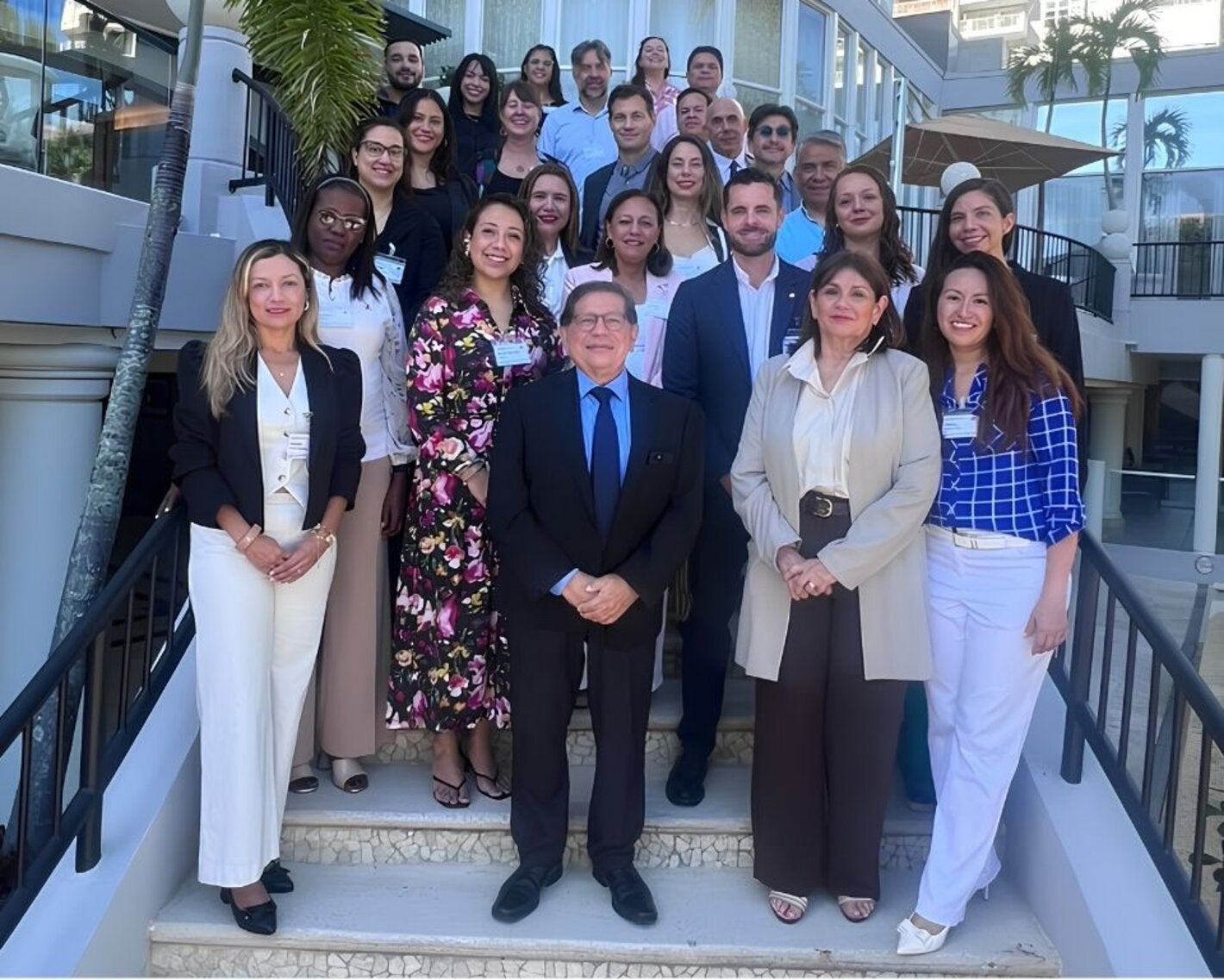
San Juan, Puerto Rico, October 22, 2026 (PAHO) – Experts from countries and technical partners across the Americas met in San Juan, Puerto Rico, from October 20 to 22 to discuss how to detect emerging respiratory viruses earlier. Their input will inform the technical guidance on event-based surveillance (EBS) for the early detection of emerging respiratory viruses that the Pan American Health Organization (PAHO) is developing and will help ensure that it is practical and applicable across the diverse contexts of the Region.
The EBS captures signals of unusual events in humans and animals from health facilities, communities, the media and other sources. For respiratory viruses with pandemic potential, timely detection must be coupled with immediate signal sharing and joint verification and risk assessment by human and animal health authorities under a One Health approach. This is what enables a rapid, coordinated response. The sessions were led by specialists from PAHO, the U.S. Centers for Disease Control and Prevention (CDC) and the University of California, San Francisco (UCSF), with the participation of experts from Brazil, Canada, Colombia, Ecuador, El Salvador, Guatemala, Mexico, Panama, Paraguay, Puerto Rico, and Saint Lucia.
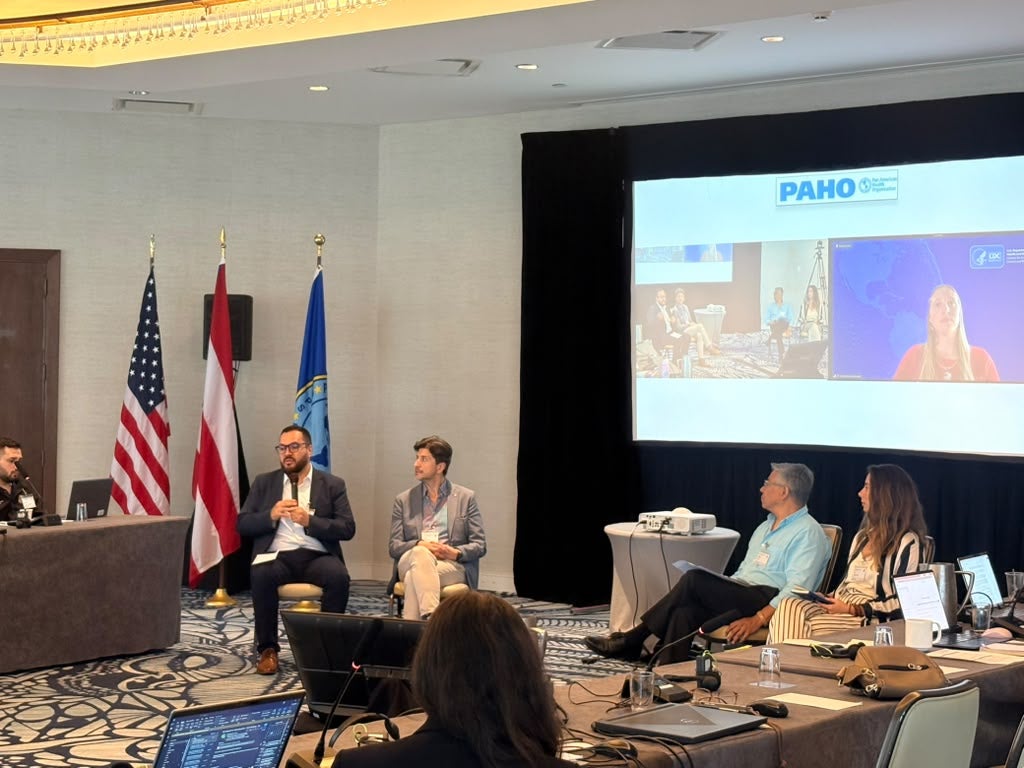
Over three days, experts reviewed and discussed the key recommendations of the guidance, including surveillance objectives, the types of respiratory events that detection systems should identify, the signals that point to those events, and the triage and verification steps that follow. The first day set the framework. Sessions covered emerging and re-emerging respiratory viruses and pandemic risk, the Mosaic framework, the fundamental concepts of EBS, key terminology and the path from a signal to an alert.
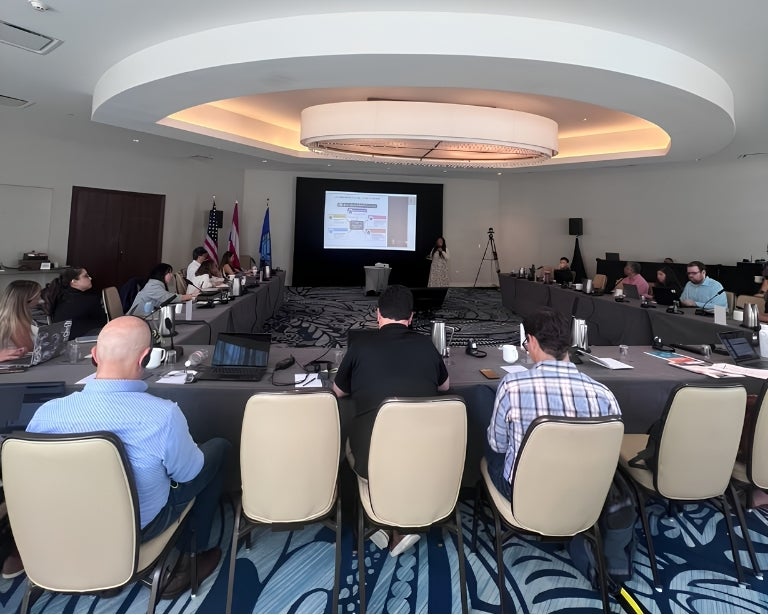
The second day focused on signals and EBS strategies. Attendees reviewed country examples of how the first information about an event arrived, and discussed EBS strategies based on health facilities, communities and the media. On the third day, country experiences with risk assessment and electronic tools grounded the discussion in real practice. The group also worked on moving from guidance to implementation, with the goal of identifying system requirements and the conditions needed to apply the recommendations in different national settings.
With the discussions concluded, the guidance now moves into its final stages of revision ahead of publication. Once published, it will support countries in the Americas in detecting emerging respiratory viruses earlier, verifying signals consistently and assessing risk with shared criteria, contributing to regional preparedness for pandemics and other health emergencies.