Guatemala City, April 2026 — Guatemala is strengthening health decision-making through the implementation of the International Classification of Diseases, 11th Revision (ICD-11), as part of a strategic process to advance the digital transformation of its health information systems. This takes place in a context where data quality is essential to guide public policies, reduce inequities, and respond in a timely manner to health challenges.
“The implementation of ICD-11 represents a strategic opportunity to strengthen health decision-making and move toward more equitable and resilient systems,” said Alma Morales, PAHO/WHO Representative in Guatemala.
This process, led within the framework of the Sectoral Coordination Office for Statistics (OCSE)—which brings together the Ministry of Public Health and Social Assistance (MSPAS), the National Institute of Statistics (INE), the National Registry of Persons (RENAP), the Guatemalan Social Security Institute (IGSS), and the National Institute of Forensic Sciences (INACIF)—with technical cooperation from the Pan American Health Organization/World Health Organization (PAHO/WHO) and the collaboration of Bloomberg Philanthropies through its Data for Health (D4H) Initiative, reflects a coordinated national effort to modernize the vital statistics system.
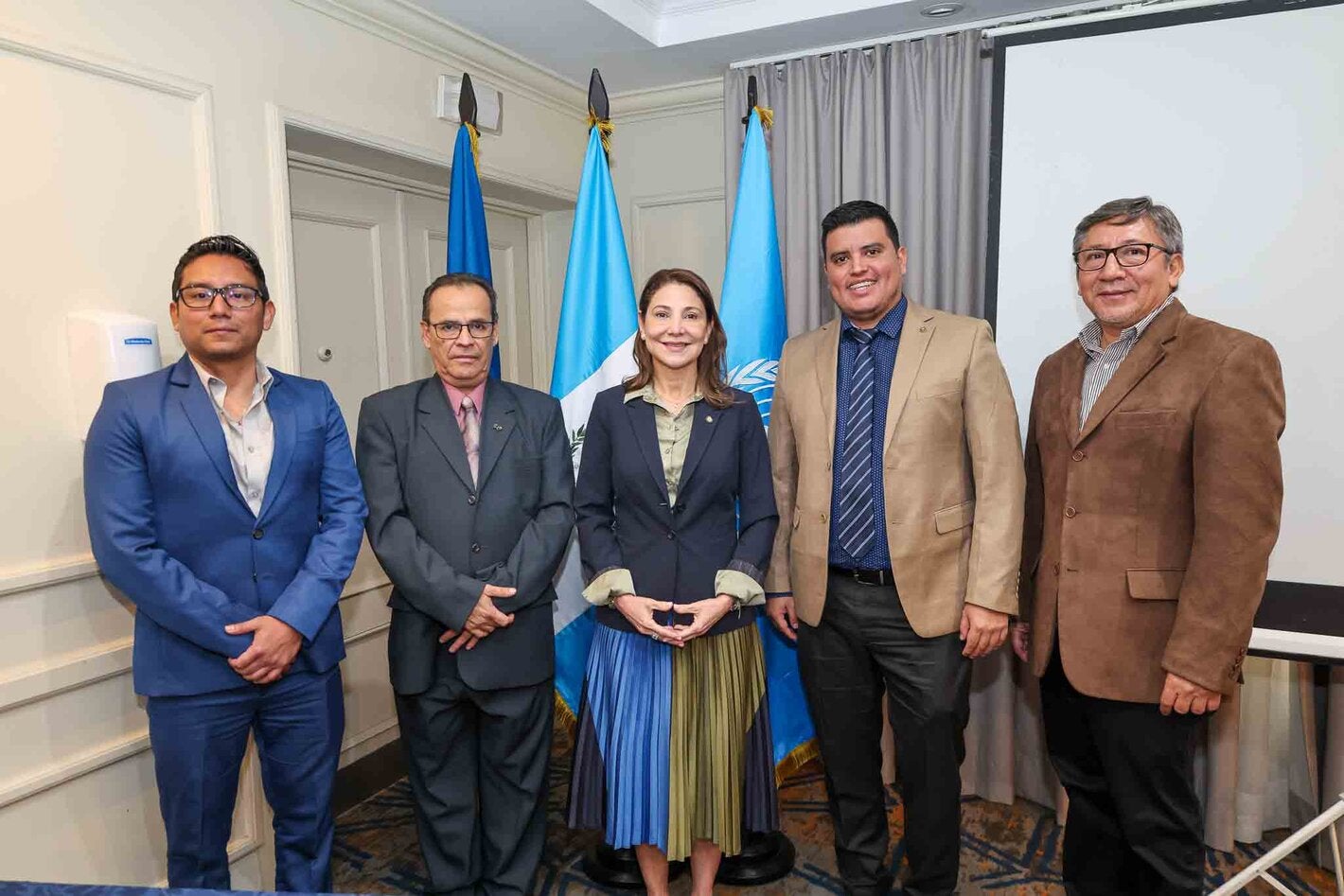
In this context, the National Workshop for the implementation of ICD-11 enables a comprehensive assessment of current capacities and the definition of a roadmap for a gradual and sustainable transition.
The adoption of ICD-11 will improve the accuracy of disease classification, ensure international comparability of data, and support the development of interoperable systems that facilitate real-time information exchange, strengthening health surveillance and evidence-based decision-making.
“This activity is part of a broader digital transformation process in the country and marks the beginning of a roadmap that will be implemented over the coming years,” said Dr. Daniel Vargas, advisor to the Communicable Diseases and Disease Elimination Unit of PAHO/WHO in Guatemala.
PAHO/WHO reaffirms its commitment to continue supporting Guatemala in this process by promoting technical cooperation, capacity-building, and the exchange of regional experiences, with the aim of strengthening the quality of vital statistics and advancing toward a more equitable, resilient, and people-centered health system.