Roseau, Dominica 18 May 2026 (PAHO) - With the technical support of the Pan American Health Organization (PAHO), Dominica has taken a significant step toward strengthening its surveillance of Severe Acute Respiratory Infections (SARI), following a targeted training mission aimed at expanding the use of the District Health Information Software 2 (DHIS2) open-source digital health platform. The training was conducted under the Pandemic Fund project for Eastern Caribbean Countries, reinforcing national capacity to monitor and respond more effectively to public health threats.
The initiative follows a February 2025 assessment conducted by PAHO, which evaluated the country’s readiness to implement SARI sentinel surveillance which monitors severe respiratory diseases like influenza, by collecting and testing samples from hospitalized patients at selected health facilities. Among the key challenges identified were the absence of clear roles and responsibilities, inconsistent use of the system, and continued reliance on paper-based data.
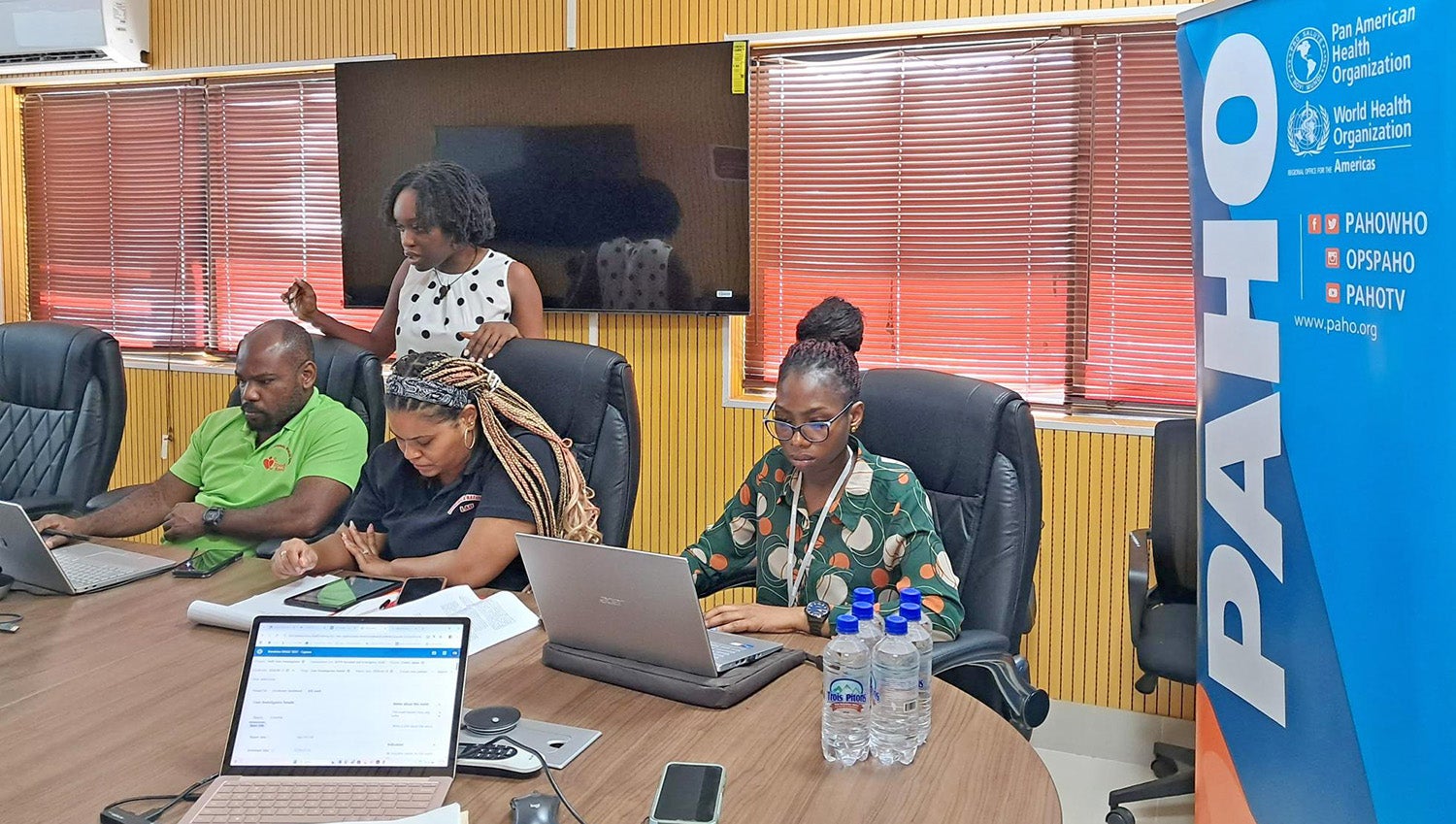
In response, a follow-up mission led by International PAHO Consultant Dr. Chanda Mwansa was conducted from May 11–15, 2026, providing an intensive, hands-on trainer of trainers exercise to strengthen system adoption and integration of DHIS2.
The training targeted a group of over 25 stakeholders, including data entry clerks, clinicians, laboratory personnel, and Health Information Unit staff. Participants gained practical skills through hands-on training including on identified Wards at the Dominica China Friendship Hospital (DCFH). They learned to enroll, update, and close SARI cases in DHIS2, in real time, as well as to analyze and report surveillance data.
Physician on the Glover Ward of the DCFH, Dr. Michael Faddoul, spoke of the benefit of the training. “The surveillance will help lessen the load for epidemiology as long as we have the necessary tools and resources to improve patient care and outcomes if patients get readmitted, we can always look back to see what has happened, what came back positive at that time of admission."
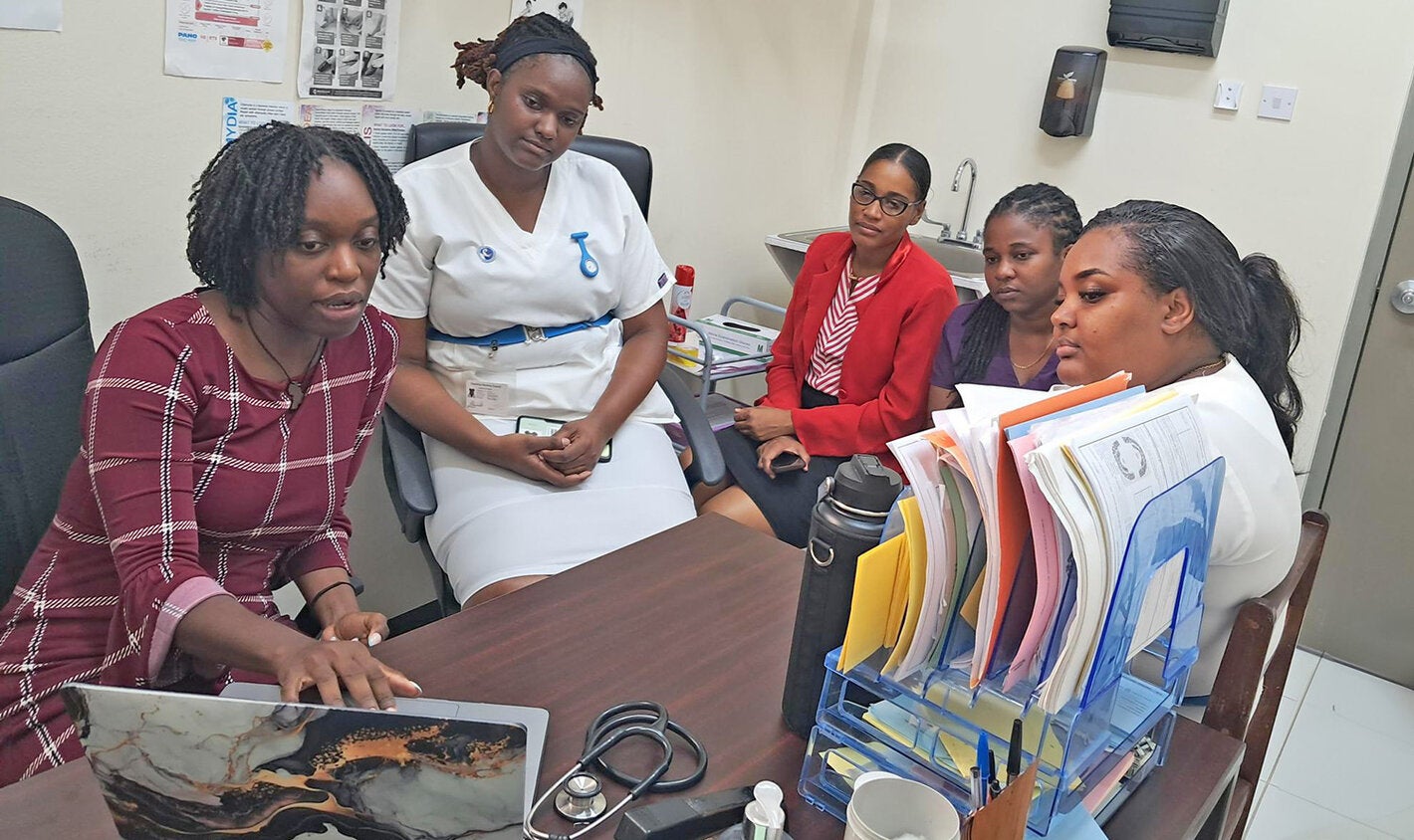
In addition to SARI surveillance, syndromic surveillance training utilizing the DHIS-2 platform was also conducted. Syndromic surveillance involves the near real-time use of health data to detect public health threats early by tracking patterns of symptoms rather than relying on confirmed laboratory diagnoses. Over 20 healthcare workers were trained at various health centres in the Roseau, Grandbay, St. Joseph and Portsmouth Health Districts.
In sharing her perspective on the training, District Medical Officer Dr. Verna Alred stated, “the DHIS2 training was very informative. It showed us ways in which you can actually collect data and recognize trends as it happens in the district and in the world by extension.”
Real time data entry for SARI and syndromic surveillance not only allows for more timely intervention of public health measures but more efficient use of human resources through reduced duplication efforts in data collection processes. These initiatives align with broader regional and global efforts to strengthen health security and early detection of respiratory threats, particularly in the context of emerging infectious diseases.