PAHO urges countries to close immunization gaps and strengthen surveillance to protect the Region from imported poliovirus
Washington, D.C., 23 October 2026 (PAHO) – The Americas mark 35 years without a case of polio caused by wild poliovirus this World Polio Day, but vaccination coverage remains below the 95% target recommended by the Pan American Health Organization (PAHO), leaving the Region vulnerable to the reintroduction of the virus.
In 2025, vaccination coverage continued to recover from declines during the COVID-19 pandemic, but remained below the recommended target for all three doses of inactivated polio vaccine (IPV). Some 91% of children received their first dose, up from 86% in 2024; 89% received their second dose, compared with 87% the previous year; and 87% received their third dose, up from 85% in 2024 and 80% in 2021.
“The elimination of wild poliovirus from the Americas is one of the Region’s greatest public health achievements, but we cannot take it for granted,” said PAHO Director Dr. Jarbas Barbosa. “As long as poliovirus circulates elsewhere, the risk of importation remains. Maintaining high vaccination coverage and strong surveillance is essential to protect children and prevent the virus from regaining a foothold.”
In 1975, nearly 6,000 polio cases were reported in the Americas. The last case of wild poliovirus in the Americas was recorded on 23 August 1991 in Peru, in an unvaccinated two-year-old child who developed irreversible paralysis. In 1994, the Americas became the first region in the world to be certified free of wild poliovirus transmission.
This achievement followed decades of sustained immunization efforts across the Region, supported by strong surveillance and cooperation among countries. Mass vaccination campaigns and expanded access to routine immunization helped interrupt transmission, demonstrating the impact of coordinated public health action.
Detecting and preventing imported cases
Although the Region has been free of wild poliovirus for 35 years, the virus could still be imported from countries where it continues to circulate. In communities with low vaccination coverage, it could spread and cause outbreaks.
Today, endemic transmission of wild poliovirus continues in Afghanistan and Pakistan. According to the Global Polio Eradication Initiative (GPEI), 48 cases of wild poliovirus had been reported globally in 2026 as of 20 October, 42 in Afghanistan and six in Pakistan.
The Region’s ability to detect possible polio cases quickly also needs strengthening. Health authorities monitor cases of acute flaccid paralysis (AFP), a sudden loss of muscle strength that can have many causes but is also a key warning sign for polio. Each case is investigated to rule out poliovirus.
Over the past year, countries in the Americas reported 0.85 AFP cases per 100,000 children under 15, below the surveillance target of at least 1 case per 100,000. Reaching this target helps demonstrate that surveillance systems are sensitive enough to detect and investigate potential cases of polio.
Polio is a highly contagious disease that mainly affects children under five. The virus can invade the nervous system and cause irreversible paralysis within days. Among those who develop paralysis, 5%–10% die when their breathing muscles become immobilized. There is no cure, but vaccination can prevent the disease.
A global effort that must continue
The Americas’ achievement is part of a global effort to eradicate polio. In 1988, the World Health Assembly launched the Global Polio Eradication Initiative (GPEI), when an estimated 350,000 children were paralyzed by the disease each year in more than 125 countries.
Since then, polio cases have fallen by 99.9%. An estimated 20 million people are walking today who would otherwise have been paralyzed, and more than 1.5 million lives have been saved.
These gains demonstrate what sustained vaccination and international cooperation can achieve. But as long as poliovirus transmission continues anywhere in the world, every country remains at risk. Without eradication, polio could resurge and cause up to 200,000 new cases annually within a decade, according to the World Health Organization (WHO).
Protecting the Americas’ achievement
PAHO works with countries to strengthen routine immunization, improve surveillance and ensure health systems can rapidly detect and respond to suspected polio cases. Maintaining high and equitable vaccination coverage is essential to prevent imported poliovirus from spreading and to protect the Region’s polio-free status.
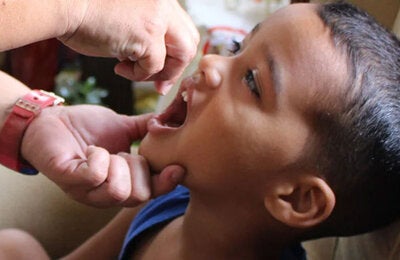
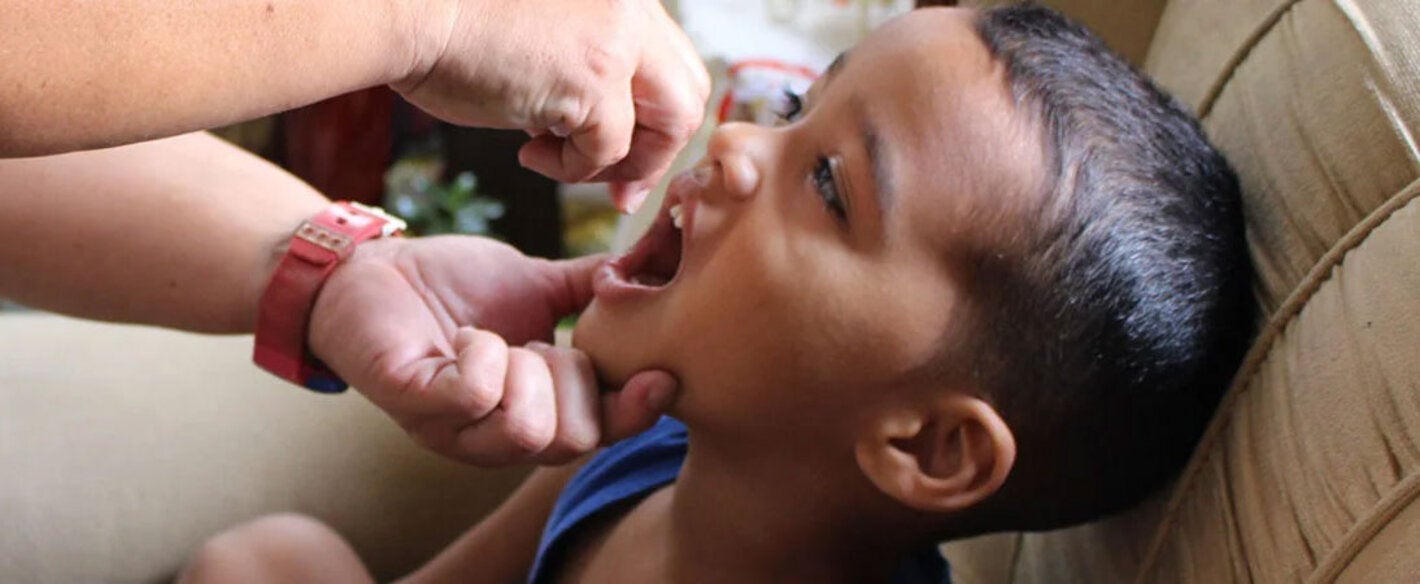
On World Polio Day, October 24, PAHO urges parents and caregivers to check that children are up to date with their polio vaccinations and to complete any missed doses. Ensuring every child receives the recommended vaccines will help protect the Americas’ achievement and bring the world closer to eradicating polio.