Asunción, Paraguay, 23 July 2026 (PAHO/WHO) - The Ministry of Public Health and Social Welfare (MSPBS), through its National Eye Health Program (PNSO), presented the executive report of results from the country’s third Rapid Assessment of Avoidable Blindness (RAAB). Paraguay is the only country in the Region of the Americas to have conducted three national eye health assessments at approximately 10-year intervals. This follow-up makes it possible to monitor trends in blindness and visual impairment and guide the development of public health policies based on scientific evidence.
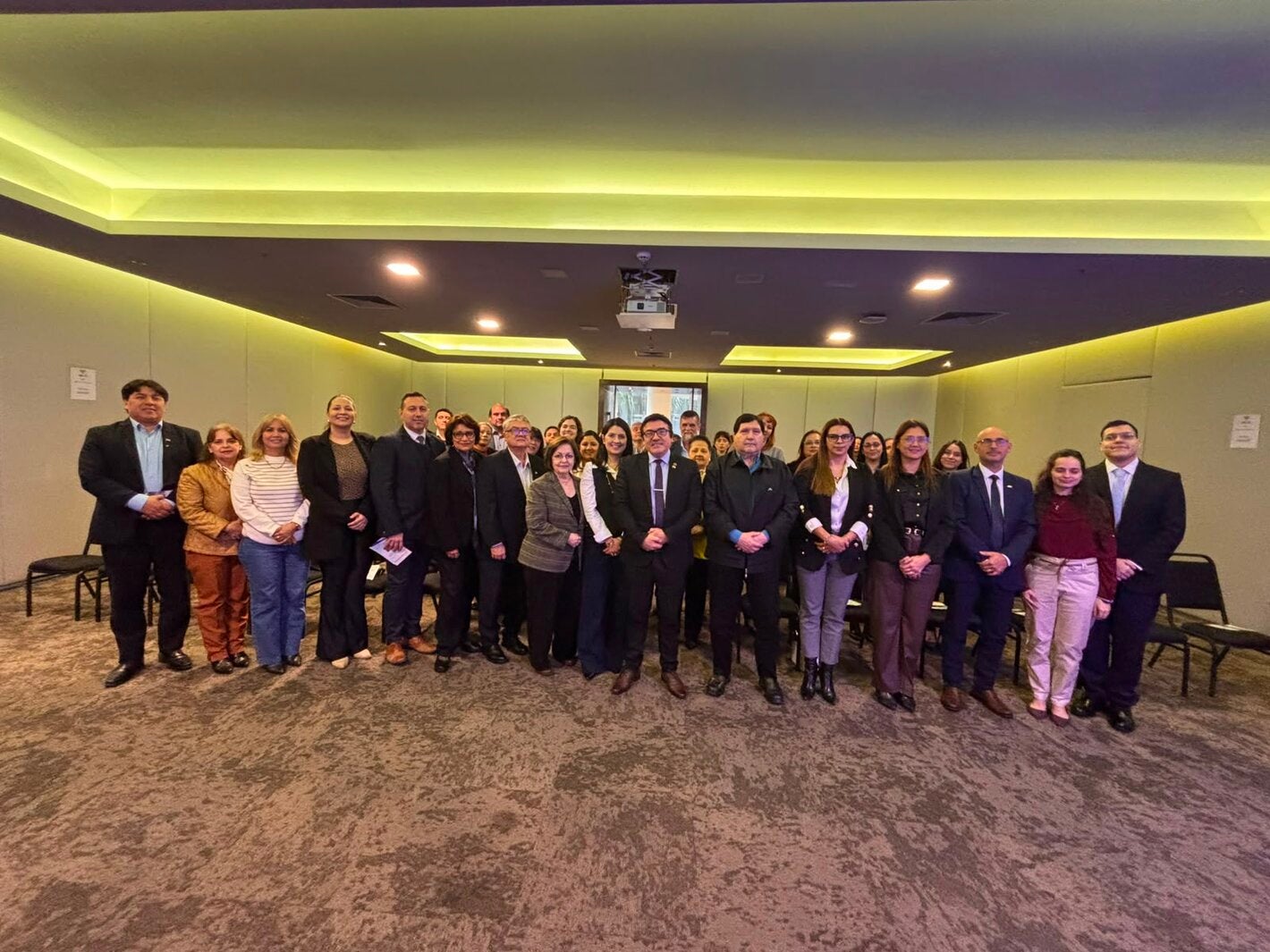
The results were presented in the presence of MSPBS directors, representatives of the Pan American Health Organization/World Health Organization (PAHO/WHO), the National Vision Committee of Paraguay (CONAVIP), academic institutions, scientific societies, and civil society organizations working in eye health, including Fundación Visión and the Lions Club.
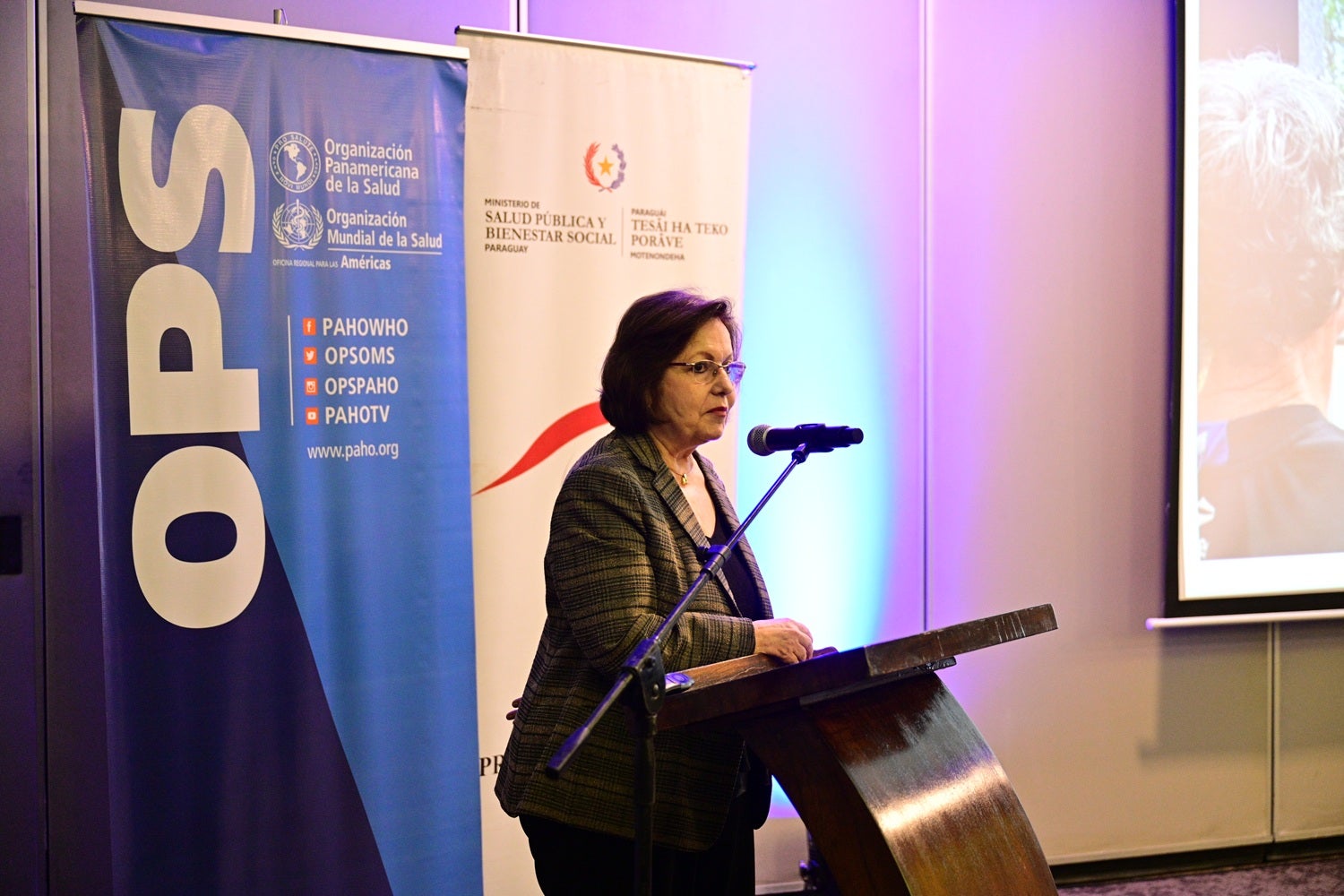
Dr. Miriam Cano, President of CONAVIP, welcomed this important progress for the country and highlighted the value of coordinated efforts to generate information that can guide concrete actions to address the population’s needs.
Dr. Sofía Maldonado, Director of the National Eye Health Program, presented the main findings and emphasized that this third assessment represents a milestone for Paraguay, providing a solid scientific basis for estimating the prevalence of blindness and visual impairment—mild, moderate and severe—as well as their leading causes among people aged 50 and older.
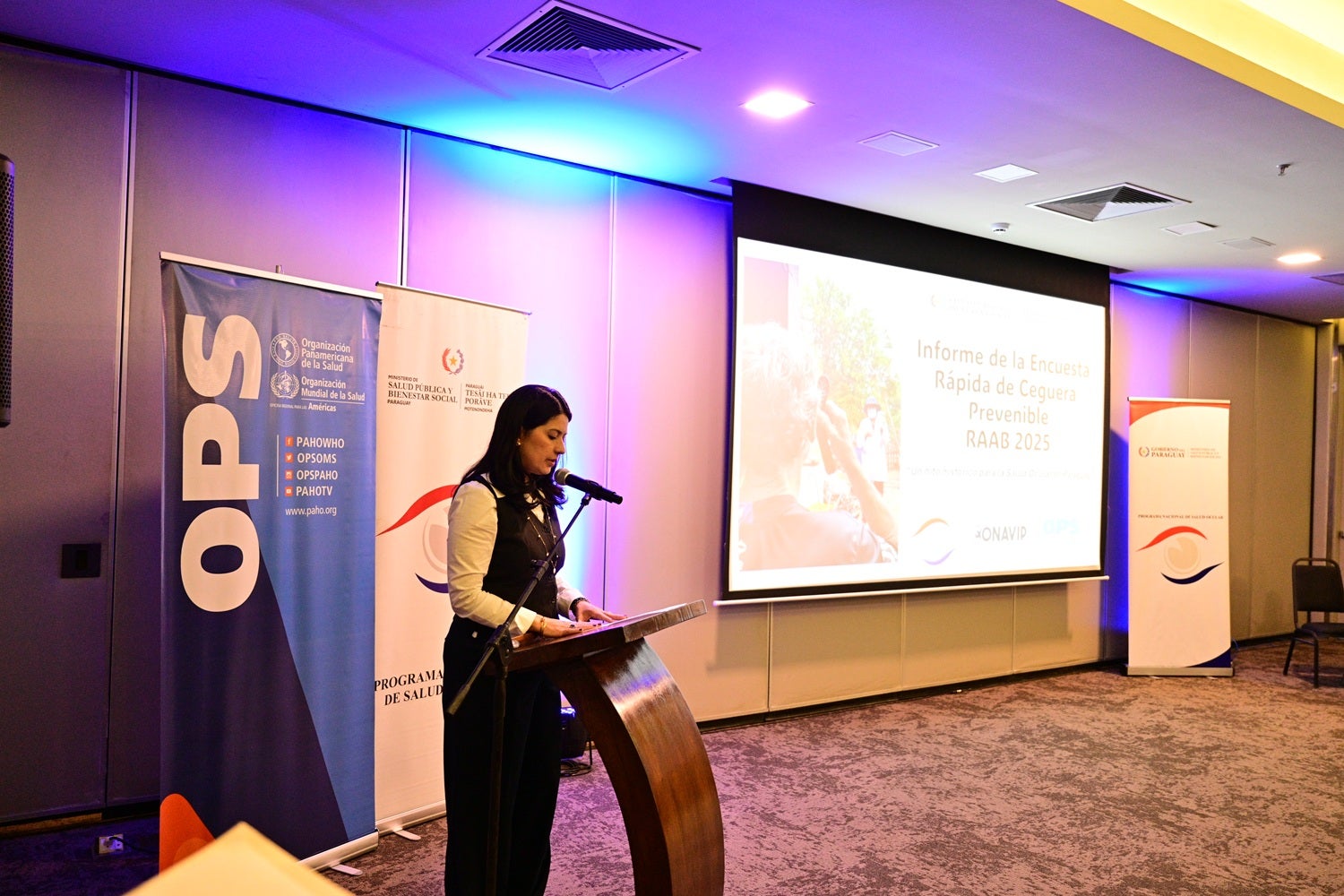
She explained that the survey was led by the MSPBS, with support from the National Vision Committee, technical cooperation from PAHO/WHO, and methodological supervision by Dr. João Furtado, PAHO International Consultant on Eye Health and RAAB surveys.
Fieldwork was conducted between 2024 and 2025 across 16 departments and Asunción. A total of 111 clusters in 48 locations were surveyed by three assessment teams comprising ophthalmologists, medical technicians, social workers and logistics coordinators.
Among the key findings, the survey confirmed that cataract remains the leading cause of blindness and visual impairment, accounting for 56.7% of cases, followed by glaucoma and diabetic retinopathy. The data estimate that approximately 308,000 people in Paraguay are living with some degree of visual impairment, including more than 27,000 people who are blind. These findings underscore the importance of strengthening timely access to diagnosis and treatment for preventable and treatable eye conditions.
Key data to strengthen public health policies
Speaking on behalf of the Minister of Public Health and Social Welfare, Dr. María Teresa Barán, Dr. Gustavo Ortiz, Director General of Health Services and Networks Development, highlighted the survey results as a strategic tool for evidence-based decision-making.
“The findings will help strengthen the National Eye Health Plan with new strategies centered on primary health care, prioritizing prevention, timely diagnosis and equitable access to services, particularly for the most vulnerable populations, through coordinated work across institutions and sectors,” he said.
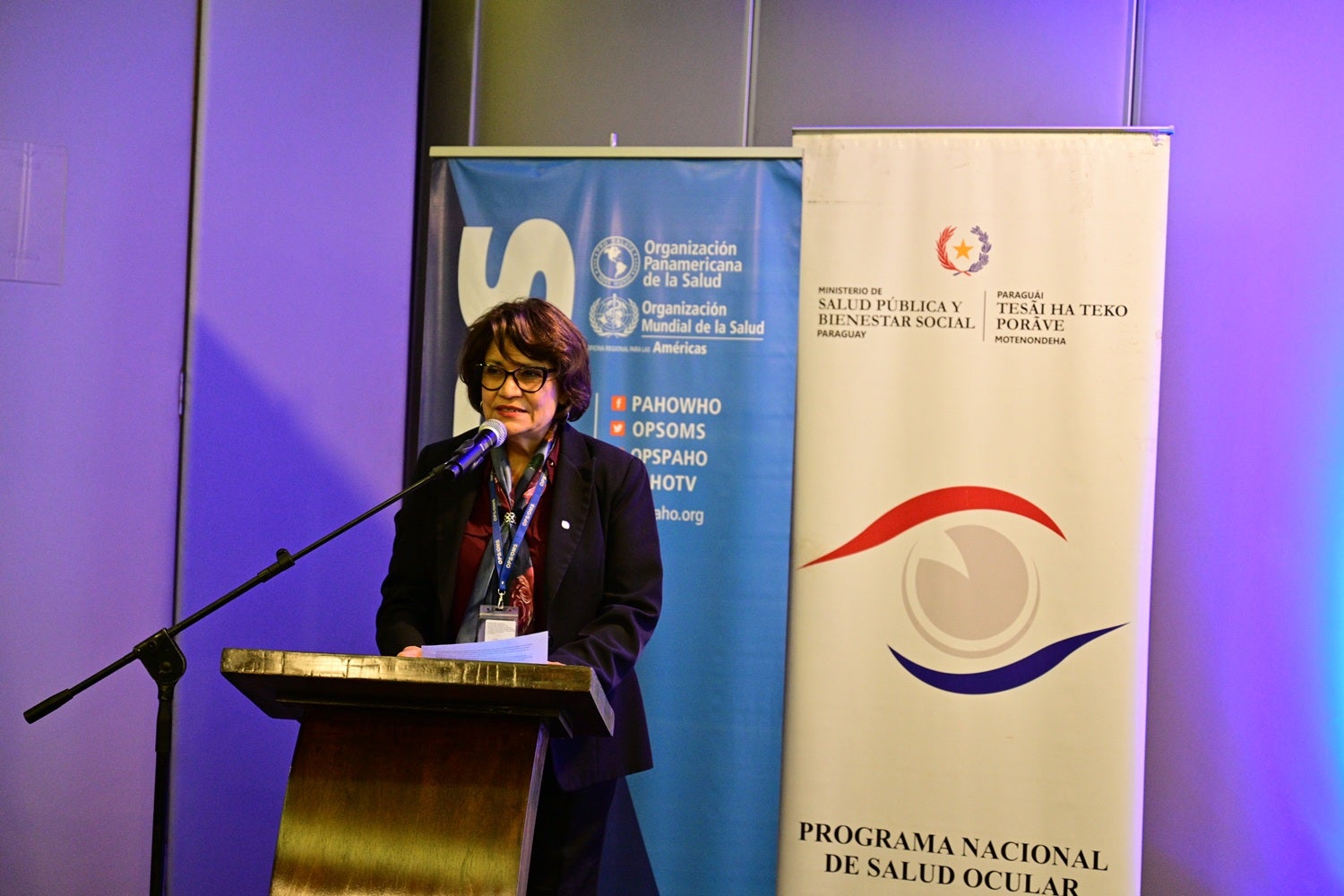
PAHO/WHO Representative a.i. in Paraguay, Dr. Haydee Padilla, described the survey as a “qualitative leap” for the country and recognized the Ministry of Health’s leadership in advancing a process grounded in scientific evidence and broad collaboration among key stakeholders.
She emphasized that eye health is an essential component of health, development and quality of life, and that reliable, up-to-date information will help better guide public policies, reduce inequalities and strengthen health system stewardship. She also recognized the commitment of the National Vision Committee, Fundación Visión, Dr. João Furtado, and all the technical teams and institutions that made the survey possible.
The RAAB results provide a strategic tool to strengthen the planning of eye health services, guide cost-effective interventions, and advance more equitable access to eye care, in line with the Ministry of Health’s commitment and PAHO/WHO’s technical cooperation to improve the health and quality of life of the Paraguayan population.
Paraguay also advances toward trachoma elimination
The Director of the National Eye Health Program also reported that Paraguay is advancing in the process toward validation of the elimination of trachoma as a public health problem. This recognition would represent a significant milestone for the country, given that trachoma is a bacterial infection that can cause blindness and primarily affects people living in poverty in rural areas.
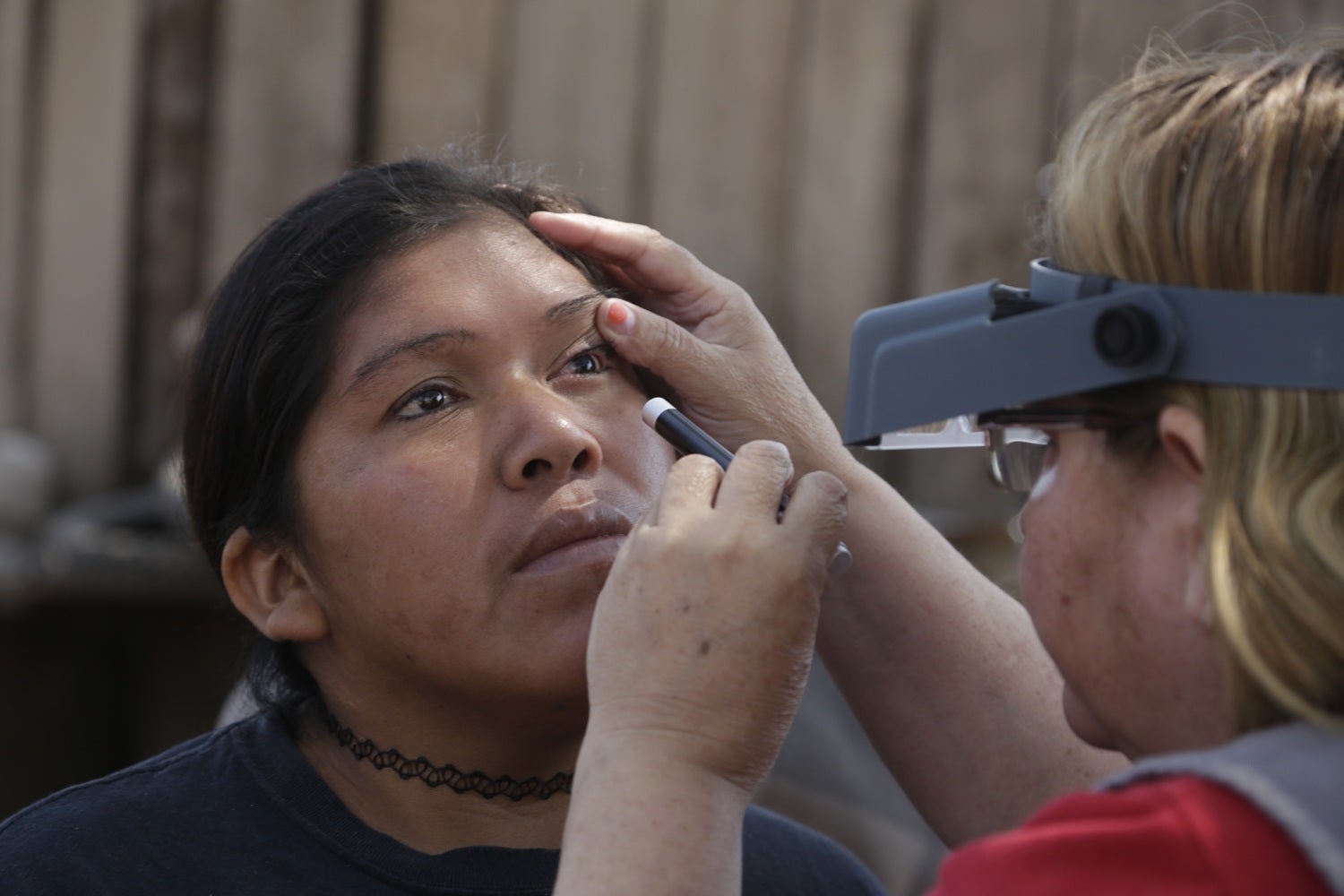
“All technical evidence has already been submitted to PAHO/WHO, and a World Health Organization (WHO) validation mission is expected to take place in August as part of the process,” Dr. Maldonado explained.
Elimination of trachoma as a public health problem is a priority in the Americas and is part of PAHO’s Disease Elimination Initiative, which aims to eliminate more than 30 communicable diseases and related conditions in the Americas by 2030 and is coordinated by the Department of Communicable Diseases Prevention, Control and Elimination (CDE).