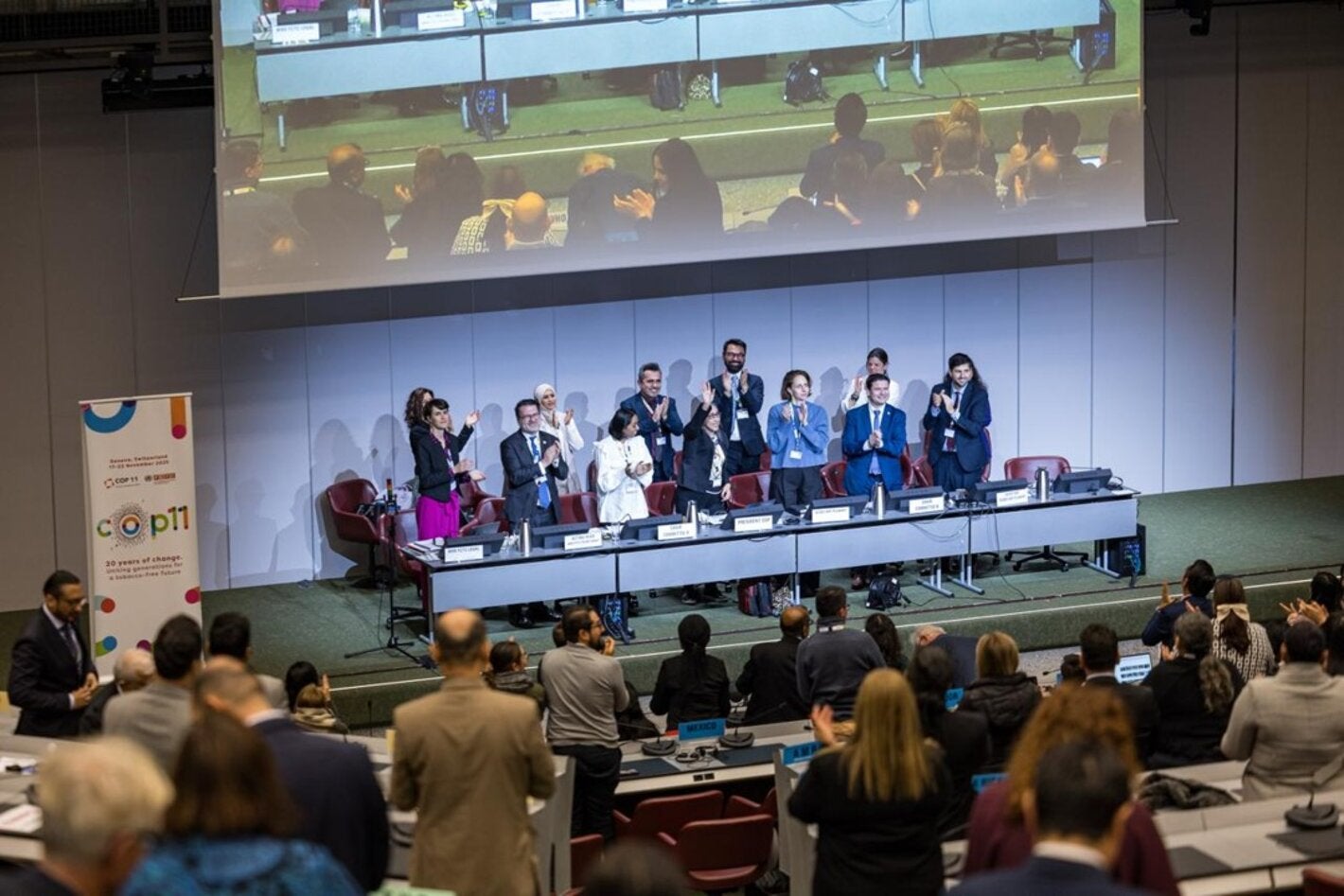
The Eleventh session of the Conference of the Parties (COP11) to the WHO FCTC has concluded with a series of critical decisions on global tobacco control. A total of 160 Parties gathered in Geneva from 17-22 November 2025 to discuss global tobacco measures under the WHO FCTC – one of the most widely embraced UN treaties in history – which commits countries to ending the global tobacco epidemic.
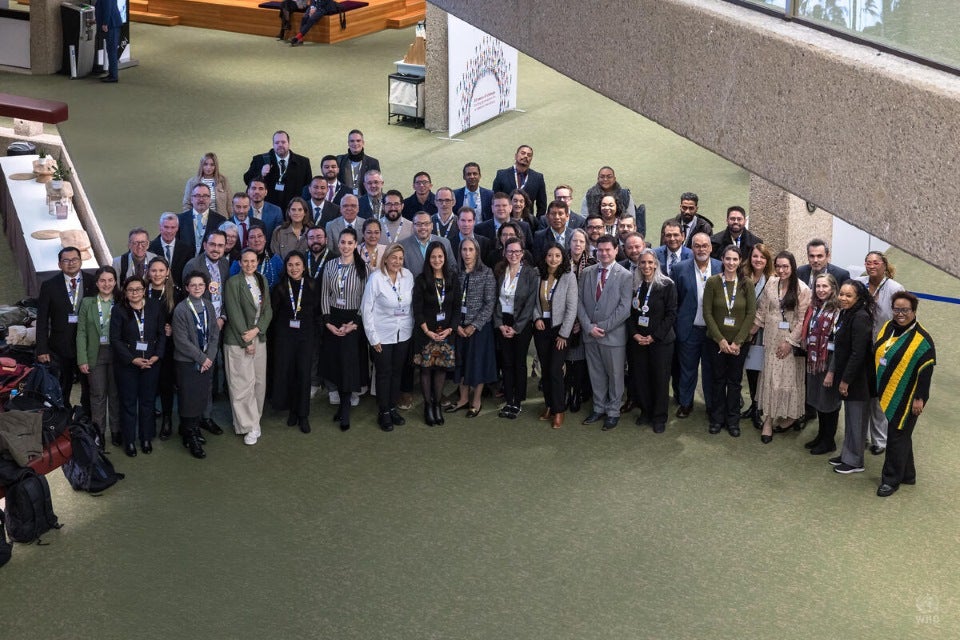
At COP11, the Americas region had a strong presence, with 23 States Parties and 2 Non-Party States. Vera Luiza da Costa e Silva, from the Brazilian delegation, was elected as the Americas' representative on the COP Bureau, while Hugo López-Gatell, from the Mexican delegation, assumed the role of Regional Coordinator. As in previous COPs, Ecuador led the declaration on maximizing transparency, which was presented by several Parties from the Americas.
Key decisions were made on tobacco control and the environment; increasing sustainable resources for tobacco control; forward-looking tobacco control measures; and issues related to the tobacco industry's liability for the damage it causes.
"These important decisions made by Parties to the Convention will contribute towards saving millions of lives in the years to come and protecting the planet from the environmental harms of tobacco," said Andrew Black, Acting Head of the Secretariat of the WHO FCTC. "The WHO FCTC stands as a milestone for public health and international cooperation, and we thank the Parties who contributed their time and energy towards strengthening these life-saving measures", he added.
Key agenda items during the six-day meeting included advances in protecting the environment and human health from the harms of tobacco, including measures to prevent and manage waste from tobacco and nicotine products and related electronic devices. Trillions of cigarette butts containing plastic filters and leaching harmful chemicals pollute the environment each year.
A decision was adopted inviting Parties to consider comprehensive regulatory options for tobacco and nicotine product components and related external components that increase environmental harms, taking into account public health impacts. Another decision that was adopted reaffirmed that domestic resource mobilization is a core strategy for achieving long-term, sustainable, and predictable funding for national tobacco control programmes.
The issue of liability under Article 19 of the WHO FCTC, which calls for Parties to consider taking legislative action to deal with criminal and civil liability related to tobacco control, was also discussed. A key decision was passed inviting Parties to consider strengthening the implementation of this Article of the Convention, through increasing cooperation between Parties, while reaffirming that issues relating to liability are an essential part of comprehensive tobacco control.
An agenda item on forward-looking tobacco control measures also considered new and innovative approaches to tobacco control, such as those contemplated in accordance with Article 2.1 of the WHO FCTC, which encourages Parties to implement measures beyond those required by the Convention.
A decision was also adopted which calls for a complete ban on the use and sale of tobacco products, including heated tobacco products, and of novel and emerging nicotine products such as ENDS/ENNDS and other nicotine products (including nicotine pouches and disposable ENDS) within all United Nations indoor and outdoor premises, including headquarters, regional and country offices throughout the United Nations system globally.
The conference also discussed agenda item 4.5, which addresses the obligation of Parties to implement measures to prevent and reduce nicotine addiction and the protection of such measures from tobacco industry interference, including the marketing of new and emerging products through the promotion of unproven health claims.
Parties are increasingly aware of the need to strengthen the implementation of Article 5.3, protecting tobacco control from the commercial and other vested interests of the tobacco industry, effectively shielding the treaty from industry’s efforts to impede tobacco control progress.
A record number of registrations were received for the COP, with more than 1,600 delegates signed up for the conference. Participants included Parties, NGOs, and youth voices who also participated as observers in the meeting and organised side events on issues concerning the Convention.
An announcement was also made that the Twelfth Session of the Conference of the Parties to the WHO FCTC and the Fifth Session of the Meeting of Parties to the Protocol to Eliminate Illicit Trade in Tobacco Products will be held in Yerevan, Armenia, in 2027.
Meeting of the Parties (MOP)
The Meeting of the Parties (MOP) will take place in Geneva, Switzerland, from 24-26 November and serves as the governing body of the Protocol to Eliminate Illicit Trade in Tobacco Products—an international treaty that entered into force in 2018 and has 71 Parties. At the MOP, Parties will consider a range of measures aimed at shaping the future of the Protocol and its role in eliminating illicit trade in tobacco products.
Notes to editors
The WHO FCTC is the first-ever public health treaty negotiated under the auspices of WHO, with 183 Parties to the Convention covering 90% of the global population. The treaty provides a legal framework and a comprehensive package of evidence-based tobacco control measures underpinned by international law that have saved millions of lives, including large pictorial health warnings on cigarette packages, smoke-free laws, and increased taxes on tobacco products, among many others.