Washington, D.C., 25 November 2026 (PAHO) – The Pan American Health Organization (PAHO) is urging countries in the Americas to strengthen surveillance, laboratory capacity and prevention measures, including vaccination, in response to a surge in mpox cases in several countries of the Region.
In an Epidemiological Alert issued on 24 November, PAHO highlights an increase in cases since epidemiological week 39 of 2026, primarily in Brazil, alongside the growing detection of mpox clade Ib in the Region.
From January to November 2026, 13 countries reported 3,269 confirmed cases and four deaths. Since 2022, 76,084 cases and 202 deaths have been reported across 31 countries and territories in the Americas. Brazil has reported 1,325 cases in 2026, including one death, with an increase since September.
Mpox continues to disproportionately affect men who have sex with men. Of the 114 reported mpox deaths for which HIV status was known, 111 (97%) were among people with HIV.
PAHO is urging health authorities to strengthen epidemiological and genomic surveillance to ensure timely detection and investigation of cases, monitor changes in transmission patterns, and reinforce targeted prevention and control measures, including vaccination, particularly among populations at increased risk.
What is mpox and how can it be prevented?
Mpox is an infectious disease caused by the mpox virus. It can spread through close physical contact with someone who has the infection, including skin-to-skin and intimate contact, as well as through contact with contaminated materials such as clothing and bedding.
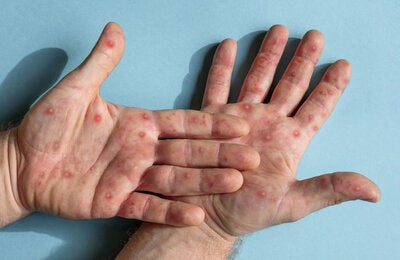
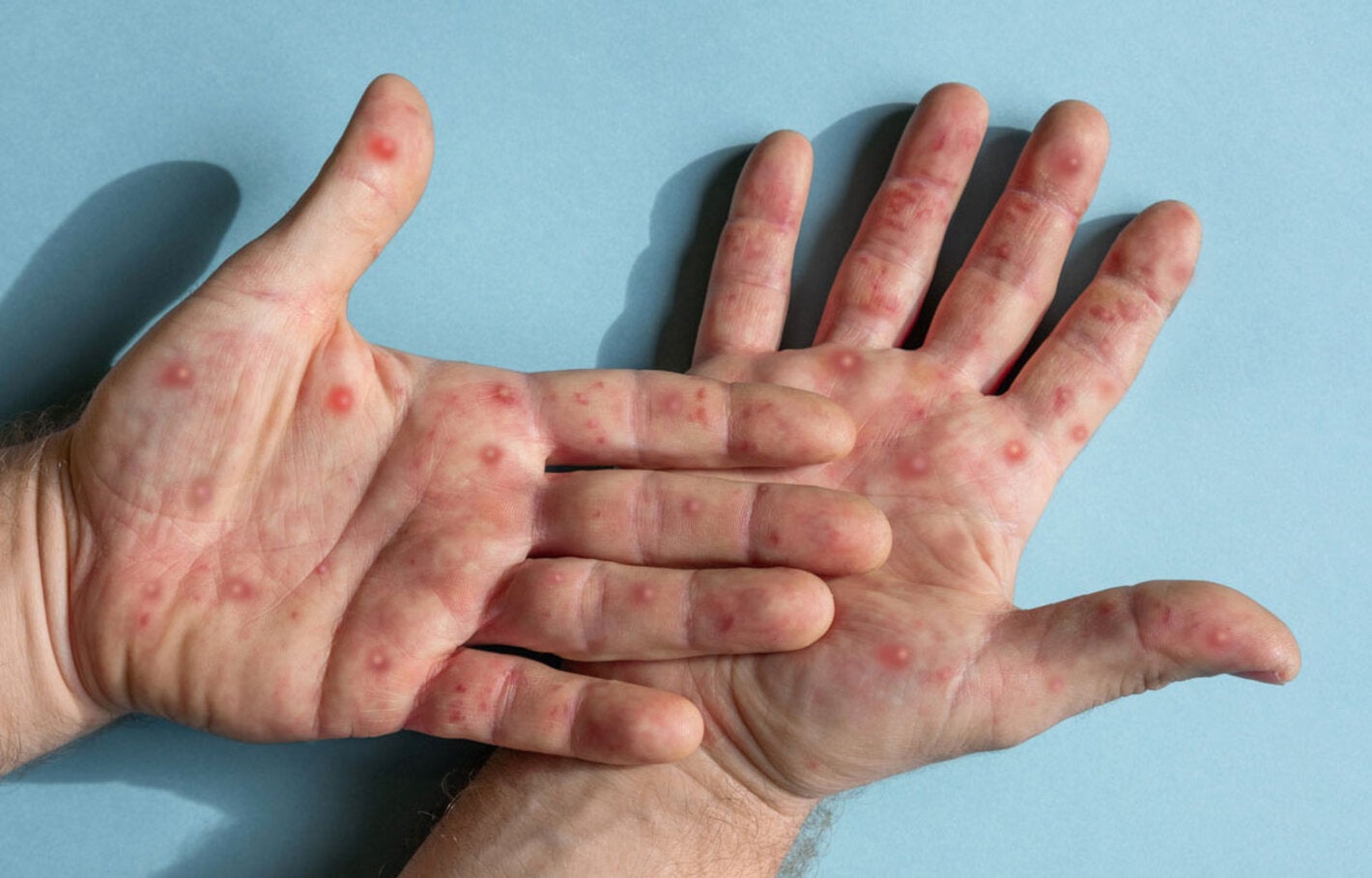
Symptoms commonly include a skin rash or lesions, fever, headache, muscle aches, back pain, fatigue and swollen lymph nodes. The rash can appear on the face, hands, feet, genital and anal areas, and inside the mouth or throat.
Anyone who develops an unexplained rash or other symptoms consistent with mpox should seek medical advice and testing, particularly if they have had close contact with someone who may have the infection.
Vaccination is recommended for groups at high risk of infection, based on each country's epidemiological situation. Travelers belonging to higher-risk groups are advised to seek vaccination before traveling to areas with active transmission. Vaccination should complement, not replace, other prevention measures.
Background
On 14 August 2024, the World Health Organization (WHO) declared mpox a Public Health Emergency of International Concern (PHEIC) following the international spread of cases and the risk of sustained transmission. The emergency designation was lifted on 5 September 2025, after the global impact of the outbreak had decreased and surveillance and response capacities had strengthened.
The end of the PHEIC did not mean that mpox had ceased to pose a public health risk. The virus continues to circulate, with different clades detected in several regions and new transmission patterns emerging. PAHO's latest alert underscores the importance of maintaining surveillance and preparedness to detect and respond to cases promptly.
More information: