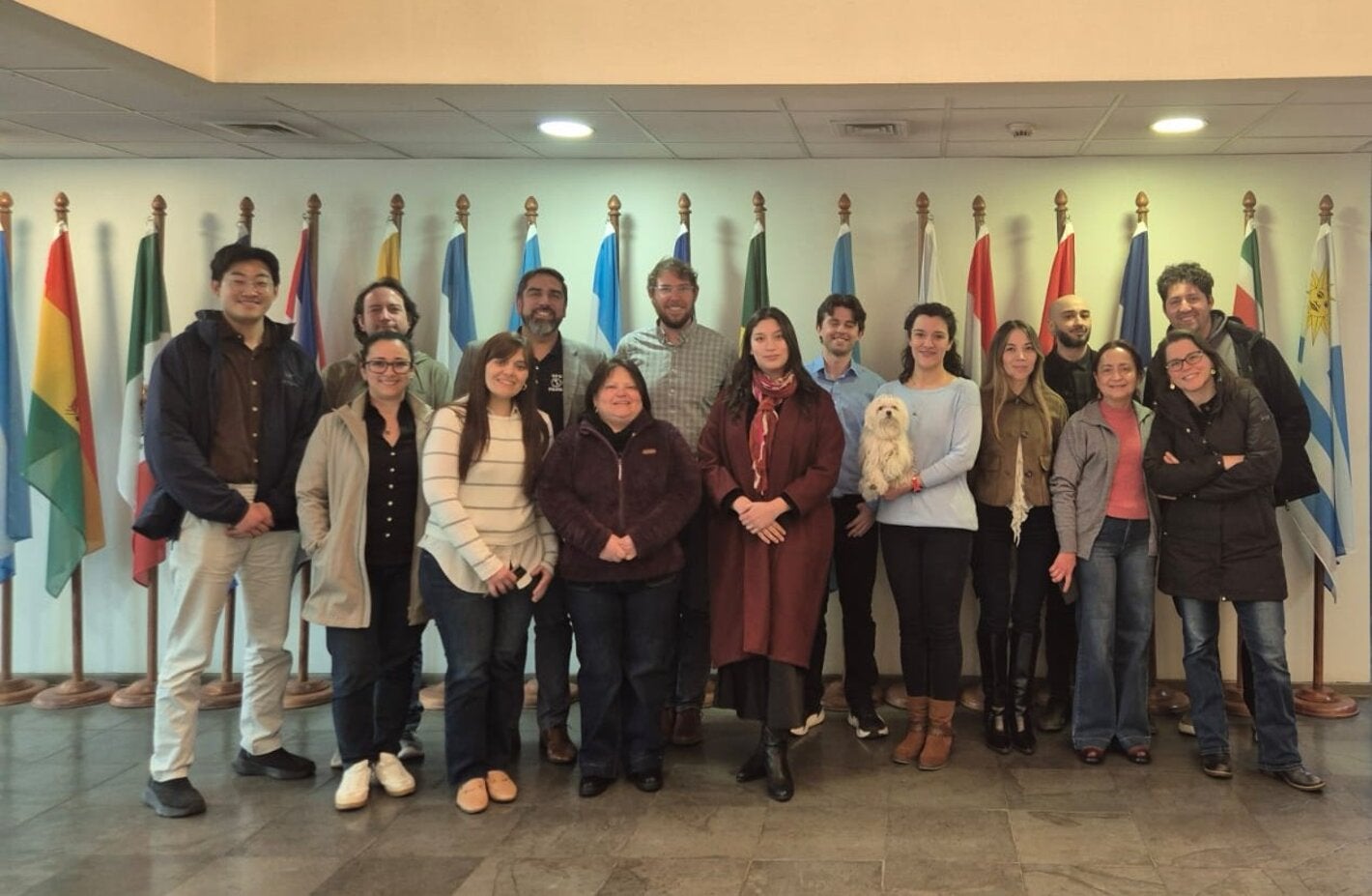
Santiago, Chile, June 26, 2026 (PAHO) – Technical teams from the Chilean Ministry of Health, the Pan American Health Organization (PAHO/WHO), the U.S. Centers for Disease Control and Prevention (CDC), and Northern Arizona University (NAU) worked for three days at the PAHO/WHO Chile office in Santiago to advance the implementation of a national respiratory virus forecasting system. The initiative aims to equip the country with its own capabilities to generate real-time forecast of severe acute respiratory infection (SARI) activity with a three- to four-week horizon, providing forward-looking information that complements other epidemiological indicators and supports timely decision-making, particularly for hospital capacity planning and the winter response. The technical cooperation mission, held from June 24 to 26, combined presentations on forecasting and nowcasting models to address underreporting caused by reporting delays during the most recent weeks of the time series. It also included hands-on demonstrations of analytical tools and practical exercises using national data. Participants installed and used MicroHub, a platform designed for the weekly production of forecasts, and adapted scripts written in the R programming language to the needs of the Chilean context, establishing an automated workflow for generating weekly reports.
During the sessions, priority data sources were identified to feed the models, including emergency department visits, which serve as an early indicator of pressure on the hospital system and complement traditional ARI surveillance data. They also analyzed delays in data reporting and differences in reporting dates—which may correspond either to symptoms onset or the date of hospitalization—factors that directly affect the accuracy of forecasts and the interpretation of results.
A central focus of the mission was the discussion on how to translate technical results into useful tools for decision-making. The teams addressed the use of forecasts forresource planning during periods of high viral circulation, the management of hospital capacity—including the expansion and repurposing of beds—and the anticipation of demand in emergency departments.
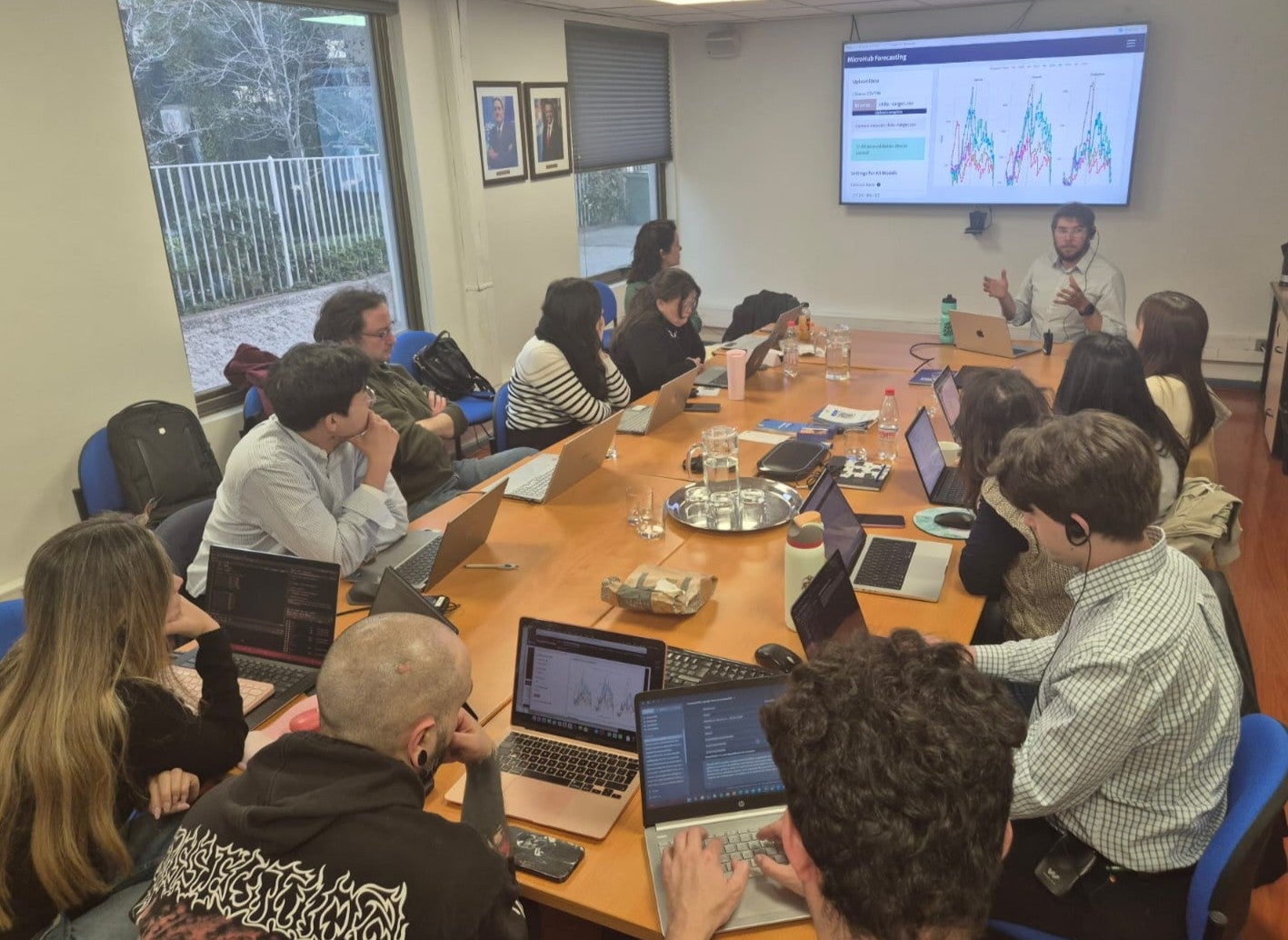
As a result, Chile now has an initial technical foundation to move toward a national respiratory virus forecasting system. The mission facilitated the practical transfer of operational tools, the identification of variables relevant to the country, and greater coordination among the national and international teams involved. In addition, participants gained a better understanding of the strategic value of forecasting as a complementary tool that enables health authorities to anticipate pressures on the health system before they are reflected in hospitalizations.
Agreed-upon next steps include developing models that integrate emergency department visit data available as open data, launching a national forecasting hub, and expanding the use of these products to management and decision-making levels within the Ministry of Health.
The mission also helped identify other areas for collaboration, such as transferring scripts used to implement the Americas Mortality Monitoring Network (AMoMo) dashboard, technical support from PAHO for future national scientific publications related to the implementation of forecasting, and continued technical cooperation to support Chile in completing the development and validation of the National Pandemic Preparedness Plan, ensuring its alignment with current international standards and recommendations.
This initiative is part of PAHO’s technical cooperation efforts to support countries in the Region of the Americas in using advanced analytical tools to anticipate respiratory viruses trends and prepare their health systems in a timely manner.