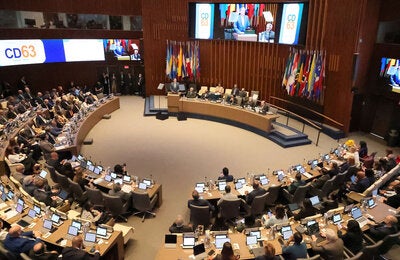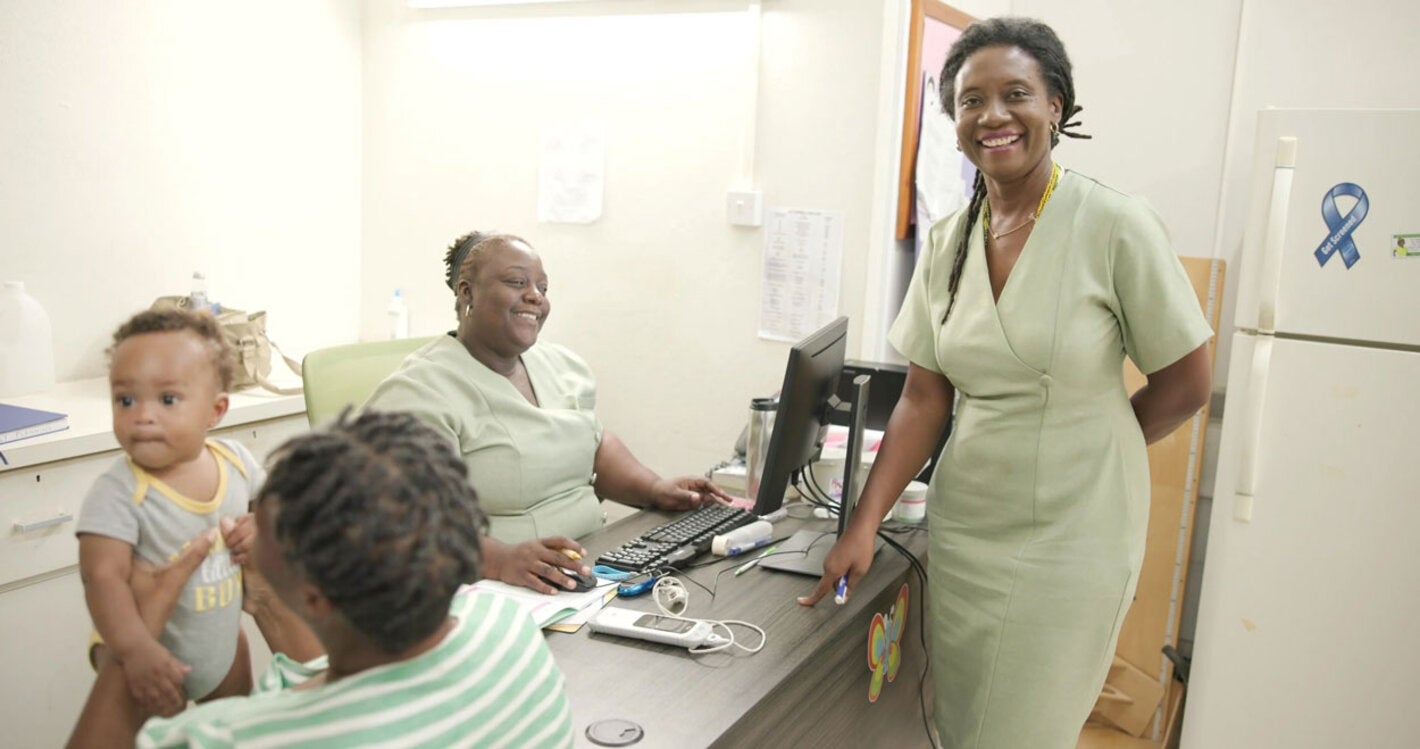
Bridgetown, Barbados, June 29, 2026 (PAHO/WHO) – Amid a shifting regional healthcare landscape, the Human Resources for Health Caribbean Commission (HRH-CC) convened virtually for its Tenth Meeting on June 17, to fast-track regional strategies aimed at strengthening the health workforce and building resilient health systems across the Caribbean.
The meeting agenda focused on tackling the most pressing structural challenges facing Caribbean health sectors, most notably the unmitigated migration of skilled health workers and the rising burden of non-communicable diseases (NCDs).
Jointly organized by the Pan American Health Organization (PAHO) and the CARICOM Secretariat, the high-level meeting brought together regional policymakers, health officials, and regulatory bodies. The session was marked by a transition in leadership as Dr Asha Kisoon, Deputy Permanent Secretary of the Ministry of Health for Guyana, officially assumed the Chair of the Commission.
During the meeting, Dr Kisoon recommended that Caribbean health systems invest in education and training, workforce planning, supportive professional development and the creation of conditions that would encourage health workers to remain and thrive.
“As we look ahead, we must also embrace opportunities presented by innovation and technology. Digital health solutions, telemedicine, and AI have the potential to support health workers, expand access to care, and improve efficiency. However, these tools must not replace the expertise, compassion, and judgment of health professionals and what they bring to the level of care that we have in the system. The Human Resources for Health Caribbean Commission plays an important role in advancing these priorities,” she emphasised.
Helen Royer, Director of Human Development at the CARICOM Secretariat highlighted the continuing role of the HRH Caribbean Commission in supporting efforts to build consensus around practical solutions that reflect the realities and priorities of Caribbean countries. “Given the limited size of many of our health systems and the common challenges faced across the community, regional cooperation is not simply advantageous, it is essential… The exchange of best practices, harmonization of approaches where appropriate and strengthened collaboration among countries and the institution, will be critical to achieving these initiatives,” Ms Royer underlined.
Dr Benjamin Puertas, HRH Unit Chief at PAHO’s Headquarters in Washington, DC, also noted the continued relevance and accomplishments of the HRH-CC, since its inception as the HRH Action Task Force during the COVID-19 pandemic, reflecting that the 10th meeting of the permanent Commission marks a historical milestone in the systematic and concerted efforts to address pressing workforce challenges that the region is facing.
Despite these challenges, progress had been made and several policy briefs and guiding documents were created, including the Human Resources for Resilient Health Systems Caribbean Roadmap 2025–2030 which was finalised and endorsed by member states and the Caribbean Action Plan on the Migration and Mobility of Health Workers which was reviewed and approved at the meeting. Another milestone has been the graduation of two Cohorts of the UWI/PAHO Diploma in Health Policy and Health Systems and a third cohort currently in progress at the PAHO Barbados Office.
Speaking on behalf of the Chief of the PAHO Caribbean Subregional Office, Leah-Mari Richards, Dr Edwin Bolastig, HRH Advisor, reiterated PAHO’s commitment to supporting the Commission and Member States. “However, the momentum must be driven by all of us - through leadership, collaboration, and decisive action,” Dr Bolastig said.
The Commission advanced the development of an Action Plan on the Migration and Mobility of Health Workers to manage the regional brain drain, alongside the ongoing implementation of the Human Resources for Resilient Health Systems Caribbean Roadmap 2025–2030. They also discussed empowering Community Health Workers for NCD care, recognizing the threat of chronic illnesses. The leaders reviewed a new literature review and policy brief aimed at establishing a competency-based framework for community health workers, specifically focused on NCD prevention and control.
To bridge critical care gaps, the Commission addressed the Regional Nursing Body Strategic Plan Framework 2026-2035 that will provide strategic guidance in the development of a modern and future-oriented Nursing and Midwifery Strategic Plan for the next decade. Dr Edwin Bolastig and Ms Tiara Carlington, PAHO Consultant, jointly presented a policy analysis on the regulatory framework for Advanced Practice Nurses (APNs) to expand their roles in mental health and NCD management. He and PAHO Consultant, Dr Marjorie Parks, presented the initial findings of the surveys conducted in relation to the proposed harmonisation of midwifery education, regulation and practice across the region.
The meeting concluded with the endorsement of the proposed HRH-CC Workplan for 2026, solidifying a collaborative roadmap to ensure a sustainable, well-regulated, and highly skilled health workforce for the Caribbean.