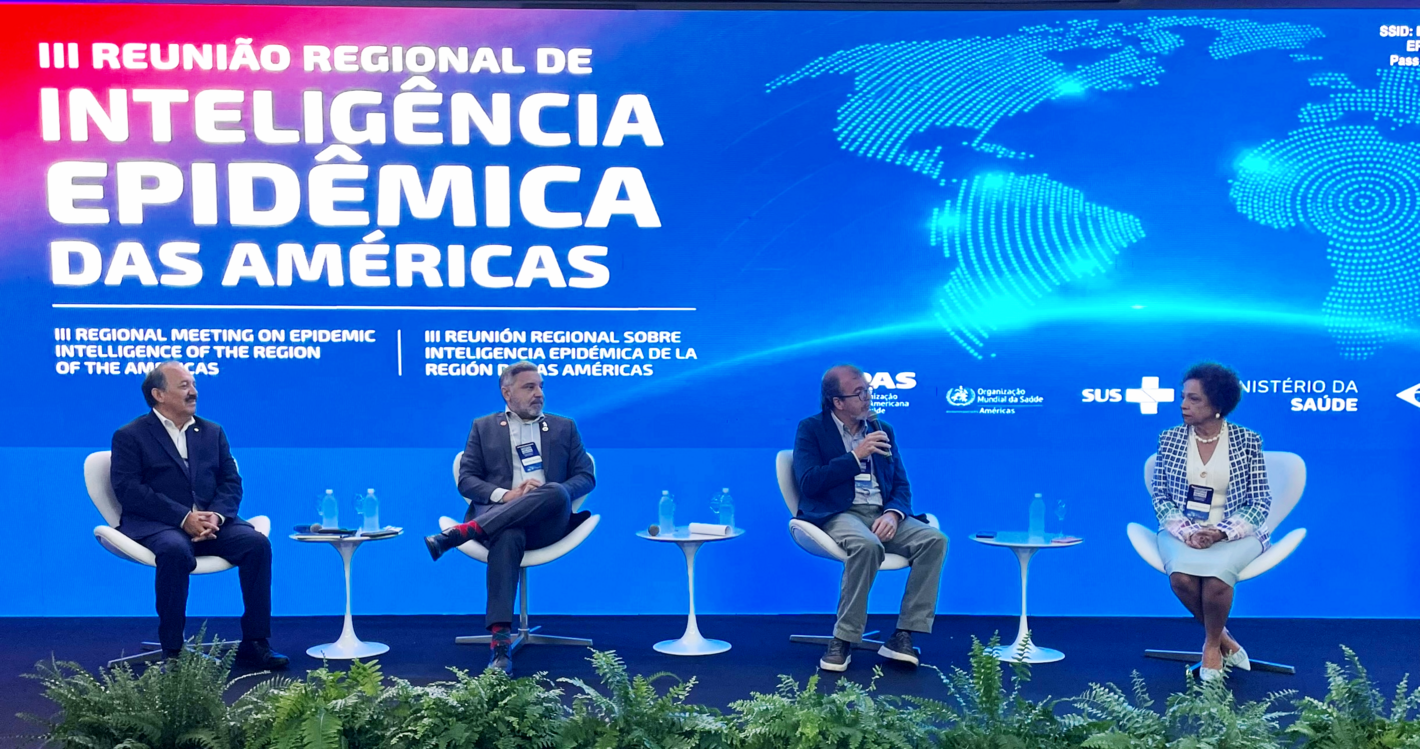
Regional meeting in Salvador, Brazil, reviewed progress in implementing the 2024–2029 Strategy, introduced a new training initiative for the Region, and identified priorities to strengthen early warning.
Salvador, Brazil, 6 August 2026 (PAHO) – Representatives from countries across the Americas and experts from the Pan American Health Organization (PAHO) participated on 5–6 August in the 3rd Regional Meeting on Epidemic Intelligence for the Americas, a forum to review progress, share experiences, and guide the next steps toward strengthening early warning systems across the Region.
The regional meeting was held as part of the implementation of the Strategy on Epidemic Intelligence 2024–2029 and PAHO Member States’ efforts to translate national priorities into sustainable capacities to detect signals, verify events, analyze information, and assess public health risks. Over the two days, delegations reviewed progress and challenges related to epidemic intelligence governance, strengthening national capacities, coordination across institutions and sectors, timely information sharing, and methods and tools to support decision-making.
The exchange also helped identify national experiences that could be adapted to other contexts and contribute to accelerating implementation of the Regional Strategy.
“Strengthening epidemic intelligence means turning information into timely action. Through regional cooperation, the exchange of experiences, and capacity building, we are advancing toward stronger early warning systems that enable us to detect risks earlier and respond more effectively to protect the health of our populations,” said Dr. Ciro Ugarte, Director of PAHO’s Health Emergencies Department.
As a result of the meeting, countries consolidated priorities for the 2026–2029 period and identified areas of work that will guide technical cooperation, the monitoring of national action plans, and the development of regional solutions. The meeting also helped strengthen linkages among subnational, national, and regional initiatives and foster new training opportunities for professionals responsible for surveillance and early warning across the Americas. PAHO will continue to support Member States in implementing these priorities and strengthening capacities tailored to their specific contexts and needs.
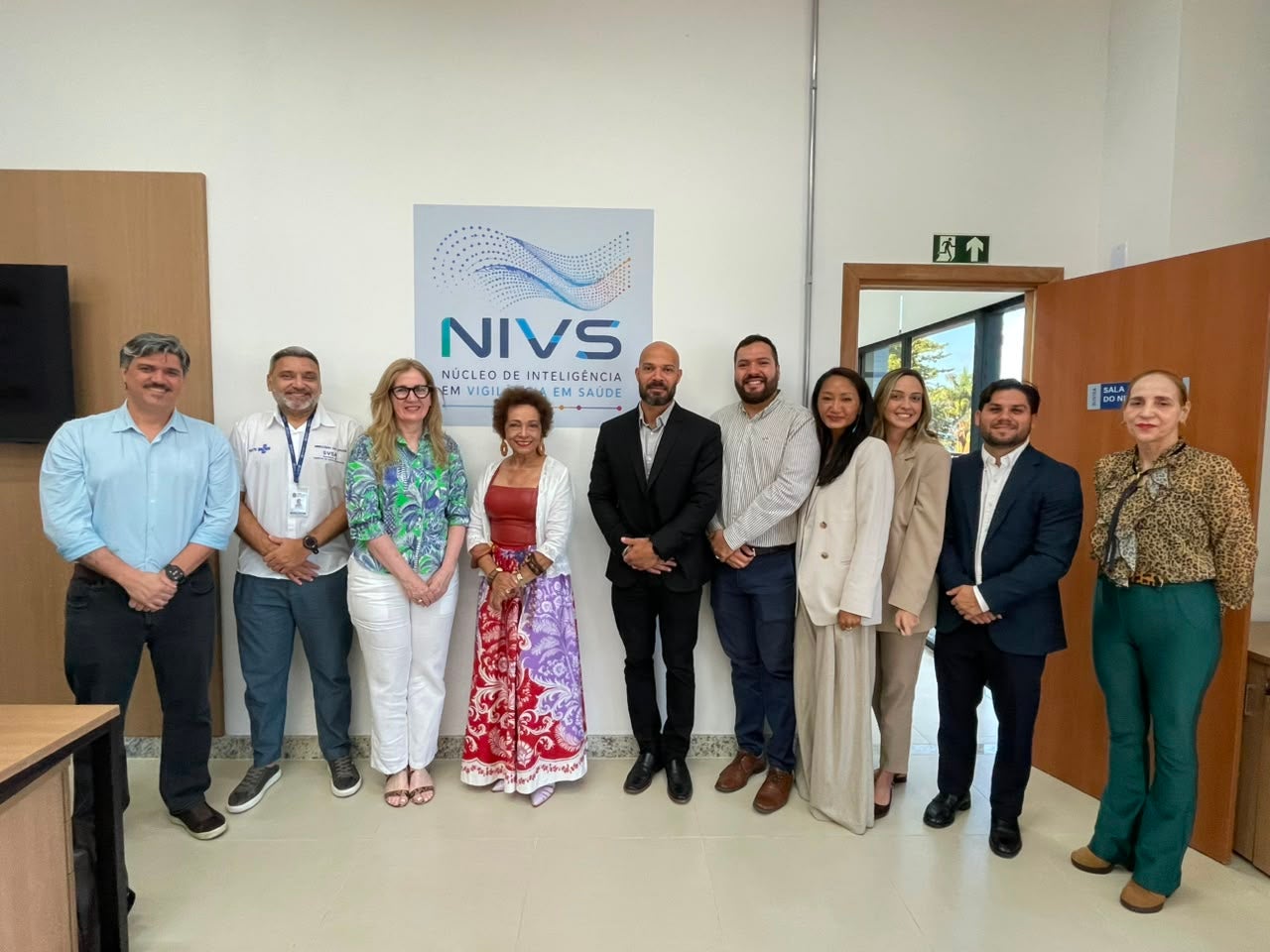
Strengthening capacities at the subnational level
Ahead of the regional meeting, PAHO experts participated on 4 August in the 1st State Meeting on Epidemiological Intelligence of the State of Bahia, organized by the Superintendency of Health Surveillance and Protection (SUVISA) of the Bahia State Health Department. The meeting provided an opportunity to present the objectives and perspectives of the Regional Strategy on Epidemic Intelligence, promote dialogue among state, national, and regional levels, and launch a week of work focused on advancing more integrated and better-prepared early warning systems to protect public health.
Promoting and connecting initiatives such as this at the subnational level directly contributes to strengthening capacities within countries and across the Region as a whole, advancing a shared vision for epidemic intelligence in the Americas.
Launch of a new course on the Virtual Campus
The regional meeting also provided the setting for the official launch of the Basic Course on Epidemic Intelligence, an initiative developed within the framework of the PROTECT project, with support from the Pandemic Fund. The program responds to a request made by Member States during the regional process that led to the mandate on epidemic intelligence approved by PAHO’s 60th Directing Council in 2023.
The training course provides a common foundation for strengthening capacities in early detection, event verification, information analysis, and public health risk assessment. It also introduces fundamental concepts and the use of state-of-the-art tools, including the Epidemic Intelligence from Open Sources (EIOS) system, which facilitates the timely identification and monitoring of risk signals to support public health decision-making.
Designed primarily for professionals working at the local level, the course is self-paced, free of charge, and takes approximately four hours to complete. Through this initiative, technical teams across the Region will be able to strengthen the approaches and methodologies used to detect and assess threats within the framework of early warning.