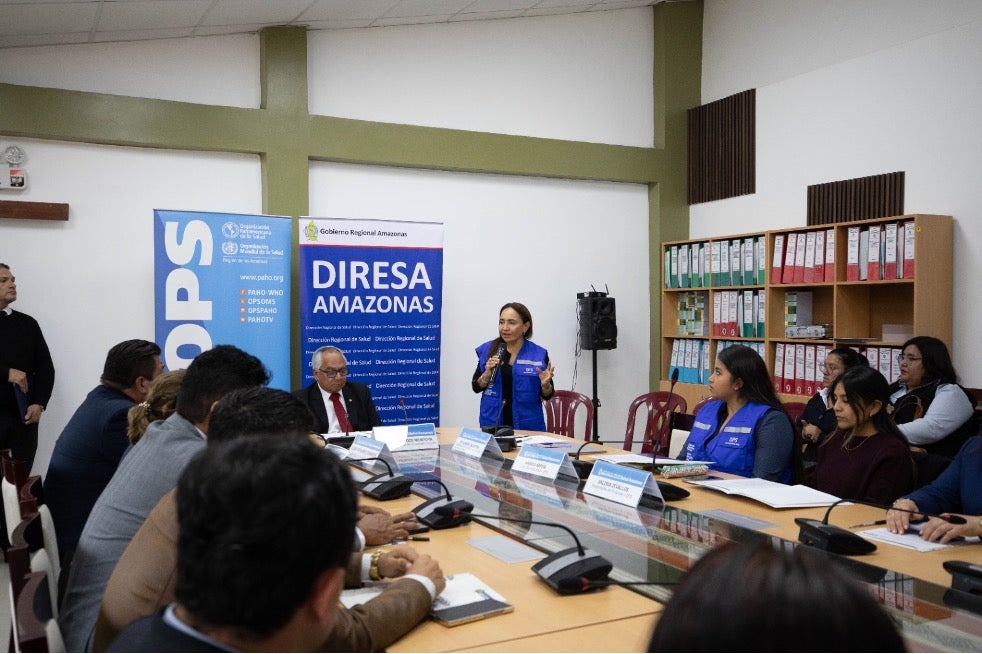
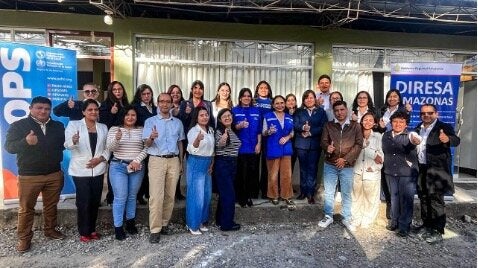
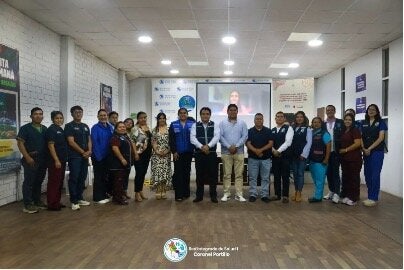
Lima, August 3, 2026 (PAHO/WHO). To advance the territorial implementation of the project “Closing the Gaps in Sexual and Reproductive Health and Rights for Women and Adolescent Girls (2026–2030)” in the Amazon regions of Amazonas and Ucayali, the Pan American Health Organization/World Health Organization (PAHO/WHO), in coordination with the Ministry of Health (Minsa) through the Directorate of Sexual and Reproductive Health (DSARE), conducted technical meetings with the participation of health authorities and technical teams from the Integrated Health Networks to coordinate the interventions that will be implemented in both territories.
These sessions facilitated the joint design of interventions aimed at improving the responsiveness of sexual and reproductive health services by incorporating a primary health care, human rights, gender equality, and intercultural approach, with particular emphasis on women and adolescents facing situations of vulnerability.
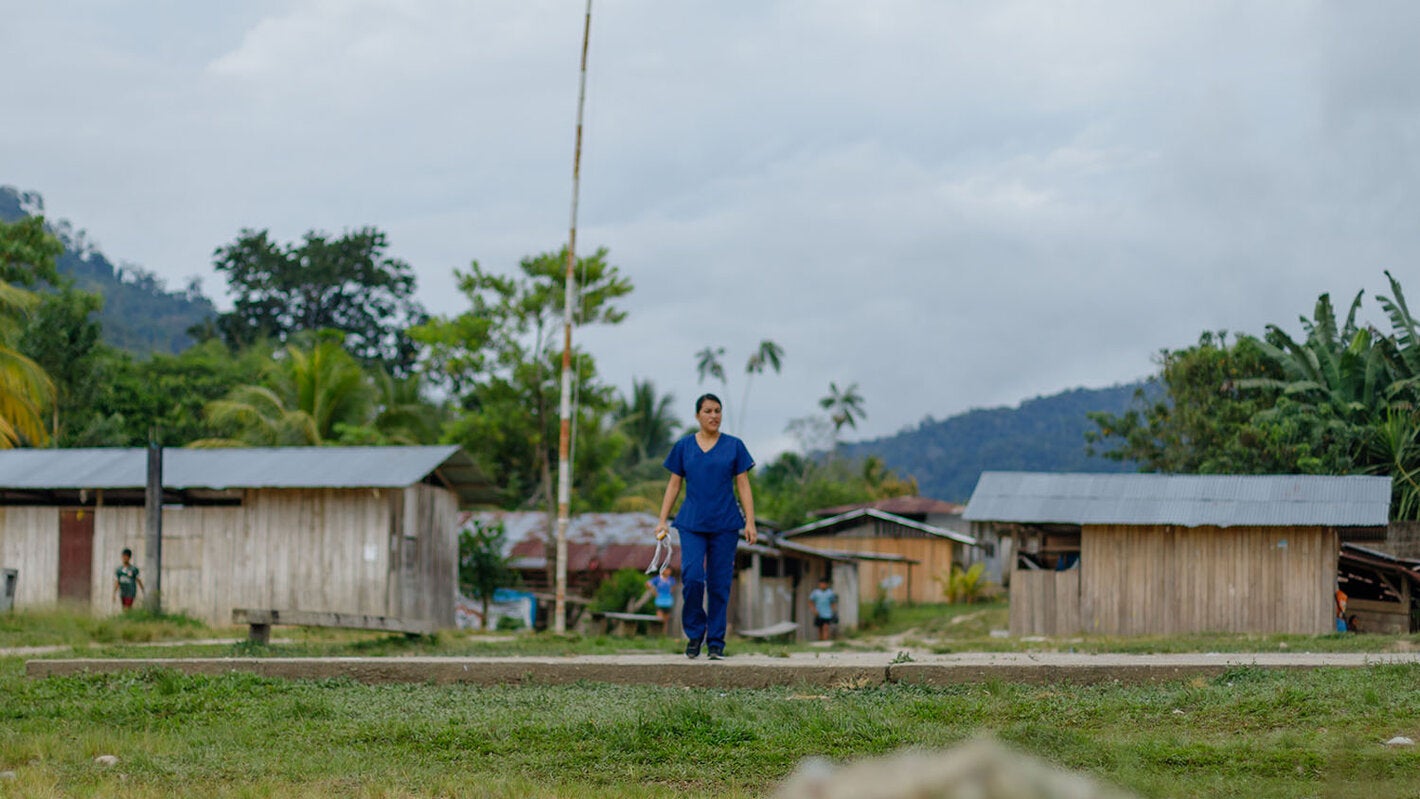
Within this intervention framework, the main lines of work were defined for the Integrated Health Networks (IHNs) of Bagua, Condorcanqui, and Chachapoyas in Amazonas, as well as Coronel Portillo and Atalaya in Ucayali. With the shared goal of closing gaps in sexual and reproductive health and rights, the planned actions will be tailored to the specific characteristics of each territory and to the needs of Indigenous Peoples, including the Awajún, Wampis, Asháninka, and Shipibo-Konibo communities.
The active participation of regional teams and close coordination between healthcare providers and managers of the Integrated Health Networks will be essential to integrating project activities into a comprehensive model of care, responding to the needs of communities, and helping to reduce barriers to access to health services.
Intervention Areas to Improve Sexual and Reproductive Health
The project is structured around three areas of action aimed at improving the sexual and reproductive health and rights of women and adolescents. These include expanding access to quality sexual and reproductive health services through gender-responsive and rights-based approaches, strengthening the leadership and empowerment of women and adolescents to exercise their rights, and building the capacities of governments and key stakeholders to promote and protect sexual and reproductive health and rights.
Technical support at the territorial level will help integrate these actions into the management of health services, with an emphasis on promoting sexual and reproductive rights, strengthening intercultural approaches to care for Indigenous Peoples, and reducing maternal mortality.
The project, implemented with the support of the Government of Canada, recognizes that gaps in sexual and reproductive health are greater in geographically dispersed areas, where barriers to accessing health services persist. For this reason, it promotes interventions tailored to each local context and aimed at strengthening local capacities so that women and adolescents can receive timely, high-quality, and culturally appropriate care.
In addition, the project includes actions to strengthen the institutional capacity of health services, build the skills and competencies of health personnel, enhance territorial governance, implement telemedicine strategies, and improve the use of information for decision-making through management tools and evidence-based approaches.
This joint effort seeks to contribute to the reduction of maternal mortality and to ensure more equitable, timely, and people-centered care.
| 
|
From an international cooperation perspective, this investment reinforces the shared commitment of the Government of Canada, the Ministry of Health (Minsa), and PAHO/WHO to equity, gender equality, and the protection of sexual and reproductive rights. By strengthening institutional and community capacities, the project seeks to generate sustainable change that extends beyond the duration of the intervention and contributes to more inclusive and resilient health systems.
As part of this initiative, PAHO will continue working in close coordination with the Ministry of Health (Minsa) and the Government of Canada, providing technical support to regional teams and promoting a coordinated response through actions tailored to the realities of each territory. This cooperation will help strengthen the planning, implementation, monitoring, and sustainability of interventions, contributing to the development of sexual and reproductive health services that are more accessible, timely, comprehensive, and culturally appropriate for women and adolescents in the Peruvian Amazon.