Two-year initiative will support countries to reduce maternal mortality, prevent unintended repeat adolescent pregnancies, and strengthen efforts to eliminate mother-to-child transmission of HIV, syphilis and other infections
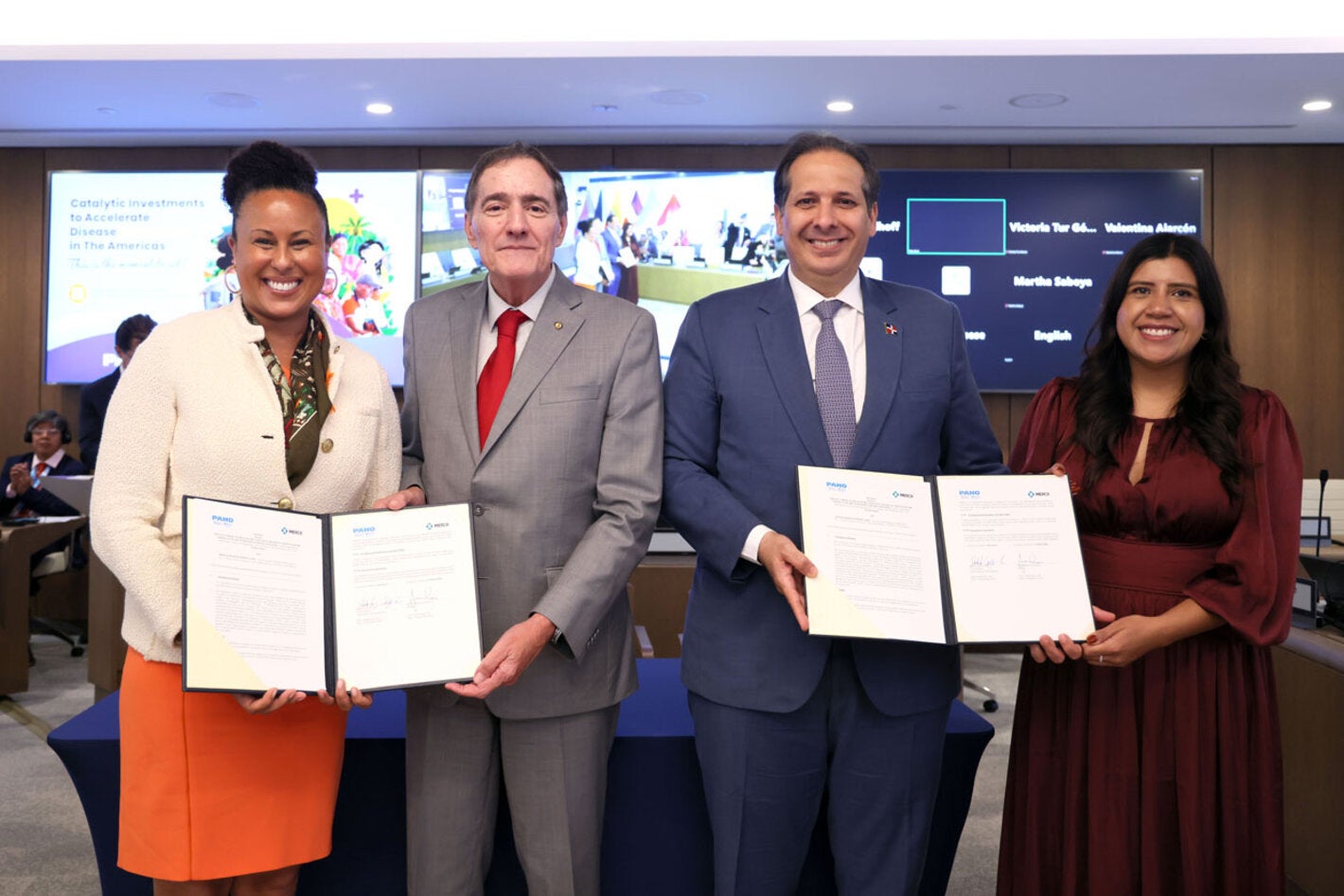
Washington, D.C., 30 September 2026 (PAHO) — The Pan American Health Organization (PAHO) and MSD for Mothers have signed an agreement to help reduce preventable maternal deaths in Guatemala and the Dominican Republic by strengthening adolescent health and improving maternal health services.
The two-year initiative will focus on high-need and underserved areas in both countries, where adolescents and women continue to face barriers to access quality maternal health services.
Adolescent pregnancy remains an important contributor to maternal morbidity and mortality in Latin America and the Caribbean. Despite important progress over recent decades, Latin America and the Caribbean continue to have one of the highest adolescent birth rates in the world. An estimated 1.6 million adolescents aged 15–19 years and approximately 40,000 girls younger than 15 years become mothers each year.
Guatemala and the Dominican Republic were selected in close coordination with national authorities as both countries continue to face significant challenges in reducing maternal mortality and adolescent pregnancy. Maternal mortality ratios in both countries remain above the regional average. The initiative will build on ongoing national efforts to reduce maternal mortality, prevent unintended adolescent pregnancies, and improve access to health services, particularly among populations living in situations of vulnerability.
“Most maternal deaths are preventable, and accelerating progress requires ensuring that women and adolescents have access to the information, services and care they need to protect their health,” said PAHO Director, Dr. Jarbas Barbosa. “This partnership will strengthen health services while supporting adolescents and young women to make informed decisions about their health and future.”
“No woman should die while giving life, yet too many still face barriers to the care they need,” said Dr. Kalahn Taylor-Clark, VP and Head of Social Impact & Sustainability at MSD. “Our collaboration with PAHO has shown what’s possible when the public and private sectors share a common public health goal to close gaps in care.”
The initiative will support country efforts to strengthen the provision of postpartum family planning services following childbirth and other obstetric events,
Health workers will be trained to provide adolescent-responsive care, while adolescents and young people will participate in the design and improvement of services.
The agreement will also strengthen health workers’ capacity to provide integrated antenatal care, including services to prevent, diagnose and treat infections that can be transmitted from mother to child, including HIV, syphilis, hepatitis B and Chagas disease. This will contribute to broader regional efforts to accelerate the elimination of mother-to-child transmission of these infections.
PAHO is already working with Guatemala and the Dominican Republic to develop national plans and implement targeted actions to accelerate reductions in maternal mortality, while strengthening capacity in adolescent health. The new initiative will build on this experience and work with Ministries of Health, health facilities and youth networks to integrate effective approaches into routine services and national health systems.
The initiative will also respond to the scale of the adolescent pregnancy challenge in both countries. National estimates indicate approximately 105,000 adolescent births annually in Guatemala and 12,000 in the Dominican Republic. By focusing on areas with a high burden and populations that remain underserved, the project is expected to directly reach approximately 10,000-15,000 adolescents and young people during its implementation.
The agreement builds on a broader collaboration between PAHO and MSD for Mothers that began in 2023 and has supported maternal health initiatives in countries including Honduras and Peru including regional efforts to accelerate progress towards the elimination of preventable maternal mortality.