El Paraíso, Honduras, October 2026 (PAHO). Reports of fever and joint pain identified during household visits in Alauca highlighted the importance of maintaining active surveillance amid the risk of chikungunya. Days later, a joint technical mission by the Honduran Ministry of Health and the Pan American Health Organization (PAHO) in Danlí assessed local capacities for surveillance, patient care, diagnosis, and vector control in preparation for potential outbreaks. The mission took place from October 14 to 16.
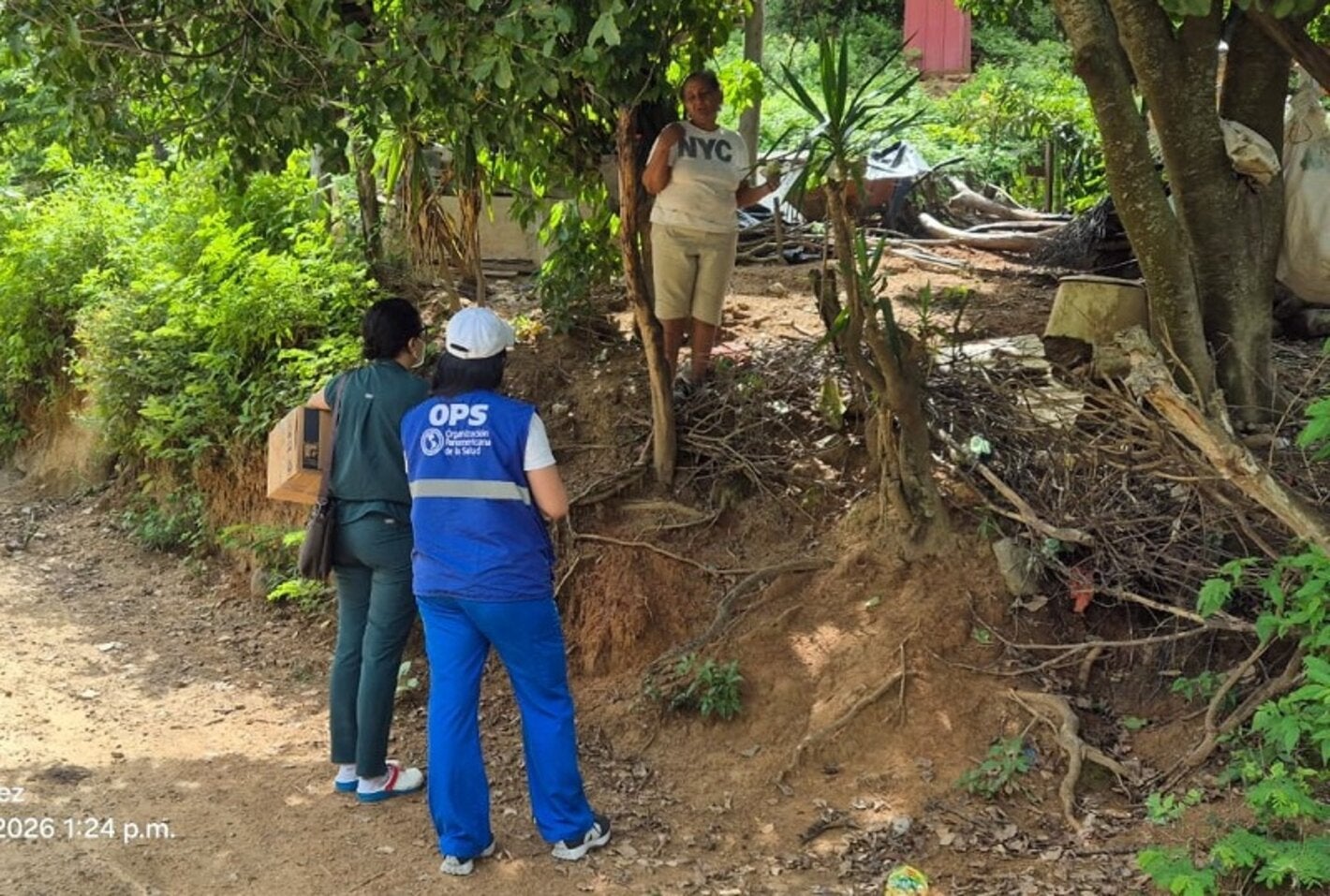
On October 12, PAHO accompanied the El Paraíso Health Region and the Alauca health team to Pedregalito, a community of 51 households near the border with Nicaragua. In September, the local health team had identified 17 people with symptoms consistent with chikungunya. During the visit, the team visited approximately 10 households and collected two samples in the municipal center for testing at the National Virology Laboratory. Results from four previously submitted samples were still pending.
The household visits also highlighted a challenge for prevention efforts. Without access to safe drinking water, families rely on well water that must be stored, making it essential to adapt mosquito breeding site control measures to local conditions.
In Danlí, the teams subsequently reviewed the epidemiological situation and key components of the health response, including surveillance, laboratory testing, triage and care for patients with fever, referral procedures, and vector control. The mission also addressed safe water storage, elimination of mosquito breeding sites, waste management, and community communication.
At the conclusion of the mission, the teams identified indicators, follow-up actions, and a work plan to guide next steps.
The intervention in Alauca was carried out under the project “Safe Access to Health Services for Vulnerable Populations in Municipalities Affected by Disasters, Climate Events, and Violence Prioritized in the Honduras Humanitarian Action Plan 2026,” with support from the Honduras Humanitarian Fund.
Together, the activities in Alauca and Danlí highlight two complementary aspects of the health response: identifying potential health threats at the community level and ensuring that local health teams are prepared to act. Connecting community-level findings with surveillance, diagnosis, patient care, and vector control helps guide timely interventions to reduce transmission risks and protect vulnerable communities.