Washington, D.C., May 7, 2026 (PAHO) — The Pan American Health Organization (PAHO) is supporting international coordination and the exchange of technical information in response to a cluster of hantavirus pulmonary syndrome (HPS) cases associated with a cruise ship in the Atlantic.
Health authorities in the countries involved, in coordination with the World Health Organization (WHO), continue to conduct the epidemiological investigation and response activities, while PAHO is facilitating technical cooperation through regional experts on laboratory diagnosis, clinical management, infection prevention, and control.
The regional organization is also supporting information exchange among countries through the National IHR Focal Points for the International Health Regulations (IHR), the mechanism used to coordinate rapid communication on public health events with potential international impact.
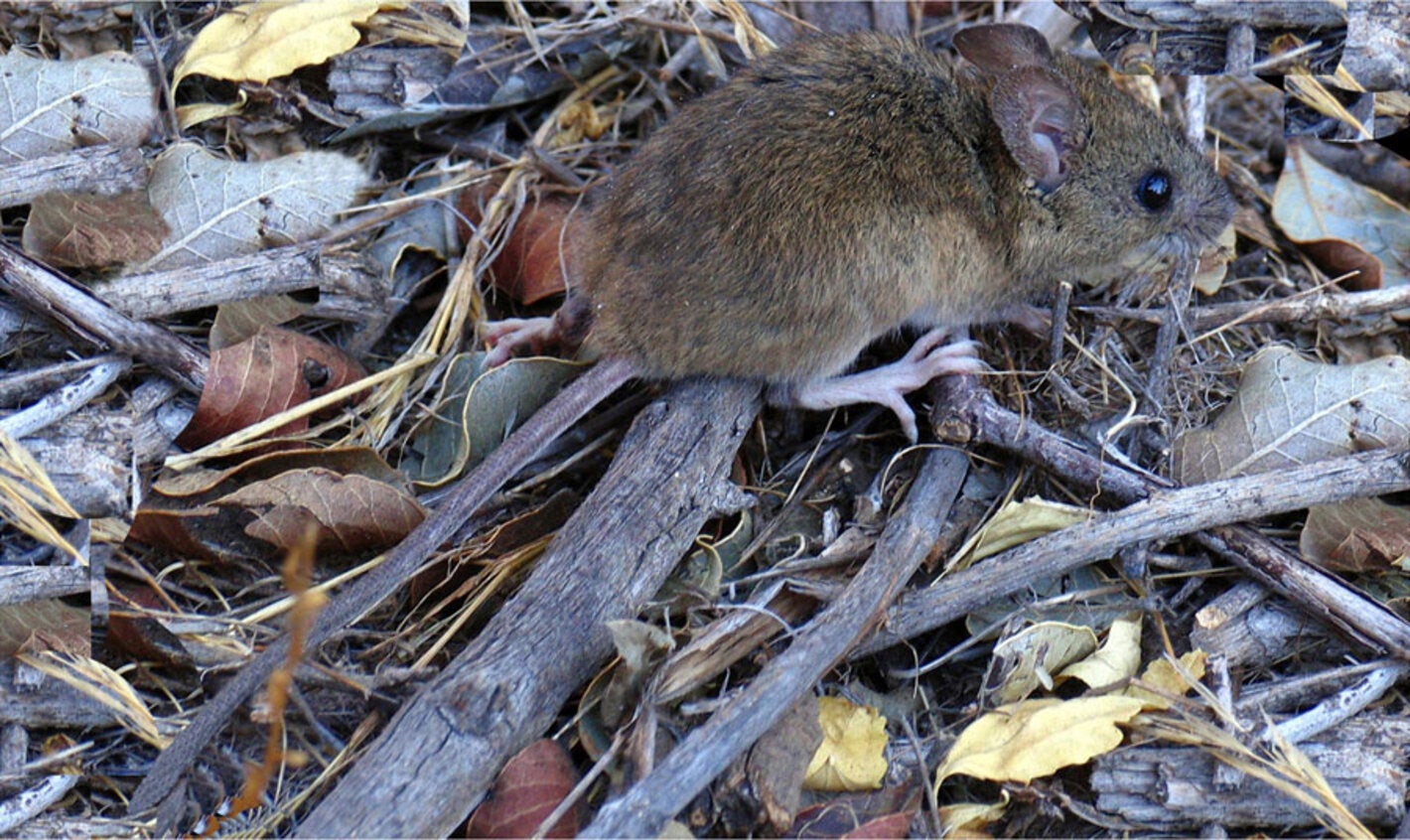
Hantavirus refers to a group of viruses transmitted primarily by rodents. People can become infected by inhaling particles contaminated with urine, droppings, or saliva from infected rodents, particularly in enclosed or poorly ventilated spaces.
Hantaviruses are classified into two major groups: Old World hantaviruses, found in Africa, Asia, and Europe, and New World hantaviruses, which circulate in the Americas. Both can cause severe disease, although they are associated with different syndromes. New World hantaviruses cause hantavirus pulmonary syndrome (HPS), while Old World hantaviruses cause hemorrhagic fever with renal syndrome (HFRS).
“Although hantavirus pulmonary syndrome is rare, it can be severe. Transmission occurs mainly through exposure to rodents and, in exceptional situations —particularly with Andes hantavirus— person-to-person transmission may occur through close and prolonged contact,” explained Andrea Vicari, head of PAHO's Infectious Hazards Management Unit.
In December 2025, PAHO issued an epidemiological alert after observing an increase in cases in endemic countries, particularly in the Southern Cone. The alert highlighted the need to strengthen surveillance, preparedness, and response efforts for this rare but potentially fatal disease in the Region of the Americas.
In 2025 and through epidemiological week 47, eight countries in the Region of the Americas —mainly in the Southern Cone— reported confirmed HPS cases. In total, 229 confirmed cases and 59 deaths were reported.
PAHO subsequently urged its Member States to strengthen epidemiological surveillance, ensure timely diagnosis and appropriate clinical management of cases, and implement intersectoral measures to reduce environmental and occupational risks associated with the disease.
Strengthening capacities across the region
In recent years, PAHO has intensified its work with countries to strengthen preparedness for hantavirus and other zoonotic diseases.
In 2023, PAHO organized a regional workshop in Colombia together with collaborating centers and national laboratories to strengthen epidemiological surveillance and laboratory detection of hantaviruses and arenaviruses, another group of rodent-borne viruses that can also cause severe disease in humans.
These initiatives included training in molecular techniques, harmonization of protocols, outbreak simulation exercises, and strengthening integration among epidemiological surveillance, laboratory work, and field investigations.
In 2024, technical meetings held in Panama advanced the development of regional guidelines and training materials, incorporating ecological surveillance and genetic sequencing components.
A new regional training workshop is scheduled for June 2026 in Panama as part of ongoing efforts to strengthen preparedness and response capacities for potential outbreaks.
“The key is to strengthen countries’ capacities to detect cases early, respond rapidly, and reduce the risk of transmission,” said Jairo Méndez Rico, PAHO virologist.
Coordinated response to international events
Regarding the cruise ship-related event, WHO is facilitating coordination among Member States and the vessel operators under the framework of the International Health Regulations, including support for medical evacuation of passengers, public health risk assessment, and implementation of health measures on board.
PAHO is providing technical support and sharing detection protocols for New World hantaviruses developed in the Region of the Americas, based on decades of experience in surveillance and management of the disease.
The international response includes epidemiological investigation, care and isolation of cases, contact tracing, and coordination among countries.
According to information recently published by WHO, confirmed and suspected cases —including deaths associated with the event— have been reported. The preliminary assessment indicates that the risk to the general population remains low.
“The Region of the Americas has extensive experience in hantavirus surveillance and control. That knowledge is essential to support rapid and coordinated responses to events such as this,” Méndez Rico added.
Prevention: the first line of defense
There is no specific vaccine or antiviral treatment for hantavirus, making prevention the most effective measure.
Recommendations include reducing contact with rodents, keeping spaces clean and well ventilated, storing food in sealed containers to prevent contamination by rodents, and applying appropriate cleaning and disinfection practices in areas potentially contaminated with rodent urine, droppings, or saliva.
Although cases remain relatively uncommon, the persistence of the virus in animal reservoirs and certain environmental and social conditions mean that hantavirus continues to represent a public health challenge in the region.