Georgetown, Guyana, 8 July 2026 – The Pan American Health Organization/World Health Organization (PAHO/WHO), in collaboration with the Ministry of Health’s Food Policy Division and with support from the Canadian-funded project, Closing the Gaps in Sexual and Reproductive Health and Rights for Women and Adolescent Girls, conducted an assessment of the Ten Steps to Successful Breastfeeding under the Baby-Friendly Hospital Initiative (BFHI) at the Baramita District Hospital in Region One (Barima-Waini), from 23 to 26 June 2026.
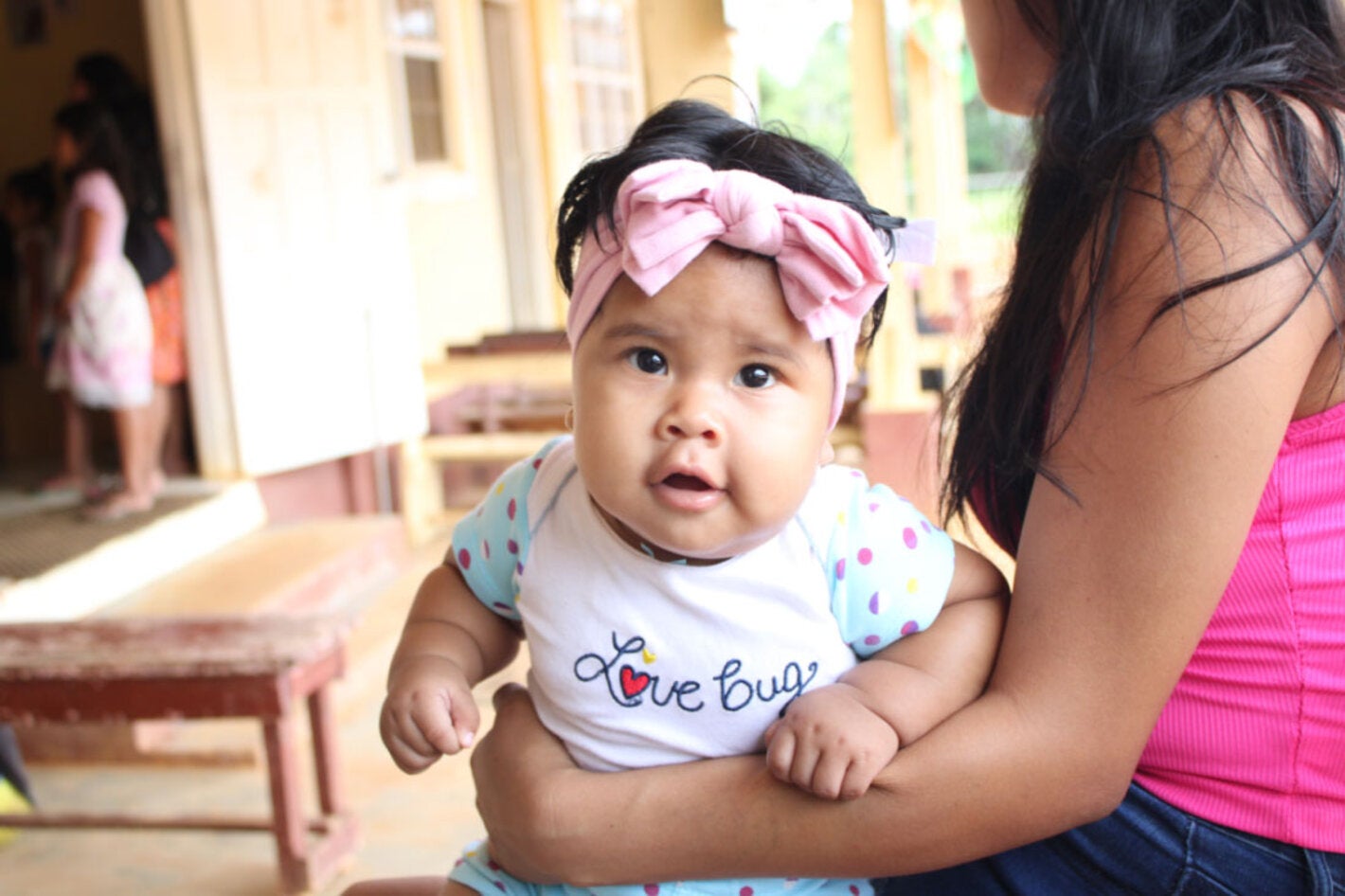
Baramita is a remote Indigenous community where the primary language spoken is Carib, and English proficiency is limited among many residents. To ensure effective communication throughout the assessment, Community Health Workers provided interpretation services, facilitating meaningful engagement with mothers, pregnant women, healthcare staff, and community members.
Using the Hospital External Assessment Tools for Caribbean Countries (2021), the team conducted interviews, observations, document reviews, and meetings with key stakeholders, including the Regional Health Officer, the Medical Doctor in charge of the hospital, the Maternal and Child Health Supervisor, and other health personnel. A total of 12 hospital staff interviews were conducted, including nine clinical staff and three non-clinical staff, in addition to interviews with three mothers and four pregnant women. Hospital records showed that 87 births were recorded in 2025. The assessment revealed that Baramita District Hospital successfully achieved all ten BFHI steps, surpassing the required 80 percent certification threshold, with scores ranging from 86 percent to 100 percent across assessed areas.
Based on the findings, Baramita District Hospital will be certified as a Baby-Friendly Hospital in 2026, marking a significant achievement for maternal and newborn health services in Region One. The assessment team recommended continued collaboration between PAHO/WHO and the Ministry of Health to advance BFHI certification in hospitals across Guyana. Additional recommendations included strengthening community health education on personal hygiene and healthy dietary practices and translating family health education materials into the Carib language to better serve Indigenous communities. PAHO/WHO has expressed its willingness to work with the Ministry of Health's Food Policy Division and relevant stakeholders to develop culturally and linguistically appropriate health promotion resources for the community.