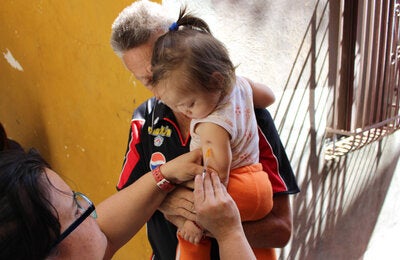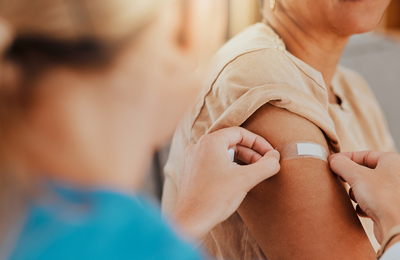
November 2025 - In Guyana, where fewer than 30 new leprosy cases are reported each year, consistent surveillance is telling a hopeful story: Even with low numbers of reported cases, , sustained efforts remain essential.
Guyana has shifted away from the days when people affected by leprosy were isolated in leprosariums and is committed to early detection, surveillance, community outreach and actions that reduce disability and stigma. The detection of cases in pediatric populations indicates that transmission still occurs, and the identification of cases with disability highlights the need to continue strengthening case detection efforts.
To stay ahead, the Pan American Health Organization (PAHO) is supporting Member States in the Caribbean to strengthen their leprosy programs: early case detection, contact tracing, and the effort to reduce stigma.
Caribbean solidarity
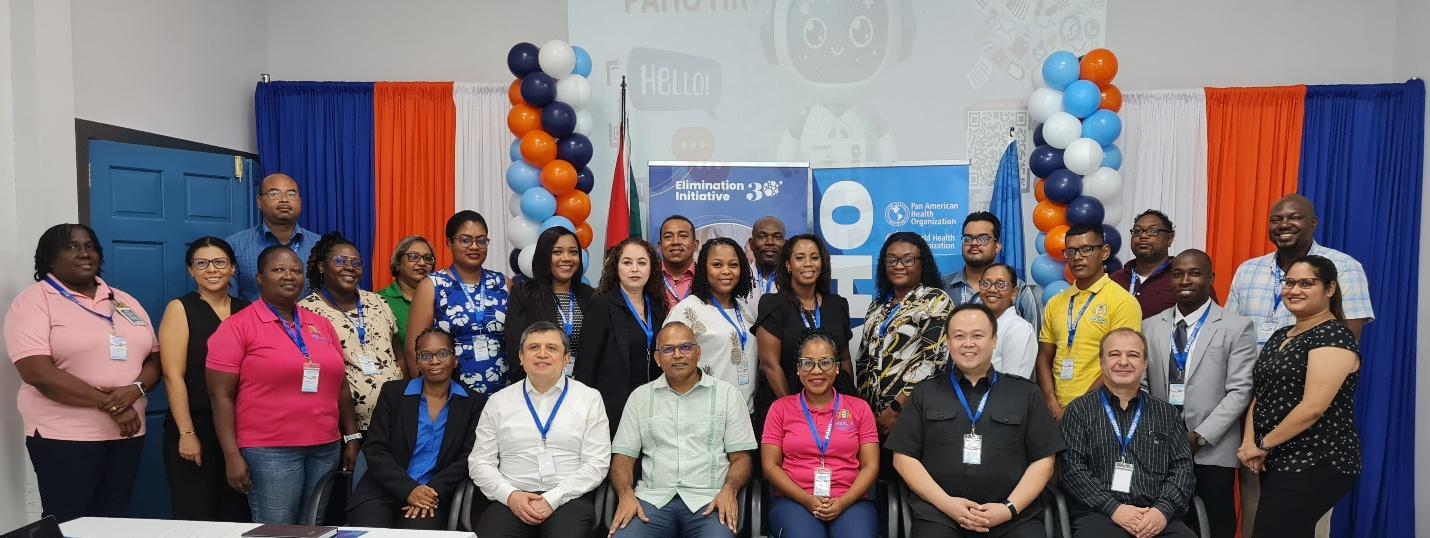
In October, health professionals from Barbados, Belize, Saint Lucia, Saint Vincent and the Grenadines, The Bahamas, and Guyana came together in Georgetown for a three-day training workshop on leprosy, hosted by PAHO and the Ministry of Health. While many Caribbean nations now report few or no cases each year, the region shares a common challenge: ensuring that health workers maintain the skills to recognize leprosy early, confirm diagnoses accurately, and support people affected without discrimination.
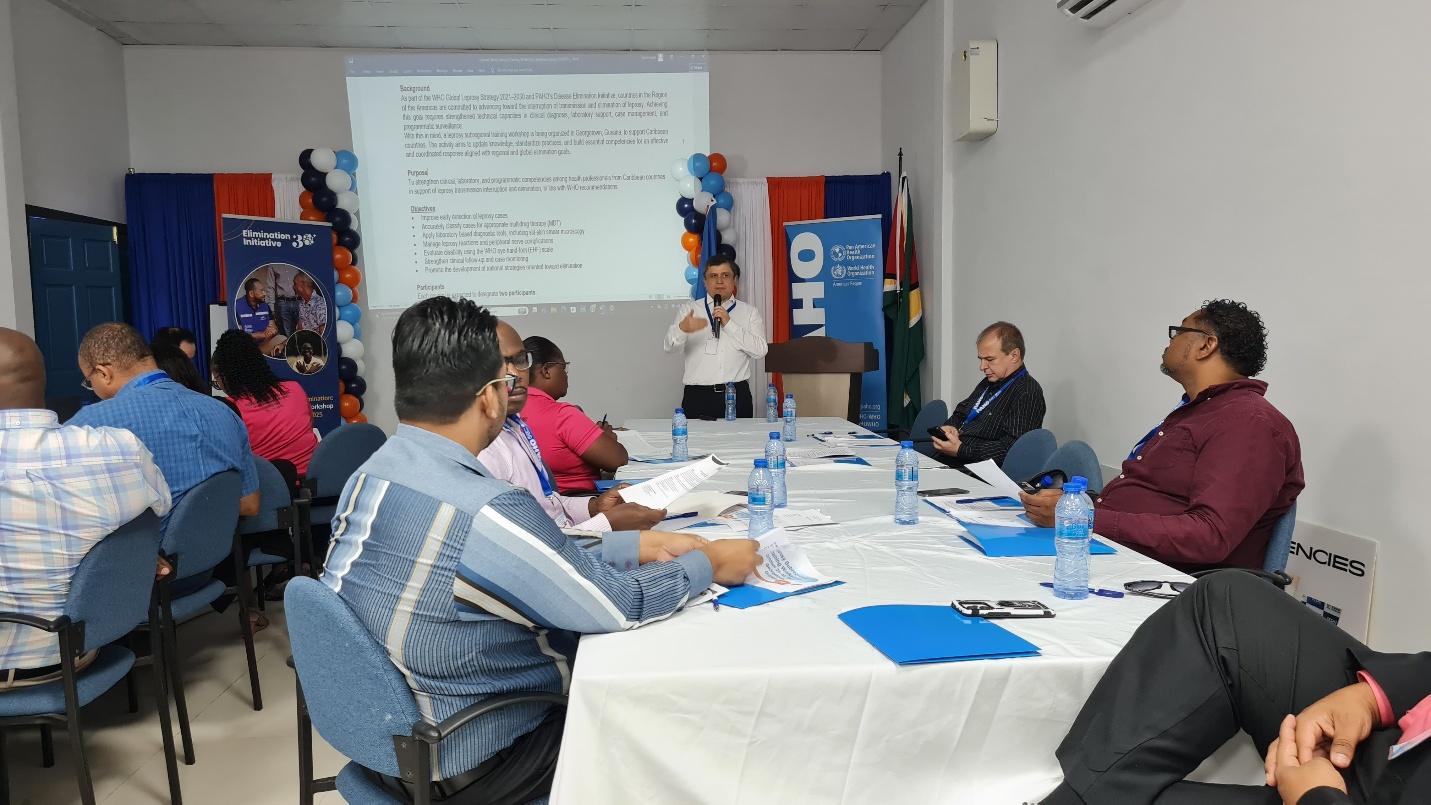
The workshop placed a strong focus on clinical practice—training clinicians, nurses, and laboratory personnel to identify the early signs of Hansen’s disease, use laboratory tools effectively, and adopt an integrated skin-NTD approach that improves case finding. Participants took part in clinical demonstrations as well as group discussions on stigma reduction and rehabilitation.
“Leprosy is curable,” emphasized Dr. Natasha Sobers-Grannum, Officer-in-Charge and PAHO/WHO Representative in Guyana. “Combating stigma remains one of the most significant challenges to timely diagnosis and treatment. Advocacy, testimonies from persons who have overcome leprosy, and community outreach are key tools for changing public perceptions.”
Her words echoed a core message: ending the disease means restoring dignity as much as interrupting transmission.
Strengthening surveillance
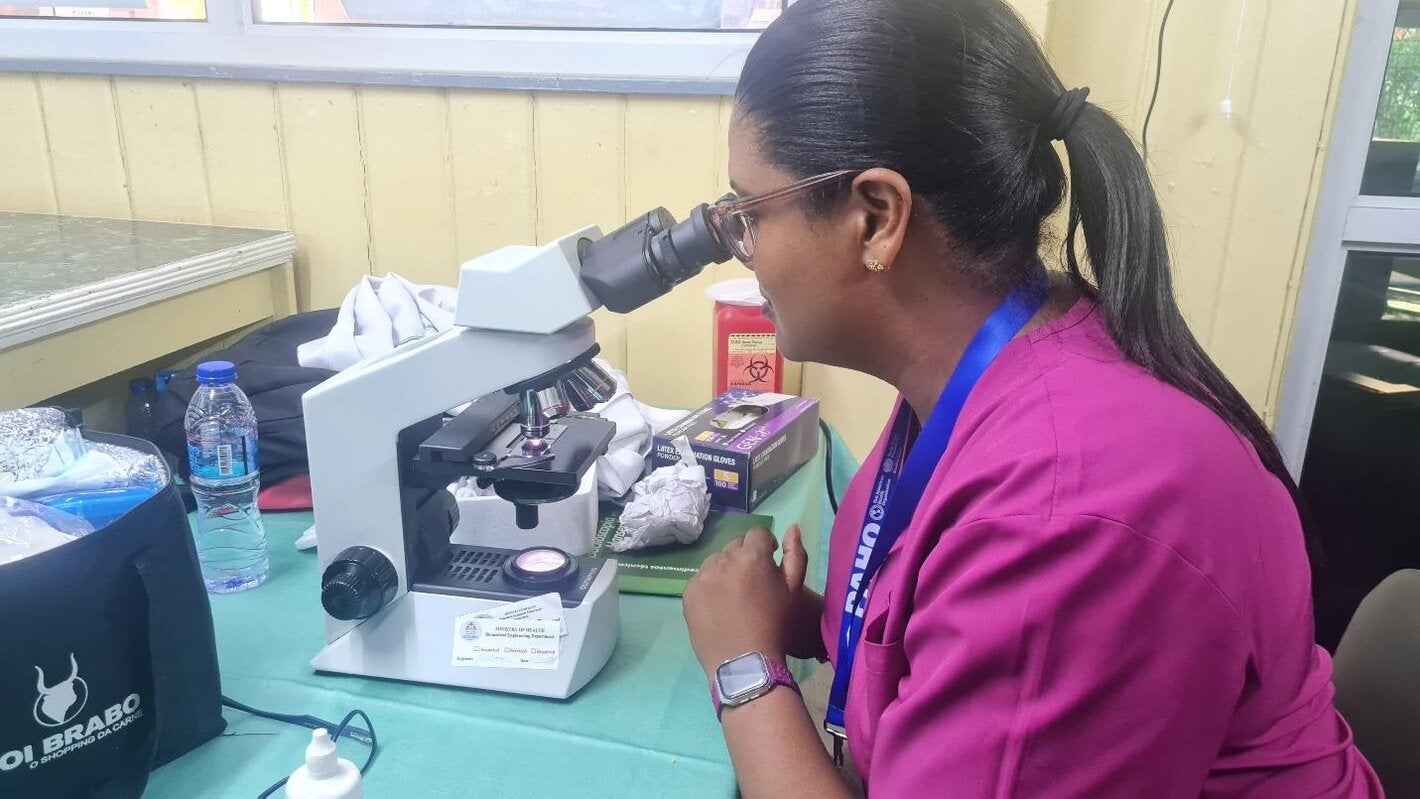
The training emphasized strengthening surveillance along with improving the clinical detection and documentation of leprosy cases. Participants reviewed essential components of case recording, reporting and contact tracing, as well as the use of post-exposure prophylaxis (PEP) for eligible contacts. They also reinforced clinical skills such as skin and nerve examination, case classification, and the use of laboratory procedures including slit-skin smear sampling and microscopy. These capacities are especially important in low-incidence settings to ensure timely identification and appropriate follow-up of cases.
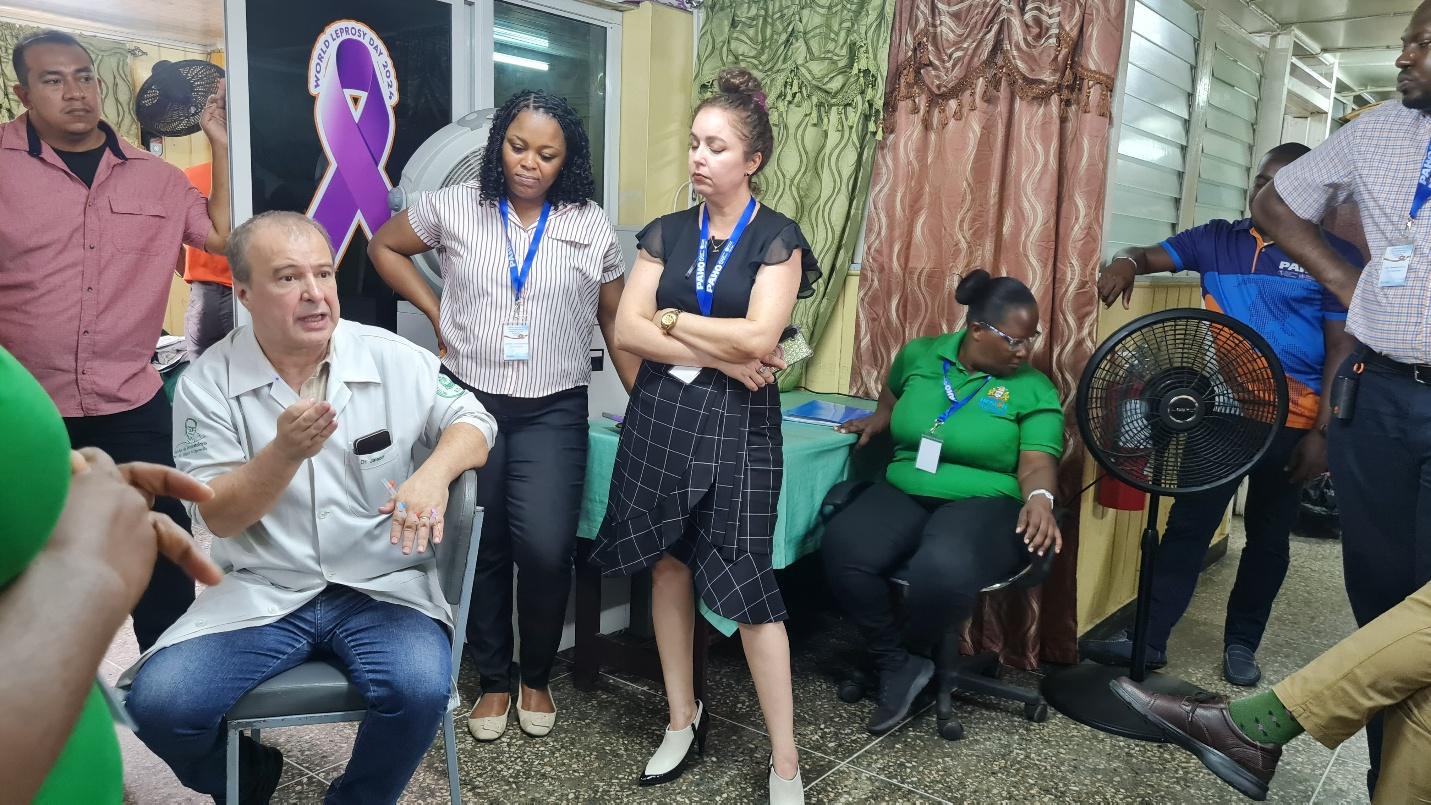
Participants also reviewed how the historical concept of leprosy elimination as a public health problem, which was based on achieving a prevalence below one case per 10,000 population, has now been replaced by two programmatic milestones. The first is interruption of transmission, defined as zero new autochthonous cases in children under 15 years of age for at least five years. The second is elimination of leprosy disease, defined as zero new autochthonous cases for at least three consecutive years after transmission has been interrupted.
Guyana’s Minister of Health, Dr. Frank Anthony. still remembers the Mahaica Leprosarium as a shortsighted solution compared to today’s integrated, community-based approach.
“Our goal is not just to eliminate the disease, but to eliminate the stigma that has followed it for generations,” he explained. “If we continue detecting early, treating quickly, and preventing transmission, especially among children, I believe that by 2030, or sooner, Guyana can achieve elimination.”
The regional coordination forms part of PAHO’s Disease Elimination Initiative, which aims to eliminate more than 30 communicable diseases—including leprosy—by 2030, and with the WHO’s Global Leprosy Strategy: Towards Zero Leprosy.
Looking toward 2030
As the workshop closed, participants agreed on a shared vision for the Caribbean:
• Maintain strong political commitment to leprosy elimination.
• Ensure zero transmission, zero disability, and zero discrimination.
• Strengthen community engagement, awareness, and stigma reduction.
• Continue investing in surveillance, rehabilitation, and the training of health workers.
With Guyana as an example of persistence and progress, and with renewed regional collaboration, the Caribbean is moving steadily toward a future where leprosy is no longer a threat—and where every person affected is met with dignity, care, and inclusion.